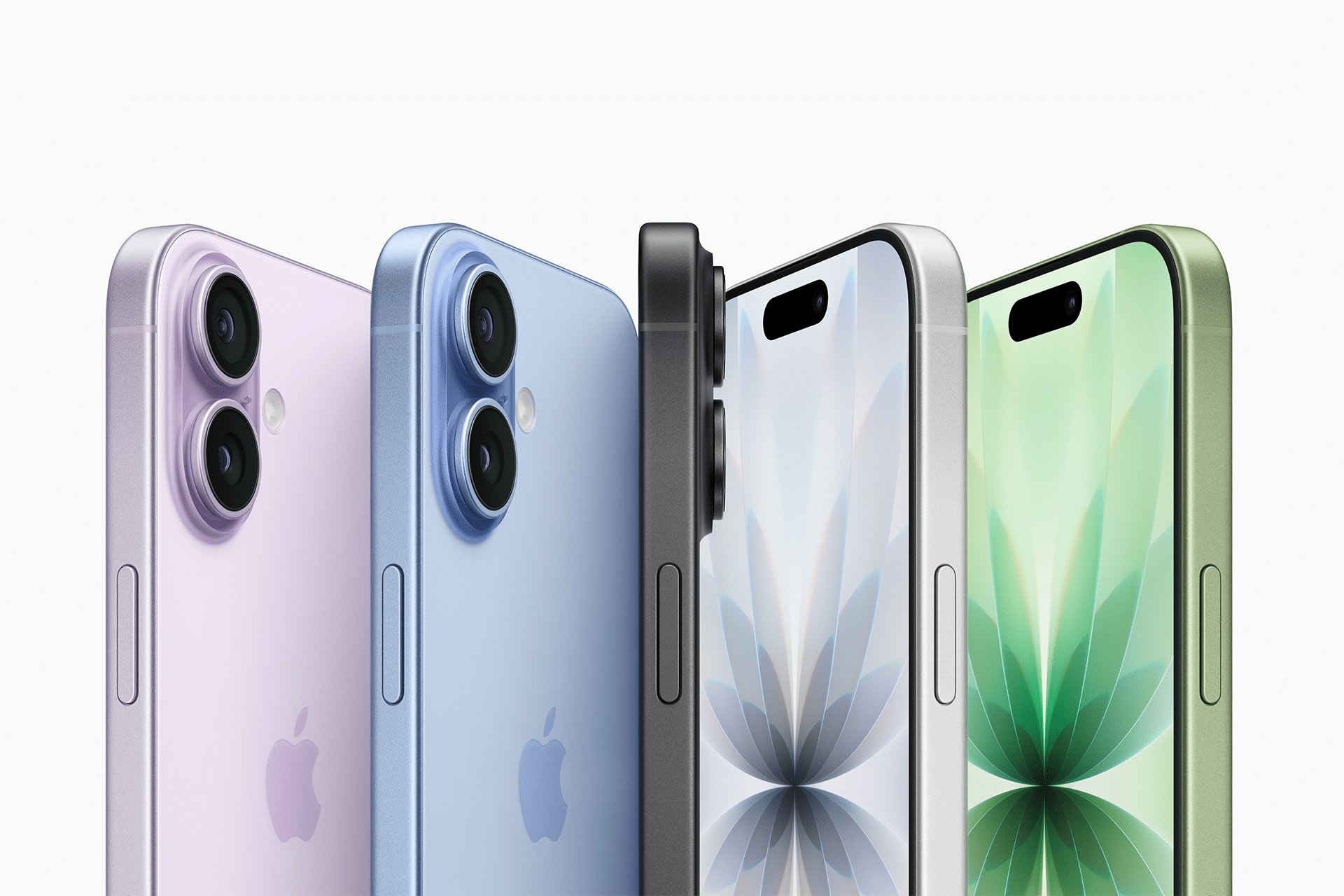
The iPhone 17 has delivered one of Apple’s most decisive performances in China in recent years. From launch through mid-January, the iPhone 17 lineup sold 17.27 million units in the country, exceeding the combined sales of all Chinese flagship smartphones. The figure marks a turning point in a market that has grown increasingly competitive, with domestic brands once seen as closing the gap now struggling to match Apple’s momentum.
This surge places the iPhone 17 at the center of Apple’s renewed strength in China, where the company reclaimed the top shipment position in the December quarter after several uneven cycles. According to Counterpoint Research, Apple’s shipments rose 7.5 percent year over year, with the iPhone 17 generation accounting for roughly one in every five smartphones shipped during the period.
Design and Feature Shifts That Reshaped Demand
The iPhone 17’s performance did not arrive by chance. Apple introduced visible design changes and internal upgrades that redefined the appeal of the lineup at a time when many competitors leaned on incremental updates. The result was a product cycle that felt materially new rather than iterative.
In China, where consumers tend to hold devices longer and expect clear value from upgrades, this distinction matters. The iPhone 17 delivered improvements that translated directly into everyday use, reinforcing Apple’s reputation for long-term reliability and resale value. That combination continues to resonate strongly with buyers weighing premium purchases in an uncertain economic environment.


Domestic Rivals Face a Widening Gap
The scale of the iPhone 17’s lead becomes clearer when viewed against the performance of Chinese competitors. The Xiaomi 17 series recorded sales of approximately 3.08 million units over the same period, while Huawei and Xiaomi both experienced double-digit declines in flagship shipments.
This divergence highlights a broader issue facing domestic brands. While they remain competitive in midrange and budget categories, premium devices demand consistency across hardware, software, and long-term support. Apple’s tightly integrated approach continues to set a high bar that remains difficult to match at scale.
As a result, the gap between Apple and local rivals at the top end of the market has expanded rather than narrowed.
Supply Chain Pressures and Their Market Impact
The iPhone 17’s success also unfolded against a complex supply backdrop. Memory chipmakers have increasingly redirected capacity toward AI accelerators and high-end components, creating shortages that ripple across the smartphone industry.
IDC analysts project that these constraints could contribute to a global market contraction of between 2.9 percent and 5.2 percent in 2026, depending on how long shortages persist. Counterpoint Research expects memory prices to rise between 40 and 50 percent in the first quarter of 2026, followed by an additional increase of around 20 percent in the second quarter.
Despite these pressures, Apple has managed supply more effectively than many competitors. Its scale, long-term supplier relationships, and ability to secure priority access to advanced components have helped shield the iPhone 17 from the most severe disruptions.
Why Apple Regained Leadership in China
Apple’s rebound in China reflects more than strong product execution. The company has refined its regional strategy, balancing pricing, carrier partnerships, and trade-in programs while reinforcing the value of its ecosystem.
In markets where users increasingly rely on phones for payments, media, work, and communication, Apple’s ecosystem coherence continues to differentiate its devices. The iPhone 17 benefits directly from that perception, serving as a gateway to services that extend well beyond hardware.
At the same time, domestic brands face rising costs and narrowing margins, limiting their flexibility in responding to Apple’s moves at the high end.
What the iPhone 17 Signals for 2026
The iPhone 17’s dominance in China offers insight into where the market may head next. As component costs rise and competition intensifies, fewer manufacturers may be able to sustain credible flagship strategies. This environment favors companies with strong supply chains, consistent software support, and global scale.
For Apple, the performance of the iPhone 17 reinforces its ability to absorb short-term disruptions while maintaining demand in critical regions. For competitors, it underscores the difficulty of challenging Apple at the premium tier without structural advantages that extend beyond hardware specifications.
If current trends hold, the iPhone 17 may be remembered as the cycle that decisively reset Apple’s position in China’s high-end smartphone market.