


iPhone 17 production is reportedly being reduced by about 15%, marking a slowdown after one of the strongest iPhone cycles in recent years. The claim comes from the Weibo leaker Fixed Focus Digital, who said supply-chain sources now expect the iPhone 17 lineup’s current momentum to weaken as the market moves closer to Apple’s next launch window.
The report should be treated as a supply-chain rumor, not official guidance. Still, the timing makes sense. The iPhone 17 family has been on sale since September 2025, and many buyers who planned to upgrade have already done so. The next cycle is approaching, with iPhone 18 Pro, iPhone 18 Pro Max, and Apple’s first foldable iPhone expected to drive attention later this year.
A 15% cut sounds dramatic in isolation, but it does not automatically mean the iPhone 17 cycle failed. The opposite is closer to the story. The lineup started strongly, performed well through the holiday period, and remained unusually resilient into early 2026. Counterpoint Research said the iPhone 17 was the world’s best-selling smartphone in the first quarter, with the iPhone 17 Pro Max and iPhone 17 Pro taking the next two spots.
This looks less like a collapse and more like Apple moving from peak demand into a mature product phase.
iPhone 17 Production Follows a Record Run
iPhone 17 production had already been moving from strength. After launch, Apple reportedly asked suppliers to increase output of the standard iPhone 17 following stronger-than-expected preorders. Reuters reported in September 2025 that Apple asked at least two suppliers, including Luxshare Precision, to boost entry-level iPhone 17 production by at least 30%.
That early demand was driven by the standard iPhone 17’s stronger value proposition. It brought meaningful upgrades to the base model, including display and camera improvements, while keeping the starting price more competitive than Pro models. Counterpoint later said the iPhone 17 lineup outsold the iPhone 16 series by 14% during the first 10 days of sales in the U.S. and China.
The momentum carried into 2026. Counterpoint’s first-quarter global handset tracker placed the iPhone 17 lineup in the top three positions worldwide. TrendForce also reported that Apple’s iPhone production rose 19.7% year over year in the first quarter, even as the broader smartphone market contracted.
That context is important. A production reduction after nine months of strong sales is not the same as an early demand warning. It may simply show that Apple and suppliers are adjusting to a product that is no longer in its launch, holiday, or early-year peak.
The iPhone has a predictable rhythm. Demand surges at launch, stays elevated through the holidays, receives a second lift from carrier promotions and new-market availability, then gradually shifts as buyers begin waiting for the next generation. The iPhone 17 appears to be entering that stage.


The iPhone 18 Effect Starts Early
Apple’s next launch is now close enough to affect buying behavior. Even users who are not obsessed with rumors understand the iPhone cycle. By July, many potential buyers know a new Pro model is only a few months away. That changes the psychology of upgrading.
A customer with a working iPhone 14, iPhone 15, or iPhone 16 may wait rather than buy an iPhone 17 in the final stretch of the cycle. A Pro buyer may want to see whether iPhone 18 Pro brings a new camera system, stronger AI hardware, different pricing, or a design change. Early adopters may also wait for the first foldable iPhone, even if that model is expected to be expensive and supply-constrained.
This is why Apple often manages production carefully in the summer. Building too many current-generation units risks excess inventory just as the new lineup arrives. Building too few can leave retailers short during carrier promotions, back-to-school sales, and international shopping events. The 15% figure, if accurate, suggests Apple is trimming expectations rather than ending the cycle abruptly.
The reported cut also comes after earlier claims that Apple had extended production of the standard iPhone 17 for a longer-than-usual run, particularly in China. A reduction now may simply refine that earlier optimism as the market shifts toward iPhone 18.
A Broader Smartphone Slowdown
The iPhone 17 production rumor is not happening in isolation. Fixed Focus Digital reportedly said other major smartphone manufacturers have also lowered shipment targets. Xiaomi may have reduced targets by about 20% to 30%, while OPPO, vivo, and Honor are said to be cutting expectations by roughly 15% to 30%.
That broader context changes the interpretation. If only one iPhone model were being cut, it could suggest a product-specific issue. If the whole smartphone sector is reducing targets, the story is more likely about market maturity, inventory control, economic caution, and component costs.
Smartphone demand remains under pressure in many regions. Upgrade cycles are longer. Devices last longer. High-end phones are expensive. Consumers are more selective. Carriers use aggressive promotions, but many users still wait until a battery, camera, storage limit, or broken screen forces an upgrade.
The memory-cost crisis adds another layer. AI data centers are increasing demand for DRAM, NAND flash, enterprise SSDs, and high-bandwidth memory. Those costs can pressure smartphone margins, especially for models with higher storage tiers. Apple has protected iPhone pricing better than some other categories so far, but component inflation still affects production planning.
In that environment, cutting production targets can be a sign of discipline. Companies do not want to flood channels with expensive inventory if demand is normalizing.
The Standard iPhone 17 Still Looks Like the Winner
The standard iPhone 17 remains the strongest part of the cycle. Its success shows that buyers respond when Apple makes the base model feel less compromised. A better display, stronger camera package, modern chip, and more attractive pricing helped the regular model feel like the right iPhone for more people.
That has a strategic cost for Apple. If the standard model is too good, some buyers skip the Pro line. Pro models carry higher prices and richer margins. Apple wants the base iPhone to sell in huge volume, but it also wants enough users to choose Pro and Pro Max models for camera, performance, display, storage, and status reasons.
The iPhone 17 cycle may have improved Apple’s unit strength while putting more pressure on Pro differentiation. That could shape iPhone 18. Apple may need to make the next Pro models feel more distinct, especially if the standard iPhone remains delayed or staggered in some markets, as recent roadmap rumors have suggested.
The first foldable iPhone could also reset the high end. If Apple launches a foldable alongside the iPhone 18 Pro family, it may create a new ultra-premium tier above Pro Max. That could help Apple absorb softer late-cycle iPhone 17 production without weakening the overall upgrade story.
iPhone Air Remains the Complicated Model
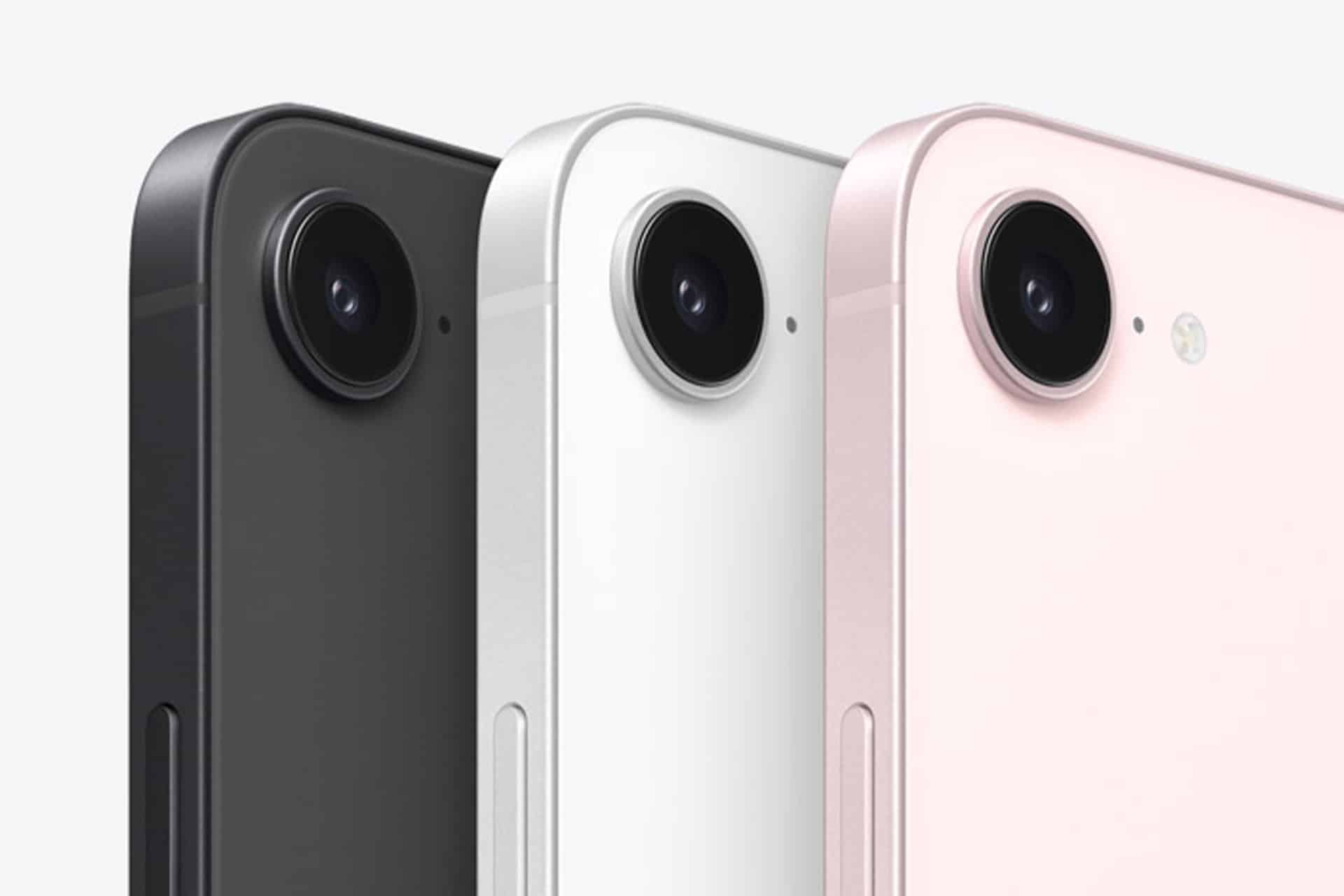
The iPhone Air has been the uneven part of the iPhone 17 generation. Earlier supply-chain reports said Apple reduced iPhone Air production after demand failed to match expectations outside select markets. The ultra-thin design gave Apple its most visually different iPhone in years, but buyers appear to have prioritized camera strength, battery life, price, and Pro features over thinness.
That matters because Apple’s next hardware risks may follow the same pattern. A foldable iPhone will generate attention, but attention does not guarantee mass adoption. Buyers still need to accept the price, durability, battery trade-offs, camera compromises, thickness, weight, software use cases, and availability.
The iPhone Air showed that a new form factor can be impressive without becoming the default choice. Apple’s foldable will need a stronger practical case than novelty. It also needs to avoid cannibalizing the Pro Max without creating another niche product that sells mostly to enthusiasts.
If Apple is trimming iPhone 17 production now, it may also be preparing factory capacity, supplier attention, and inventory space for a more complex iPhone 18 cycle. A foldable model requires different parts, different yields, and a more cautious ramp than a normal slab phone.
What This Means for Buyers
For buyers, a reported production cut does not mean the iPhone 17 is suddenly a bad purchase. It may mean the opposite: the lineup is mature, available, and likely to see better carrier and retailer promotions as the next cycle approaches.
Users who need a phone now can still buy based on needs rather than rumors. The iPhone 17 remains a strong choice for people who want a modern iPhone without Pro pricing. The iPhone 17 Pro and Pro Max remain better for camera-heavy users, creators, and anyone who keeps a phone for several years and wants more headroom.
Users who can wait may prefer to see the iPhone 18 lineup. The closer Apple gets to September, the more reasonable waiting becomes. That is especially true for Pro buyers, early adopters, and anyone interested in a foldable iPhone.
The production cut may also affect discounts. If Apple and suppliers reduce output carefully, inventory may stay balanced. If demand cools faster than expected, retailers and carriers may become more aggressive with deals to clear stock before the next models arrive.
That makes the next two months a good time to watch pricing, not only rumors.
A Normal Slowdown After an Unusually Strong Cycle
The reported iPhone 17 production cut should not be read as a simple demand collapse. The lineup had a strong launch, strong first-quarter performance, and unusually broad success across the base and Pro models. A late-cycle reduction after that run is expected.
The more interesting story is how Apple manages the transition. The company has to avoid excess iPhone 17 inventory while preparing for a more complicated iPhone 18 cycle that may include Pro models, a foldable iPhone, and continued pressure from memory costs. It also has to protect iPhone margins while the rest of the smartphone market trims expectations.
Supply-chain cuts often sound negative because they reduce a number. In practice, they can show that Apple is matching production to where demand is heading, not where it was during the launch surge.
The iPhone 17’s best months may be behind it. That does not make the lineup weak. It means the cycle is finally behaving like an iPhone cycle again.