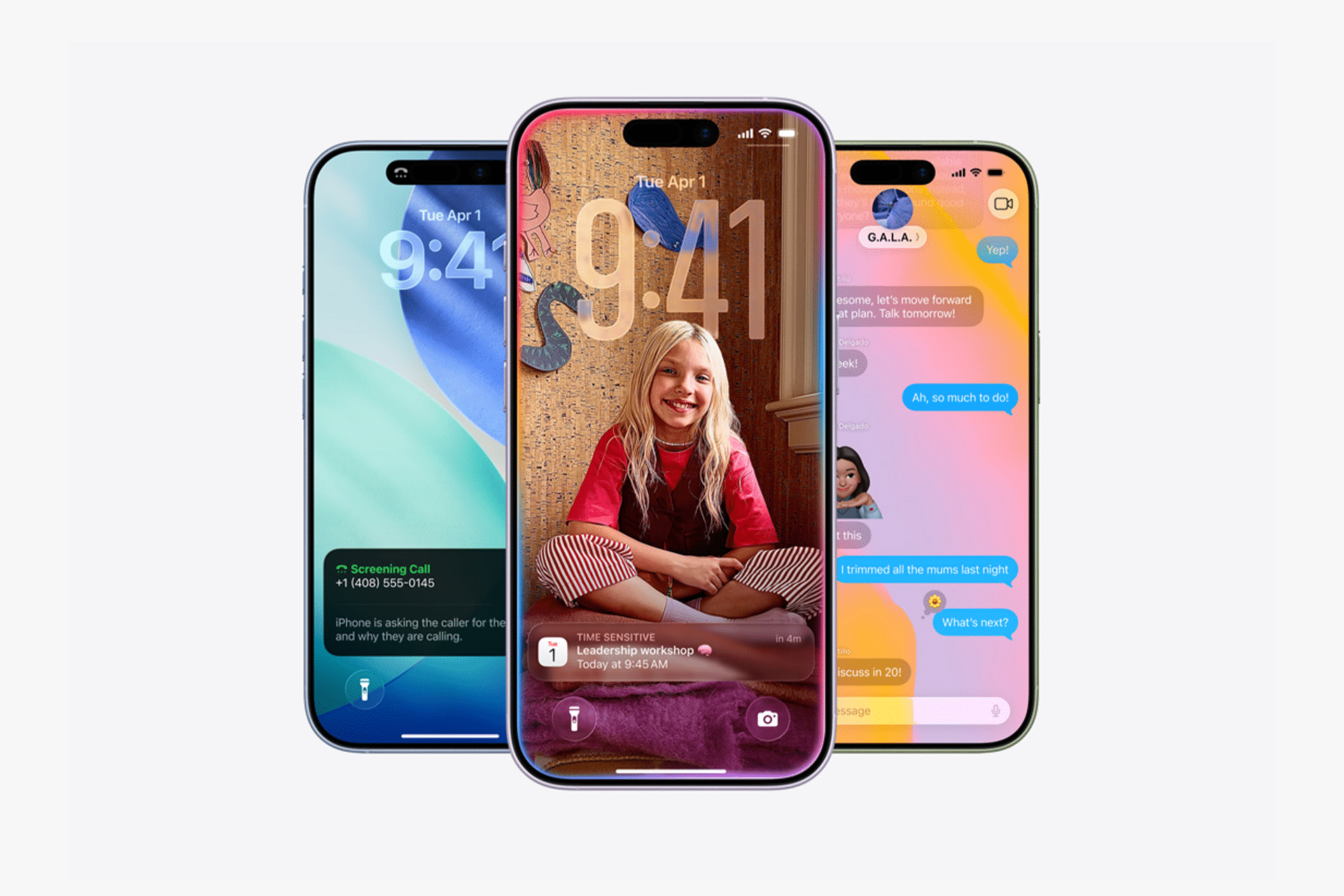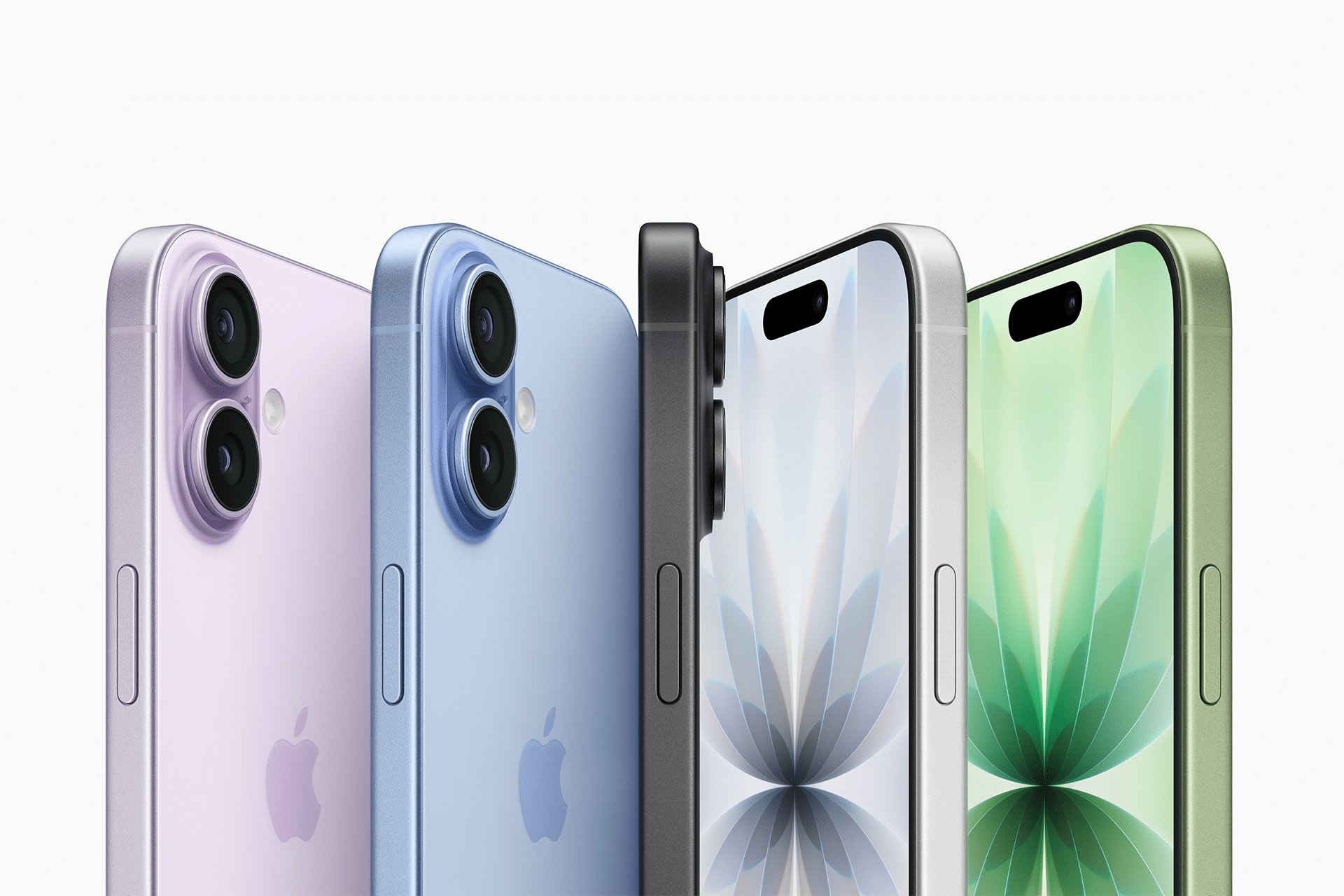
iPhone 17 sales have reshaped the global smartphone landscape in the first quarter, placing Apple at the top of worldwide shipments for the first time during this period. In a market that contracted year over year, Apple moved in the opposite direction. The company secured approximately 21% of global smartphone shipments, overtaking Samsung and expanding its lead in the premium segment.
The achievement is notable not just for the ranking shift, but for the context in which it occurred. Global smartphone shipments declined during the quarter, reflecting cautious consumer spending and slower replacement cycles in several regions. Yet iPhone 17 sales accelerated. Apple’s growth came largely from the strength of its latest lineup, particularly in high-end models.
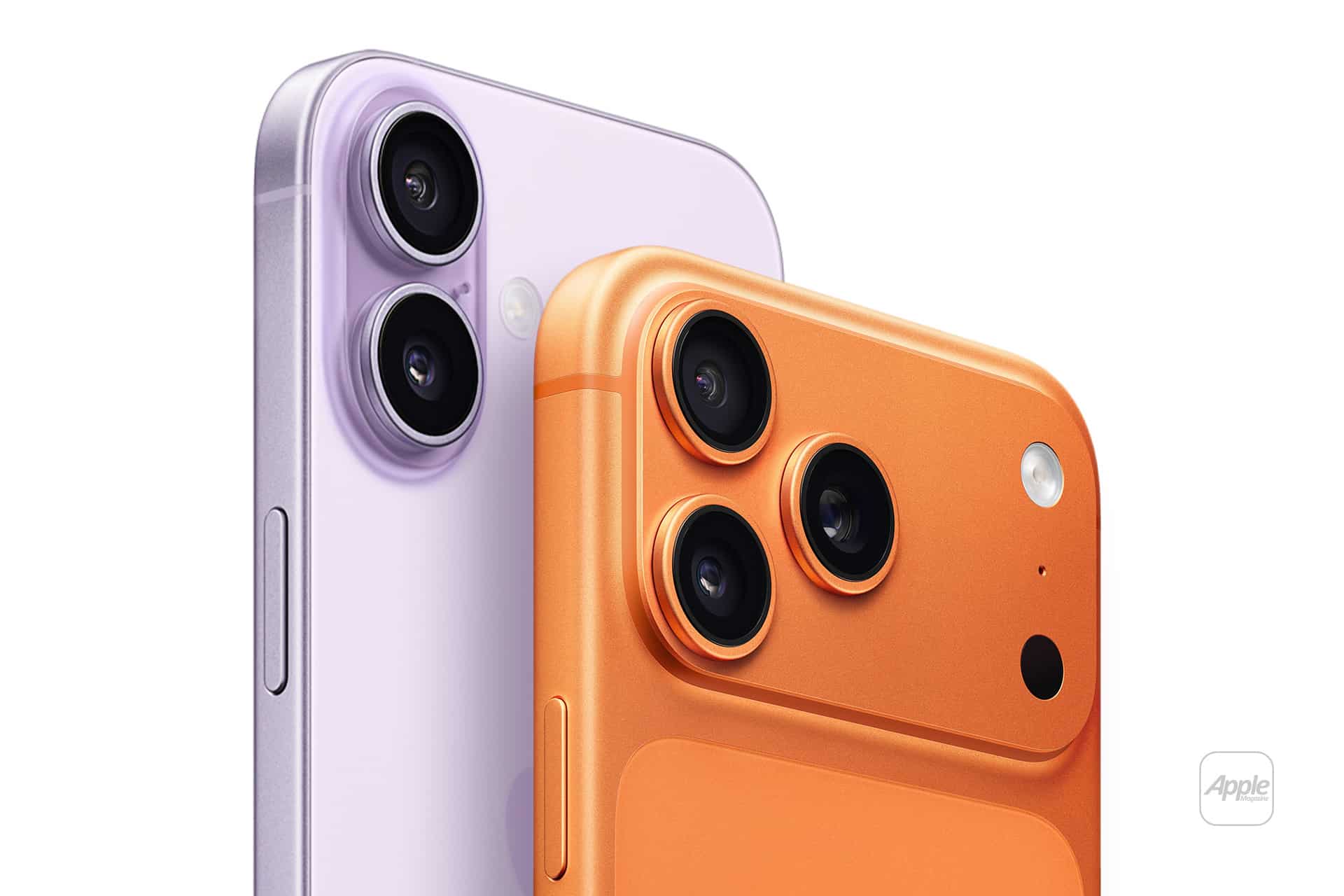
The iPhone 17 series entered the market with a refined design language, performance upgrades, and enhancements to display and camera systems. Demand remained strong across North America, Europe, and parts of Asia. Even in markets experiencing softer overall smartphone sales, premium-tier devices continued to attract buyers willing to invest in long-term hardware value.
Premium Strategy Drives Resilience
Apple’s approach continues to focus on the high-end segment, where margins remain stronger and brand loyalty is deep. Rather than competing heavily in the entry-level category, the company has concentrated on differentiating its flagship devices through silicon performance, ecosystem integration, and software longevity.
iPhone 17 sales reflect that positioning. Consumers upgrading from older devices often choose Pro or higher-storage configurations, raising average selling prices while sustaining shipment volume.
Even in a shrinking global market, Apple benefited from:
- A consistent upgrade cycle
- Strong trade-in programs
- Carrier promotions in key regions
- Expanding presence in emerging markets
While some manufacturers experienced inventory adjustments and channel slowdowns, Apple’s premium focus allowed it to maintain demand.

Emerging Markets and Installed Base Expansion
Part of the shipment growth tied to iPhone 17 sales came from expanding distribution in markets outside North America and Western Europe. Apple has steadily increased retail presence and financing options in Asia and Latin America.
As 5G adoption stabilizes globally, consumers in emerging regions increasingly move directly into premium tiers rather than mid-range devices. Apple’s brand positioning and perceived long-term software support contribute to that decision.
At the same time, Apple’s installed base continues to grow. Each iPhone sold contributes not only to hardware revenue but to services revenue tied to iCloud, Apple Music, Apple TV, and other subscriptions.
iPhone 17 and the High-End Market
The iPhone 17 lineup reinforced Apple’s emphasis on performance efficiency and camera refinement. Improvements in silicon architecture, display brightness, and battery optimization supported the upgrade narrative.
In the high-end smartphone category, differentiation increasingly revolves around computational photography, processing power, and ecosystem continuity. Apple’s ability to align hardware and software development internally remains a strategic advantage.
The shift to 21% global market share during the first quarter reflects more than a single product cycle. It demonstrates the resilience of the premium segment within a contracting industry.

Competitive Landscape
Samsung historically led Q1 shipments due to early-year flagship launches and mid-range distribution. However, iPhone 17 sales momentum altered that dynamic.
The broader smartphone industry faces challenges including extended device lifespan, economic uncertainty, and market saturation in mature regions. Within that environment, premium devices have shown greater stability compared to entry-level tiers.
Apple’s ability to expand shipments despite overall decline suggests that consumer demand at the high end remains comparatively durable.
Outlook for the Remainder of the Year
The first-quarter performance sets a strong baseline for the remainder of the year. Seasonal cycles typically favor Apple later in the calendar due to new model introductions and holiday demand.
If current trends continue, iPhone 17 sales could reinforce Apple’s position in global rankings across additional quarters. The company’s ecosystem integration and services attachment rates remain central to sustaining long-term growth.
iPhone 17 sales demonstrate how premium positioning, ecosystem integration, and consistent upgrade demand can drive growth even when the broader smartphone market contracts.