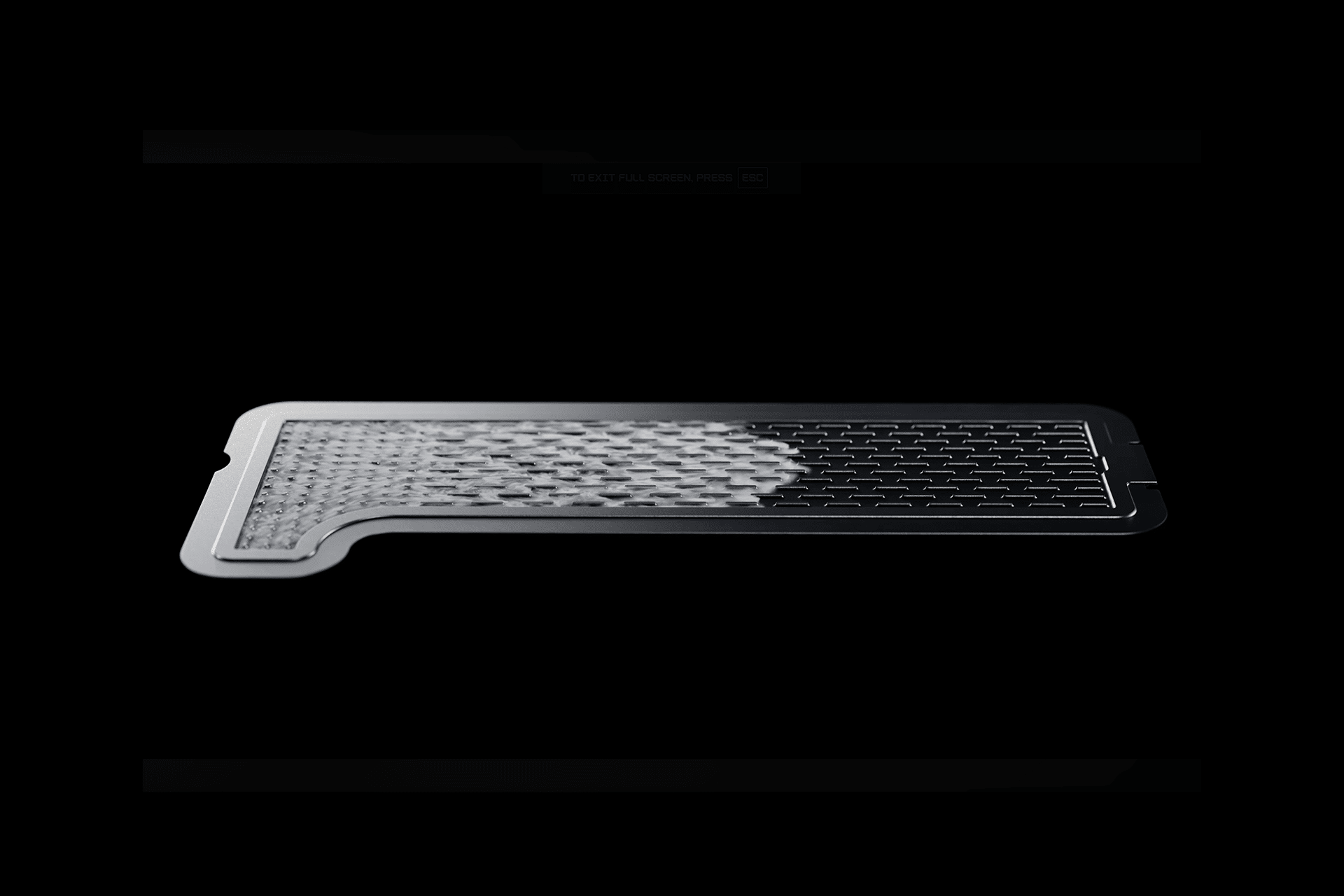
Apple introduced a major internal change with the iPhone 17 Pro and Pro Max: a custom vapor chamber cooling system. While previous iPhones relied on passive heat spreaders and graphite layers, the iPhone 17 vapor chamber marks Apple’s first use of liquid-based thermal management in an iPhone. The goal is simple but critical: maintain high performance for longer periods without aggressive thermal throttling.
This upgrade arrives alongside the A19 Pro chip, which delivers significantly higher sustained workloads for gaming, video processing, and advanced Apple Intelligence tasks. Managing that power efficiently is what makes the vapor chamber so important.
How the iPhone 17 Vapor Chamber Works
The vapor chamber inside the iPhone 17 Pro models is a sealed, ultra-thin metal structure containing a small amount of deionized water. When the A19 Pro chip heats up, the liquid inside the chamber absorbs that heat and evaporates into vapor.
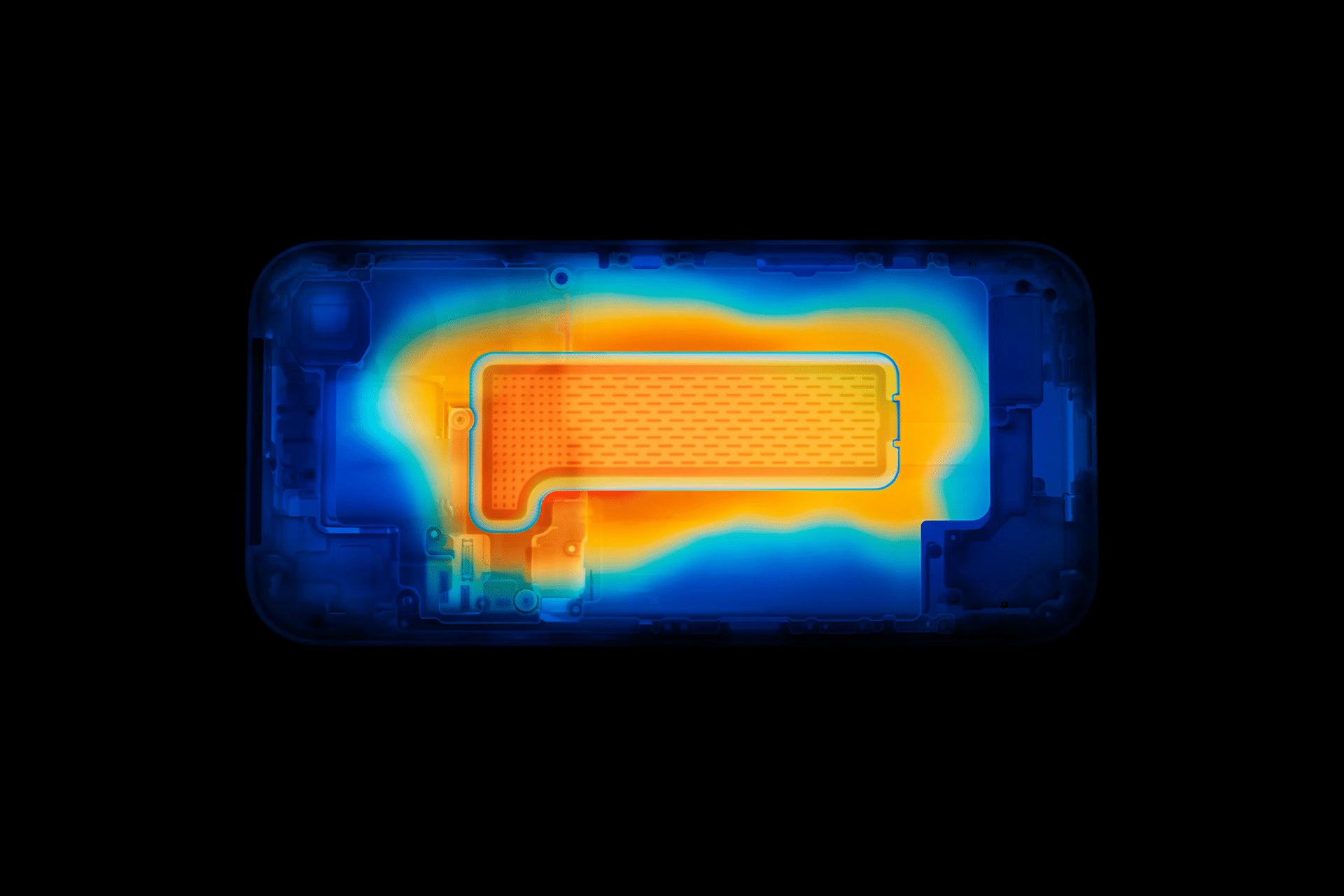
The vapor then travels across the chamber to cooler areas near the aluminum chassis, where it condenses back into liquid. This condensed liquid flows back to the heat source, repeating the cycle continuously. The process spreads heat evenly across a much larger surface area instead of concentrating it in one spot.
This constant evaporation and condensation cycle allows the iPhone 17 vapor chamber to move heat away from the chip far more efficiently than solid materials alone.


Why Apple Moved to Vapor Chamber Cooling
As iPhone chips have become more powerful, sustained performance has become harder to maintain in a thin device. Previous models could briefly reach peak speeds but would reduce performance under prolonged load to control heat.
With the iPhone 17 Pro, Apple is targeting longer sessions of demanding tasks such as console-level gaming, extended 4K or spatial video recording, and real-time AI processing. The vapor chamber helps prevent the sharp performance drops that occurred when older models reached thermal limits.
By pairing the vapor chamber with an aluminum unibody that acts as a large heat spreader, Apple created a system that dissipates heat more evenly, keeping internal temperatures within safe limits for longer periods.
Impact on Gaming and Intensive Tasks
The biggest real-world benefit of the iPhone 17 vapor chamber appears during sustained workloads. Games that push the GPU hard can now run longer at consistent frame rates. Video rendering and exporting tasks are less likely to slow down mid-process. Even extended navigation, camera use, or augmented reality sessions benefit from steadier thermal behavior.
This doesn’t mean the iPhone 17 Pro won’t get warm. Heat is still generated, but it’s distributed more efficiently, reducing hot spots and minimizing sudden slowdowns. In everyday use, this translates to smoother performance rather than dramatic speed boosts.

What the Vapor Chamber Doesn’t Change
Despite the advanced cooling system, some warmth is still normal. Fast charging, wireless charging, and heavy multitasking can still raise surface temperatures. The vapor chamber manages heat; it doesn’t eliminate it.
iOS continues to play an active role in thermal management. If temperatures rise beyond safe thresholds, the system may still reduce brightness or performance temporarily. The difference is that these limits are reached less often and less aggressively than before.
A Foundation for Future iPhones
The iPhone 17 vapor chamber represents a shift in Apple’s internal design philosophy. By adopting a technology long used in high-performance laptops and gaming devices, Apple is preparing the iPhone for workloads that were previously unrealistic in a phone-sized form factor.
This cooling system is not just about today’s performance. It lays the groundwork for future chips, more advanced Apple Intelligence features, and increasingly demanding apps that require consistent power without compromise.