


The camera system often defines an iPhone’s daily experience. This year, Apple introduces the iPhone 17e Camera Fusion, that brings more detail, flexibility, and creative control than the sensor found in the iPhone 16e and earlier “e” models.
What makes this camera noteworthy is not just resolution, but how its hardware and software work together to capture rich images, handle challenging lighting, and expand what users can do with everyday photography.
Higher Resolution, More Detail
At the heart of the system is a 48 MP sensor that captures significantly more detail than lower-megapixel sensors. Larger image files mean more room to crop without loss of quality, and subtle details show up even in everyday shots like landscapes, group photos, or textures.
This increased resolution also feeds into Apple’s image pipeline, providing more data for computational photography features — like Smart HDR, improved tone mapping, and refined texture preservation.


Improved Contextual Zoom With 2x Telephoto
Rather than adding a separate multi-lens configuration, Apple achieves optical-quality zoom through a 2x Telephoto mode. This mode uses the higher resolution of the main sensor to deliver zoomed-in frames with minimal digital artifacts.
2x Telephoto offers noticeable advantages in scenarios like:
- Portraits where a closer crop enhances subject separation
- Street photography without moving physically closer
- Landscape details from a distance
Optical-quality zoom using a high-resolution sensor preserves clarity where traditional digital zoom often softens fine details.
Low-Light and Night Features
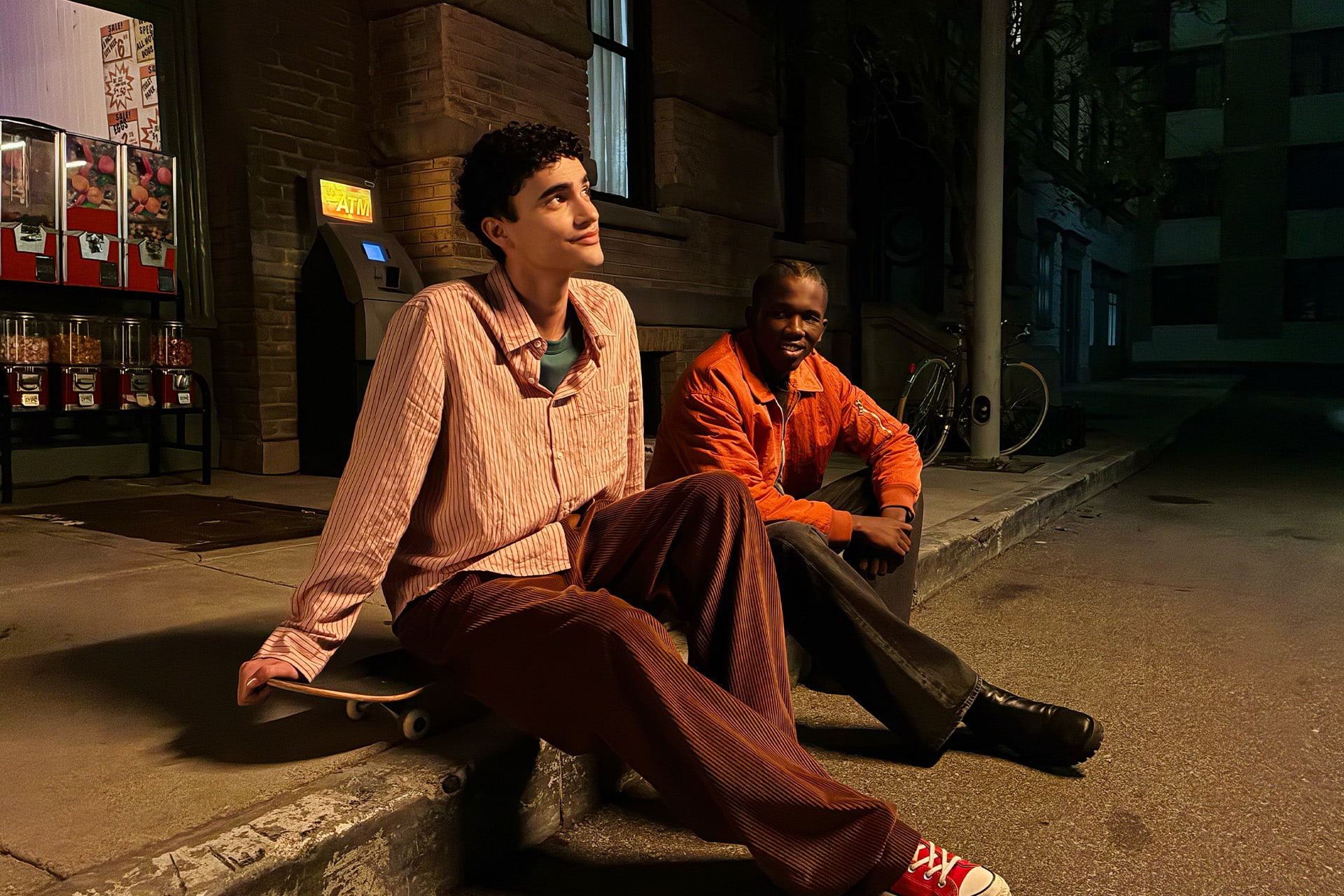
A larger sensor and refined image processing improve performance in low-light scenes. Night mode becomes more forgiving, picking up light from broader areas while keeping noise under control. The result is usable photos in dusk conditions, candlelit interiors, and evening cityscapes.
A combination of hardware and software optimizations ensures that both highlights and shadows retain structure, even when lighting is uneven.
Portraits With Next-Generation Control
Apple continues to enhance portrait photography with next-generation Portrait mode. The Fusion system does a strong job separating subjects from backgrounds and allows users to adjust background blur after capture — a flexible tool that introduces control normally found on larger cameras.
Portrait benefits include:
- Softer, natural background separation
- Adjustable depth effect after capture
- More accurate edge detection on subjects like hair and pets
Software tools inside Photos let users fine-tune portrait shots without third-party editing apps.

Video Capabilities: 4K and Beyond
Video remains a core strength. The 48 MP Fusion camera captures 4K video suitable for social sharing, creative projects, and personal archives. iPhone’s image stabilization smooths motion even when shooting handheld.
New editing tools in iOS 26 also allow on-device refining of clips: cropping, color adjustment, and stabilization tweaks — all without desktop software.

Clean Up And Creative Tools
Apple’s Clean Up tool in Photos is part of the modern camera experience. It lets users remove unwanted elements from the frame after the photo is taken, making minor corrections easier without external apps.
Integrated tools such as auto-adjust exposure, Smart HDR enhancements, and machine-assisted noise reduction make everyday photography more rewarding.
TrueDepth Front Camera and Selfies
The TrueDepth front camera on iPhone 17e continues to support Portrait selfies, wide captures, and video recording. Facial recognition works seamlessly with Portrait mode and lighting adjustments, making front-facing shots more expressive and balanced.
Practical Scenarios Where the Camera Shines
Daily snapshots — from kids running in a park to pets mid-play — benefit from faster capture rates and expanded detail. Travel photography feels richer because high-resolution files preserve textures, skies, and architecture.
Low-light interiors, dinner table gatherings, or city evenings present common challenges where improved sensors and processing make a noticeable difference.

Comparison With Previous “e” Model
Compared to iPhone 16e cameras, the new 48 MP system:
- Captures more detail in every frame
- Offers enhanced optical-quality zoom via 2x Telephoto
- Improves low-light performance and dynamic range
- Adds software features like Clean Up and adjustable portraits
These upgrades make the camera on iPhone 17e feel closer to higher-end models, even though it sits in a value-oriented price tier.
In everyday use, this means more usable images straight out of the phone, fewer limitations in challenging lighting, and a camera system flexible enough to handle creative ideas as they come.