

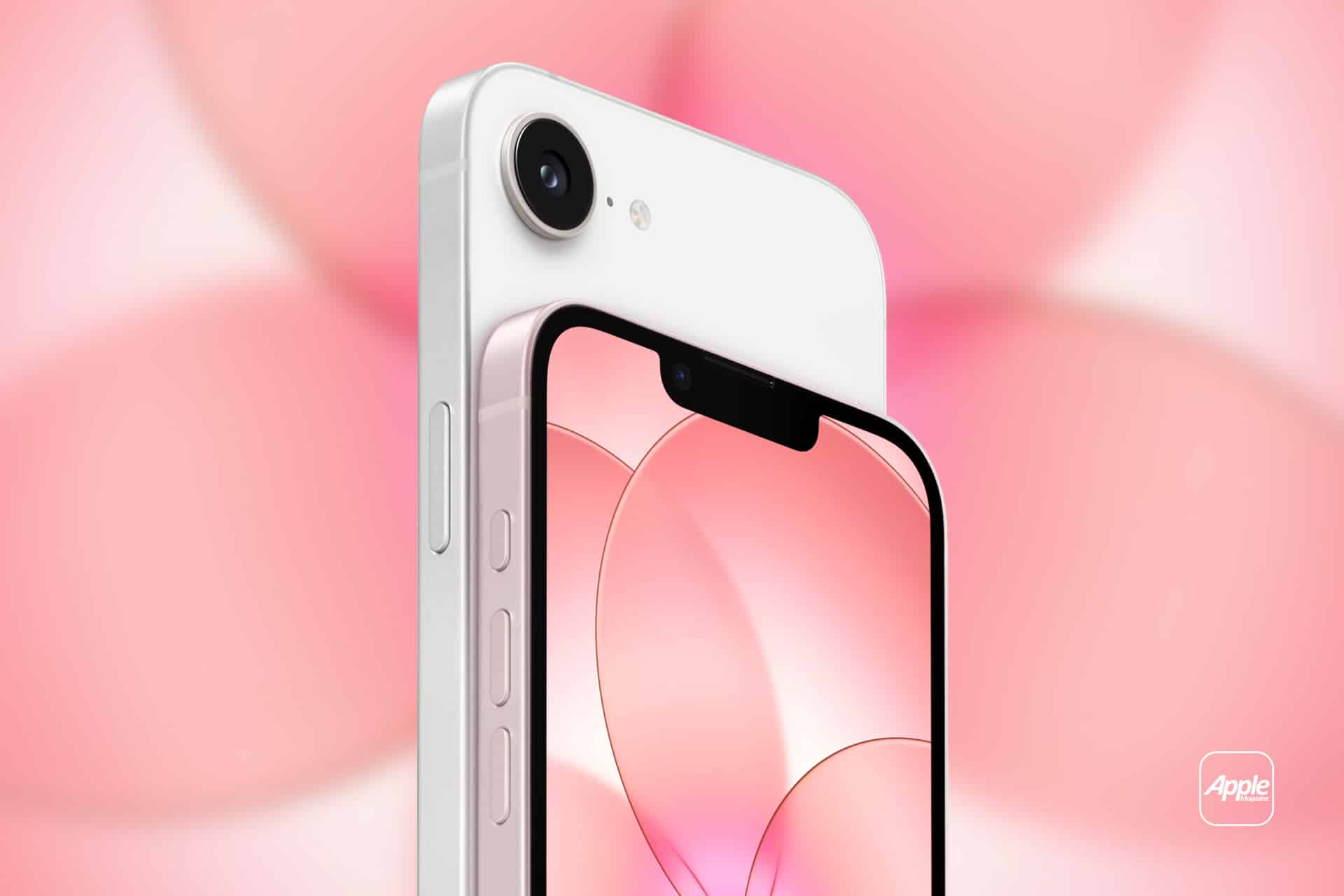
Verizon is promoting the iPhone 17e for free, and the offer immediately stands out: no trade-in required. Both new and existing customers can qualify by switching to Verizon or adding a new line on an eligible Unlimited mobile plan. For shoppers watching launch pricing closely, this shifts the conversation from upfront device cost to long-term plan value.
AT&T is responding with its own incentive. The carrier advertises the iPhone 17e for $6 per month over 36 months through bill credits when paired with qualifying Unlimited plans. That structure brings the total promotional device cost to $216 across three years, significantly below retail pricing.
Both offers are designed to lower the barrier to upgrading while locking customers into multi-year service commitments.
How Verizon’s “Free” iPhone 17e Promotion Works
The headline says “free,” but like most carrier promotions, the mechanics matter. Verizon’s deal typically spreads the iPhone 17e retail price across monthly installments and offsets that amount with bill credits over a fixed period, often 36 months.
As long as the customer maintains the qualifying Unlimited plan and keeps the line active, the credits continue each month until the device balance is effectively reduced to zero. There is no requirement to trade in an older phone, which simplifies eligibility and widens appeal.
For current Verizon customers, adding a new line can unlock the promotion. For customers switching carriers, porting an existing number to Verizon under an eligible Unlimited plan qualifies them as well.
The key factor is duration. Canceling the line early or changing to a non-qualifying plan typically ends the promotional credits. Any remaining device balance would then become due.


AT&T’s $6 Monthly Offer Explained
AT&T’s competing offer follows a similar structure. Instead of presenting the device as entirely free, AT&T advertises a low monthly payment — $6 per month — applied through bill credits over 36 months.
The retail cost of the iPhone 17e is divided into monthly installments. AT&T then issues credits that reduce the effective cost to $6 per month, provided the customer keeps an eligible Unlimited plan active for the full term.
As with Verizon, leaving the contract early usually requires paying off the remaining device balance without the benefit of future credits.
For customers already planning to stay with AT&T long term, this approach spreads cost predictably across three years.
Comparing the Total Cost of Ownership
When evaluating “iPhone 17e for free” promotions, it’s essential to look beyond the device price and examine total monthly service costs.
Unlimited plans vary in price depending on data tiers, premium features, and family discounts. A free phone attached to a higher-cost Unlimited plan may result in a larger total spend compared to a lower-tier plan without device credits.
For example, if a qualifying Unlimited plan costs $75–$90 per month, over 36 months the service cost becomes the dominant expense. The phone discount is meaningful, but the service commitment carries greater long-term financial impact.
Shoppers should compare:
- Monthly plan cost
- Length of required commitment
- Early termination terms
- Coverage quality in their area
In many cases, the promotion makes the most sense for customers who already intend to maintain an Unlimited plan and prefer to reduce upfront hardware costs.

Who Benefits Most From These Deals
Students joining family plans, households adding secondary lines, and customers switching carriers often benefit most from these promotions. With no trade-in requirement at Verizon, customers can keep older devices as backups or pass them down.
The iPhone 17e, positioned as Apple’s entry-level model, pairs naturally with these offers. Carrier incentives amplify its accessibility by minimizing initial out-of-pocket spending.
For emerging markets within the U.S. and budget-conscious buyers, spreading the cost over 36 months lowers the psychological barrier to upgrading.
Strategic Timing and Market Impact
Carrier promotions at launch signal competitive pressure to attract and retain subscribers. By tying the iPhone 17e to Unlimited plans, Verizon and AT&T reinforce recurring service revenue while offering tangible hardware incentives.
These deals also reflect the role of entry-level iPhones in subscriber growth strategies. A lower device price, combined with aggressive carrier credits, expands reach among price-sensitive customers who may have delayed upgrading.
The central takeaway is straightforward: the iPhone 17e can effectively cost little to nothing upfront under these promotions, but the long-term plan commitment defines the real financial equation.
Customers considering these deals should weigh network reliability, monthly service pricing, and contract duration alongside the headline “free” offer. For those already planning to stay with a carrier and use Unlimited data, these promotions represent one of the most aggressive entry-level iPhone incentives currently available.