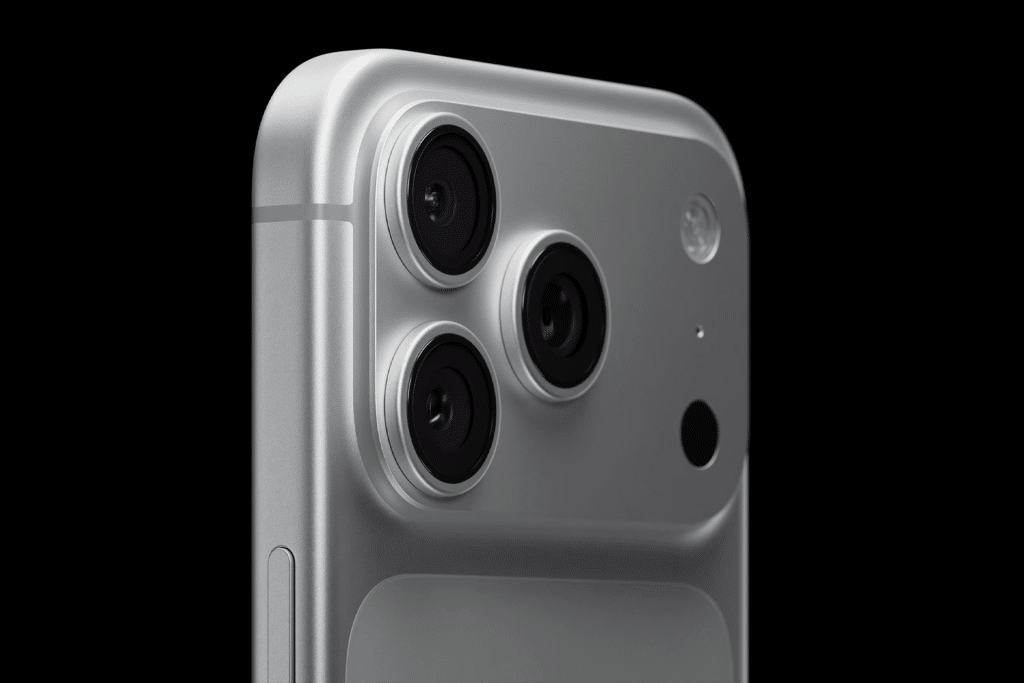
Apple’s reported move to bring the iPhone 18 into early test production suggests more than a routine supply-chain milestone. It points to a deeper shift in how Apple plans, builds, and releases its most important product — one that could redefine the traditional iPhone launch rhythm users have known for more than a decade.
Rather than preparing a single synchronized launch across all models, Apple appears to be laying the groundwork for a staggered iPhone release strategy, starting with higher-end models and expanding the lineup over time.
Why Early Test Production Matters
Test production is where Apple validates design decisions at scale. Hardware tolerances, thermal behavior, yield rates, and component compatibility are evaluated long before mass manufacturing begins. When test production starts earlier than usual, it often signals that Apple is restructuring timelines rather than simply refining specs.
For the iPhone 18, early testing aligns with reports that Apple wants more flexibility in how different models are positioned throughout the year. This would allow Apple to prioritize Pro-level devices first, while standard models follow later once supply, demand, and regional rollout considerations are better balanced.
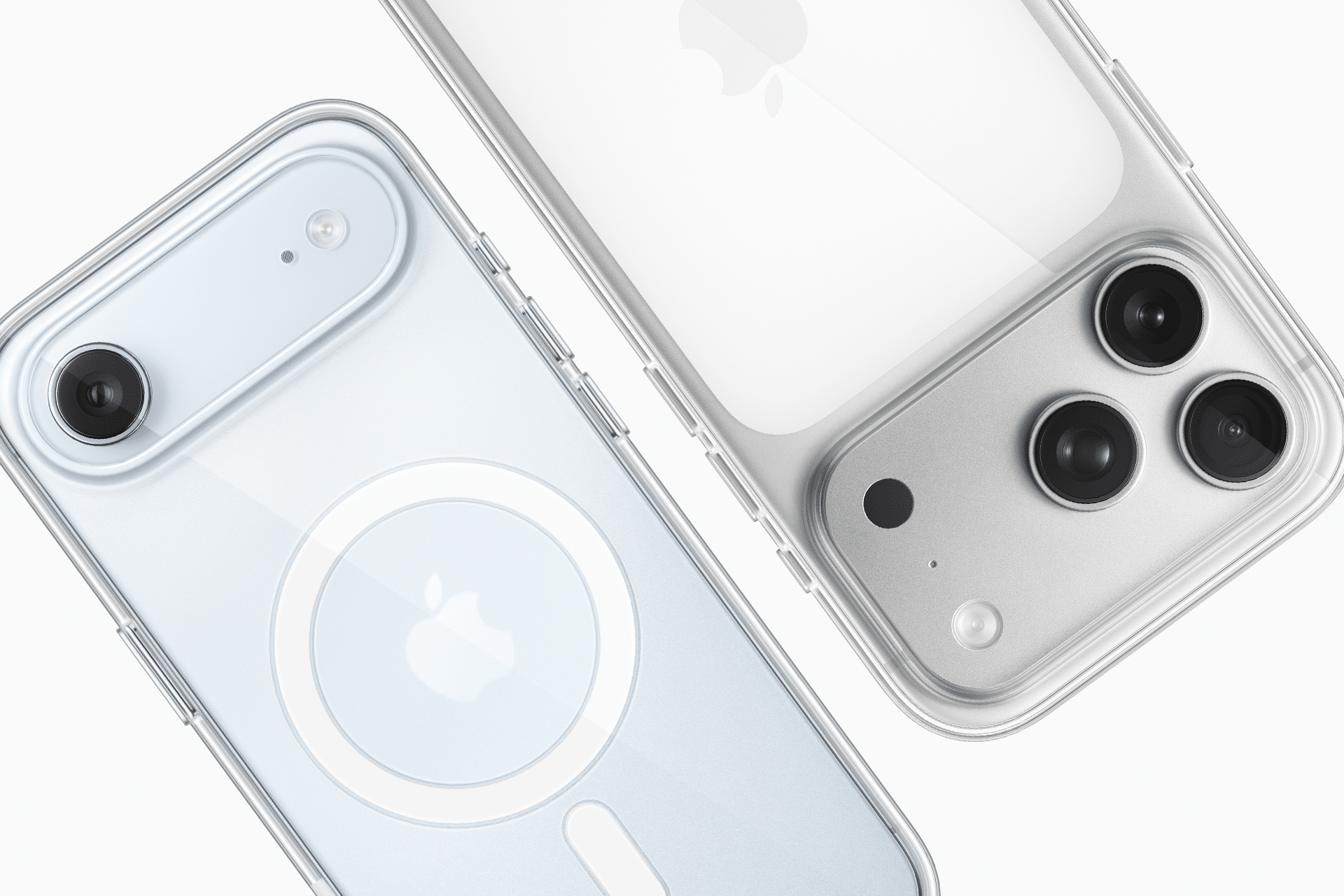
For years, Apple trained users to expect a single, massive September unveiling covering the entire iPhone lineup. That model worked when yearly updates were smaller and production volumes were easier to synchronize.
Today, the lineup is more complex. Pro models use different materials, cameras, and chip configurations. Standard models target a broader audience with different priorities. A staggered release would let Apple give each tier more focused attention while easing pressure on manufacturing and logistics.
From Apple’s perspective, this also spreads iPhone momentum across the calendar instead of concentrating it into one short launch window.
Pro Models as the First Wave
Signals from the supply chain suggest that iPhone 18 Pro models are likely to anchor the first phase of any revised launch plan. These models typically introduce Apple’s newest display technologies, camera systems, and silicon advancements, making them natural candidates to lead a new cycle.
By separating Pro and non-Pro releases, Apple can align marketing, production, and software optimization more tightly with each category’s audience. It also gives Apple more room to adapt pricing and regional availability without compromising the entire lineup.

How This Fits Apple’s Long-Term Hardware Strategy
Apple has increasingly moved toward phased ecosystem evolution rather than single-event disruption. Macs, iPads, and services now update on overlapping but independent schedules, allowing each product line to mature on its own terms.
Applying this approach to iPhone reflects Apple’s confidence in its installed base and brand loyalty. When users trust the platform, Apple can change timing without losing attention — something few companies can afford to do.
This strategy also aligns with Apple’s emphasis on long-term ownership. A staggered release encourages users to choose based on needs rather than launch pressure, reinforcing Apple’s focus on experience over urgency.
What It Means for iPhone Users
For users, a revised launch cycle could reduce the pressure to upgrade immediately. Those interested in cutting-edge features may gravitate toward early Pro releases, while others can wait for standard models without feeling left behind.
It also opens the door for Apple to introduce more meaningful differentiation between tiers, rather than compressing all decisions into a single annual update.
As iPhone development continues to scale in complexity, the iPhone 18’s early test production phase may be remembered less for what the device adds — and more for how Apple chooses to deliver it.