

The iPhone 17 Pro and Pro Max have been commercial successes, especially among users who value endurance, battery life, and professional-grade capabilities. Yet their reception also revealed a meaningful shift in Apple’s design philosophy. With thicker profiles, heavier builds, and a more utilitarian feel, the Pro models leaned decisively toward “professional tools” rather than objects of refinement.
For a notable segment of Apple’s user base, that shift created distance. Many iPhone 15 Pro and iPhone 16 Pro owners chose not to upgrade, not because of performance concerns, but because the new Pro design no longer matched what they valued most in a premium iPhone.
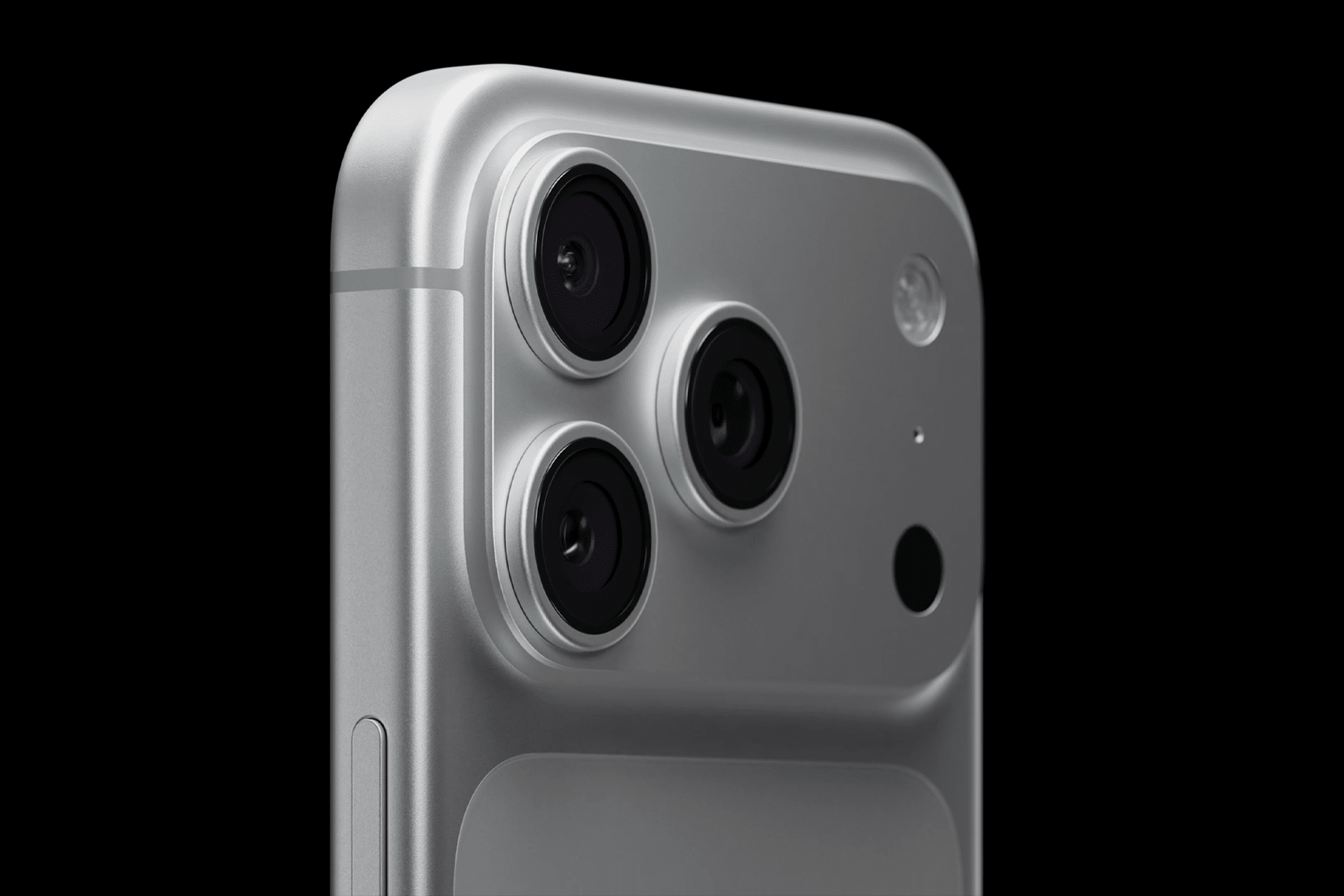
A Growing Gap Between “Pro” and “Premium”
Historically, Apple’s Pro iPhones served two audiences at once. They were powerful enough for creators and professionals, but also elegant enough to be the most desirable, refined devices in the lineup. The iPhone 17 Pro generation began to separate those identities.
The new Pro models feel purpose-built. Their size, weight, and visual language emphasize durability and stamina. For users who see the iPhone as a daily companion rather than a work instrument, that robustness comes at the cost of comfort and aesthetic pleasure.
This is where the idea of an iPhone 2026 premium model gains relevance. The market signal is subtle but consistent: there is room again for a device that prioritizes elegance, balance, and material refinement without chasing the most extreme specifications.
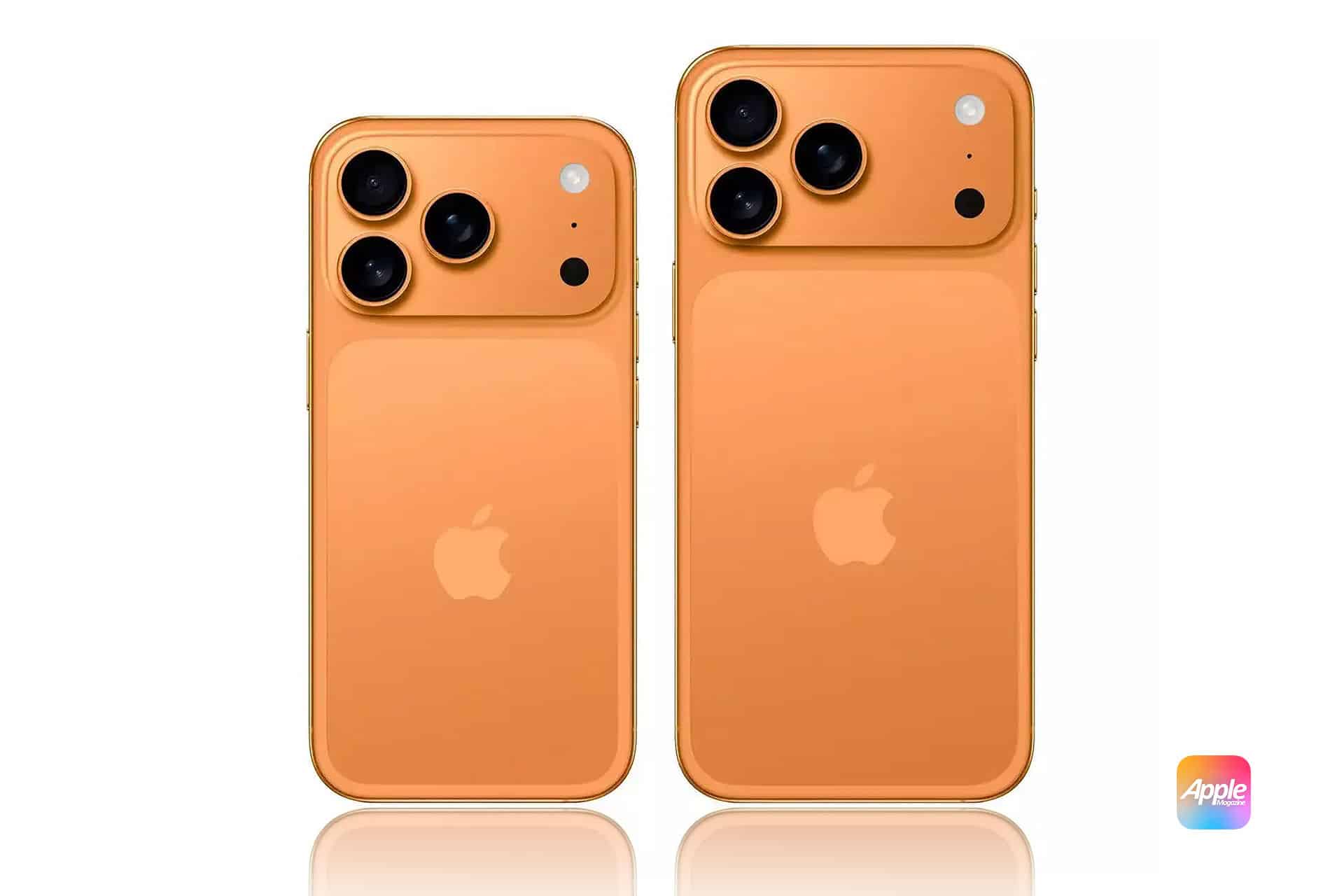
Why Many Users Skipped the iPhone 17 Pro Upgrade
Upgrade hesitation among iPhone 15 Pro and iPhone 16 Pro users is not about missing features. Performance, cameras, and displays have reached a point where year-to-year gains are incremental for most people. Design, however, is felt immediately.
The iPhone 17 Pro models introduced a heavier presence in the hand and pocket. For users accustomed to the slimmer, more sculpted feel of earlier Pro devices, the change felt like a step away from what made the iPhone “premium” in a traditional sense.
These users are not downgrading, nor are they leaving the ecosystem. They are waiting. That waiting creates an opportunity for Apple to reintroduce a premium-focused model that sits alongside, not beneath, the Pro line.

The Case for a “Step-Back” Premium iPhone
A potential iPhone 2026 premium model would not be a regression in performance. Instead, it would be a refinement in priorities. Think lighter materials, slimmer profiles, and a design language that emphasizes sophistication over ruggedness.
This device could revive ideas associated with rumored concepts like an iPhone Air 2, or it could arrive under an entirely new name. What matters more than the label is the positioning: a high-end iPhone that feels luxurious first and powerful second.
Such a model would appeal directly to users who once bought the Pro iPhone because it represented the best overall experience, not because they needed professional-grade durability.
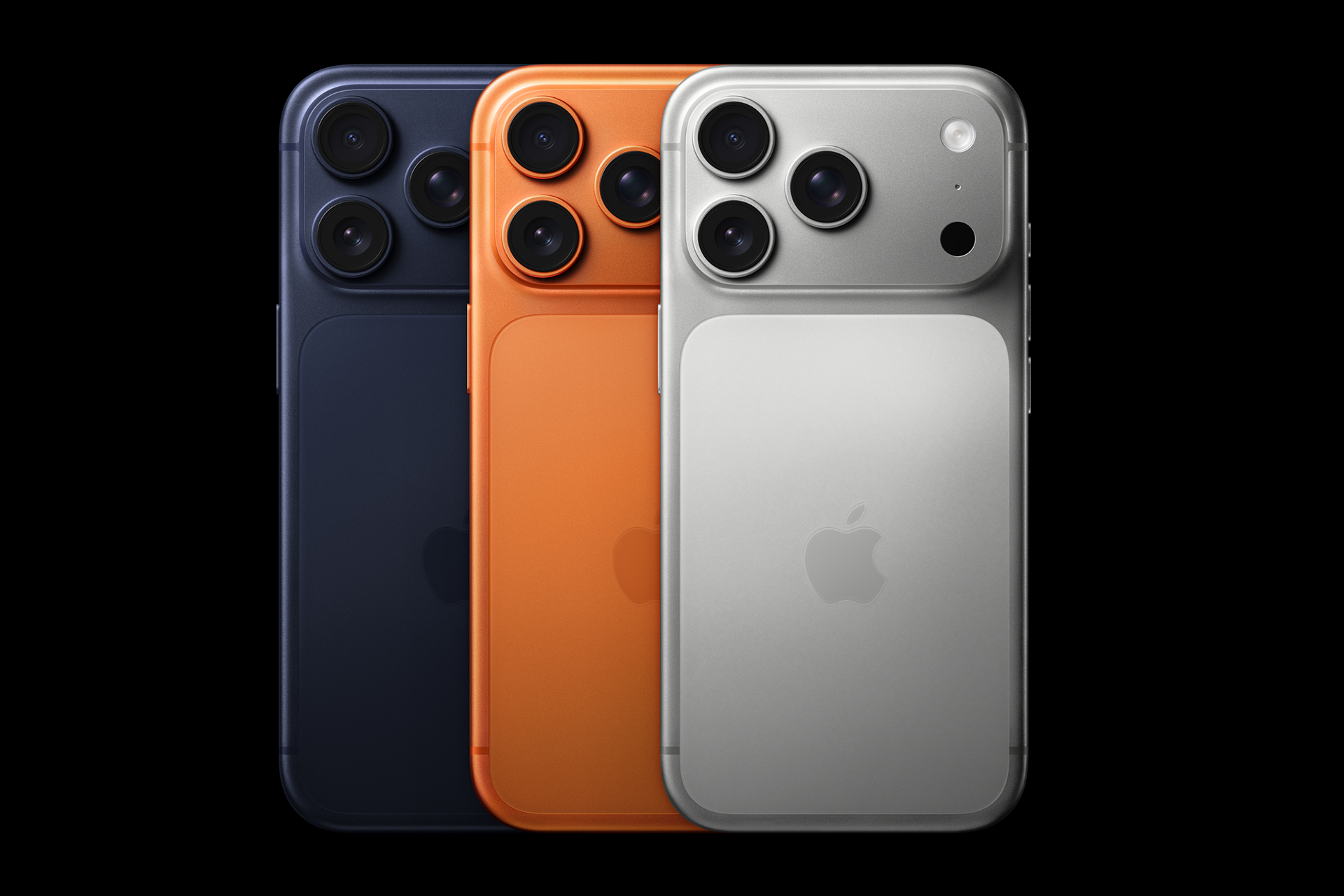
How This Fits Apple’s Broader Lineup Strategy
Apple has a long history of segmenting products by philosophy rather than just price. MacBook Air and MacBook Pro coexist because they serve different interpretations of “best.” The same logic could apply to the iPhone.
In this scenario, the Pro line continues its trajectory toward professional users who value battery life, endurance, and robustness. Alongside it, an iPhone 2026 premium model would reclaim the space of refined design, comfort, and understated luxury.
Rather than confusing the lineup, this approach could clarify it. Users would no longer have to choose between power and elegance. Apple could offer both, explicitly.
If Apple moves in this direction, the iPhone 2026 cycle may be remembered not for a radical new feature, but for restoring balance to what “premium” means in the iPhone lineup.


