


iPhone Air 2 is shaping up as the version of Apple’s ultra-thin phone that many buyers wanted the first time.
The original iPhone Air arrived as a deliberate design statement. At 5.6 millimeters thick, with a Grade 5 titanium frame, Ceramic Shield on the front and back, a 6.5-inch display, A19 Pro performance, eSIM-only design, and a new internal layout built around a raised camera plateau, it proved Apple could make an iPhone dramatically thinner without turning it into a fragile concept device. The tradeoff was obvious from the start: the rear camera system was simplified to a single 48MP Fusion camera.
That was the missing piece many users noticed immediately. The iPhone Air looked premium, felt new, and carried Apple’s strongest thin-design language in years, but the camera setup made it harder to justify for buyers who had grown used to ultra-wide shooting across the lineup. A phone this expensive could be thin, but many customers did not want thinness to cost them a second perspective.
New reports and renders now suggest Apple is preparing to correct that with iPhone Air 2. The next version is expected to keep the ultra-thin direction while adding a second rear camera, likely a 48MP ultra-wide, alongside improvements to battery life and internal layout.
A Premium Phone Needs a Better Camera
The first iPhone Air did not fail as an engineering idea. It failed to answer one practical question clearly enough: what does the buyer give up for thinness?
A single rear camera was the easiest compromise to understand. Apple could promote the 48MP Fusion system, optical-quality crop modes, and computational photography, but it could not replace the usefulness of an ultra-wide camera in daily shooting. Ultra-wide is not only for dramatic landscapes. It is used for group photos, indoor spaces, travel, architecture, tight restaurant tables, wide video shots, pets, kids, and quick framing when the user cannot physically step back.
The lack of an ultra-wide lens also meant the first iPhone Air did not feel as flexible as other recent iPhones. For users who rarely think about camera specifications, the limitation appeared in ordinary moments: trying to capture more of a room, fit more people into a shot, or record a wider scene.
That is why a second camera would be more than a spec-sheet upgrade. It would make the Air line feel less like a beautiful compromise and more like a real member of the iPhone family.

Why the Second Camera Is Hard
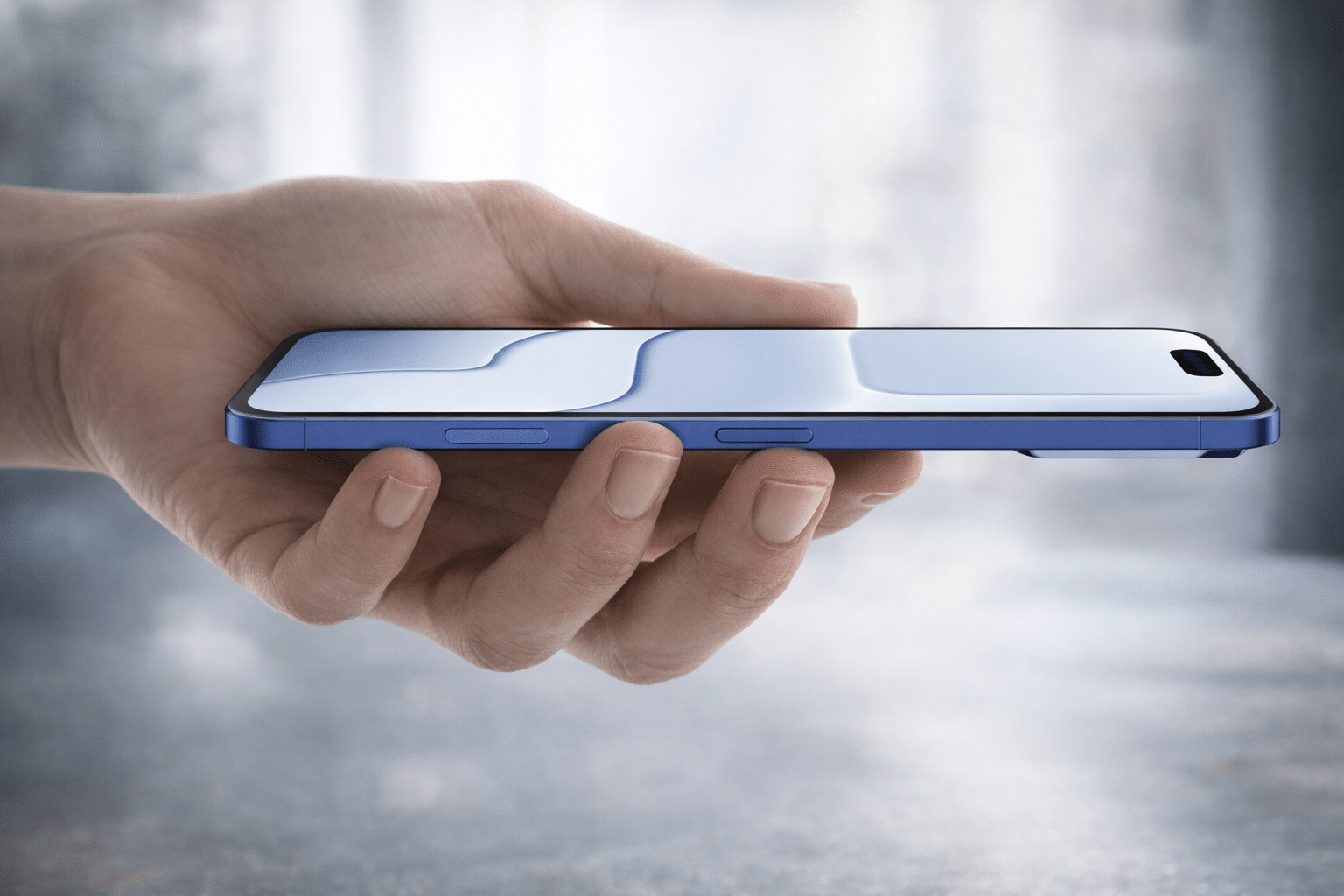
Adding a second camera to a phone this thin is not simple. The first iPhone Air used a carefully designed plateau on the back to house the camera, speaker, and Apple silicon while freeing internal space for the battery. That layout was one of the reasons Apple could make the phone so thin.
A second camera changes the internal puzzle. Apple has to manage sensor size, lens depth, thermal layout, battery capacity, the logic board, wireless components, speakers, structural rigidity, and the display stack inside a body built around extreme thinness. Reports around iPhone Air 2 suggest Apple may redesign parts of Face ID and internal component placement to create the room needed.
That would make the upgrade meaningful from an engineering perspective. Apple would not simply be placing another lens on the back. It would be reorganizing the interior so the Air line can carry a more complete camera system without losing the design identity that made it stand out.
The most likely setup is not a Pro-style triple-camera system. Space and product positioning make that unrealistic. A main camera plus ultra-wide would give the Air the most practical improvement while keeping telephoto photography reserved for Pro models.
Battery Life Has to Improve Too
The second major criticism of the original iPhone Air was battery confidence. Apple promoted all-day battery life, and the phone’s thinness made the achievement technically impressive, but customers comparing it with larger iPhones had an easy concern: a thinner phone leaves less space for battery.
Reports around iPhone Air 2 point to improved battery life, though it is not yet clear whether that comes from a larger cell, efficiency gains, or both. In an ultra-thin chassis, efficiency may be the more realistic path. The expected A20 or A20 Pro chip, built on a 2nm process, could help reduce power draw while improving performance for Apple Intelligence, camera processing, and everyday tasks.
Battery gains would also help the camera upgrade. Ultra-wide shooting, video recording, image processing, display brightness, and AI features all use power. Adding a second camera while leaving battery life unchanged would weaken the story. The Air line needs to feel thinner without feeling limited.
That is the balance Apple has to reach: a device light enough to feel different, but not so restricted that buyers treat it as a fashion model instead of a daily phone.
The Air Line Is About More Than One Model
iPhone Air should be understood as part of Apple’s larger hardware experiment. The first model tested extreme thinness, titanium strength, eSIM-only packaging, internal compression, and a new layout that could influence future iPhones. It also gave Apple real market feedback about which compromises customers tolerate and which ones become deal breakers.
The reported iPhone Air 2 changes suggest Apple learned quickly. A second camera addresses the most visible omission. Better battery life addresses the most practical anxiety. A newer chip gives the device a stronger role in the Apple Intelligence era. A refined internal design could make the Air line more credible before Apple expands its iPhone strategy across Pro, standard, Air, and foldable models.
This is also why the rumored spring 2027 timing is interesting. Apple appears to be moving toward a more staggered iPhone calendar, with Pro and foldable devices expected to occupy one part of the year and other models arriving later. If iPhone Air 2 launches away from the main fall event, Apple can give the device more room to be judged on its own terms.
The Air does not need to beat the Pro. It needs to make thinness feel worth choosing.
What Buyers Should Expect
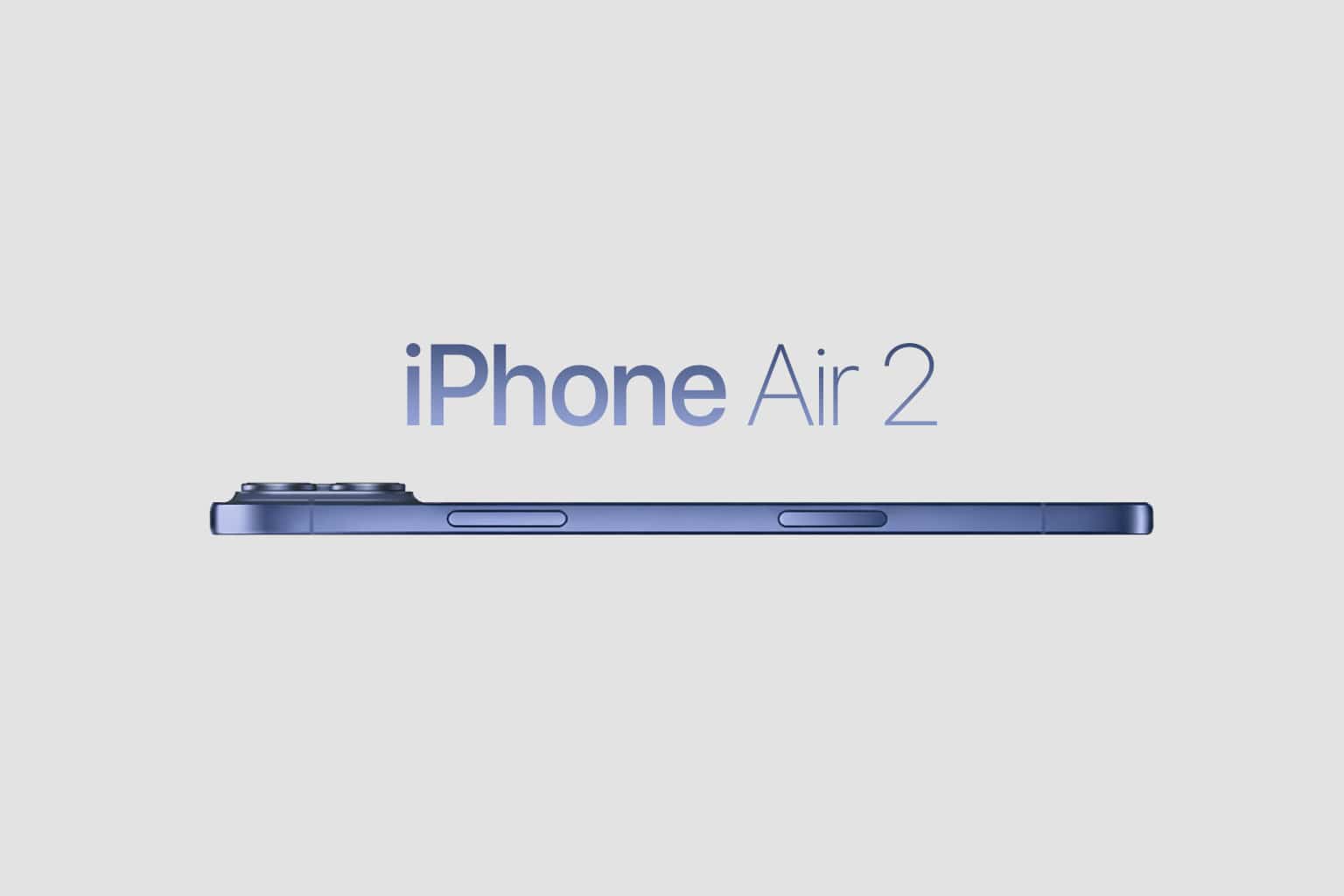
The most realistic iPhone Air 2 expectation is a refined version of the same concept, not a full reset. The device is expected to keep the thin titanium design, stay focused on portability, and improve the areas that made the first model feel too narrow for some buyers.
A dual-camera system with a 48MP main camera and 48MP ultra-wide would put the Air much closer to the daily camera needs of most users. It would not replace the Pro line for serious zoom, ProRes-heavy workflows, or advanced camera hardware, but it would make the phone easier to recommend to people who want a light iPhone without losing basic camera flexibility.
The battery story may be just as decisive. If Apple can deliver noticeably better endurance without thickening the device, iPhone Air 2 becomes a stronger argument for the entire thin-phone category. If battery gains are modest, the camera upgrade may not be enough to change the perception of compromise.
Price will also shape the reception. The first iPhone Air started high enough that buyers naturally compared it with more capable models. If Apple keeps pricing close while adding the missing camera, the second generation looks more balanced. If the price rises, the Air 2 will need to prove thinness, camera flexibility, and battery life can justify the premium.
The Missing Upgrade Everyone Saw
The iPhone Air 2 rumor is believable because it addresses the most obvious weakness in the first model. Customers did not need a teardown to understand the tradeoff. They saw one rear camera on a premium iPhone and knew what was missing.
That makes the second camera more than an upgrade. It is Apple correcting the product’s first impression.
The Air line can survive if buyers see it as a lighter, more elegant iPhone with enough capability for daily use. It cannot survive if buyers see it as a beautiful phone defined mainly by what Apple removed to make it thin. A second rear camera would move the story in the right direction.
The next detail to watch is whether Apple can fit the ultra-wide camera without making the body thicker, weakening battery life, or pushing the Air too close to Pro pricing. That engineering answer will decide whether iPhone Air 2 becomes a better thin iPhone or only a better-looking compromise.