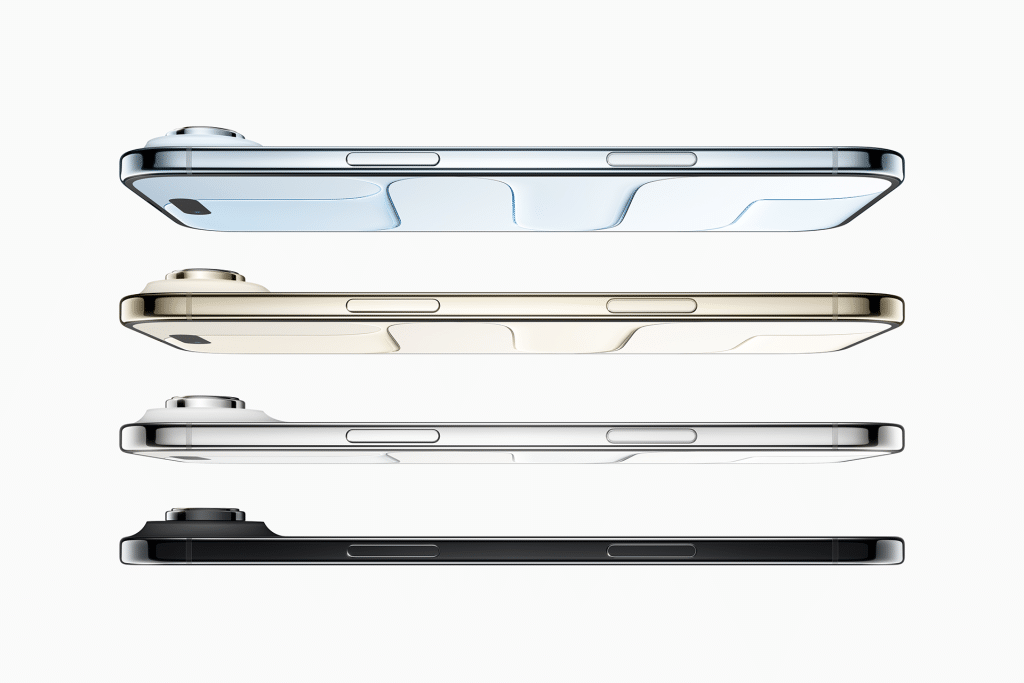
Apple’s rumored iPhone Air 2 represents a category that Apple itself quietly created: a premium iPhone designed not for professional videographers or power users chasing specs, but for people who want a refined device that feels light, fast, elegant, and capable in daily life. If Apple addresses the known limitations of the first Air generation, the iPhone Air 2 could become one of the most appealing iPhones in years for a large segment of users.
The Air identity has always been about balance. It trades excess for comfort, prioritizing thinness and usability without abandoning performance. With the second generation, Apple has an opportunity to refine that idea rather than chase extremes.
Why the iPhone Air Concept Matters
Apple’s lineup has gradually polarized. Pro models grow heavier and more complex, while standard models remain accessible but less distinctive. The iPhone Air occupies the middle ground, offering a premium feel without the bulk, weight, or professional feature set that many users simply do not need.
For users who spend hours reading, messaging, browsing, watching content, or managing work on their phone, physical comfort matters as much as camera arrays or raw benchmark numbers. A lighter device with excellent performance often delivers a better experience than a heavier phone packed with rarely used features.
The Air philosophy fits naturally into Apple’s broader design history, echoing how MacBook Air redefined what most users actually needed from a laptop.

Design and Weight as Daily Advantages
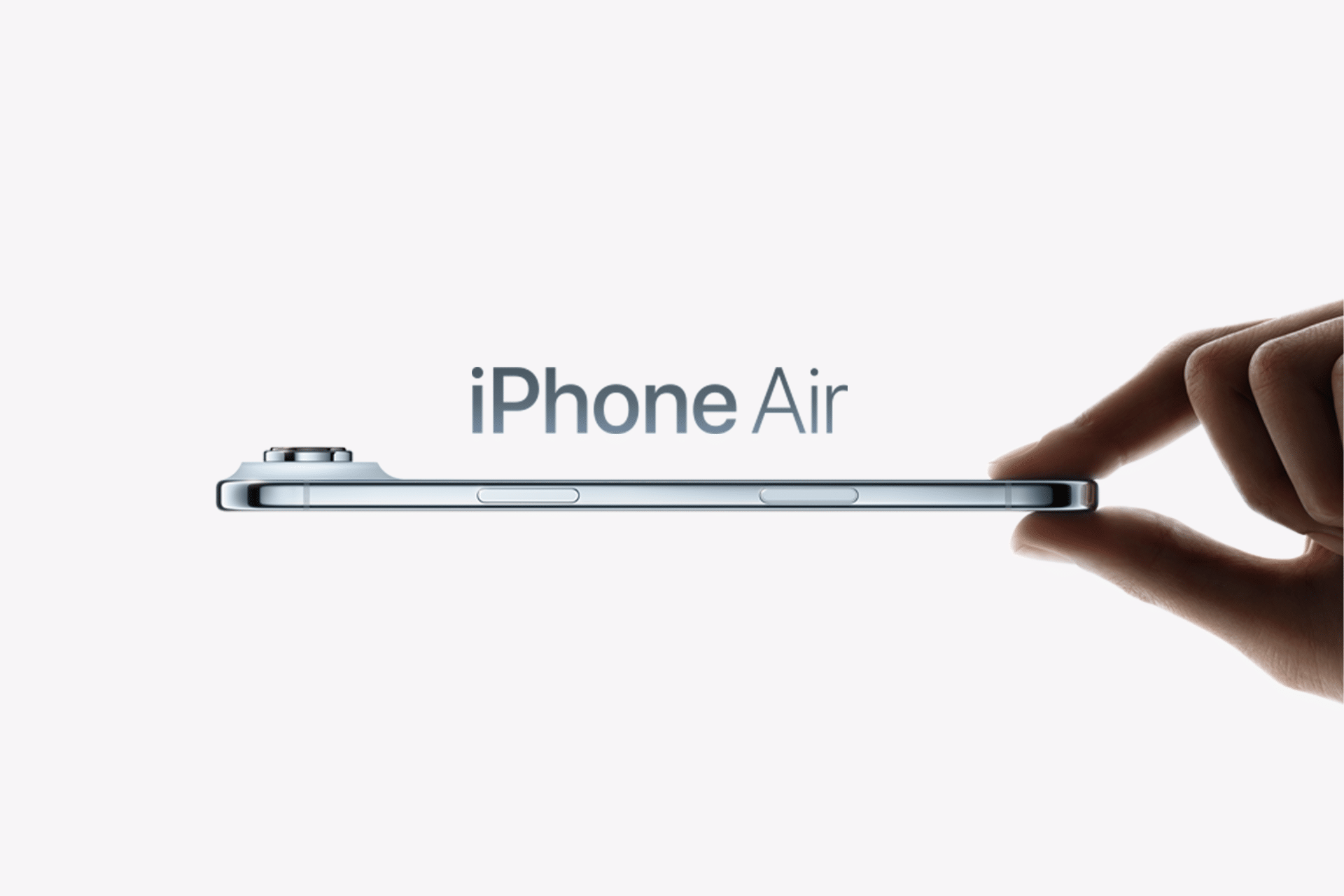
One of the strongest reasons the iPhone Air 2 could be worth waiting for is ergonomics. A thinner, lighter phone reduces hand fatigue, fits more comfortably in pockets, and feels more natural during extended use.
If Apple refines materials, internal layout, and battery efficiency, the Air 2 could maintain its slim profile without sacrificing endurance. Apple has repeatedly shown that careful engineering can offset size limitations, particularly when paired with efficient silicon.
A refined Air design also appeals to users who value subtlety. Not everyone wants a device that visually announces itself as a “Pro” product. The Air line favors understated premium design over visual dominance.
Camera Improvements Without Pro Complexity
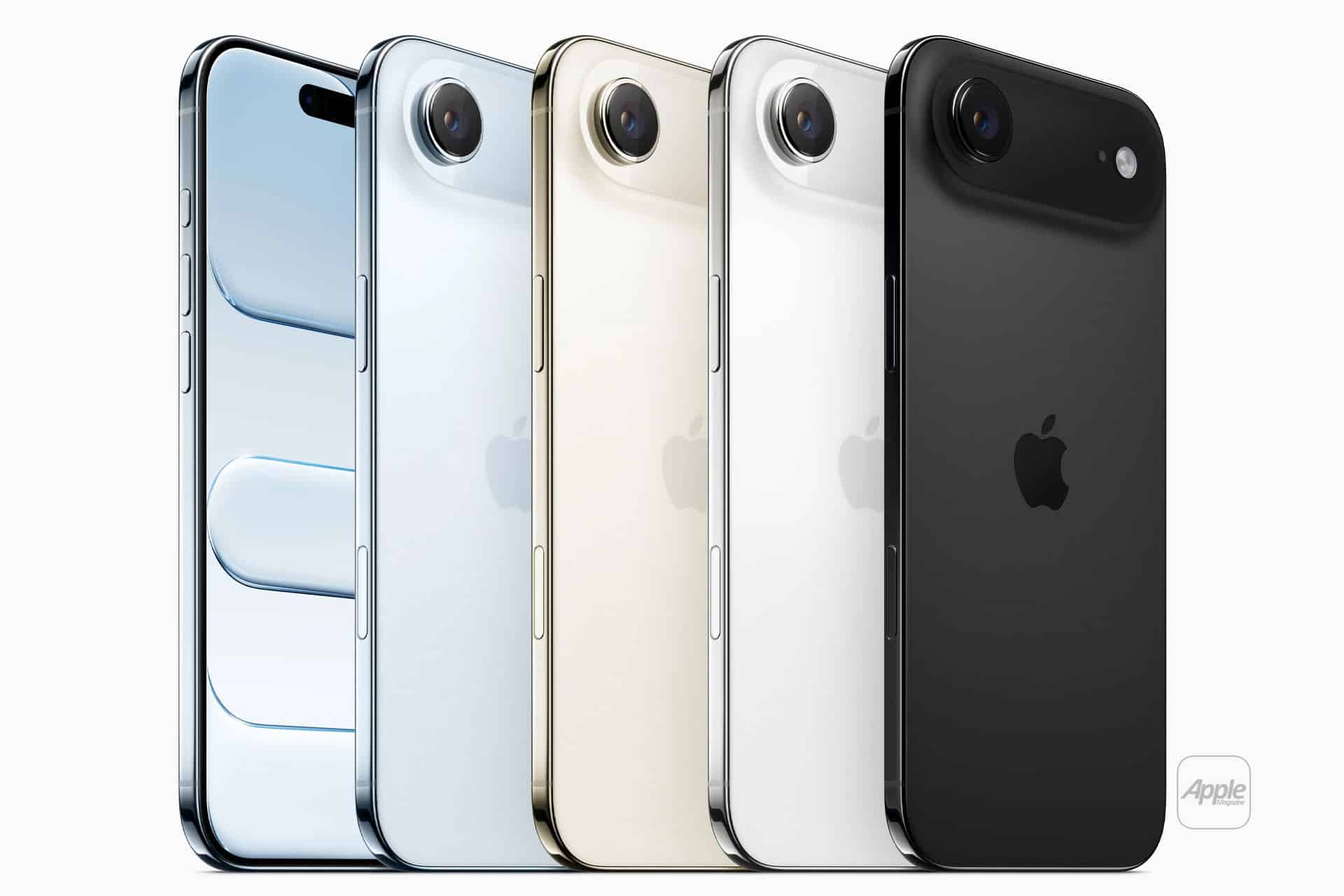
Camera performance remains one of the key expectations for any modern iPhone. For the iPhone Air 2, the goal is not to compete directly with Pro models, but to deliver a strong, reliable camera system that excels in everyday scenarios.
Apple could significantly improve the Air experience by enhancing sensor quality, low-light performance, and computational photography, even with a simpler camera layout. For most users, better consistency and faster capture matter more than additional lenses.
If Apple brings improved image processing and a more capable main sensor to the Air 2, the device would meet the needs of family photography, social media, travel shots, and casual video without the learning curve of Pro-grade tools.
Sound Quality and Media Consumption
One of the most noticeable compromises in slimmer phones is audio. If Apple chooses to improve stereo speaker performance, especially in landscape orientation, the iPhone Air 2 could stand out as an excellent device for watching movies, playing games, and listening to music.
Sound quality often defines how immersive a phone feels in daily use. Better speaker balance and clarity would align with the Air’s role as an all-day companion rather than a niche tool.
Combined with a high-quality display, stronger audio would reinforce the Air as a media-friendly device that doesn’t rely on external accessories to shine.
Battery Life Through Efficiency, Not Size
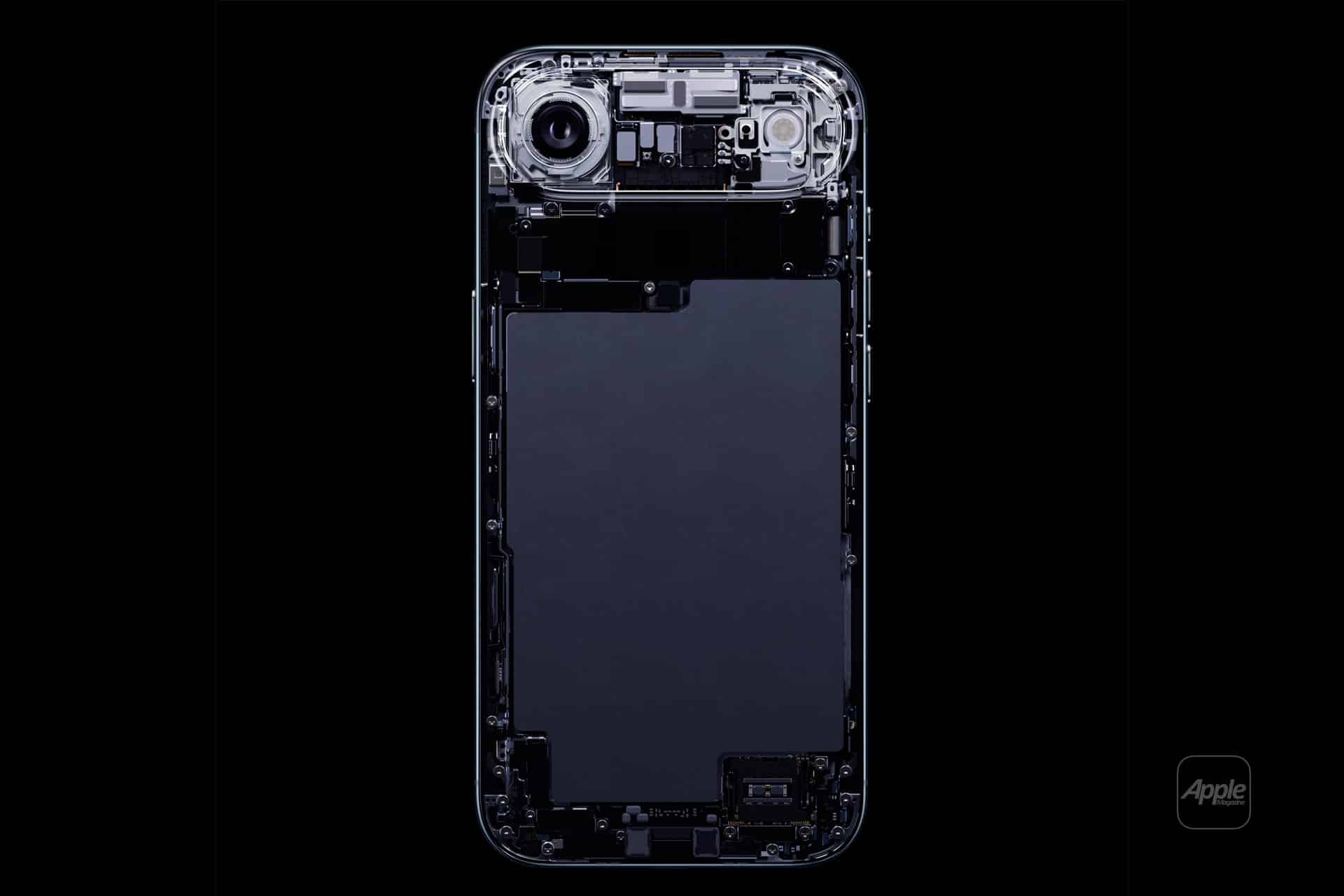
Battery life remains a concern for thin devices, but Apple’s silicon roadmap offers a clear path forward. With each generation, Apple chips deliver better performance per watt, allowing devices to last longer without larger batteries.
For the iPhone Air 2, improved efficiency could translate into reliable all-day battery life, even with a slim profile. Many users value predictability over sheer capacity, and Apple has repeatedly optimized for this balance across its lineup.
If Apple focuses on software optimization alongside hardware improvements, the Air 2 could quietly outperform expectations in real-world endurance.
Who the iPhone Air 2 Is Really For
The iPhone Air 2 is not about replacing the Pro line. It’s about serving users who want a premium iPhone that feels effortless, not overbuilt. These users care about design, comfort, speed, and reliability more than professional features they rarely use.
This audience includes professionals, students, frequent travelers, and long-time iPhone users who want a device that disappears into daily life rather than demands attention. Apple has historically succeeded when it designs for this silent majority.
If Apple addresses the Air’s earlier trade-offs while preserving its identity, the iPhone Air 2 could quietly become one of the most satisfying iPhones Apple has released — not because it does everything, but because it does the right things well.