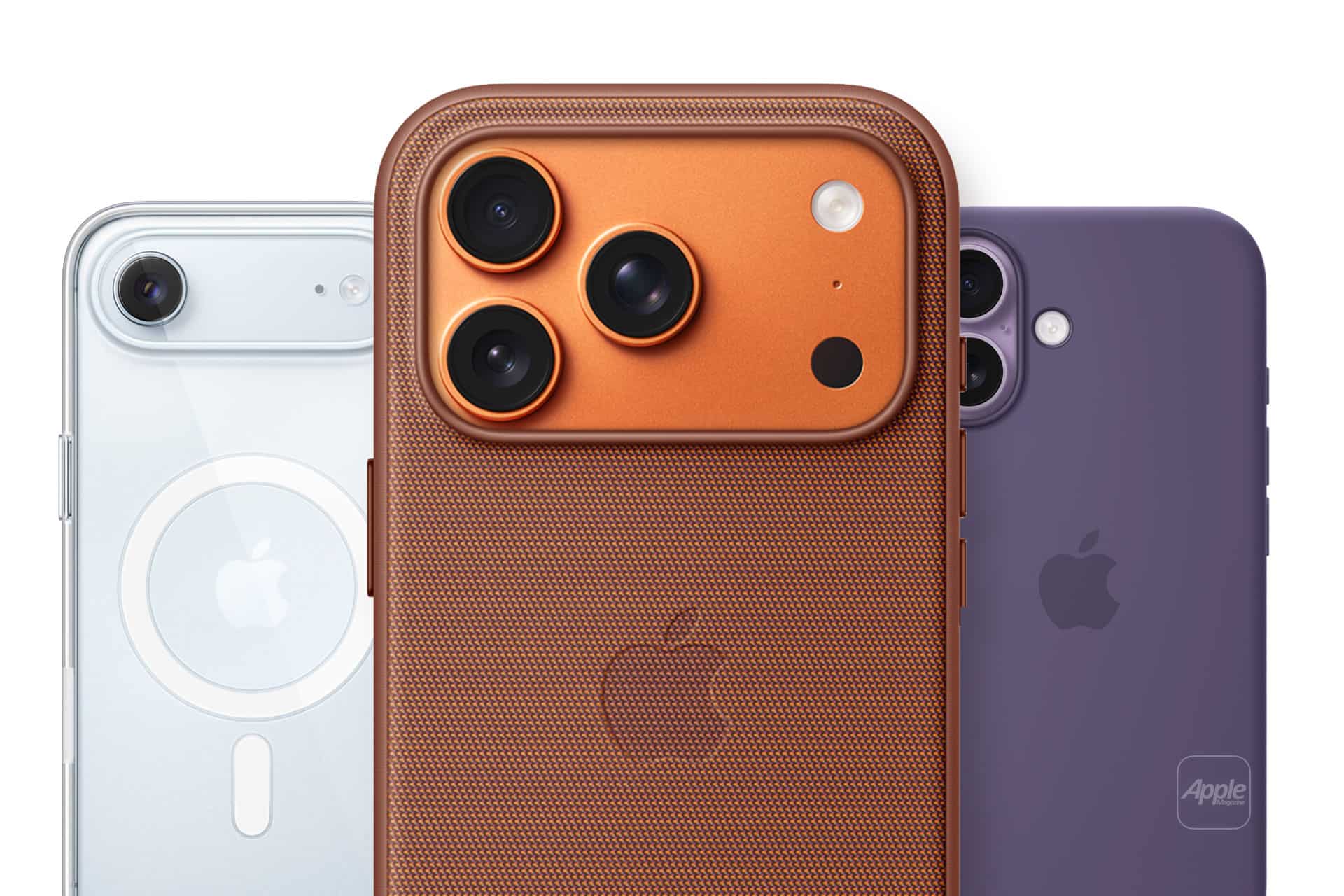
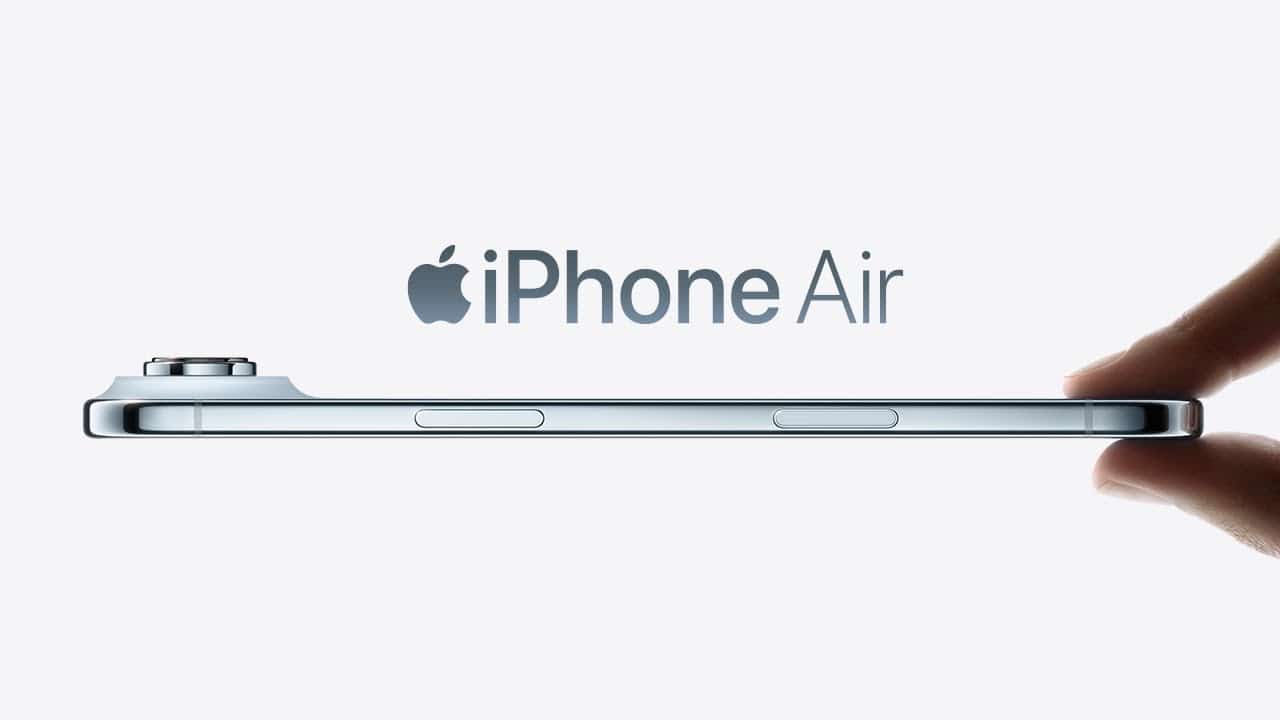
When Apple introduced the new iPhone Air, it was meant to simplify the lineup. Instead, it may have done the opposite. Positioned between the iPhone 17 and the iPhone 17 Pro, the Air arrives with a mix of premium design cues and entry-level specifications that have left even longtime users unsure where it fits.
At first glance, the Air looks like a luxury statement: titanium edges, a thin reflective frame, and a design language that feels closer to jewelry than hardware. But one look at the back — and its lone camera lens — tells a different story.
The Camera Question
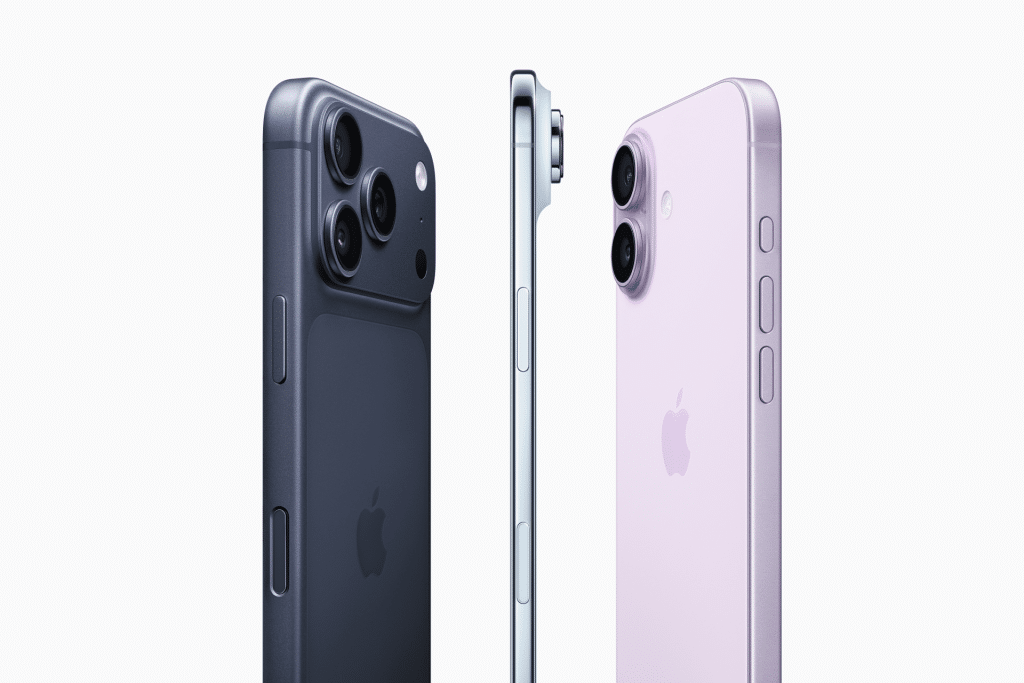
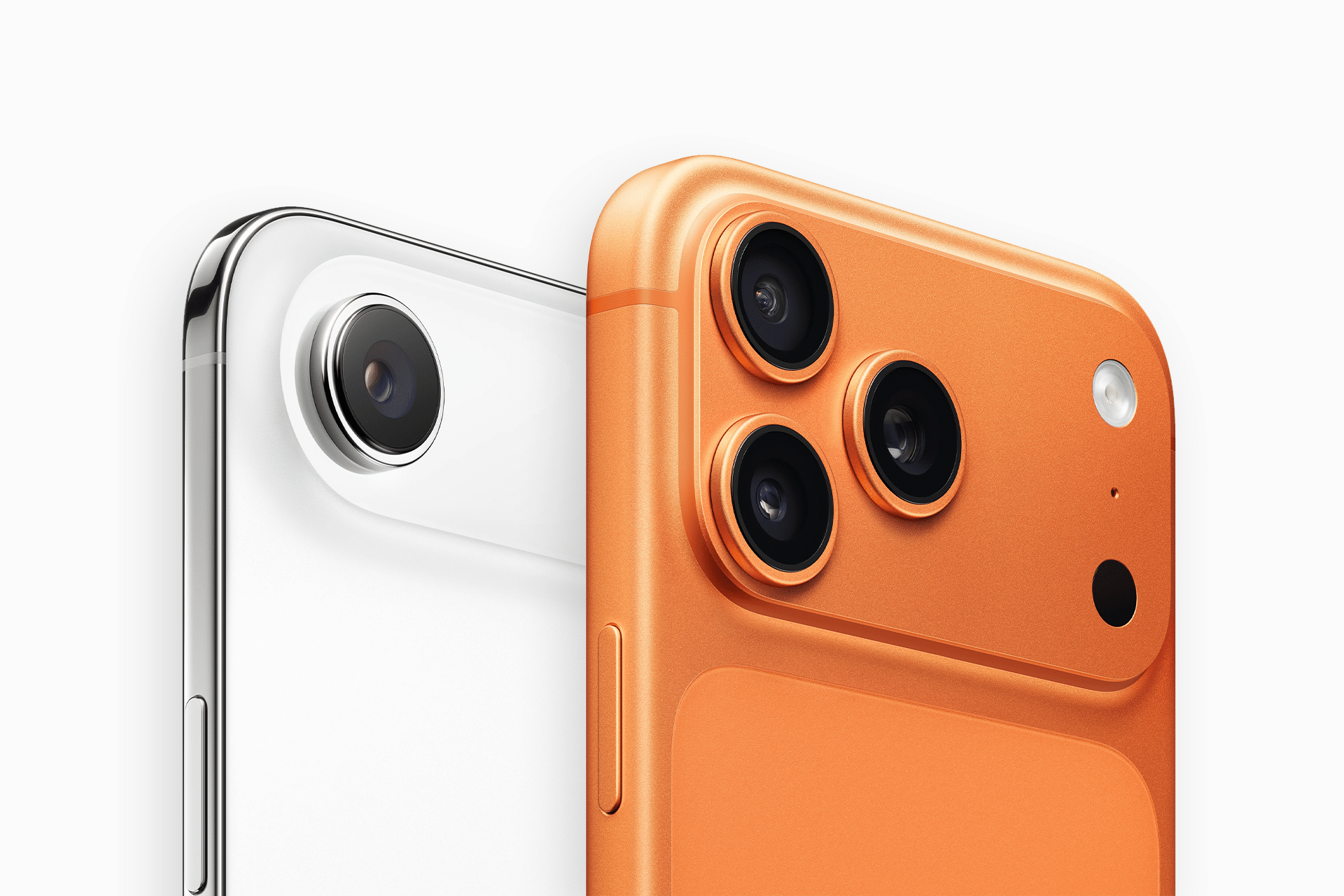
This year’s iPhone lineup makes the gap between models more visible than ever. The iPhone Air ships with a single camera, while the standard iPhone 17 carries a dual-lens setup, and the iPhone 17 Pro maintains the familiar triple-camera system that defines Apple’s highest-end phones.
For users upgrading from previous Pro models, that difference is hard to overlook. A single camera feels like a step backward — especially for anyone used to the Pro’s telephoto and ultra-wide versatility. While Apple frames the Air as a refined, minimalist device, many see its camera array as a signal that it’s effectively the new entry-level model dressed in premium metal.
And that’s the core of the confusion: the Air looks like a luxury device but behaves like the opposite.
Battery Life and the Split Between Luxury and Performance
Battery life adds another wrinkle. The Air’s smaller chassis naturally limits battery capacity, and early comparisons show it falls short of the iPhone 17 Pro, which benefits from a larger power cell and efficiency gains from the A19 Pro chip.
While Apple rarely markets battery comparisons directly, the split feels intentional — a subtle move to separate “luxury” from “performance.” For years, the Pro line represented both. Now, those priorities seem divided: the Pro for professionals and heavy users, and the Air for design-minded buyers who care more about feel than endurance.
Interestingly, the middle-ground iPhone 17 — with its dual cameras and solid battery — may emerge as the most balanced choice for most users, even if it lacks the Air’s visual polish.
The Material Paradox
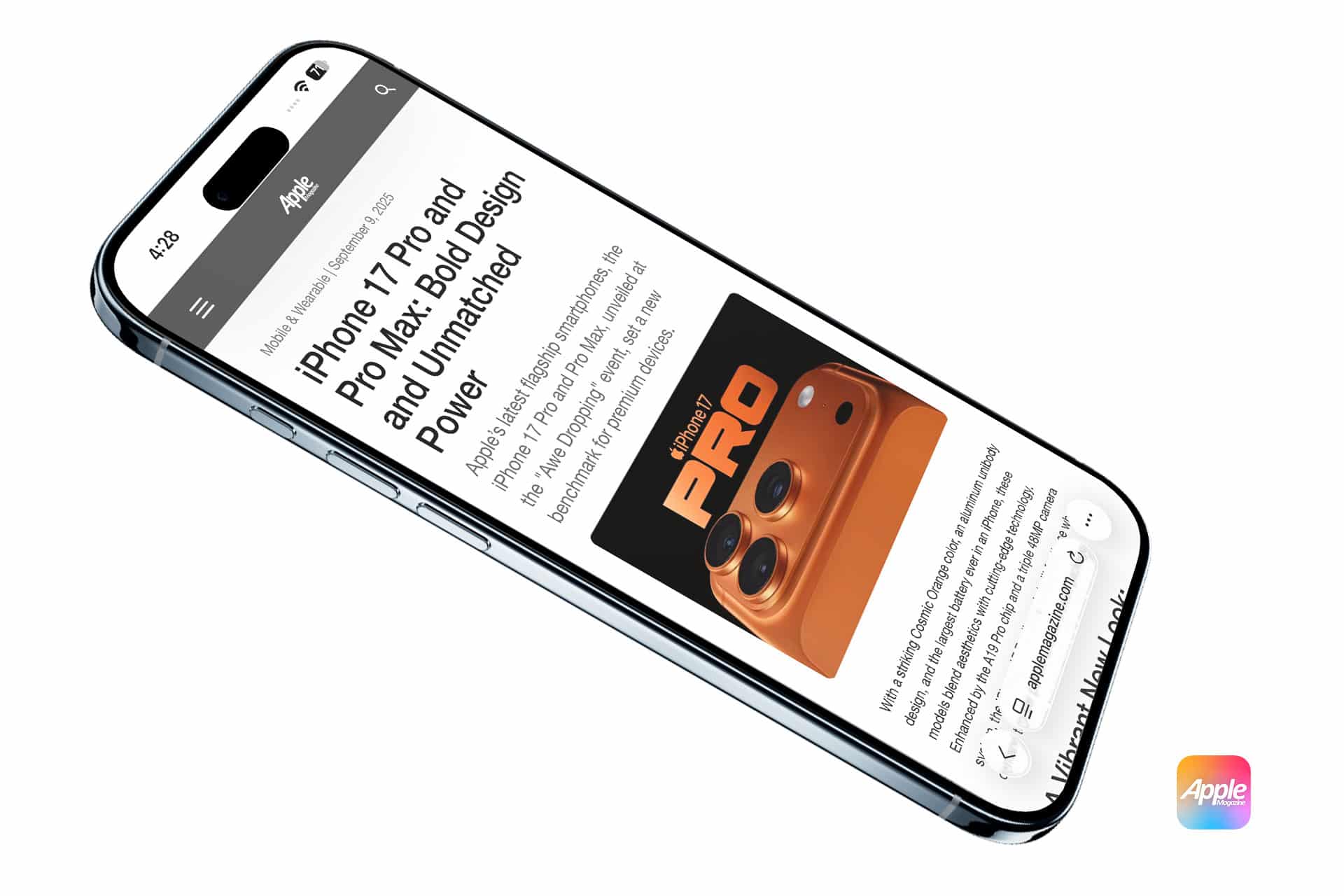
Then there’s the material debate — perhaps the most surprising twist of this generation. The iPhone 17 Pro has shifted back to an aluminum unibody, a material long associated with older, entry-tier devices. Meanwhile, the iPhone Airflaunts a titanium reflective frame, the kind once reserved exclusively for Pro models.
This swap has sparked discussion among buyers and tech enthusiasts alike. Why does the “Air” — traditionally Apple’s light and accessible line — get the premium finish, while the Pro returns to a more modest construction?
The answer likely lies in differentiation. By separating Pro materials from luxury aesthetics, Apple is rebalancing the identity of its models. Yet for loyal Pro users accustomed to having both — the best features and the best finishes — the choice has never felt murkier.
Color and Character
Apple’s color choices only deepen the divide. The iPhone 17 comes in bright, playful hues that clearly target a younger audience. In contrast, the iPhone Air arrives in muted, metallic tones — the kind of sophisticated palette once synonymous with the Pro line.
The visual contrast makes the Air feel like the natural flagship at first glance, even if its hardware doesn’t match that impression. It’s the kind of design tension that sparks long in-store debates: is the Air the new luxury iPhone, or just a dressed-up entry model?
The Unanswered Question
For many longtime users, the confusion isn’t just about specs — it’s about identity. The iPhone 17 lineup blurs distinctions that used to be clear. The Air looks premium but lacks the features that once defined high-end devices, while the Pro now feels more utilitarian, heavier, and arguably less elegant.
Upgraders coming from a previous Pro model face a tough choice: stay loyal to performance, or follow design and build quality instead. It’s a decision without a clear right answer — one that seems designed to make every choice feel like a trade-off.
And you? What’s your pick in this new lineup? The minimalist iPhone Air, the balanced iPhone 17, or the powerhouse iPhone 17 Pro? Share your take on our social media — we’d love to know how you’re navigating Apple’s most complicated lineup yet.