


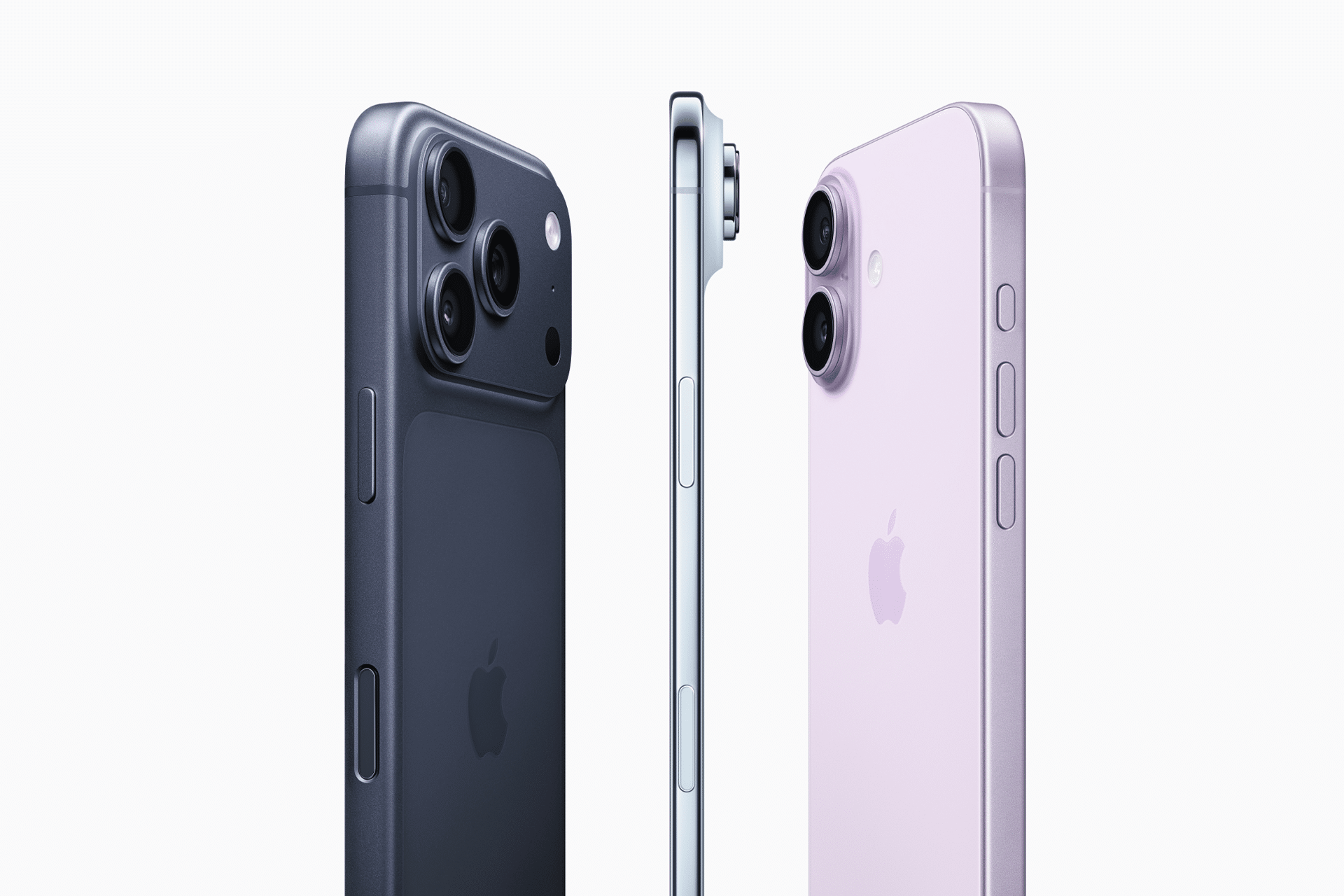
iPhone anti-theft protection may be getting a smarter Apple ecosystem upgrade, with a new report claiming Apple is developing a feature that can automatically lock an iPhone when it detects the device has been snatched from a user’s hand. The reported system would use the iPhone’s own motion sensors and could also check the distance from a paired Apple Watch, creating a more immediate layer of protection when a theft happens while the phone is still unlocked.
Apple has not announced the feature, and it should be treated as an unreleased development rather than confirmed software. Still, the idea fits naturally into Apple’s broader security model. Apple Watch can already unlock a Mac. iPhone can unlock Apple Watch. Apple devices already trust each other in specific, controlled ways. Using Apple Watch as a proximity signal for iPhone theft detection would be a logical extension of that multi-device authentication system.
The practical need is clear. Many thefts do not begin with a thief trying to guess a passcode. They begin when someone grabs an unlocked phone from a person’s hand and runs. In that moment, the device may already have access to messages, photos, banking apps, email, social accounts, passwords, and payment information. A faster lock could reduce the amount of time a thief has before the iPhone becomes protected again.
iPhone Anti-Theft Could Detect a Snatch in Real Time
The reported feature is expected to look for motion patterns that suggest an iPhone has been yanked away from its owner. The iPhone already includes sensors such as the accelerometer and gyroscope, which can detect sudden movement, direction changes, and forceful motion. Apple could use those signals to identify a grab-and-run scenario and lock the phone automatically.
That kind of detection is not entirely new in the smartphone industry. Google introduced Theft Detection Lock for Android, using on-device sensors to lock a phone when it detects suspicious movement consistent with theft. Apple’s reported version appears to follow a similar basic idea while adding an Apple-specific ecosystem layer through Apple Watch proximity.
The Apple Watch part is what makes the report more interesting. If an iPhone suddenly moves away from the Apple Watch on the owner’s wrist at the same time that the phone detects violent or unusual motion, the system could have a stronger reason to suspect the device was stolen. That would be different from simply locking whenever the phone moves quickly, which could create false positives during exercise, travel, or normal daily use.
The feature would reportedly also consider familiar locations and trusted Wi-Fi networks, the same kind of context already used by Stolen Device Protection. If the iPhone is at home or another familiar location, the system may treat the situation differently than if the phone is suddenly pulled away on a street, subway platform, store, or public space.

Apple Watch as a Security Anchor
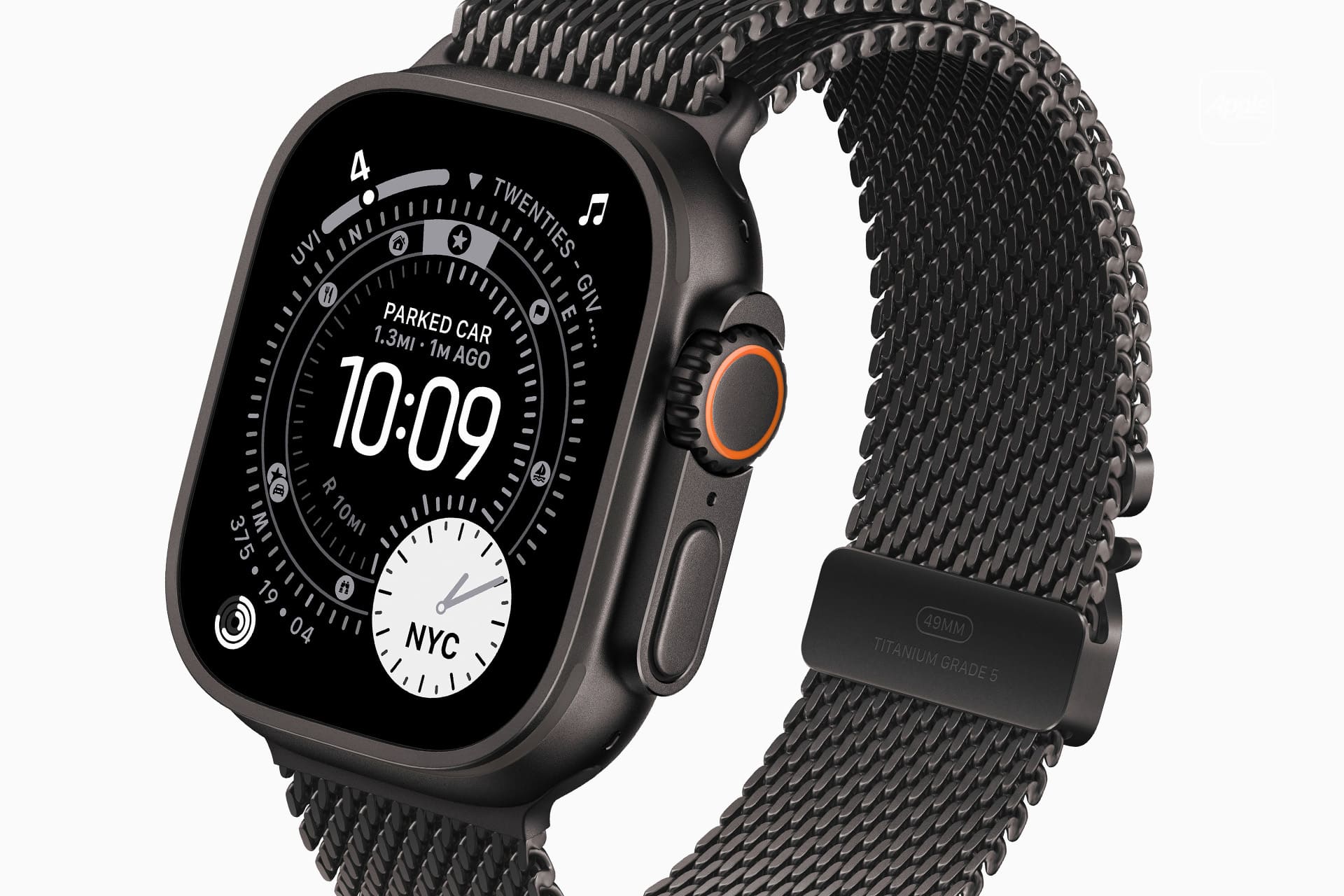
Apple Watch already functions as a trusted device in Apple’s ecosystem. It can unlock a Mac when the user is nearby and wearing the watch. It can help unlock iPhone in certain situations. It supports Apple Pay with wrist detection, meaning the watch locks payment access when it is removed from the wrist.
That makes Apple Watch a strong candidate for anti-theft logic. It is usually attached to the owner, authenticated with a passcode, and close to the iPhone during normal use. If the iPhone suddenly separates from the watch in a suspicious motion pattern, Apple can treat that distance as a meaningful signal.
This would not make Apple Watch required for every iPhone owner. The reported feature could still use iPhone sensors alone, while Apple Watch adds more confidence when available. That distinction matters because Apple cannot design core iPhone security only for people who own a watch. But for users who do wear Apple Watch, the system could become more accurate and harder to fool.
The idea also fits Apple’s larger direction. Apple security features often become stronger when multiple devices are used together. iCloud Keychain, Find My, trusted devices, two-factor authentication, Mac unlock, Apple Pay, and passkeys all depend on secure relationships between hardware, software, and account identity. An anti-snatching system tied to Apple Watch would follow that same pattern.
How It Would Build on Stolen Device Protection
The reported feature would not replace Stolen Device Protection. It would likely work with it. Stolen Device Protection already adds extra security when an iPhone is away from familiar locations, especially if someone has stolen the phone and knows the passcode.
When Stolen Device Protection is enabled, certain sensitive actions require Face ID or Touch ID with no passcode fallback. That includes accessing saved passwords, using saved payment methods in Safari, applying for a new Apple Card, erasing all content and settings, and turning off Lost Mode. Some account changes also require a security delay, making it harder for a thief to immediately lock the owner out of their Apple Account.
The weakness is timing. Stolen Device Protection is most useful after the device is already in the thief’s possession. A snatch-detection lock would act earlier, closing the window between the phone being grabbed and the thief trying to open apps, change settings, or keep the device awake.
That is the key improvement. A thief who grabs an unlocked iPhone may have only a few seconds before the screen locks automatically. If Apple can make that lock happen immediately when the snatching is detected, the iPhone becomes much harder to exploit in the most dangerous moment.
Why This Could Matter in Real Cities
Phone snatching has become a visible problem in major cities, where thieves often target people using phones near streets, stations, restaurants, or crowded public spaces. The danger is not only the value of the device. It is the amount of personal information that may be exposed when the phone is stolen while unlocked.
An iPhone can hold banking apps, email accounts, private messages, two-factor codes, photos of documents, business accounts, social media access, passwords, health data, and payment cards. A fast lock does not stop the physical theft, but it can limit the digital damage.
That is why the reported Apple Watch connection could be valuable. A normal lock timer is passive. It waits. A snatch-detection system is active. It tries to understand that something abnormal just happened and reacts before the thief can take advantage of the unlocked state.
The feature would also be easier for users to understand than many security settings. If someone steals the iPhone from your hand, the phone locks itself. If Apple Watch is still on your wrist and the iPhone suddenly moves away, that makes the system more confident. The concept is simple, even if the sensor logic behind it is complex.
The Risk of False Positives
Apple would need to be careful with false positives. People run with iPhones, hand phones to friends, drop them on couches, use them in cars, carry them on bikes, place them in bags, and move them quickly during normal life. A feature that locks too aggressively could become annoying.
That is likely why Apple would combine multiple signals. A sudden motion alone may not be enough. A sudden motion plus rapid distance from Apple Watch plus an unfamiliar location plus no familiar Wi-Fi network would be a stronger pattern. Apple could also make the feature optional or adjustable, especially if early versions are conservative.
The lock itself would also need to be recoverable for the owner. If the iPhone locks after a false trigger, Face ID, Touch ID, or the passcode should return the device to normal use. The feature should be protective without making everyday use feel fragile.
Apple’s advantage is that it controls the hardware, sensors, operating system, Apple Watch integration, location logic, and security model. That gives the company more room to make a feature like this feel polished instead of reactive.
A Natural Extension of Apple’s Device Trust Model
The most interesting part of the reported feature is not the lock itself. It is the role Apple Watch could play as proof that the owner is still nearby. Apple has spent years building small trust relationships between devices. A Mac trusts Apple Watch to unlock it. Apple Watch trusts iPhone for setup and unlocking. iPhone trusts nearby Apple devices for authentication prompts, AirDrop, Continuity, and account security.
An iPhone anti-theft system using Apple Watch proximity would turn that trust model into a real-time safety signal. The watch becomes more than a companion device. It becomes a secure anchor attached to the person.
That could point to a broader future for Apple security. AirPods, Apple Watch, iPhone, Mac, Vision Pro, and other devices could all help confirm presence, proximity, and user intent. Apple does not need to make every device into an identity token, but the more devices work together, the harder it becomes for a thief to isolate one device and take control.
For iPhone owners, the reported upgrade would not remove the need for existing protections. Users should still enable Stolen Device Protection, use Face ID or Touch ID, keep Find My turned on, avoid exposing their passcode in public, and act quickly if a device is stolen. But an automatic anti-snatching lock could become the missing first-response layer.
Apple has not confirmed when or whether the feature will launch. If it appears in a future iOS release, possibly alongside Apple’s next major software cycle, it could become one of the most practical security upgrades for iPhone in years. The best version would be invisible most of the time and immediate when it matters: the moment an unlocked iPhone is pulled away from the person wearing the Apple Watch it trusts.