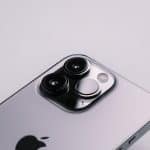
There was a time when news reached the public hours — sometimes days — after events unfolded. Coverage depended on camera crews, satellite trucks, and newsroom approvals. The visual record of history moved through controlled channels. That landscape shifted the moment high-quality cameras entered billions of pockets. The iPhone Camera did not arrive as a newsroom tool. It became one through everyday use.
Across the past fifteen years, major global events have been captured from ground level by ordinary citizens. Protests, elections, natural disasters, wars, scientific breakthroughs, sporting victories, and cultural milestones have been recorded not only by professionals but by witnesses holding an iPhone. The result is a decentralized archive of modern history.
From Institutional Coverage to Distributed Witnesses
Traditional journalism remains essential. News organizations verify, contextualize, and investigate. Yet the iPhone Camera altered the first layer of documentation. It enabled immediate visual evidence from multiple angles, often appearing online within minutes.
When events unfold unexpectedly, those present frequently record them. Social platforms amplify that footage. A single clip can circulate worldwide before official statements are issued. In complex situations, multiple recordings from different individuals create layered perspectives. This mosaic effect contributes to transparency and collective verification.
The accessibility of high-resolution video, slow motion, night capture, and stabilization in a handheld device changed expectations. Clear documentation is no longer limited to broadcast teams. It can originate from anyone present.

The Social Media Amplifier
The integration between iPhone and social platforms accelerated this transformation. Live streaming, direct uploads, and in-device editing allow footage to move from capture to publication almost instantly. This shift has influenced how audiences consume information and how journalists source initial reports.
In regions where press freedom faces restrictions, smartphone footage has occasionally provided alternative documentation. In other contexts, it has added personal perspectives to major events already covered by established outlets. The dynamic between professional reporting and citizen documentation now operates side by side.
However, immediacy also introduces challenges. Context, verification, and ethical considerations become critical when footage spreads rapidly. The presence of an iPhone Camera does not automatically guarantee accuracy. It expands access to documentation, but interpretation remains essential.
Beyond Crisis and Conflict
While dramatic moments often dominate headlines, the iPhone Camera has also preserved everyday milestones. Scientific discoveries shared from laboratories, artistic performances streamed from small venues, community celebrations, environmental observations, and personal achievements have entered the public record.
High-resolution photography and video capabilities have enabled detailed capture of wildlife, astronomical phenomena, and urban transformations. Creative storytelling through short films, documentaries, and independent journalism frequently relies on smartphone production workflows. The device has blurred boundaries between professional and personal media creation.

The Cultural Archive of a Generation
As the global installed base of smartphones expanded, the cumulative visual record grew exponentially. Billions of devices contribute images and videos daily. The iPhone Camera stands among the most widely used tools in that ecosystem.
Over time, this distributed documentation has formed a cultural archive. It includes not only moments of crisis but also expressions of resilience, creativity, and everyday life. The accessibility of advanced camera systems placed storytelling power into individual hands at unprecedented scale.
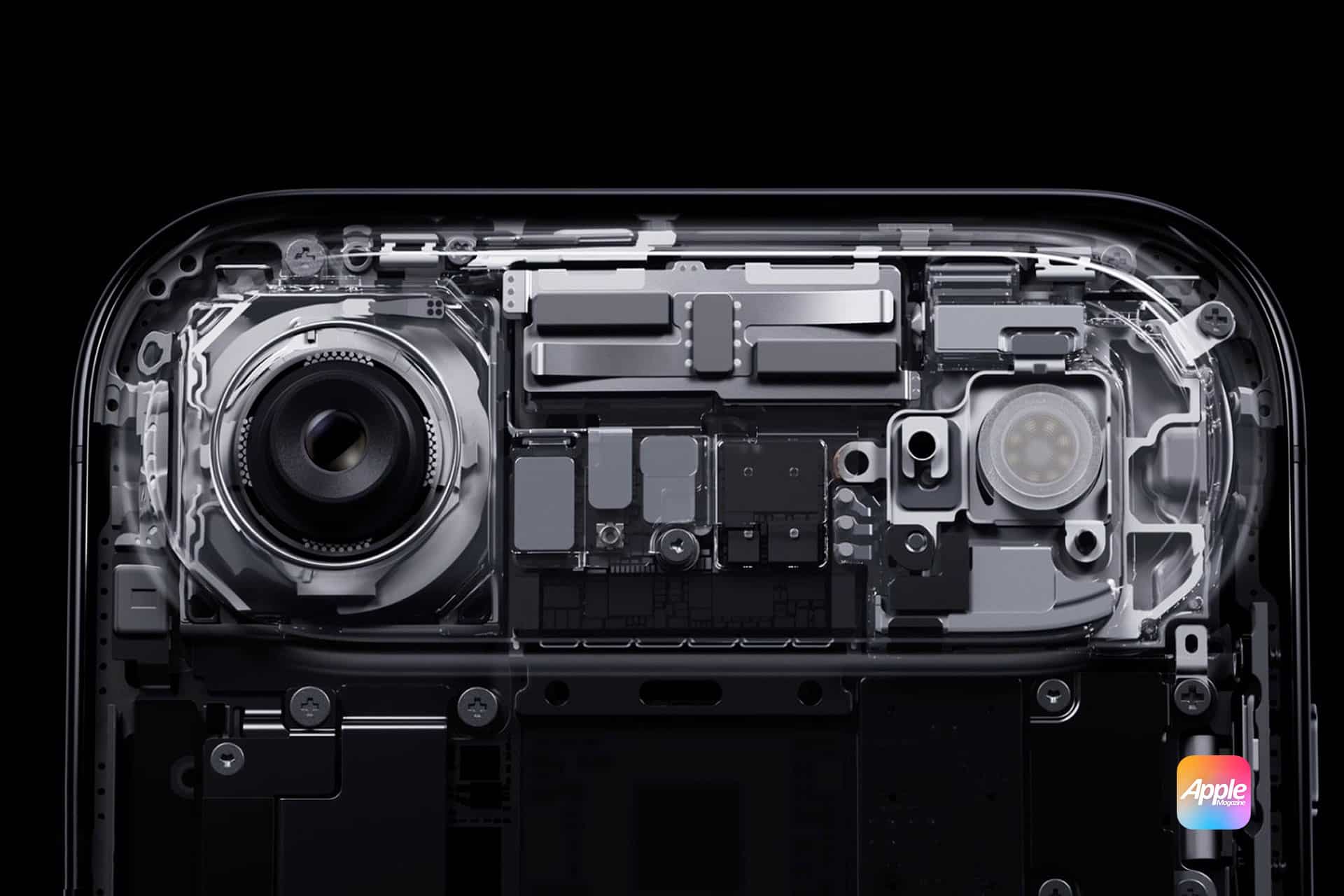
Technological advancements such as improved sensors, computational photography, enhanced low-light performance, and integrated editing tools strengthened that role. Yet the broader impact lies less in specifications and more in ubiquity. The presence of capable cameras in daily life changed expectations about who can document and how quickly documentation can circulate.
Ethics, Responsibility, and Permanence
The expansion of recording capability also raised ethical considerations. Privacy, consent, and contextual integrity remain central questions in the smartphone era. The ease of capture does not eliminate the need for thoughtful judgment. Each recorded frame can persist indefinitely in digital archives.
At the same time, widespread documentation can contribute to accountability. Multiple independent recordings often provide corroboration in disputed events. The distributed nature of modern media has influenced legal proceedings, investigative journalism, and public discourse.
A Device Embedded in History
Tracing major global events of the past decade reveals frequent references to smartphone footage. Whether capturing humanitarian crises, documenting environmental changes, or streaming cultural phenomena, the iPhone Camera has been present in countless defining moments.
It did not replace professional journalism, nor was it designed exclusively for news gathering. Its influence emerged organically through scale and accessibility. The result is a world where history is recorded not only by institutions but by individuals standing at the scene.
In that transformation, the iPhone Camera became more than a feature inside a device. It became one of the primary lenses through which contemporary society documents itself.