

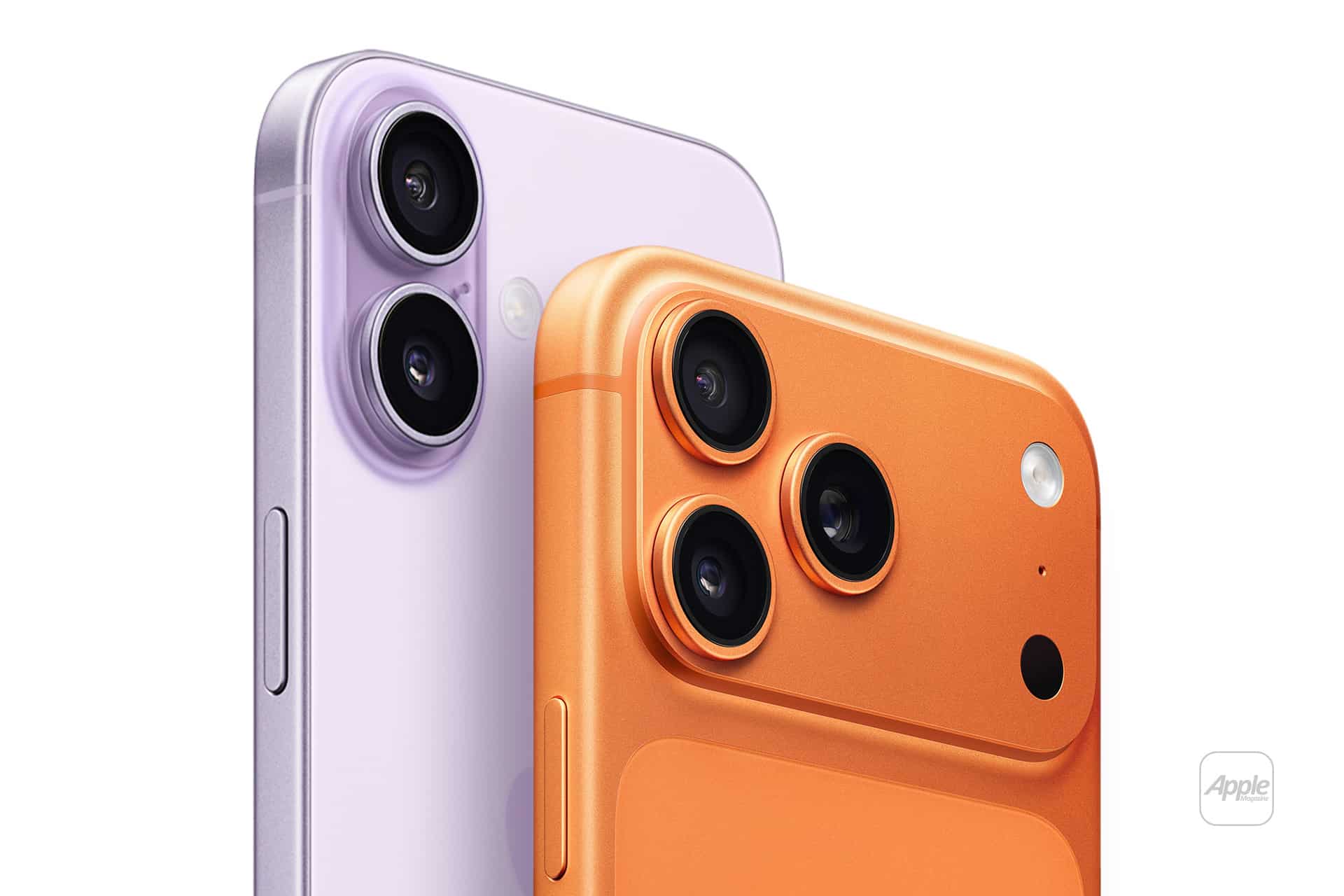
When a photo is taken on iPhone, the final image is the result of multiple processing stages that begin long before the shutter animation appears. Modern iPhone camera processing relies on a layered computational photography pipeline that blends hardware capture with real-time software analysis.
The visible photo represents the final stage of a sequence that includes sensor exposure, image signal processing, multi-frame analysis, Neural Engine enhancement, and Smart HDR stacking.
Sensor Capture and Exposure Bracketing
The process begins at the camera sensor. When the shutter button is pressed, the sensor captures multiple frames almost instantly rather than a single exposure.
The iPhone typically records:
- A primary exposure
- Additional frames at varying exposure levels
- Pre-buffered frames captured before the shutter press
These frames differ slightly in brightness and detail. Some are optimized for highlights, others for shadow retention. The sensor data is recorded in raw format before processing.
The lens and sensor hardware determine:
- Light intake
- Dynamic range potential
- Initial noise characteristics
However, the image seen in the Photos app is not simply this raw sensor output.


Image Signal Processor (ISP) Stage
After capture, the image signal processor within the Apple silicon chip begins refinement.
The ISP handles:
- Demosaicing (converting raw pixel data into color information)
- Noise reduction
- White balance correction
- Lens distortion correction
- Basic tone mapping
At this stage, the image transitions from raw sensor data into a structured image file ready for advanced computational enhancement.
The ISP works in coordination with the Neural Engine, especially in later stages.
Smart HDR Multi-Frame Stacking
Smart HDR is one of the defining components of iPhone camera processing. Instead of selecting one exposure, the system analyzes multiple frames and merges them.
The stacking process evaluates:
- Highlight preservation
- Shadow detail
- Facial detection
- Motion in frame
If a bright sky and a shaded face appear in the same scene, the pipeline merges properly exposed portions from different frames to balance both areas.
The system aligns frames at the pixel level to prevent motion artifacts. If movement is detected — such as a person walking or leaves shifting — the algorithm selects the sharpest segments from each frame.
The result is an image with extended dynamic range without the exaggerated contrast sometimes associated with traditional HDR.

Neural Engine Scene Analysis
The Neural Engine plays a significant role after Smart HDR stacking. It performs scene segmentation, identifying distinct areas such as:
- Skin tones
- Sky
- Foliage
- Text
- Animals
- Objects
Instead of applying uniform adjustments, the pipeline enhances each region independently.
For example:
- Skin tones receive targeted smoothing and tonal balance adjustments
- Sky areas may receive controlled contrast enhancement
- Text elements are sharpened differently from background textures
This stage enables features such as Deep Fusion, which focuses on mid-light detail optimization by combining multiple frames at the pixel level for texture clarity.
Low-Light and Night Mode Processing
In low-light conditions, the pipeline extends exposure duration and increases frame stacking.
Night Mode captures multiple longer exposures and stabilizes them through software alignment. The ISP reduces sensor noise, while the Neural Engine refines detail and color accuracy.
Unlike single long exposures in traditional photography, this approach minimizes blur while maintaining brightness.

Computational Detail and Final Output
After frame merging and segmentation, final tone mapping occurs. This step determines:
- Contrast balance
- Saturation
- Sharpness levels
- Color accuracy
The system then compresses the processed data into HEIF or JPEG format, depending on settings.
If ProRAW is enabled, the device stores additional image data that allows more post-processing flexibility while still applying baseline computational adjustments.
The entire pipeline completes within fractions of a second.
Why Computational Photography Defines iPhone Camera Processing
Modern iPhone photography depends less on isolated sensor size and more on real-time computational decisions. Each stage — sensor capture, ISP refinement, Smart HDR stacking, Neural Engine segmentation — contributes to the final image.
Instead of capturing a single static frame, the iPhone constructs an image from multiple exposures and algorithmic analysis.
The camera interface presents a simple shutter button. Behind it operates a layered pipeline designed to optimize dynamic range, color accuracy, detail preservation, and noise control in real time.
iPhone camera processing is not a single adjustment layer. It is a structured sequence of capture, alignment, segmentation, and enhancement that transforms raw sensor data into the finished image seen in Photos.