

iPhone cases have become more than simple protection. They are now part of Apple’s design and durability story, shaping how the iPhone looks, feels, survives daily use, connects to MagSafe, works with Camera Control, and carries Apple’s environmental choices into the accessory aisle.
That matters because the iPhone itself has become too expensive, too polished, and too central to daily life to treat protection as an afterthought. A case is the first thing many users touch after buying a new iPhone. It changes grip, color, thickness, button feel, camera protection, MagSafe strength, and how confidently the device can be carried without fear of a cracked back glass or damaged frame.
Apple’s own cases sit in a complicated place. They are designed to preserve the shape and intent of the iPhone, but they also cover the product Apple spent years refining. The best Apple case has to disappear enough to let the iPhone remain the star, while still doing enough to justify its price and protect the device from real daily use.
iPhone Cases as Part of Apple Design
iPhone cases are design objects because Apple treats them as extensions of the device. The company’s official Silicone Case, Clear Case, and woven-material cases are not only cut to fit the iPhone body. They are built around MagSafe alignment, button behavior, camera openings, grip, color matching, and compatibility with newer hardware features.
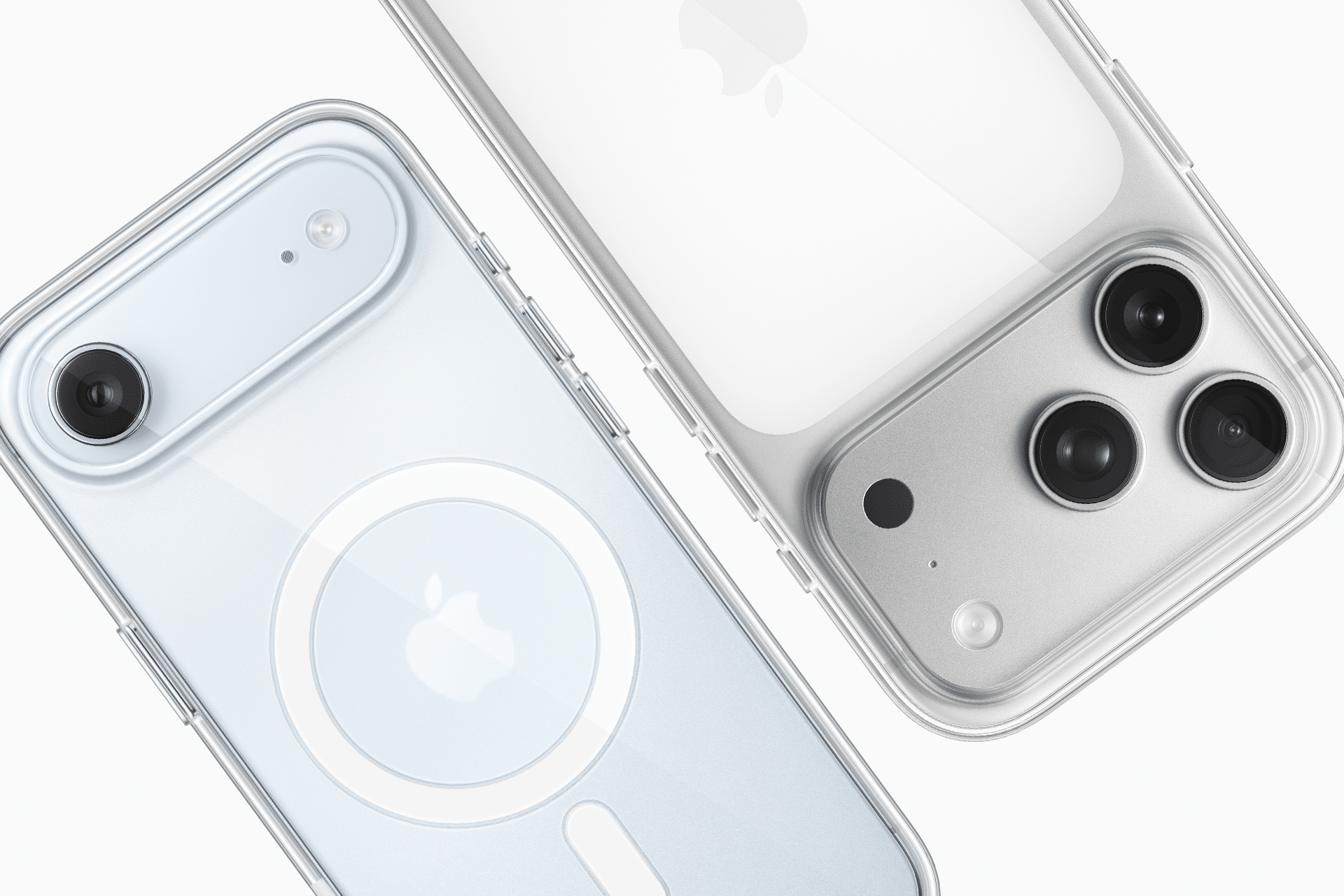
That became more important with Camera Control. Apple’s recent Clear Case designs include a sapphire crystal coupled to a conductive layer so finger movements can pass through to Camera Control. That is a small detail, but it shows how case design now has to participate in the iPhone’s interface rather than simply wrap around it.
A third-party case can protect the phone well, but Apple’s own cases are usually meant to feel native to the device. The buttons are expected to click cleanly. The camera area needs to fit precisely. MagSafe accessories should align correctly. The case should not interfere with wireless charging, wallets, stands, battery packs, or mounts.
That integration is part of the Apple story. The case becomes another piece of hardware-software design, even when it looks simple. A poorly designed case can make a premium iPhone feel cheaper by weakening the button feel, making MagSafe unreliable, blocking gestures, or adding bulk in the wrong places.

The Case Protects the Product and the Experience
Protection is the obvious reason to buy a case, but durability now means more than preventing a cracked screen. A case also protects resale value, reduces cosmetic wear, improves grip, keeps the camera plateau from sitting directly on surfaces, and gives users more confidence in everyday handling.
That confidence matters because iPhone is constantly exposed. It moves from pocket to table, car to desk, gym to kitchen, bedroom to airport, and hand to sidewalk. Apple can make the glass stronger and the frame more durable, but the most common protection layer is still the case.
A good case turns the iPhone into a more usable object. It can make a slippery finish easier to hold. It can soften the sharpness of certain edges. It can make the device feel more secure while taking photos, walking outside, using Apple Pay, or handing the phone to someone else.
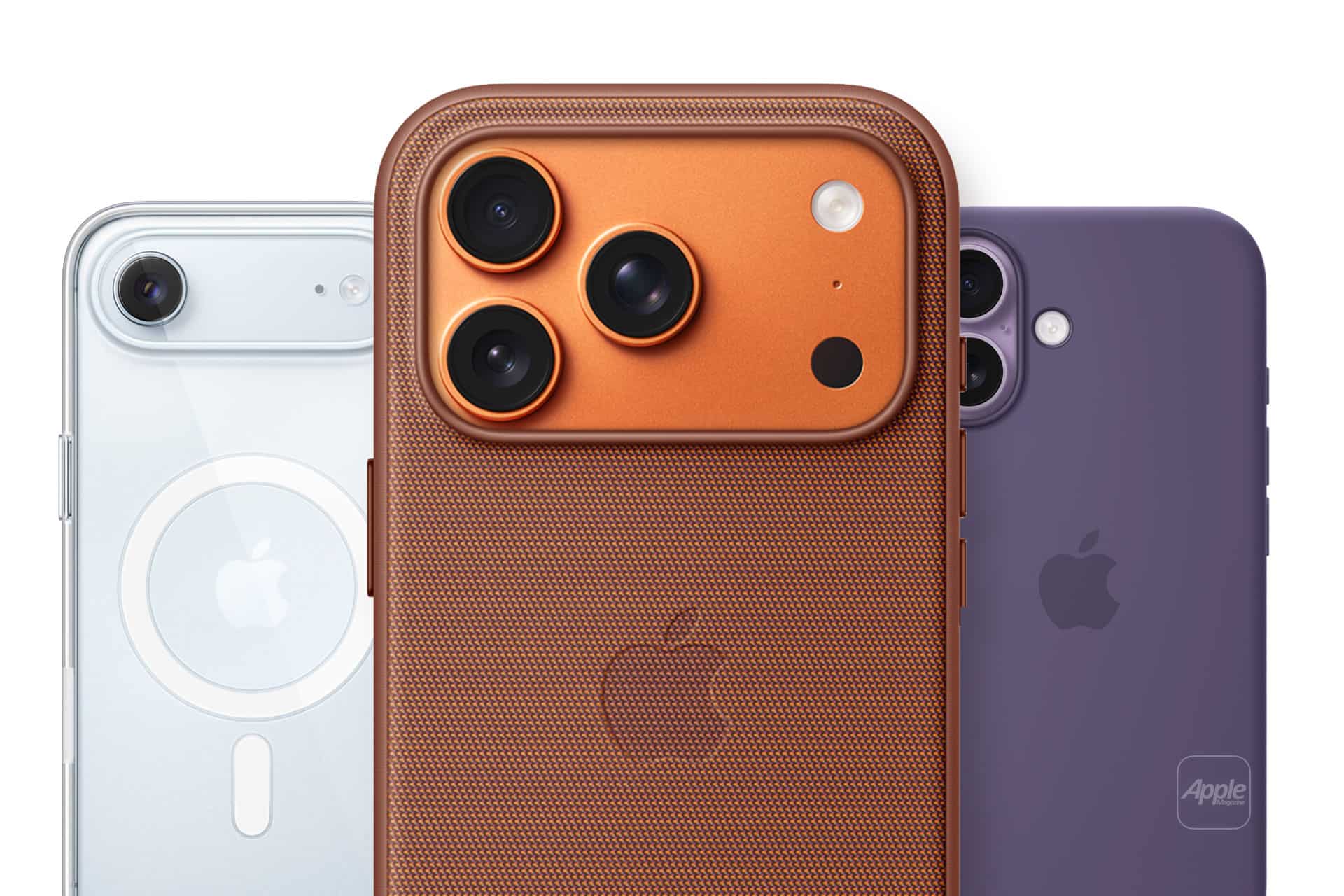
The trade-off is that a case also hides some of Apple’s industrial design. Many users buy a color they love, then cover most of it immediately. Apple’s Clear Case exists partly to solve that tension, letting the iPhone’s finish remain visible while adding protection. Silicone and woven cases go in the opposite direction, turning the iPhone into a color-coordinated accessory.
Clear, Silicone, and Woven Materials Tell Different Stories
Apple’s Clear Case is the most direct answer for users who want to show the iPhone color. Apple describes recent Clear Case models as thin, light, easy to grip, and made from a blend of optically clear polycarbonate and flexible materials. It is the least visually intrusive option, but clear cases can show scratches, dust, fingerprints, and discoloration more obviously over time.
The Silicone Case is Apple’s softer and more familiar option. It gives the iPhone a smoother grip, more color choices, and a warmer feel than hard plastic. Silicone can also collect lint, wear at corners, and become shiny with use, but it remains one of Apple’s most recognizable case materials because it balances comfort and simplicity.
Apple’s woven-material story has been more complicated. FineWoven was introduced as a leather replacement with environmental benefits, but the material drew criticism for visible wear, scratches, staining, and poor long-term appearance. Apple’s cleaning guidance now refers to FineWoven and TechWoven material together, warning users to keep those cases away from prolonged intense sunlight, heat, and humidity, and noting that water, oil, makeup, and dyed materials can stain them.
That history shows how difficult Apple’s accessory design has become. A case has to feel premium, age well, protect the device, support MagSafe, avoid leather for environmental reasons, and still satisfy customers who remember how Apple’s old leather cases developed a patina over time. Replacing leather was not only a sustainability decision. It was a durability and perception challenge.
MagSafe Made Cases More Important
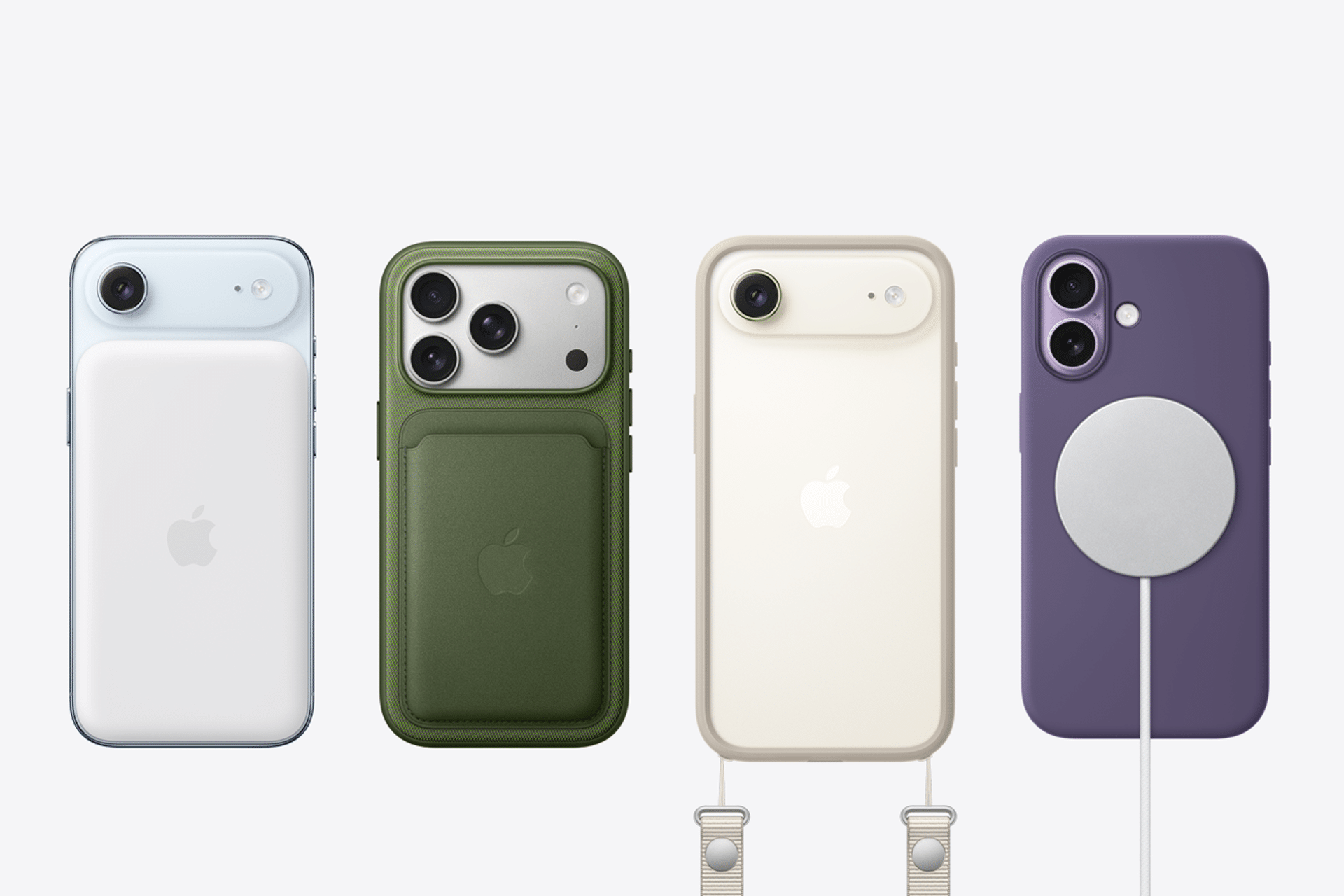
MagSafe changed iPhone cases by making alignment part of the product. A case is no longer only a shell. It needs to work with chargers, wallets, stands, car mounts, battery packs, grips, and other magnetic accessories. Weak alignment or poor magnet placement can make the iPhone feel less reliable even if the phone itself works perfectly.
Apple’s official MagSafe cases are designed around that system. When the case snaps into place correctly, accessories attach in the right position and wireless charging behaves as expected. This is one of the strongest arguments for using a case built specifically for the iPhone model, rather than a generic case with approximate dimensions.
MagSafe also changed the visual language of cases. The magnetic ring is often visible inside clear cases and hidden inside silicone or woven designs. It became a small symbol of the iPhone accessory ecosystem, making the case part of the larger system of chargers, wallets, mounts, and stands.
For Apple, this is valuable because a MagSafe case keeps users inside the accessory ecosystem. A person who buys a MagSafe case may also buy a wallet, charger, stand, or car mount. The case becomes the first step into a wider accessory habit.
Durability Includes Cleaning and Aging
Apple’s official cleaning guidance makes clear that cases age differently depending on material. For silicone, clear, polycarbonate, or thermoplastic polyurethane cases, Apple recommends removing the iPhone and wiping the outside and inside with a soft, slightly damp, lint-free cloth. Apple warns against window cleaners, household cleaners, aerosol sprays, solvents, ammonia, abrasives, and cleaners containing hydrogen peroxide.
That guidance matters because many users try to fix stains, yellowing, or marks with stronger products. Harsh cleaners can damage materials, affect coatings, or make the case look worse. Clear cases in particular can become frustrating when they age because users expect them to remain invisible, but every scratch or color shift becomes visible.
Woven cases need even more care. Apple says FineWoven and TechWoven materials should be kept away from prolonged intense sunlight, heat, and humidity, and that exposure to water, oil, makeup, and dyed materials such as denim can stain them. That is a practical warning, but it also shows the tension between a premium tactile material and the messy reality of pockets, bags, jeans, hands, desks, and daily use.
A case is supposed to protect the iPhone, but users also expect the case itself to remain attractive. If the case wears too quickly, the accessory becomes a weak point in Apple’s design story. That is why case durability matters beyond repair protection. It affects how the iPhone feels months after purchase.
Cases as Fashion, Utility, and Insurance
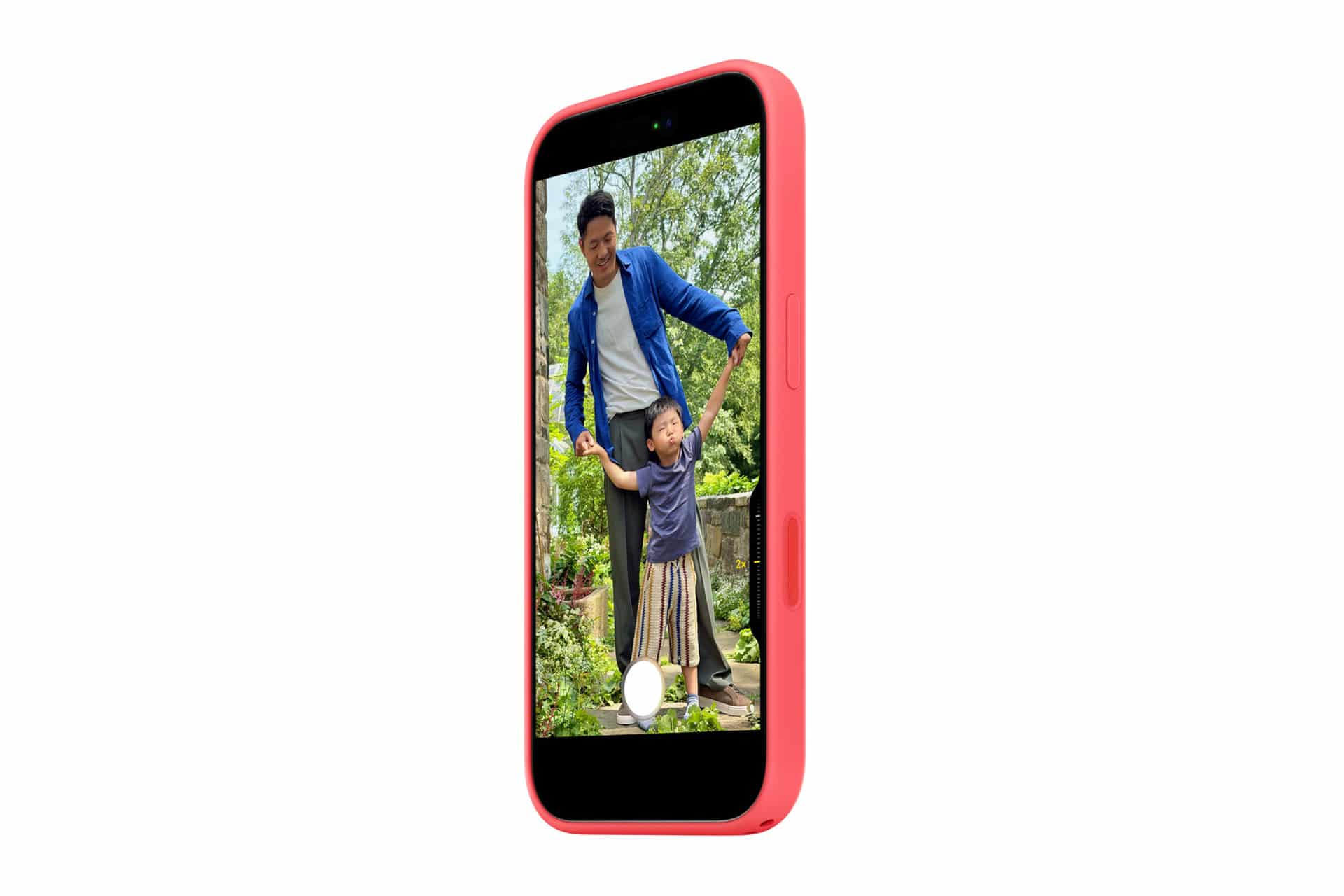
An iPhone case now serves three roles at once. It is a design accessory, a functional tool, and a form of everyday insurance. The color can match a season, outfit, Apple Watch band, MagSafe wallet, or personal style. The material can change grip and comfort. The protection can reduce the chance of expensive repairs.
This combination gives Apple a strong accessory business because cases are replaced more often than iPhones. A user may buy one case at launch, another color later, and another after the first one wears down. Apple can refresh the lineup with seasonal colors and new materials without changing the iPhone itself.
Cases also let Apple extend the product story. A blue iPhone can become a contrasting silicone case. A colorful iPhone can stay visible in a clear case. A Pro model can take on a softer texture through a woven case. The device becomes more personal while still remaining recognizably Apple.
The challenge is value. Apple’s cases are usually more expensive than many third-party options. Users expect precision, materials, durability, and integration to justify the difference. When the case performs well, it feels like part of the iPhone. When it scratches, stains, yellows, or wears too quickly, the premium price becomes harder to defend.
Why Apple Cases Matter More Than They Seem
iPhone cases matter because they are where Apple’s design ideals meet real life. The iPhone can be thinner, brighter, faster, and more refined every year, but the case determines how the device survives pockets, hands, tables, bags, and accidents. It is the layer between Apple’s perfect product photography and the daily reality of ownership.
That makes cases part of the durability story. Apple can promote stronger glass, water resistance, aluminum or titanium frames, Ceramic Shield, and repair options, but most users still rely on a case to make the phone feel safer. The accessory becomes the most visible expression of how people actually protect a device they use constantly.
It also makes cases part of the design story. Apple’s official cases are judged not only by drop protection, but by whether they respect the iPhone’s shape, support its controls, preserve its color, work with MagSafe, and age in a way that feels acceptable for the price.
The iPhone case may be the simplest product Apple sells beside the iPhone, but it carries a lot of responsibility. It protects the device, changes the feel, participates in MagSafe, supports new hardware controls, reflects Apple’s material choices, and quietly shapes how the iPhone is experienced every day.