

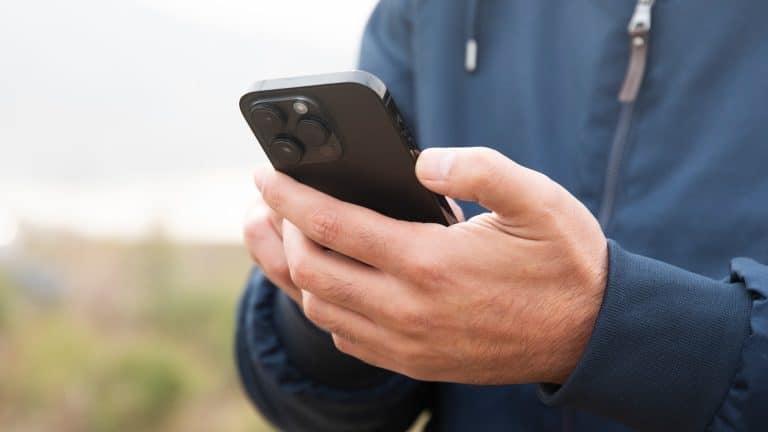
iPhone dead zones may become less common over the next few years as Verizon, AT&T, and T-Mobile move toward a shared effort to improve coverage in rural and remote areas. The three largest U.S. wireless carriers have agreed in principle to form a joint venture using satellite-based direct-to-device technology and pooled spectrum resources, aiming to reduce the coverage gaps that still affect roads, farms, national parks, mountain routes, coastal areas, and smaller communities.
The proposal is still early and depends on final agreements and closing conditions. Even so, the direction is important. Instead of each carrier treating off-grid service as a separate competitive project, the companies are exploring a common platform that could help satellite providers connect ordinary phones more consistently when traditional towers are unavailable.
That fits into a path Apple already started with iPhone. Emergency SOS via satellite gave supported iPhones a way to contact emergency services without cellular or Wi-Fi. Apple later expanded that layer with roadside assistance, Find My location sharing, and Messages via satellite in supported regions. Those features are still limited and situational, but they changed the expectation around what an iPhone can do when the network disappears.
The carriers’ plan points to a broader future. Off-grid communication may slowly move from a specialized emergency feature into a normal part of mobile service. The first versions are likely to focus on texting, alerts, and limited data, not full-speed internet. That still matters. A message that gets through from a rural highway or hiking trail is far more useful than a faster network that exists only in cities.


iPhone Already Prepared Users for Off-Grid Messaging
Apple’s current satellite features gave mainstream users a first version of direct-to-device communication. iPhone 14 and later models can connect to satellites for specific functions when no cellular or Wi-Fi service is available. The interface guides the user to point the device toward a satellite and stay connected long enough to send essential information.
That design is important because off-grid connectivity does not behave like ordinary 5G. It usually works best outdoors with a clear view of the sky and horizon. Buildings, mountains, dense trees, and indoor locations can interfere with the signal. Messages may take longer to send. Availability depends on device model, region, software version, and service support.
Apple has already trained users to understand those limits. Satellite features on iPhone are powerful, but they are not meant to replace normal mobile networks. They are a fallback when there is no better option.
A carrier-backed platform could make that fallback more widely available. Verizon, AT&T, and T-Mobile said the planned venture would pool limited spectrum resources, create common technical specifications, and help satellite providers reach customers through a more unified structure. Existing satellite partnerships are expected to continue, meaning the project would not erase current deals with companies such as SpaceX’s Starlink Mobile or AST SpaceMobile.
That structure could reduce fragmentation. T-Mobile has worked with Starlink. AT&T and Verizon have worked with AST SpaceMobile. Amazon has moved into the category through its agreement to acquire Globalstar, the company behind Apple’s current iPhone satellite services. A shared carrier platform could make support more consistent across devices and networks, instead of leaving users to wonder which provider, plan, or satellite partner applies.
For iPhone, the best version is the simplest one: the device stays reachable more often, and the user does not need to understand which satellite company made it possible.
Texting Comes First, Full Internet Comes Later
The next stage of off-grid mobile service should be understood carefully. Direct-to-device systems are not going to make every rural area feel like a strong 5G zone overnight. Ordinary phones have small antennas and limited power. Satellites are moving far above the ground. Capacity has to be shared across wide areas. Weather, terrain, device orientation, and local regulations can all affect the experience.
That is why text and emergency functions come before full internet. A short message, location update, or alert requires much less bandwidth than a video call, FaceTime session, game stream, or app download. Early services can still be valuable even if they feel slow compared with normal cellular.
Apple’s current approach reflects that reality. Emergency SOS via satellite is designed for urgent situations. Messages via satellite supports essential texting when cellular and Wi-Fi are unavailable. Find My can share location by satellite in supported regions. Roadside Assistance via satellite helps stranded drivers contact service partners where available.
The carriers’ joint venture could extend that idea beyond Apple’s own safety layer. Over time, direct-to-device service may support broader messaging, selected apps, voice, and richer data. That will depend on satellite capacity, spectrum coordination, device support, carrier plans, and whether the experience can remain simple enough for regular users.
The practical expectation should be gradual improvement, not instant transformation. The first win is not watching a movie in the mountains. It is sending a message, sharing a location, or requesting help where the phone used to show nothing.


Apple Watch and CarPlay Could Benefit Next
A stronger off-grid network layer could eventually make Apple Watch and CarPlay more useful in places where cellular coverage remains uneven. Apple Watch already plays a safety role through fall detection, crash detection, Emergency SOS, health notifications, workouts, location, and quick communication. If future models gain deeper direct-to-device support, the Watch could become more dependable for runners, cyclists, hikers, rural workers, travelers, and people who may not always have an iPhone in hand.
Apple has not turned Apple Watch into a full satellite product in the same way iPhone supports satellite features today. Still, the direction of the market makes the possibility more important. A wearable that can send an emergency message or location update outside tower coverage would fit naturally into Apple’s health and safety story.
CarPlay is another obvious surface. Dead zones are most frustrating on the road. A route may pass through highways, forests, valleys, rural towns, and mountain areas where coverage drops without warning. Maps, Messages, calls, roadside help, and family location sharing all become more valuable when basic connectivity survives beyond tower range.
Off-grid service will not replace offline maps, and it will not make every road fully connected. But it can become a safety net. A driver who loses cellular service could still have a path for a short message or help request if the vehicle is stopped outside with a clear sky view.
That makes the carrier project part of a larger connectivity story around Apple devices. iPhone already moves between Wi-Fi, 5G, Bluetooth, Ultra Wideband, NFC, Thread, and satellite features. The more reliable that network mix becomes, the more dependable the ecosystem feels outside the home, office, and city.
The Carriers Are Protecting Their Role
The planned joint venture is also a business move. Verizon, AT&T, and T-Mobile are not only trying to improve rural service. They are trying to shape the next layer of mobile coverage before satellite companies define it on their own.
SpaceX, AST SpaceMobile, Amazon, Globalstar, and other providers are building systems that could eventually make satellites a normal part of phone connectivity. If those companies control the customer relationship directly, traditional carriers risk losing influence over one of the most important upgrades to wireless service in decades.
A shared carrier platform gives the wireless companies a way to remain central. They can coordinate spectrum, define technical standards, integrate satellite coverage into existing plans, and make off-grid service feel like part of the customer’s normal wireless account rather than a separate satellite subscription.
That could also help Apple. The iPhone experience improves when carriers, device makers, and satellite providers align around consistent behavior. Fragmented support creates confusion. One carrier may support a feature, another may not. One device may qualify, another may not. One satellite partner may work in one region but not another. A more unified framework could make future features easier to explain and easier to use.
The unknowns remain significant. The companies have not yet launched the venture. Pricing, coverage, compatible devices, supported features, rollout timing, and regulatory details all still matter. Users should not expect every dead zone to disappear immediately.
Still, the agreement in principle shows that the carriers now see off-grid coverage as a shared infrastructure problem, not just a marketing add-on.
The iPhone Is Becoming a More Resilient Device
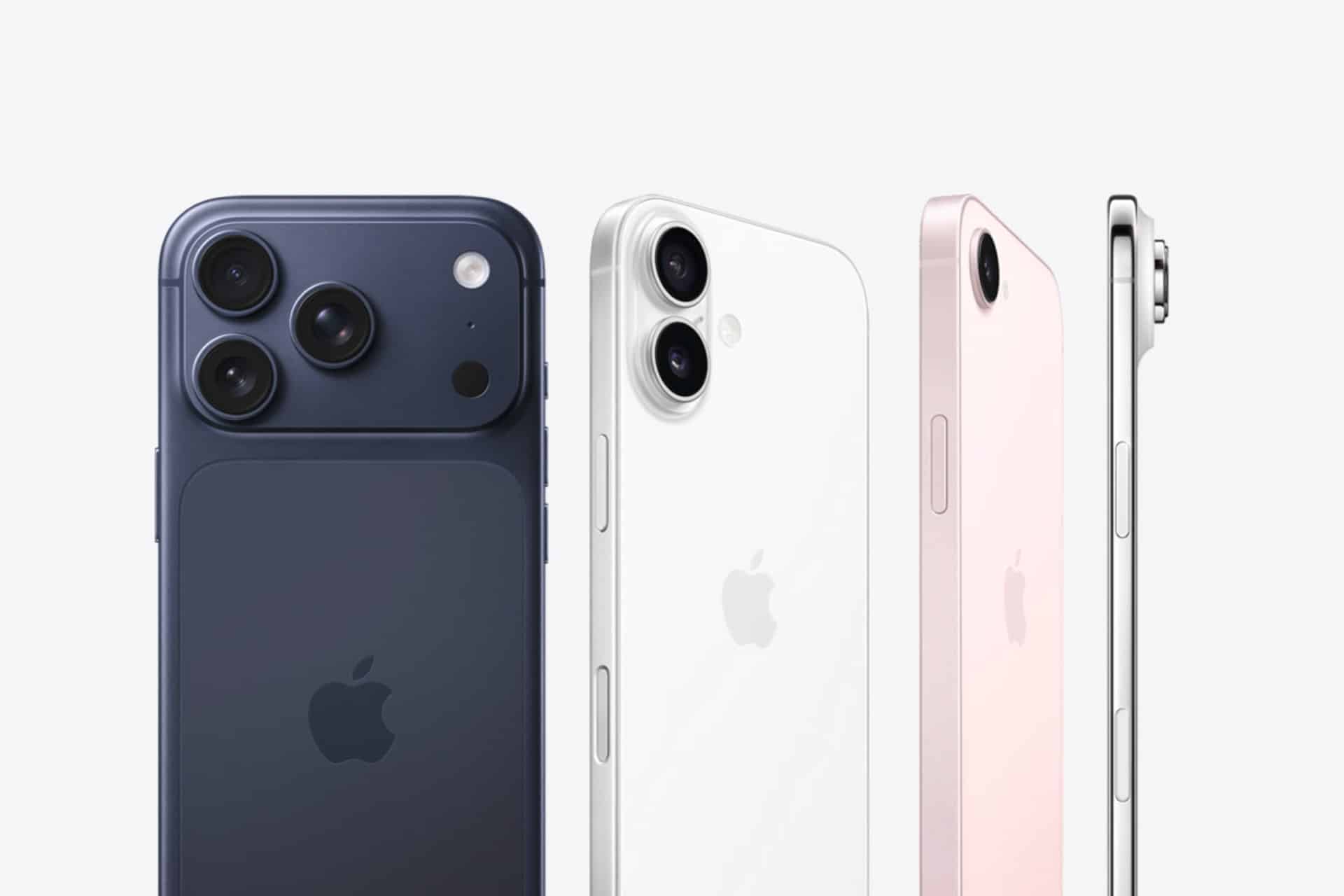
The larger story is not only rural coverage. It is resilience. The iPhone has become a wallet, camera, car key, travel companion, emergency device, health hub, authenticator, map, communication tool, and family-location device. When the signal disappears, many of those functions become weaker at the same time.
That is why direct-to-device service has more importance than another speed upgrade in places already covered by strong 5G. Faster networks in cities are useful, but basic communication in uncovered areas can be life-changing. A single message from a remote road can matter more than another benchmark increase downtown.
Apple started this shift by making satellite features understandable for regular users. The carriers now want to build a broader wireless layer around the same idea. If both paths mature, “No Service” could become less common and less absolute.
The rollout will take time. Some places will remain difficult. Indoor use may stay limited. Data speeds may remain modest. Service may depend on plan support and device generation. Even with those limits, the direction is clear: the phone is moving toward a future where being outside tower range does not always mean being unreachable.
That future fits the iPhone well. Apple’s strength is not only adding technology, but making it feel calm and useful. Emergency SOS via satellite already showed how complex satellite communication can become a guided iPhone experience. A broader carrier-backed system could take the next step, making off-grid reach feel less like a special feature and more like part of the device’s normal safety net.
Dead zones will not vanish all at once. But the next few years could make them smaller, less frequent, and less stressful. For a device that people depend on almost everywhere, that may become one of the most meaningful connectivity upgrades since 5G.