The iPhone’s story begins with Steve Jobs introducing a device that redefined how people interacted with mobile technology. Its 3.5-inch display and aluminum back made it distinct, and the touchscreen interface became the foundation of every generation that followed. Early adoption started gradually but accelerated as more carriers joined the lineup globally, turning the iPhone from a niche device into Apple’s central product.
As the line expanded, the iPhone 4 marked one of the most influential turns. With flat glass surfaces and a stainless-steel band, it introduced a sharper visual identity and the first Retina display. This model accelerated global sales significantly as Apple entered new regions, and its recognizable frame continues to influence modern iPhone silhouettes. The antenna placement created challenges, yet the overall design helped solidify the iPhone’s status as a premium device in the early smartphone era.
Later generations like the iPhone 5 and 6 shifted the product into broader mainstream adoption. The iPhone 5 introduced a taller display while keeping the device light and precise, and the iPhone 6 moved toward curved edges and larger screens at a time when consumers increasingly favored bigger devices. This generation marked one of Apple’s highest early adoption cycles, with sales driven by users transitioning from older smaller-screen devices to the new, more spacious format.

How Iconic Redesigns Shaped Adoption Across Generations
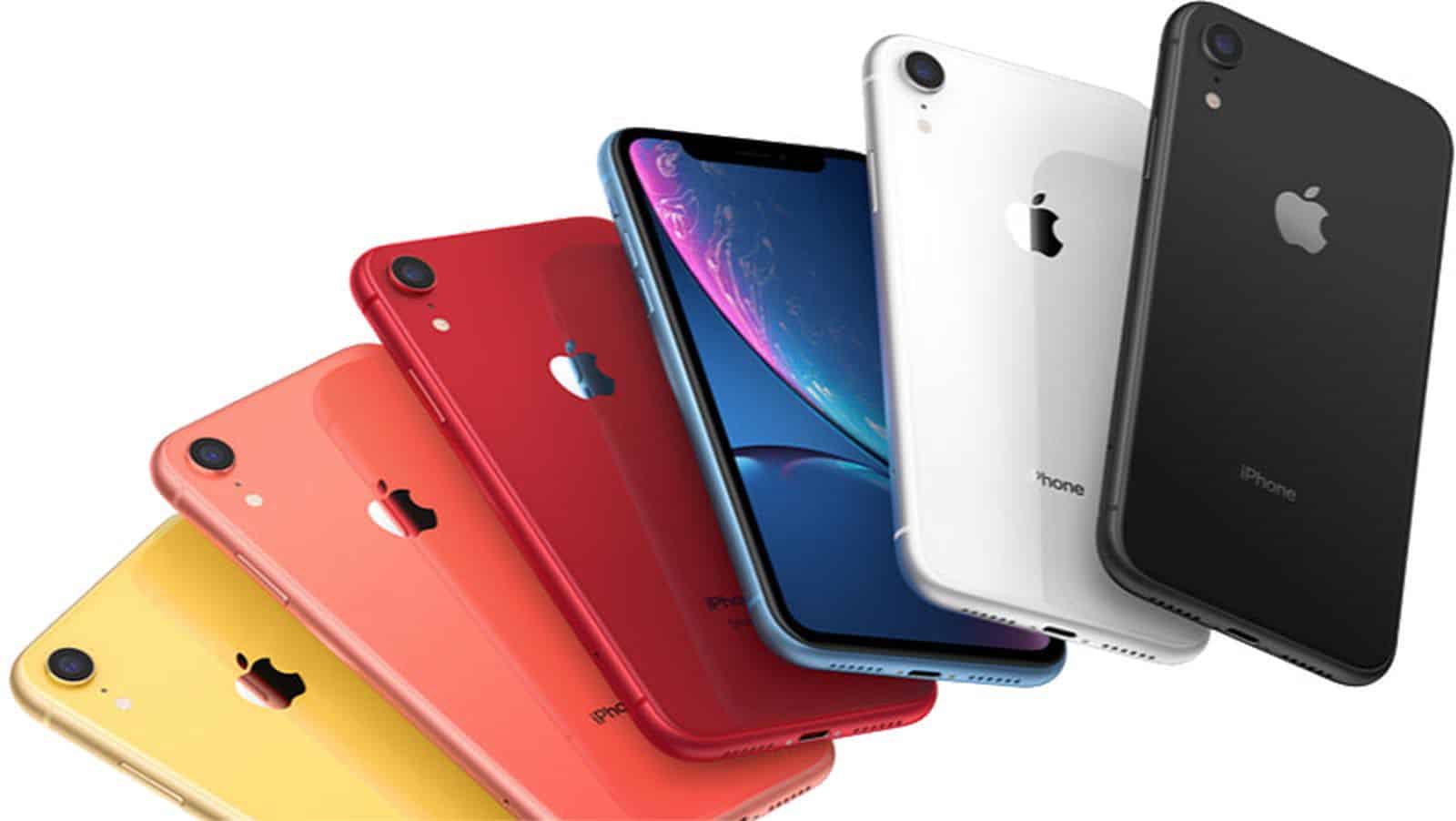
Years later, the iPhone X became the next major step in the timeline. It removed the Home button, introduced Face ID and delivered an edge-to-edge OLED display. The shift to gesture navigation changed how the phone was used, and the redesign helped create one of Apple’s strongest upgrade waves as customers moved from familiar layouts to what would become the modern iPhone standard.
As Apple transitioned into the Pro era, cameras grew central to product identity. Multi-lens systems, improved sensors and advanced processing broadened the device’s role from communication tool to creative instrument. The introduction of triple-camera arrays on higher-end models sparked interest among users focused on photography and video, and these generations consistently drove strong adoption cycles. Materials also evolved, with changes from aluminum to stainless steel and later to titanium, helping reduce weight while maintaining durability.
Sales trends during this period showed increasingly steady upgrade patterns rather than single-year spikes. Many users adopted a two-to-three-year cycle, and the consistency of Apple’s design language helped maintain strong retention. The move to 5G reinforced this pattern as users upgraded devices from multiple older generations at once, contributing to higher adoption across mainstream and Pro variants.
How the iPhone 17 Pro Reflects the Line’s Direction
By the time the iPhone reached the 17 Pro, the device had refined many of the core features introduced across the timeline. The flat-edge structure reintroduced with the iPhone 12 remained, tying the latest model visually to earlier generations like the iPhone 4, while updated titanium materials continued Apple’s focus on durability and weight reduction. Camera improvements became more about depth, clarity and enhanced low-light performance rather than dramatic layout changes, reflecting a mature system that builds on years of incremental refinement.
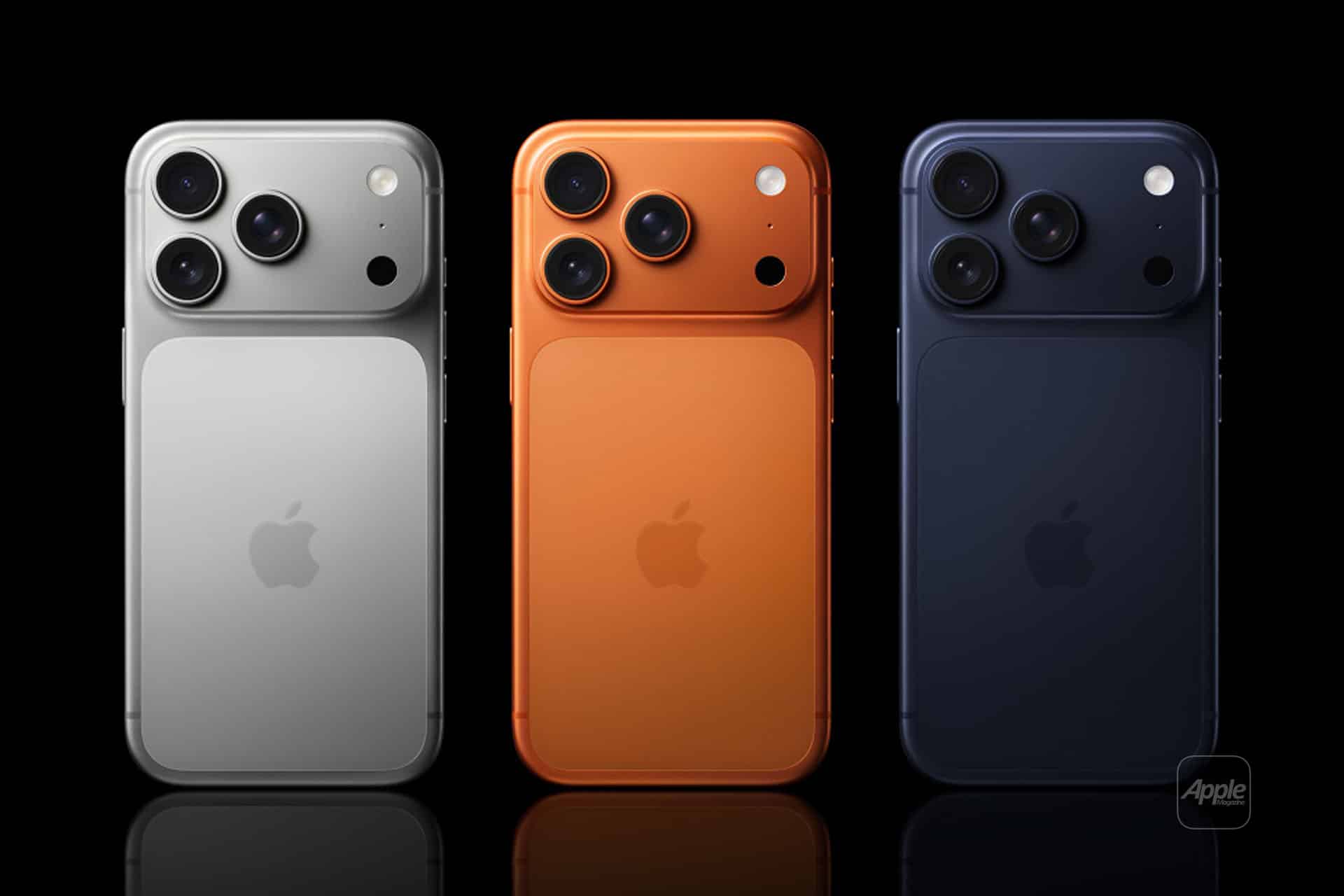
Display technology also followed a path shaped by earlier shifts, offering better efficiency and higher brightness without losing the core identity introduced with the iPhone X. Adoption trends for these later models reflect a stable, long-term user base, with customers choosing Pro versions for photography or longevity and standard models for familiarity and simplicity. Across this period, the iPhone’s evolution shows how Apple balances continuity with carefully timed redesigns, allowing users to recognize each new model while still seeing meaningful change.
The ongoing timeline of the iPhone demonstrates how design, materials, performance and sales patterns move together. Each generation carries cues from the one before it, shaping how users respond to new features and how each device fits into the broader story of Apple’s most enduring product.