

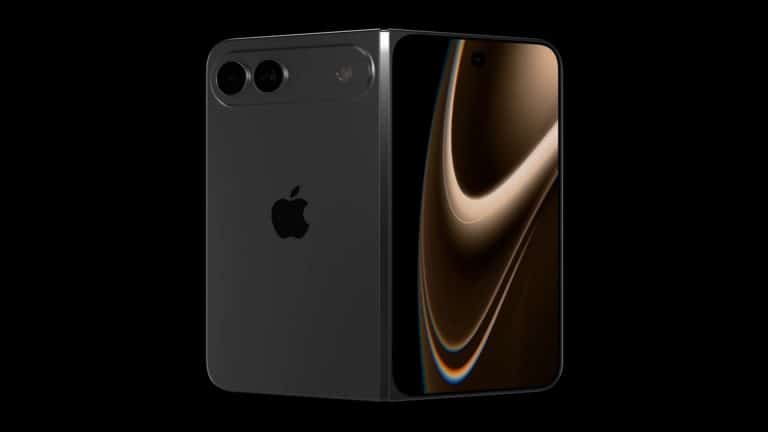
iPhone Fold is no longer a distant rumor. Apple has not announced a foldable iPhone, but reporting from Bloomberg, Reuters, Nikkei Asia, Ming-Chi Kuo, along with AppleMagazine’s own supply-chain sources, points to a premium book-style device that could become the most important iPhone form-factor change since the iPhone X.
The current expectation is a device positioned above the Pro Max. Early rumors pointed to a price near $2,000, but newer supply-chain pressure around memory, storage, and advanced components has pushed expectations closer to a $2,500 target. That would make the iPhone Fold Apple’s most expensive iPhone category and a clear ultra-premium product rather than a mass-market replacement.
The name is also not confirmed. “iPhone Fold” is the most common shorthand, but Apple could use iPhone Ultra, iPhone Pro Fold, or another branding choice. What matters more is the category: Apple appears to be preparing a folding iPhone that opens into something closer to a small iPad while keeping the outer experience closer to a compact iPhone.
If the reports hold, the first iPhone Fold will not be judged only as another smartphone. It will be judged as a new Apple interface.
iPhone Fold Design: Book-Style, Not Flip
Most credible reports point to a book-style iPhone Fold rather than a clamshell design like Samsung’s Galaxy Z Flip. That means a smaller outer display when closed and a larger tablet-like inner screen when opened.
Ming-Chi Kuo has said the device is expected to include an approximately 7.8-inch crease-reduced or crease-free inner display and an approximately 5.5-inch outer display. Several reports describe a shape closer to Google’s original Pixel Fold than Samsung’s taller Galaxy Z Fold line, meaning the outer screen may feel more like a compact iPhone while the opened display feels wider and closer to an iPad mini-style workspace.
That design choice makes sense for Apple. A flip-style iPhone would mostly make the existing iPhone smaller in a pocket. A book-style foldable creates a new use case: more screen space for reading, editing, multitasking, gaming, video, documents, messaging, and AI-assisted workflows.
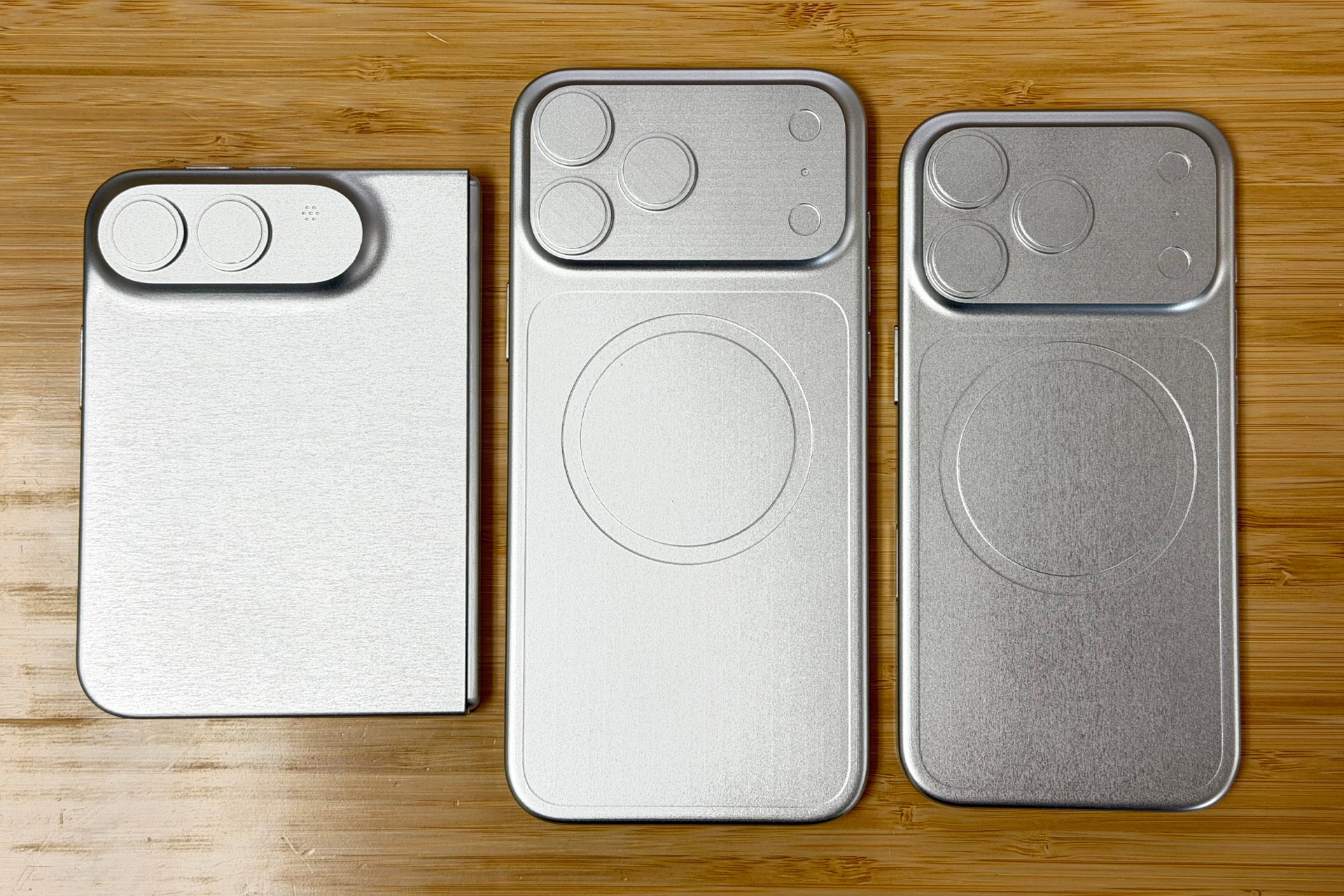
The hardware is also expected to evolve from lessons learned with iPhone Air. Apple’s ultra-thin design work matters because a foldable phone has to feel slim when opened and acceptable when closed. A foldable iPhone is essentially two thin halves joined by a hinge, so every millimeter matters. The iPhone Air’s internal packaging, thin battery strategy, thermal work, camera trade-offs, and lightweight chassis decisions may become part of the foundation for the foldable model.
The hinge remains one of the most important parts of the product. Reports have described titanium, stainless steel, or liquid-metal-related components, but some specifications remain unsettled. Kuo recently said many component specs, including the hinge, had not been finalized. That uncertainty is a reminder that foldable hardware is difficult, even for Apple.

A 1TB Starting Capacity Would Define the Price
AppleMagazine’s supply-chain sources indicate that iPhone Fold is expected to become the first iPhone model to start at 1TB of storage, rather than offering lower entry capacities. That would be a major positioning move and would help explain why the expected starting price has moved closer to $2,500.
A 1TB floor would make the device feel less like a standard iPhone with a folding display and more like an ultra-premium creative tool.
That strategy would fit the expected audience. A foldable iPhone with a larger inner display, advanced multitasking, Apple Pencil support, stronger editing controls, and Apple Intelligence features would naturally target creators, professionals, heavy travelers, early adopters, and users who want one device to handle more of the work now split between iPhone and iPad.
The memory market also makes the storage decision more believable. With memory and NAND flash costs rising across the industry, Apple may prefer to make the product explicitly premium instead of offering a lower-storage version that still carries a high price. A 1TB starting point would simplify the message: this is not the affordable foldable iPhone, it is the most capable iPhone configuration Apple can sell.
It would also change comparisons with Samsung, Google, and Chinese foldables. Rivals often use several storage tiers to reach lower advertised prices. Apple could take the opposite path by avoiding a compromised entry model and making capacity part of the product identity.
Display Quality Is the Central Test
The iPhone Fold will be judged first by its display. Apple has reportedly waited years because it wanted to reduce the crease problem that affects most foldable phones. A visible crease is not only cosmetic. It changes how touch, reflections, drawing, reading, and video feel on the open display.
Samsung Display is widely expected to be a key supplier for the foldable OLED panel. The reported goal is a premium inner screen with a much less visible crease than current market options. Whether Apple can make that crease nearly invisible in daily use is one of the biggest open questions.
The outer screen size also matters. A 5.5-inch display would be small by modern iPhone standards but may help the device stay compact when closed. That could make quick tasks easier: messages, calls, Apple Pay, notifications, camera controls, maps, music, and short replies. The inner display would handle heavier work.
The trade-off is that the cover screen may feel cramped compared with a Pro Max or even a standard iPhone. Apple will need excellent software behavior so users do not feel punished when the device is closed.
A 7.8-inch inner display would place the device below the 8.3-inch iPad mini but large enough to change how iOS works. That is why iOS 27 is expected to include stronger landscape-mode improvements and interface work designed for foldable dimensions.
iOS 27 Redefine the Foldable Experience
Hardware will get attention, but iOS 27 may decide whether the iPhone Fold feels useful. A larger inner screen cannot simply stretch iPhone apps. Apple needs a middle layer between iPhone and iPad, with layouts that make the foldable feel natural when opened, closed, and partially folded.
The most interesting possibility is landscape mode. Reports and AppleMagazine’s internal sources point toward stronger landscape design improvements in iOS 27, not only to support a wider opened display but also to make the lower half of the screen more useful when the device is folded at an angle.
That lower-screen area could become a flexible input surface. In some apps, it could show a larger keyboard. In others, it could work as a touchpad-like control area for Apple’s own creative apps. Pro Creator Studio workflows could use the lower display for timelines, sliders, brushes, color controls, audio controls, photo adjustments, video grading, precision scrubbing, and tool palettes while the upper display shows the project.
Apple Pencil compatibility would make this even more interesting. The iPhone Fold could become a pocketable sketchpad, markup device, photo retouching surface, storyboard tool, or note-taking device. A larger unfolded screen would help, but the real change would be the way Apple uses both halves of the display for different jobs.
Photo and video editing are obvious use cases. The upper screen could show the image or video preview, while the lower screen handles exposure, color, crop, filters, audio levels, timeline scrubbing, or frame-by-frame controls. Final Cut Pro-style ideas could eventually reach iPhone in a smaller, touch-first way, especially as Apple pushes more creative workflows across its devices.
Siri AI and Apple Intelligence may also get interface interactions built for the foldable format. A larger display gives Apple more room to show an assistant response beside the original content, compare before-and-after edits, summarize one app while drafting in another, or keep a contextual Siri panel open without taking over the whole screen. The lower screen could become an AI command surface, suggestion tray, dictation area, or editing pad while the upper display keeps the task visible.
This is where the iPhone Fold could become more than a folding screen. Apple has the chance to make the hinge part of the interface.
A20 Chip and 2nm Performance
The iPhone Fold is also expected to rely on Apple’s next major silicon jump. Rumors point to an A20 chip built on a 2nm process, which would give the device a more efficient processor for AI, graphics, camera processing, multitasking, and dual-display behavior.
A foldable iPhone needs that efficiency. It has to power two displays, manage complex app states, support advanced cameras, keep battery life acceptable, and run Apple Intelligence features without becoming too hot or too thick. A 2nm A20 processor would help Apple balance performance and power in a product that has less thermal room than a large tablet.
The AI side may be especially important. Apple Intelligence features already require modern chips, and a foldable iPhone would likely be positioned as one of the best devices for on-device AI. A larger screen is useful for summaries, rewriting, image generation, photo editing, document comparison, translation, research, and multimodal Siri interactions. The A20 chip would need to support those workflows without making the device feel like a first-generation compromise.
Graphics performance also matters. Games, video editing, spatial photos, high-resolution camera previews, and creative tools will all benefit from more GPU power. If Apple wants the foldable to feel like a premium work-and-creation device, not only a luxury phone, A20 performance has to be one of its selling points.
Cameras, Battery, Action
Camera reports vary, but many rumors point to an advanced dual rear camera system rather than the full triple-camera Pro Max setup. That may be a space and thickness decision.
A foldable iPhone has to allocate room for two displays, a hinge, batteries split across both halves, thermal components, cameras, antennas, speakers, and the A20 platform.
That means the first iPhone Fold may present an innovative camera set. It may instead be the best multitasking, large-screen, and creative-interface iPhone. Apple will need to position it carefully so buyers understand the trade-off.
Battery life is another unknown. Foldables are hard because they need to power a large inner display inside a thin body. Apple’s silicon efficiency and display tuning will help, but buyers will expect all-day use from a product that may cost around $2,500.
Production Could Be Limited
Reuters reported in April that Apple’s foldable iPhone had faced engineering-test setbacks that could affect mass-production or shipment timing, citing Nikkei Asia. Later reporting has continued to point to serious development, but possible delays remain plausible because foldable devices are harder to build at scale than normal iPhones.
Apple will also be cautious because the first foldable iPhone has to protect the brand. Samsung, Google, OnePlus, Honor, Huawei, and others have already shipped multiple foldable generations. Apple is late, but it usually enters a category when it believes the product can feel more polished. A fragile hinge, obvious crease, poor battery life, or weak app experience would undermine that strategy.
Supply may be tight at launch. A foldable iPhone would likely use specialized displays, hinges, memory, batteries, and assembly processes with lower yields than normal iPhones. Foxconn and other suppliers may need a slower ramp. If Apple prices the device near $2,500, demand may also be limited by design.
That would make the first model more like a flagship showcase than a mass-market iPhone. It could sit above the Pro Max and test demand before Apple expands the category.
Why Apple Wants a Foldable Now
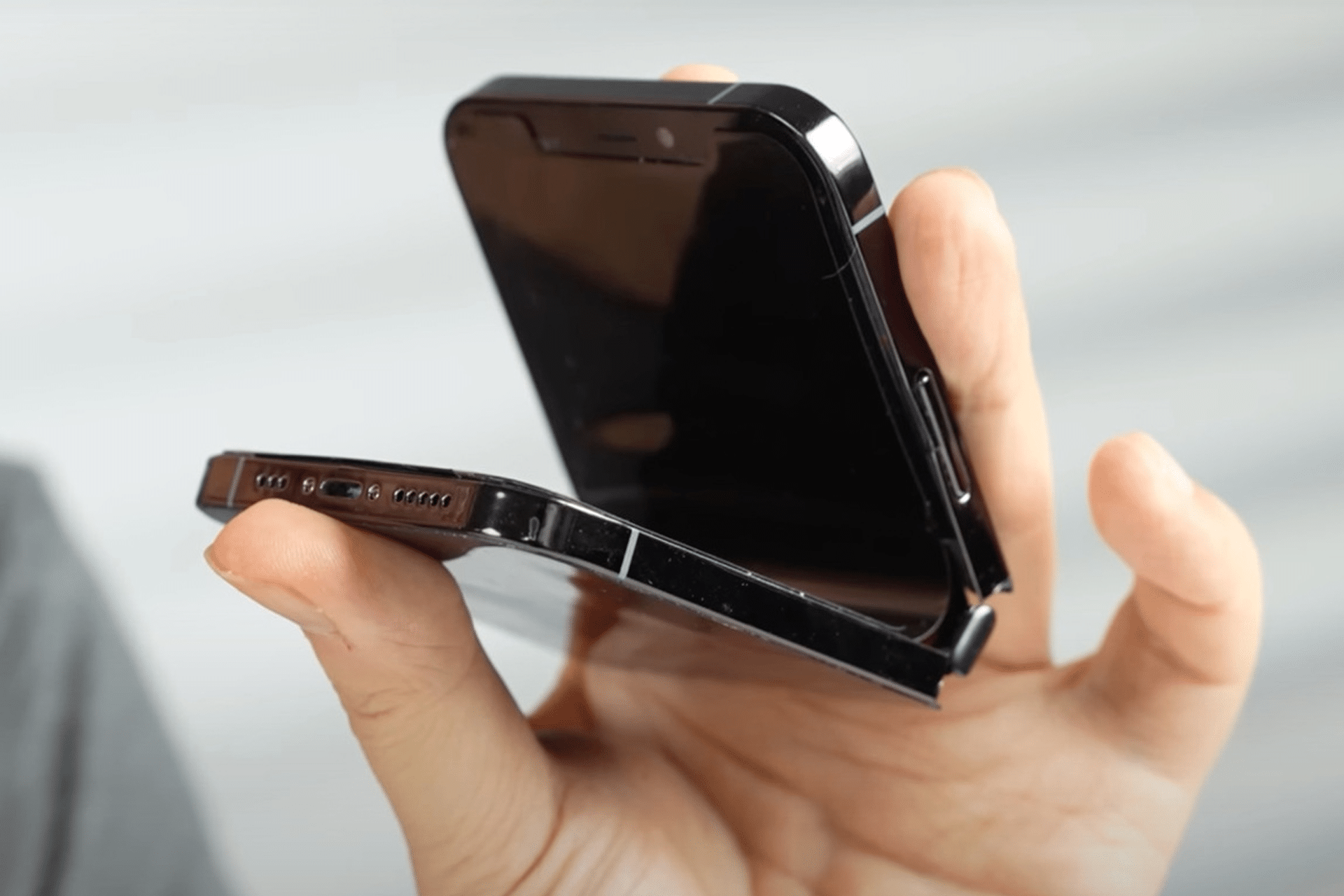
Apple has several reasons to enter foldables. First, the iPhone needs a new high-end growth story. Standard iPhone upgrades are mature, and many users keep devices longer. A foldable creates a new reason for premium buyers to upgrade.
Second, Apple can use foldables to defend against Samsung and Chinese smartphone brands that have been shaping the category without it. Even if foldables remain a small share of the market, they influence perception. A company that sells the most premium phones cannot ignore a premium form factor forever.
Third, a foldable iPhone gives Apple a bridge between iPhone and iPad. It could appeal to users who want a pocketable device for travel, reading, notes, multitasking, and entertainment without carrying a separate iPad mini.
Fourth, the format could support AI features better than a normal phone screen. A larger display is more useful for summaries, side-by-side research, image editing, documents, code review, translation, and multimodal assistant interactions. Kuo has described the foldable as a potential “true AI smartphone,” largely because the larger screen gives AI features more room to work.
The iPhone Air connection adds another reason. Apple has already tested how thin an iPhone can become before buyers notice trade-offs in battery, cameras, or pricing. A foldable iPhone can use that design knowledge in a product where thinness has a clearer purpose.
What Remains Unknown
The iPhone Fold rumor cycle still has many open questions. Apple has not confirmed the name, final price, display suppliers, camera system, battery size, hinge material, crease performance, durability rating, repair pricing, Apple Pencil support, or final iOS 27 interface model.
Durability may be the biggest unknown after display quality. Foldables need to survive repeated opening and closing, pocket dust, pressure on the inner screen, drops, temperature changes, and long-term hinge wear. Apple will likely use strict testing and may design the product conservatively, but foldable phones are inherently more complex than slab phones.
Repair costs could also be high. A foldable display assembly is expensive, and AppleCare pricing may reflect that. Buyers considering a first-generation iPhone Fold should expect premium repair economics.
App support is another question. Apple’s own apps may be ready, but third-party apps will need time. If developers treat the inner display like a larger iPhone screen without thoughtful layouts, the first year may feel uneven.
That is normal for a new form factor. The first iPhone, first iPad, first Apple Watch, and first Vision Pro all required developers and users to adjust. The iPhone Fold would be no different.
If the lower half of the iPhone Fold becomes a flexible input surface, Apple could give users a device that shifts from phone to sketchpad, editing desk, mini workstation, AI console, and media viewer without leaving the pocketable iPhone category.