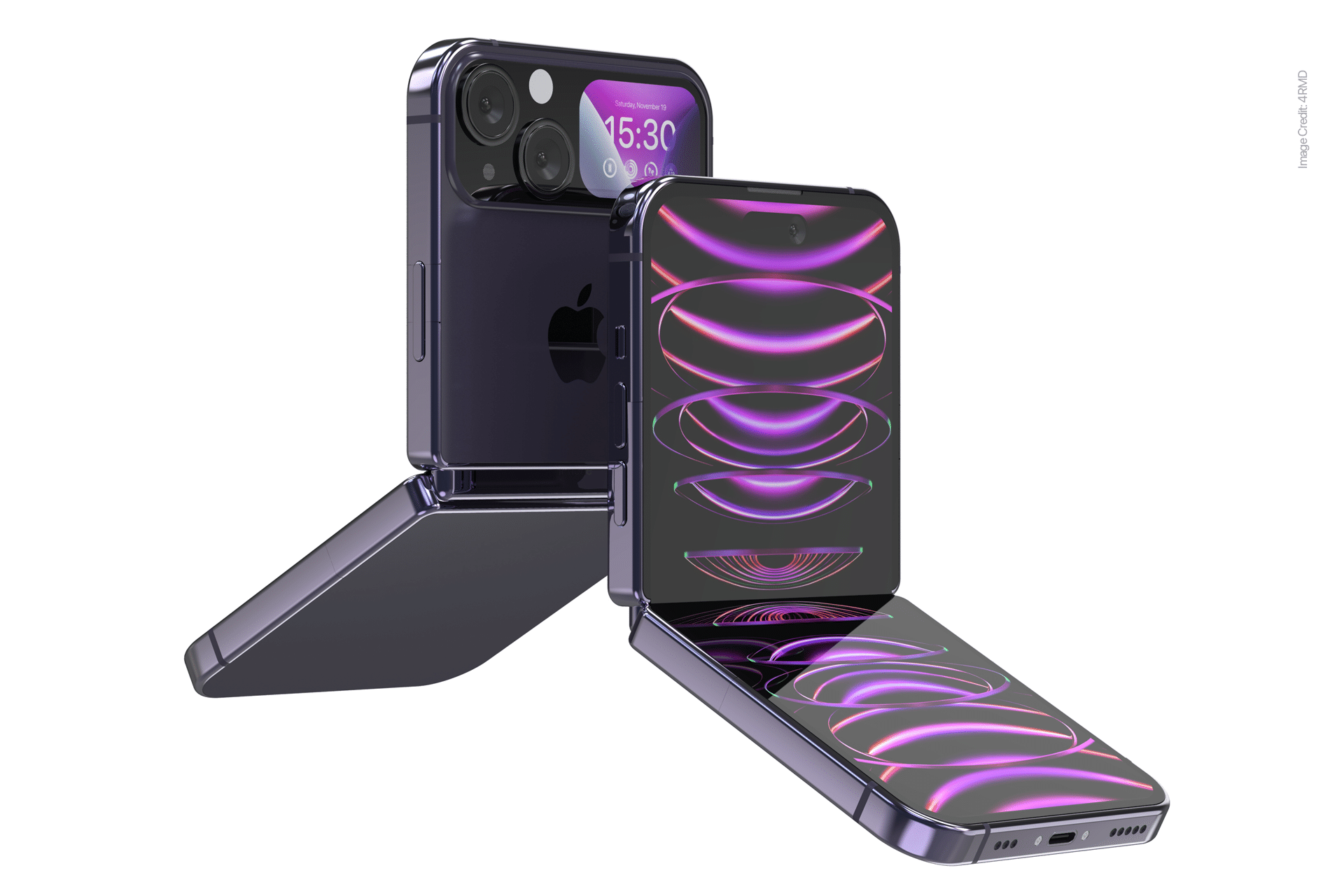
Apple has reportedly manufactured around 100 early iPhone Fold units following internal progress toward reducing the display crease that has long challenged foldable smartphone design. The prototypes, described by supply-chain sources, are being used for hardware testing across hinge durability, display stress behavior and mechanical tolerances. While a commercial product has not been confirmed, achieving a thinner, less visible crease marks a significant milestone in Apple’s multi-year exploration of foldable technology.
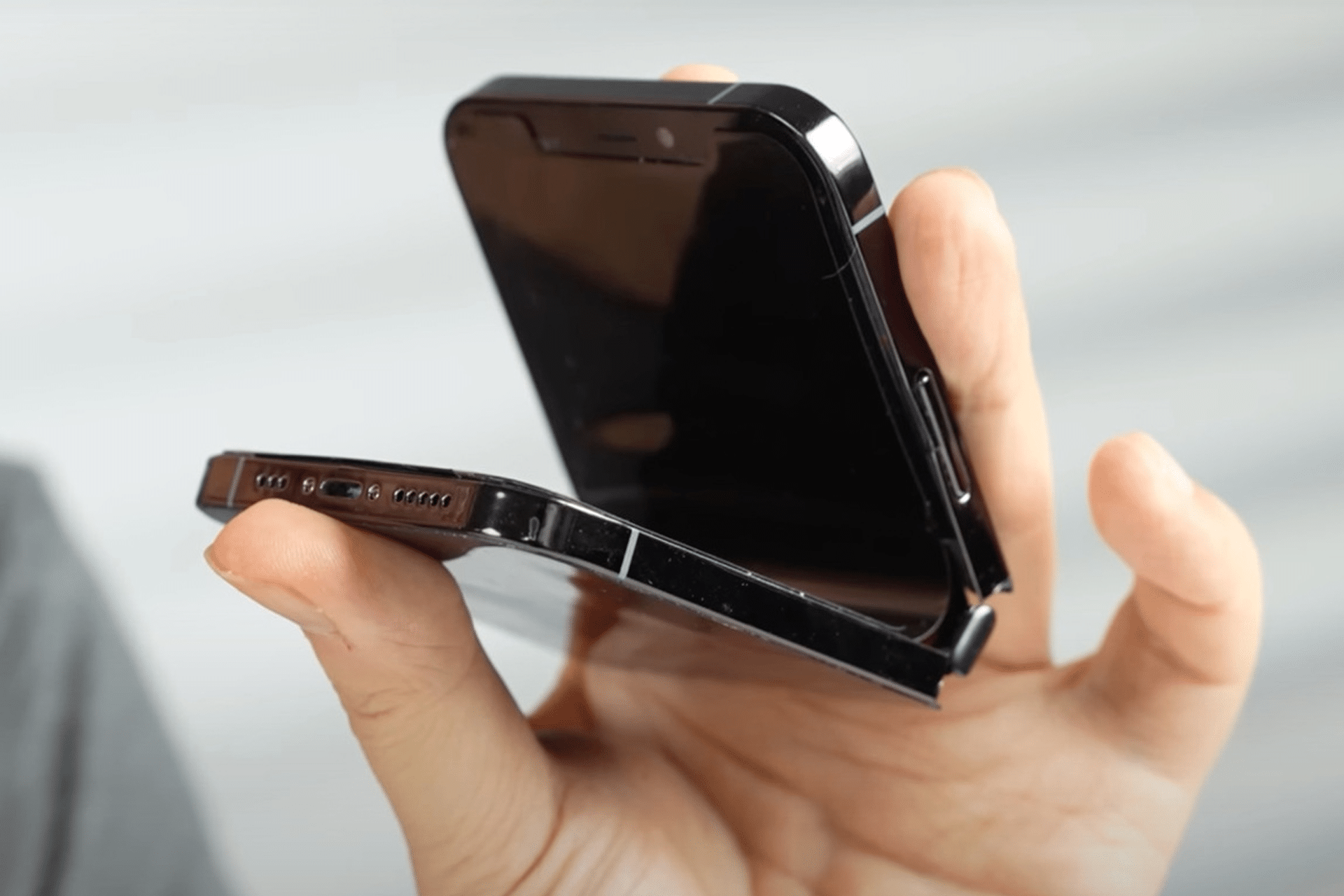
The prototypes are said to resemble slim book-style devices with displays engineered to bend at a tighter radius than most existing foldables. Apple’s engineering teams have focused primarily on the hinge system and the display stack, aiming to reduce visible distortion where the screen folds. The company has worked with display partners on restructured OLED layering that distributes stress more evenly, creating a smoother surface when the device is unfolded. This work has been central to overcoming aesthetic and functional barriers associated with foldable displays.
Why Apple Produced About 100 Test Units
A batch of this size allows Apple to conduct early-stage stress, drop and fatigue testing that simulates years of real-world use while gathering detailed performance data.
The prototypes help validate reengineered hinge components, which must maintain stability, pressure balance and panel alignment across thousands of folds.
Producing controlled quantities enables Apple to test multiple hinge materials and internal reinforcement structures before determining which configuration moves forward.
Engineering teams are reportedly evaluating the foldable displays under environments that vary in humidity, temperature and pressure. These tests examine how the display stack behaves under repeated stress cycles and whether the updated panel design can maintain a minimal crease appearance over time. Earlier development stages focused on ensuring that pressure points inside the hinge do not create micro-stress fractures or distortions in the OLED layers.
Display And Hinge Innovations Behind the Crease Breakthrough
Apple’s latest panel design uses a modified layering structure combining flexible OLED with an ultra-thin glass composite adapted to bend more smoothly across the hinge line. The internal hinge reportedly uses a multi-segment mechanical system that reduces the need for outward tension, allowing the display to fold with a gentler curvature.
This approach mirrors Apple’s broader hardware philosophy: reduce mechanical stress, simplify moving parts when possible and rely on materials that distribute load more evenly.
The company’s internal evaluations aim to determine whether the new hinge-and-panel combination can maintain appearance quality throughout extended use.
For Apple, achieving a reduced-crease display has been essential before green-lighting a foldable iPhone for mass production. Previous attempts inside the company stalled over durability issues, hinge bulk and cosmetic concerns. The latest progress suggests that development has entered a more advanced phase, though multiple testing cycles remain before any final decision.
Market Context And Future Considerations
Apple’s exploration of foldables occurs as competitors refine their own devices, with Samsung, Huawei and others already in multiple generations. These companies continue to reduce crease visibility but have not eliminated it. Apple’s R&D push aligns with its approach of entering categories only after key technological obstacles can be resolved.
Demand for foldables has grown, particularly in premium markets, though volumes remain smaller than traditional flagships. Apple’s potential entry is expected to shift consumer expectations due to the company’s influence on industrial design trends.
Analysts caution that even with prototypes in testing, launch timing remains uncertain. Apple may continue refining designs for multiple cycles, or could position the foldable as a niche, high-end model rather than a mainstream iPhone replacement.
For now, the production of roughly 100 test units signals that Apple’s foldable efforts have reached a new phase. Engineering teams will continue evaluating durability, crease retention, temperature response and hinge integrity as part of the decision-making process surrounding future device plans.