

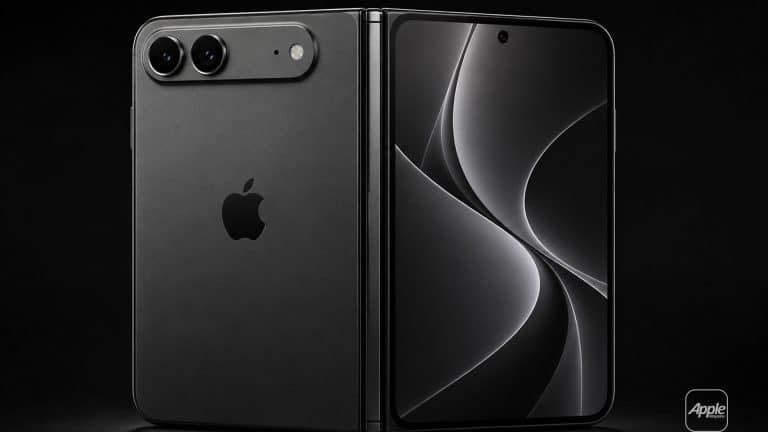
iPhone Fold could do more than add a new model to Apple’s lineup. It could raise the pricing ceiling for the entire foldable smartphone category. Counterpoint Research forecasts that the global foldable smartphone average selling price will rise 18% year over year in 2026, driven by Apple’s expected entry and a stronger mix of book-style foldables.
Counterpoint expects the foldable smartphone ASP to reach $1,485 in 2026, up 18% from 2025 and 29% from 2024. The increase does not mean every foldable phone will become more expensive. It means the category’s center of gravity is shifting toward larger, higher-priced devices, especially book-style models.
That distinction is essential. Clamshell foldables, such as Galaxy Z Flip-style devices, are becoming more affordable as competition rises and manufacturers push them closer to standard premium smartphones. Book-style foldables are moving in the opposite direction, with larger screens, better hinges, more advanced panels, bigger batteries, stronger cameras, and more productivity-focused software.
Apple is expected to enter through the expensive side of the category.
Book-Style Foldables Are Driving the Price Shift
Foldable phones are no longer one market. They are two markets with different economics.
Clamshell models fold a normal phone into a smaller shape. Their appeal is portability, style, and a lower entry point into foldable design. They are easier to explain, easier to market broadly, and more likely to move down in price as more companies compete.
Book-style foldables are closer to a phone-tablet hybrid. They require larger inner displays, stronger hinges, more complex software, more battery capacity, and more expensive engineering. They are also the format most likely to attract professional users, multitaskers, gamers, frequent travelers, and buyers who want a pocketable device with a larger working surface.
Counterpoint’s forecast reflects that split. The overall ASP rises because the shipment mix is tilting toward book-style foldables, while clamshells become less expensive. The market is not moving upward evenly. It is separating into a more affordable fashion-and-portability tier and a more expensive productivity-and-screen-space tier.
The iPhone Fold, also rumored under iPhone Ultra branding, is expected to belong to the second group. That means Apple would not be entering foldables to compete with cheaper flip phones. It would be entering the part of the market where higher prices are already becoming normal.
Why Apple’s Entry Changes the ASP
Apple’s effect on average pricing comes from both expected price and expected volume. A very expensive phone with tiny sales would not move the category much. A premium foldable with meaningful production targets can.
Recent supply-chain reporting has pointed to Apple preparing suppliers for about 10 million foldable units, up from earlier expectations of 7 million to 8 million. Even if final shipments change, that kind of planning suggests Apple expects the device to be visible in the market, not treated as a low-volume concept.
If the iPhone Fold starts around $2,400 to $2,500, as several industry estimates and supply-chain signals suggest, it would sit far above the projected $1,485 category average. A product at that level can pull the average upward quickly if it reaches several million units.
This is why Apple’s entry is different from another Android foldable launch. Apple already has a large premium customer base, deep carrier financing relationships, high resale values, strong retail presence, and users accustomed to choosing Pro and Pro Max models. Those factors can support a higher price without requiring the device to become mainstream immediately.
The iPhone Fold does not need to dominate unit share to influence category value. It only needs to bring Apple-level pricing into a market that has been waiting for a larger premium anchor.

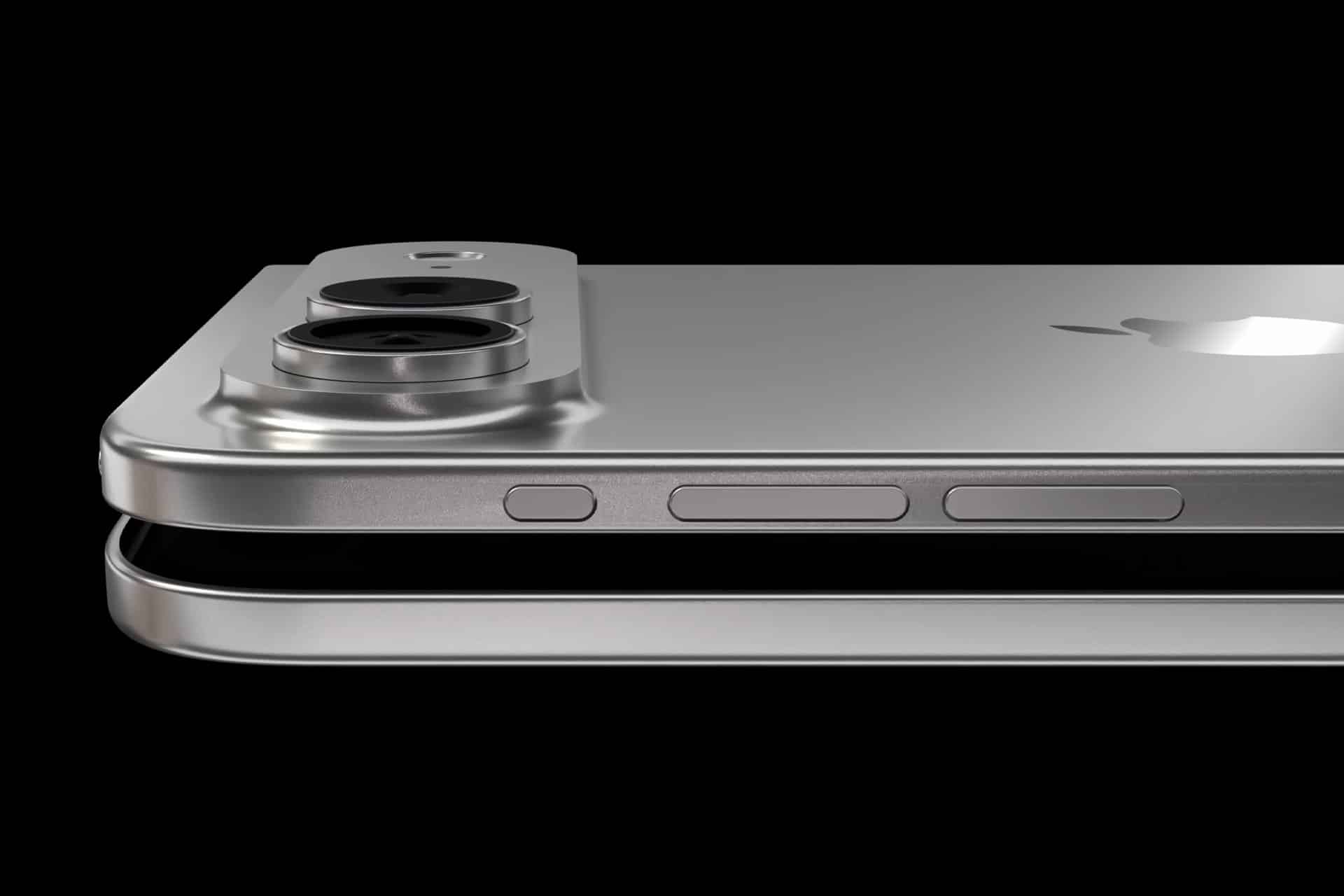
The $1,600 to $2,000 Band Becomes More Important
One of the more revealing details from the Counterpoint forecast is the movement inside pricing bands. Reports citing Counterpoint indicate that foldables priced between $1,600 and $2,000 are expected to represent a much larger share of the market in 2026, rising from around 30% to 58%.
That shows how the market is preparing for more expensive foldables even beyond Apple’s own device. Rival brands may keep pushing premium book-style models into higher brackets, while using clamshells to defend lower foldable price points.
This creates a new competitive ladder. A clamshell foldable can compete with premium slab phones. A book-style Android foldable can sit around the $1,600 to $2,000 range. The iPhone Fold can sit above both as the ultra-premium benchmark.
That ladder gives manufacturers room to raise value without relying on total smartphone unit growth. In a slower phone market, the goal becomes selling more expensive devices to buyers who already want the top tier.
Apple is well positioned for that type of market. The company does not usually enter a hardware category by racing to the lowest price. It enters with a product designed to pull attention, margins, and developer interest toward the premium end.
Foldable Panels Also Point to a Higher-Value Market
Counterpoint’s panel forecast supports the same direction. Its foldable smartphone panel outlook expects shipments to rebound in 2026, with around 24% year-over-year growth, while panel revenue rises around 48%. That gap between shipment growth and revenue growth points to a richer product mix, not only more units.
A higher-value panel market makes sense if book-style foldables take more share. Large inner displays cost more. Crease reduction, durability improvements, brightness, LTPO refresh behavior, thinness, and yield control all add cost. Apple’s expected use of premium foldable OLED panels could intensify supplier focus on the highest-end parts of the market.
Display suppliers benefit when brands compete on larger, better, more complex panels. Hinge suppliers, ultra-thin glass makers, battery vendors, and assembly partners also gain when the category shifts toward premium book-style designs.
This is one reason Apple’s entry is being watched far beyond iPhone buyers. It could change how suppliers invest in the foldable chain. If a large Apple order improves yields and raises standards, rival brands may respond with more aggressive designs, better durability claims, and more polished software experiences.
The category can become more expensive and more competitive at the same time.
AI Gives Larger Screens a New Pricing Argument
Counterpoint also links the premium shift to stronger interest in larger screens and AI-era workflows. That is a useful angle because foldables need a reason to cost more than conventional flagship phones.
A larger inner display can make AI features easier to use. Summaries, image editing, document comparison, translation, research, multimodal prompts, email drafting, and video tools all work better when the user can see more context. A book-style foldable gives phone makers a way to present AI as something visual and interactive, not only a voice or text feature.
This could become part of Apple’s pitch. A foldable iPhone can show Apple Intelligence and Siri AI responses beside the content being edited or reviewed. It can support larger keyboards, side-by-side apps, richer previews, and more flexible controls. Those features help justify a price above the Pro Max because the device is not only faster or newer; it changes the working surface.
Android brands will make similar arguments. Samsung, Honor, Huawei, Google, and others already use foldables to promote multitasking, AI tools, and productivity. Apple’s entry may force that software race to become more serious.
The Ultra-Premium Risk
A higher ASP is good for manufacturers and suppliers, but it can narrow the buyer pool. Foldables already face concerns around durability, repair cost, thickness, battery life, app optimization, and long-term hinge reliability. A higher average price raises expectations across all of those areas.
Apple’s entry may bring more trust to the category, but it also increases pressure. Buyers paying above $2,000 will expect the screen crease to be controlled, the hinge to feel precise, the software to feel native, the battery to last, and service options to be clear.
Rivals may also face a pricing challenge. If Apple sets the ultra-premium reference point, Android book-style foldables need either better hardware value, lower pricing, stronger AI features, or more flexible form factors. Competing near Apple’s price without Apple’s ecosystem pull could become difficult.
At the same time, cheaper clamshells may grow as the accessible foldable option. That could leave the market with a sharp split: flip phones for style and affordability, book-style models for premium productivity, and Apple at the top of the pricing curve.

The Category Is Moving From Novelty to Segmentation
The 18% ASP forecast shows that foldables are entering a more mature stage. Early foldables were defined by the hinge itself. The next stage is defined by segmentation: which foldable shape, which buyer, which screen size, which software experience, and which price band.
Apple’s expected device would not make foldables cheaper. It would make the high end more legitimate. That can help the category even if the first model sells to a limited audience, because it gives developers, suppliers, carriers, and accessory makers a reason to treat foldables as a durable premium tier.
For Apple, the benefit is not only selling an expensive iPhone. It is creating a new price ceiling without forcing every iPhone buyer into it. For the foldable market, the benefit is attention, investment, and stronger software expectations. For buyers, the trade-off is clear: the most advanced foldables may become better, but the best book-style models may also keep moving further away from normal flagship prices.
The next competitive fight will not be whether foldables can exist. It will be whether a phone that opens into a larger workspace can make a $1,500, $2,000, or $2,500 price feel tied to daily use rather than novelty.