

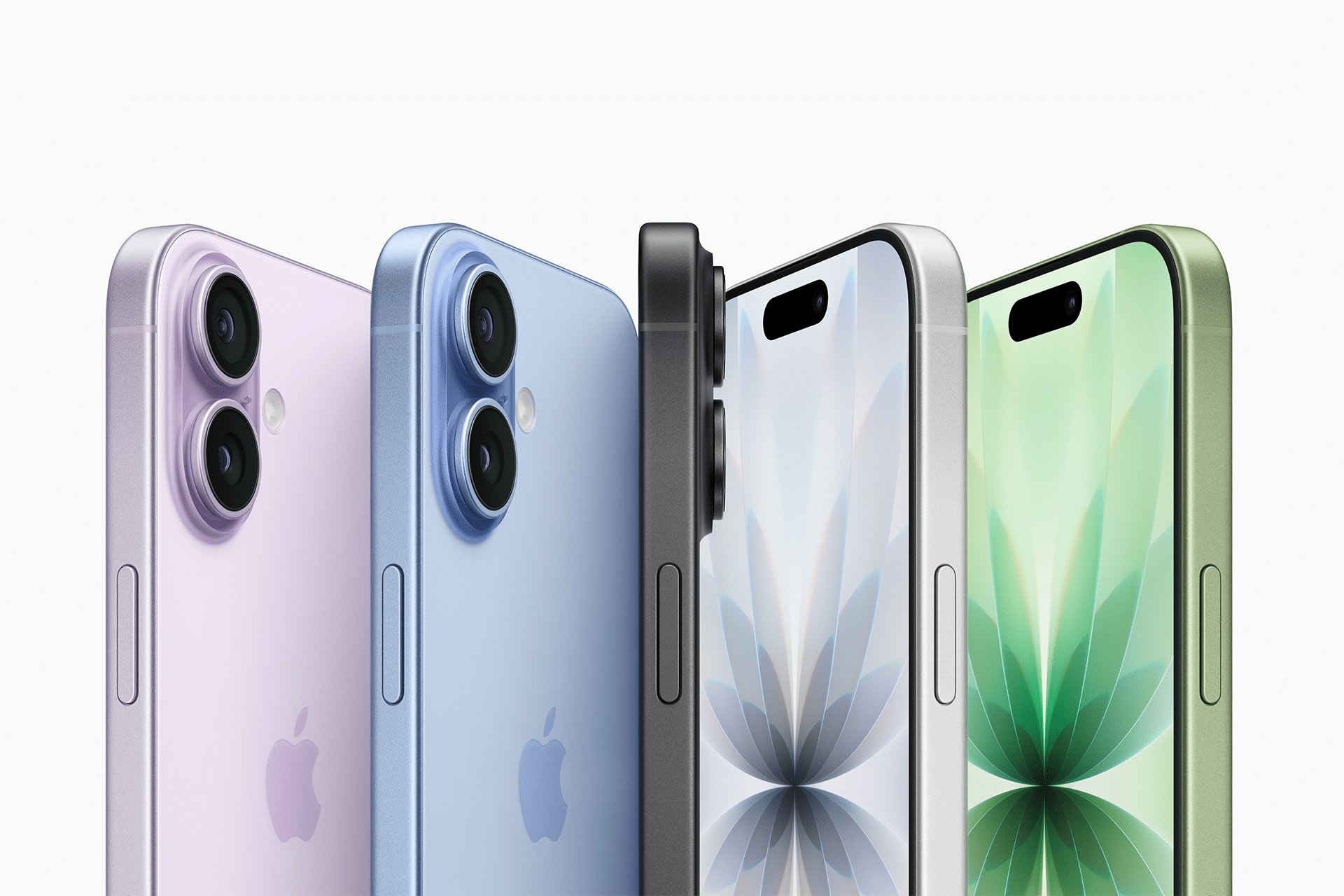
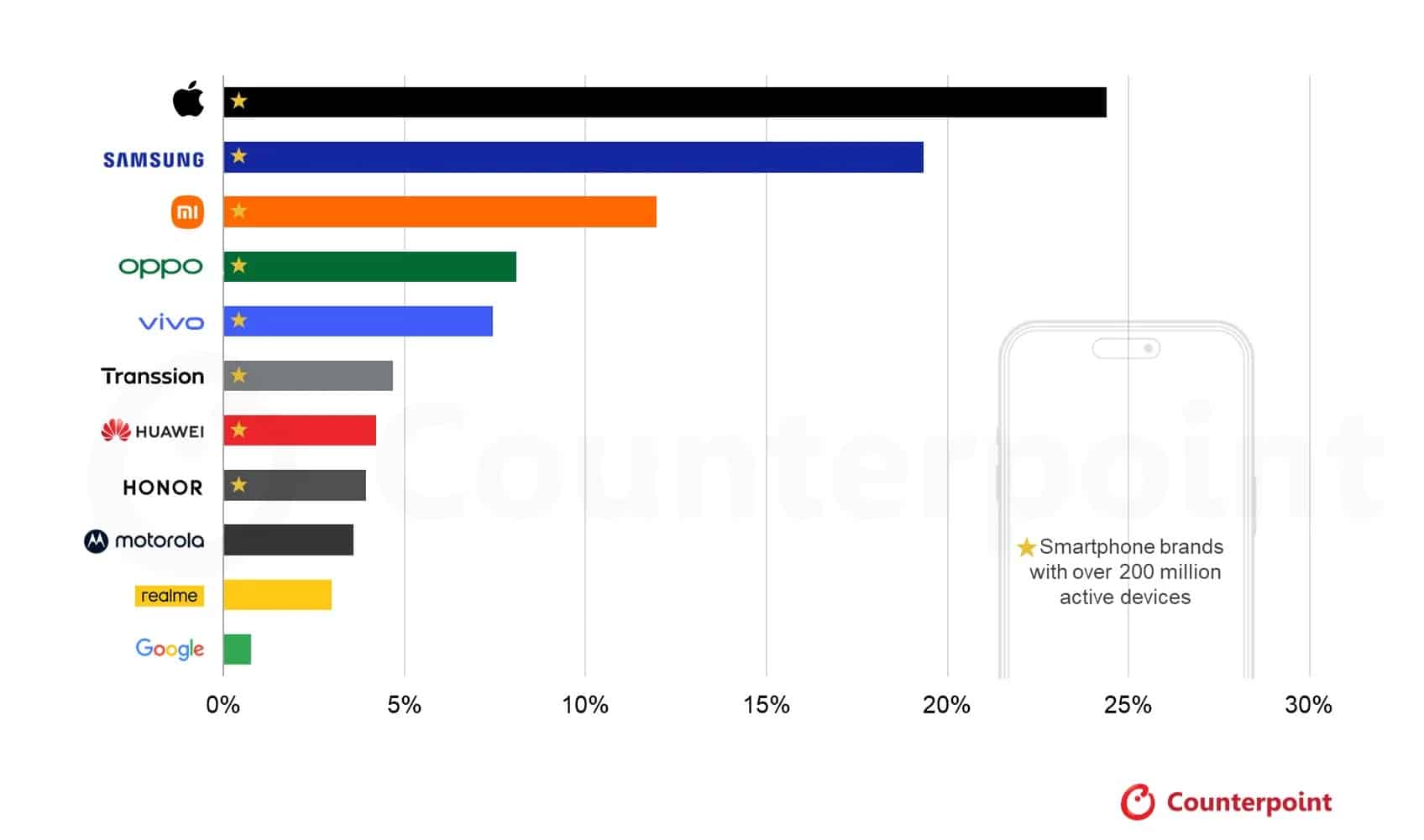
The iPhone installed base continued expanding through 2025, reaching a scale rarely seen in consumer technology. Industry data indicates that nearly one out of every four active smartphones globally now belongs to the iPhone family, reflecting consistent adoption across both mature and emerging markets. This growth does not rely solely on new device launches; it also reflects long device lifespans, trade-in cycles, and a large number of users upgrading within the same ecosystem rather than switching platforms.
The scale of the iPhone installed base plays a central role in Apple’s long-term strategy. Every active device contributes to the expansion of services such as cloud storage, payments, streaming, subscriptions, and app-based ecosystems. As more devices remain active for longer periods, the installed base becomes a stable foundation supporting recurring usage rather than only yearly hardware sales.
Growth Drivers Behind the 2025 Installed Base Expansion
Several factors explain the acceleration seen in 2025. Premium smartphone demand remained resilient even as global shipment volumes fluctuated, and high-performance flagship devices attracted consumers seeking longevity and sustained software support. At the same time, trade-in programs and refurbished device markets expanded access to previous-generation models, allowing additional users to enter the ecosystem at different price tiers without reducing the installed base of newer flagship devices.
Regional performance also played a role. Strong sales cycles in North America, Europe, India, Southeast Asia, and select Latin American markets contributed to steady global adoption. In several regions, first-time premium smartphone buyers increasingly selected iPhone models due to software support cycles, resale value, and device longevity expectations. This shift reinforced the installed base even during years when overall industry shipment growth slowed.
Another contributor was cross-device ecosystem expansion. Ownership of complementary products such as Apple Watch, iPad, AirPods, and Mac devices tends to increase platform retention. Once users depend on cross-device features such as synchronization, messaging continuity, secure authentication, and shared subscriptions, the likelihood of remaining within the same platform increases significantly, helping sustain long-term installed base stability.

Installed Base Scale and Its Impact on the Ecosystem
The installed base milestone carries operational implications across multiple areas of the digital ecosystem. App developers, accessory manufacturers, and enterprise software providers often align product development priorities around the largest stable user groups. A growing installed base signals predictable demand, encouraging continued investment in platform-specific features, services, and applications designed for the iPhone environment.
The scale also strengthens the value of global software rollouts. New operating system versions, security features, and AI-driven capabilities can reach hundreds of millions of devices within a short timeframe, accelerating adoption of platform-wide capabilities that rely on unified hardware and software environments. This synchronized deployment model allows developers to build features assuming broad compatibility, reducing fragmentation challenges commonly seen across multi-vendor smartphone ecosystems.
Long Device Lifecycles Reinforcing Installed Base Stability
Extended software support cycles continue to influence installed base growth. Devices remaining active for five to seven years contribute to cumulative ecosystem expansion even during periods of moderate shipment growth. Users keeping older devices operational while upgrading to newer ones within households also adds to the active device count, increasing total installed presence rather than replacing earlier units entirely.
Refurbishment programs, secondary markets, and enterprise redeployments further extend device activity lifespans. Corporate environments often circulate devices through multiple employee cycles, while education and family usage patterns allow earlier-generation phones to remain active in secondary roles. These patterns ensure that installed base figures continue expanding even when annual shipment volumes fluctuate.

Global Scale Heading Into the Next Growth Phase
As the installed base approaches one quarter of all active smartphones worldwide, its scale continues shaping the direction of services, developer ecosystems, and device-to-device integrations. The cumulative presence of billions of active devices provides a foundation supporting long-term platform expansion across communication, productivity, payments, and entertainment systems. Continued growth in global smartphone adoption, combined with extended device lifespans and ecosystem retention patterns, positions the installed base as one of the most influential structural elements in the modern consumer technology landscape.

