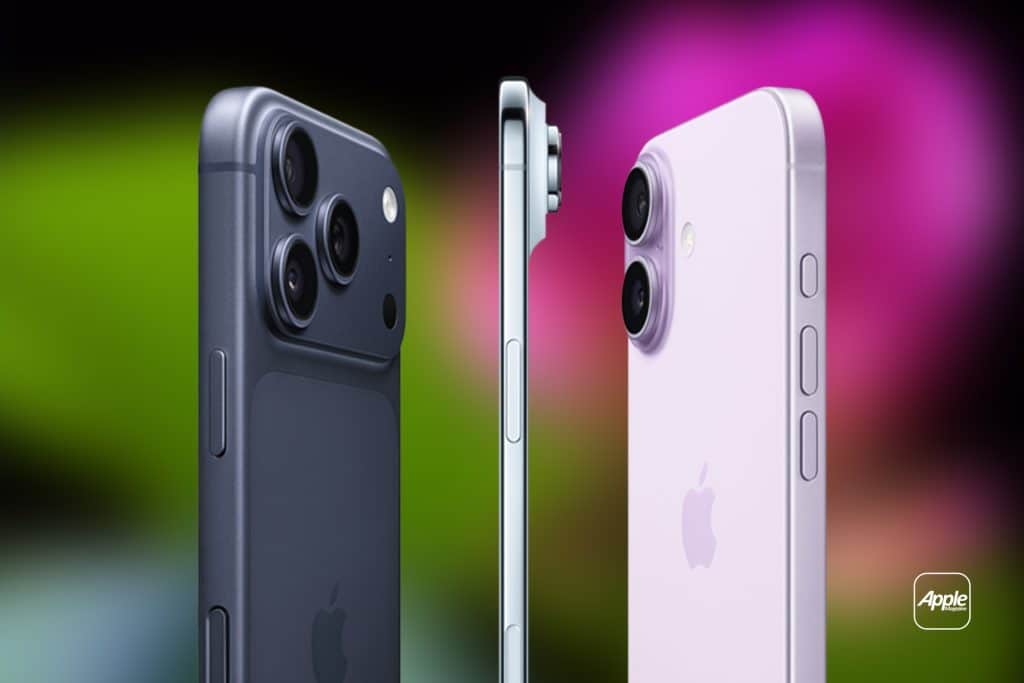
The iPhone lineup 2026 is shaping up to reflect a clear shift in Apple’s long-term strategy. After years of watching the Pro models steadily dominate sales, Apple now appears ready to restructure its smartphone portfolio around premium design, performance, and perceived value. With the iPhone 17 Pro reportedly accounting for nearly 72% of global iPhone sales, Apple has strong incentives to lean into what consumers are already choosing.
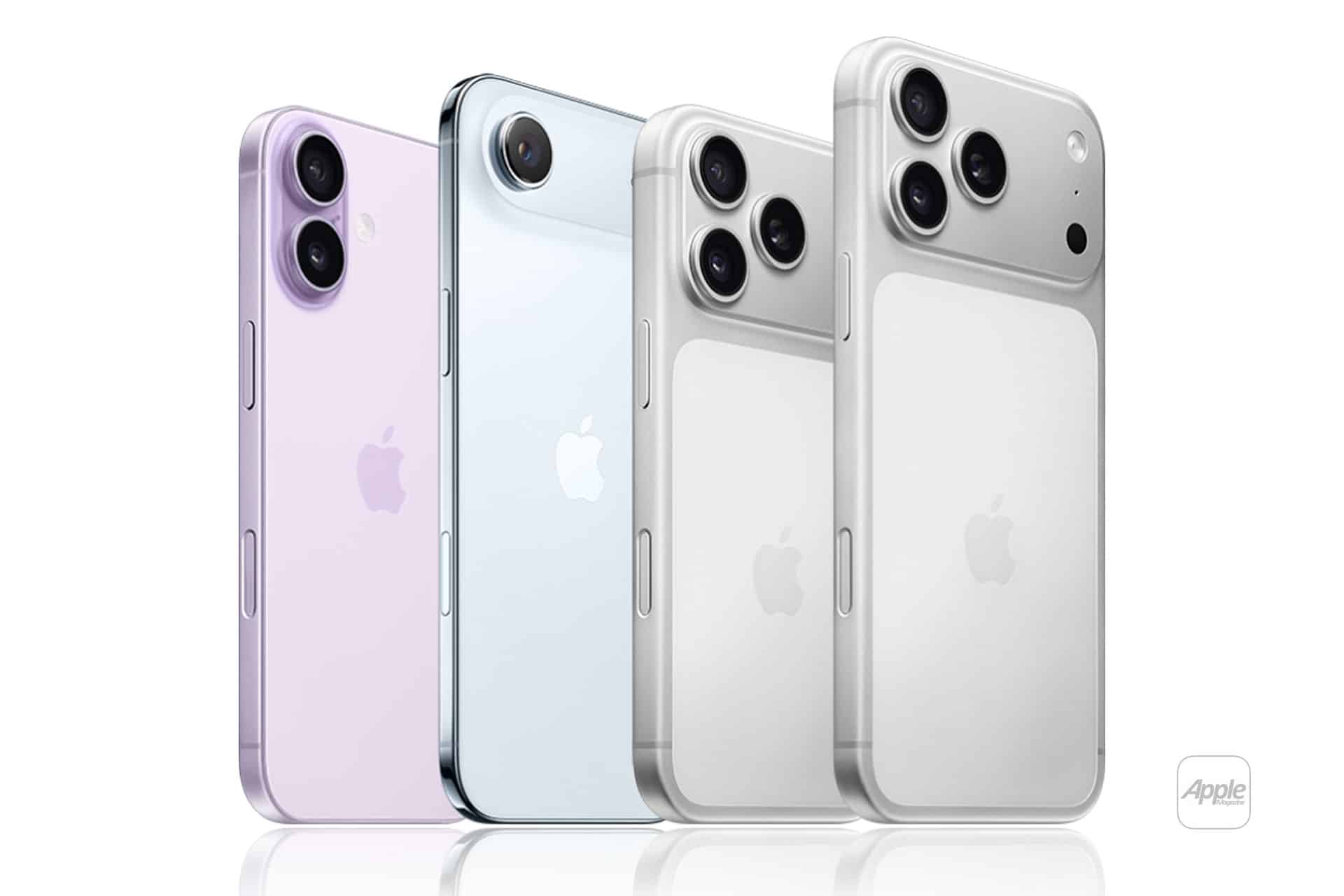
Rather than spreading focus across many overlapping models, Apple may streamline the lineup into clearer tiers: a high-end Pro line, a refined standard model, a lightweight premium alternative often referred to as iPhone Air, and a single low-cost entry device. This approach would align with how customers already view the iPhone family, separating aspiration from accessibility.

Pro Models Set the Direction
The overwhelming success of Pro models has redefined what users expect from an iPhone. Larger displays, advanced cameras, premium materials, and cutting-edge chips have become the baseline for Apple’s most popular devices. As these features move further upmarket, the standard iPhone naturally becomes a more focused alternative rather than a diluted flagship.
For Apple, this trend is not just about pricing. It is about perception. When most buyers choose Pro models, the entire brand shifts upward. The standard iPhone becomes a curated version of the experience, while Pro devices represent the full vision of Apple’s design and engineering.
The Rise of a Premium Middle Tier
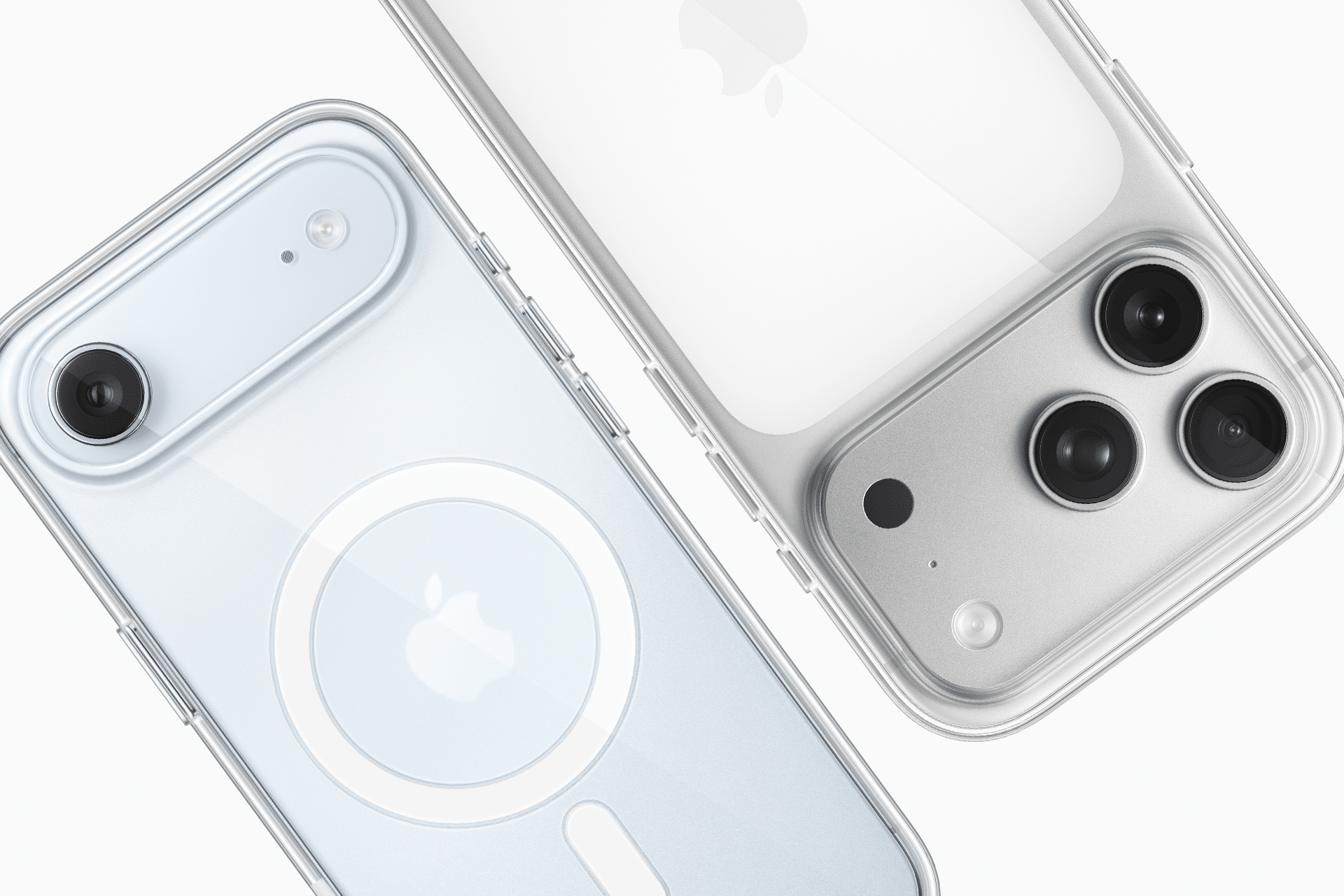
Alongside Pro models, the rumored iPhone Air suggests Apple may introduce a new premium tier built around thinness, portability, and style. This device would not compete directly with Pro features, but would offer a different expression of luxury. Lightweight construction, refined materials, and a minimalist design could make the Air line attractive to users who value form as much as function.
This strategy echoes how Apple diversified the MacBook lineup. The MacBook Air does not replace the MacBook Pro. Instead, it defines a different kind of premium experience. Applying that philosophy to iPhone would allow Apple to address multiple preferences without weakening its core identity.
Simplifying the Entry Level
At the lower end, Apple is expected to reduce complexity by offering just one entry model for future generations. The rumored iPhone 18e would likely serve as the accessible gateway into the ecosystem. Instead of several overlapping budget variants, this single model would focus on reliability, software longevity, and essential features.
This simplified structure benefits Apple and customers alike. Fewer models mean clearer choices, easier marketing, and stronger product identity. For users, it reduces confusion and highlights the value of moving up the lineup.
A Portfolio Designed Around Value
The iPhone lineup 2026 represents more than a design refresh. It reflects Apple’s evolving understanding of its audience. By centering the lineup on premium devices and offering fewer, more distinct choices, Apple strengthens the emotional connection between product and user.
In this future lineup, each model serves a purpose. The Pro defines the vision. The standard model balances performance and value. The Air introduces a new kind of elegance. The entry device welcomes new users. Together, they form a portfolio that feels intentional rather than crowded, setting the stage for the next era of iPhone evolution.