


When an iPhone won’t turn on, freezes on the Apple logo, or refuses to complete an update, the issue is often software-related. iPhone Recovery Mode exists precisely for these moments. It allows your computer to reinstall iOS or repair the system without immediately resorting to hardware service.
Understanding how and when to use Recovery Mode can save time, data, and an unnecessary trip to the Apple Store.
Common Problems That Lead to Recovery Mode
Recovery Mode is usually needed when something interrupts the normal startup process.
Typical situations include:
- iPhone stuck on the Apple logo
- iPhone stuck on a loading bar
- iPhone shows a black screen but is unresponsive
- iOS update fails and the phone won’t boot
- iPhone repeatedly restarts
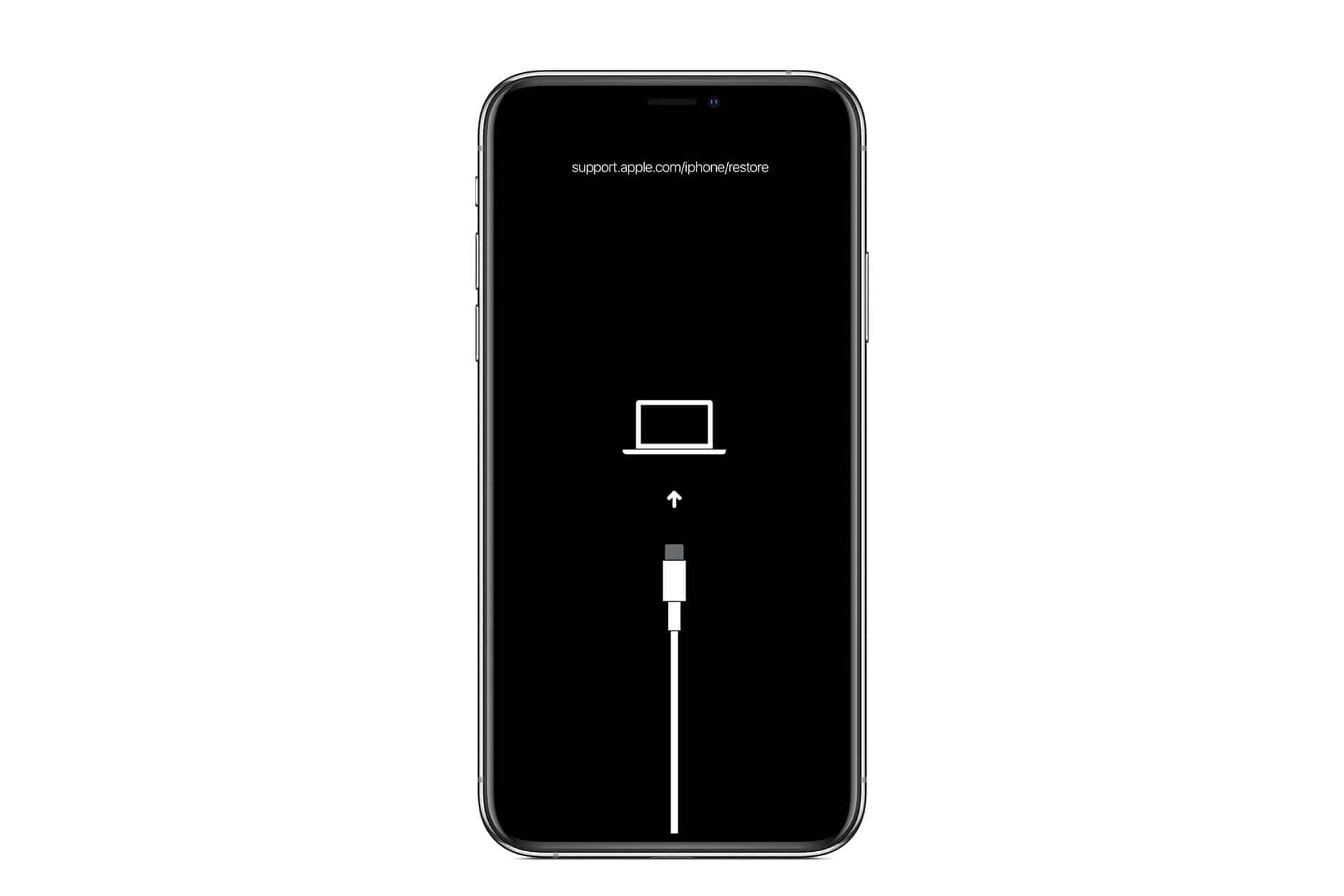
- Screen shows a cable pointing to a computer
Before assuming hardware failure, Recovery Mode is often the next logical step.

What to Check Before Using iPhone Recovery Mode
Before connecting your iPhone to a computer, it’s worth checking a few basics.
Make sure the battery isn’t completely drained. Plug the iPhone into power for at least 30 minutes.
Inspect the charging cable and port. Try a different cable or power source if possible.
Force restart the iPhone. This alone can resolve many temporary software glitches.
Workflow
Press and release Volume Up > Press and release Volume Down > Press and hold the Side button until you see the Apple logo
If the iPhone still won’t start properly, Recovery Mode is the next step.
How to Put iPhone Into Recovery Mode
Recovery Mode requires a Mac or Windows PC with Finder or iTunes installed.
Workflow
Connect iPhone to computer > Quickly press and release Volume Up > Quickly press and release Volume Down > Press and hold the Side button > Keep holding until the recovery screen appears
You’ll know Recovery Mode is active when you see a cable pointing to a computer icon.

Using Recovery Mode to Update iPhone
Once in Recovery Mode, your computer will detect a problem and offer two options: Update or Restore.
Always try Update first.
Workflow
Recovery prompt > Choose Update
Update reinstalls iOS without erasing your data. This process can take some time. If the download takes too long and the iPhone exits Recovery Mode, repeat the steps and try again.
Using Recovery Mode to Restore iPhone
If Update fails, Restore may be required.
Workflow
Recovery prompt > Choose Restore
Restore erases the iPhone and installs a fresh copy of iOS. This resolves deeper system issues but removes all data on the device. You can recover data later if you have an iCloud or computer backup.
Recovery Mode vs DFU Mode
Recovery Mode is designed for most software problems. DFU Mode goes deeper and is usually only recommended by Apple Support or technicians.
If Recovery Mode doesn’t work, DFU may be suggested, but it’s not typically needed for standard troubleshooting.
When Recovery Mode Is Not Enough
If your iPhone still won’t respond after a restore, the issue may be hardware-related.
Possible causes include:
- Battery failure
- Water damage
- Logic board issues
- Damaged display or internal components
At this point, professional support is the safest path.
What to Do Before Contacting Apple Support
Before calling Apple Support or visiting an Apple Store, prepare a few details.
- Know your Apple ID and password.
- Check if the iPhone appears in your iCloud account.
- Confirm whether you have a recent backup.
Note what happened before the issue started, such as an update, drop, or exposure to water.
This information helps Apple diagnose the problem faster.

When to Visit an Apple Store
If the iPhone Recovery Mode and restore fail, or if the iPhone shows no signs of power at all, a hardware inspection is necessary. An Apple Store or authorized service provider can run diagnostics and confirm whether repair or replacement is required.
iPhone Recovery Mode is designed to be a last line of defense before service. In many cases, it’s enough to bring an unresponsive iPhone back to life, restoring normal operation without leaving home.

