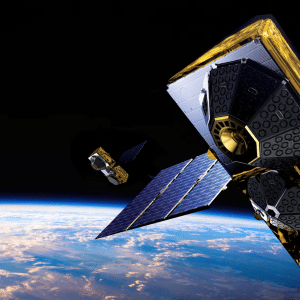
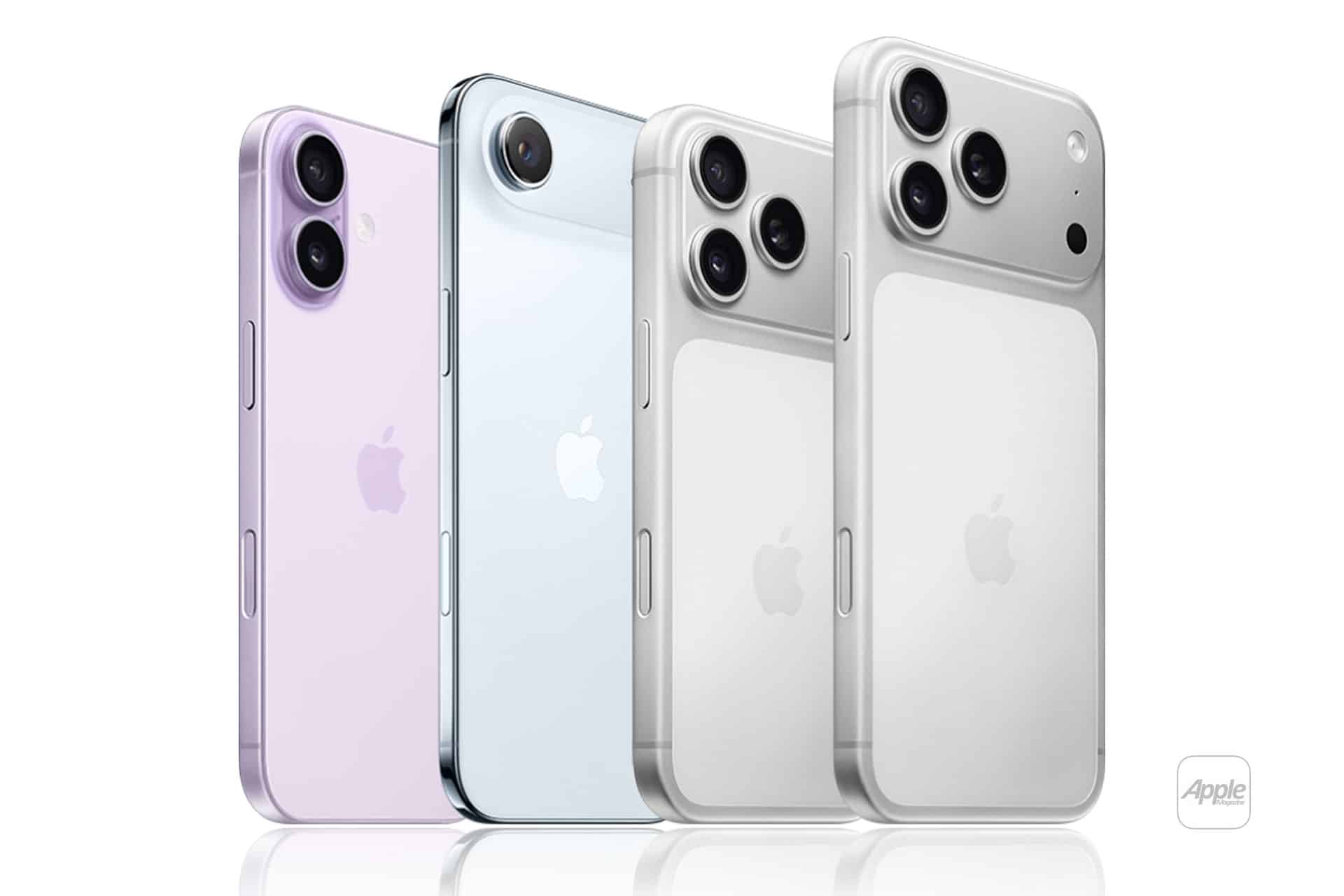
NASA’s upcoming Crew-12 mission, now scheduled for February 13, marks the first time iPhone devices are officially authorized for operational use in orbit under the agency’s updated personal-electronics policy. The decision signals a gradual transition toward integrating familiar consumer technology into spacecraft environments, where certified personal devices can assist with communications, documentation, and daily onboard workflows alongside specialized aerospace systems.
Certified Wireless Communications Inside the International Space Station
One of the most important factors enabling iPhone use in orbit is the certified wireless communication infrastructure operating inside the International Space Station. The station maintains tightly controlled Wi-Fi networks and carefully regulated wireless frequency environments designed to prevent interference with navigation systems, research payloads, and life-support equipment. Any personal device approved for flight must pass strict electromagnetic compatibility testing before being cleared for onboard operation.
Within this controlled environment, iPhones connect to station-approved wireless networks configured to operate at defined transmission levels and designated frequency bands. This ensures that image transfers, internal messaging, and documentation activities can occur without affecting mission-critical equipment. Certified onboard Wi-Fi allows astronauts to use familiar mobile interfaces for routine communication tasks while maintaining the reliability standards required for orbital operations.
As future spacecraft incorporate mixed-use environments supporting research, commercial missions, and extended habitation, standardized wireless compatibility will remain essential for enabling everyday connectivity in orbit while preserving operational safety.

Microgravity Usage and Device Behavior in Orbit
Using iPhone hardware in microgravity introduces new real-world operating conditions. Orientation systems, wireless transmission characteristics, battery performance, and thermal behavior all respond differently in zero-gravity environments compared to Earth. Continued orbital operation provides valuable observational data that can guide future software refinements designed to improve usability when gravity-dependent sensor behavior changes.
Potential adjustments may include expanded manual orientation controls, enhanced face-alignment detection when gravity-based orientation cues are limited, and power-management optimizations tuned for orbital communication conditions. As more missions incorporate personal devices, accumulated operational feedback is expected to support gradual platform improvements designed for environments beyond Earth.
Consumer Connectivity and the Expansion of Space Access
The authorization of iPhone devices for the Crew-12 mission aligns with a broader transformation in spaceflight, where commercial travel programs, private orbital platforms, and early hospitality modules are being designed with personal connectivity in mind. Future orbital facilities and extended-duration missions are expected to include certified wireless communication environments similar to those currently operating aboard the International Space Station, enabling passengers and crew to use personal devices for everyday digital interaction.
Plans for expanded commercial space travel, orbital research platforms, and long-term lunar missions all require communication systems capable of supporting routine personal connectivity. As these infrastructures develop through the remainder of the decade, familiar mobile devices are positioned to become standard tools for communication, documentation, and personal interaction beyond Earth.

A New Stage for Personal Technology Beyond Earth
The inclusion of iPhone devices in upcoming orbital missions represents an early step in integrating consumer technology into future space environments. Certified wireless networks, controlled transmission standards, and strict compatibility testing make it possible for everyday devices to function safely alongside scientific and mission-critical systems. As commercial launches, extended orbital stays, and future lunar operations expand, personal mobile technology is steadily becoming part of the operational ecosystem supporting daily life in space.