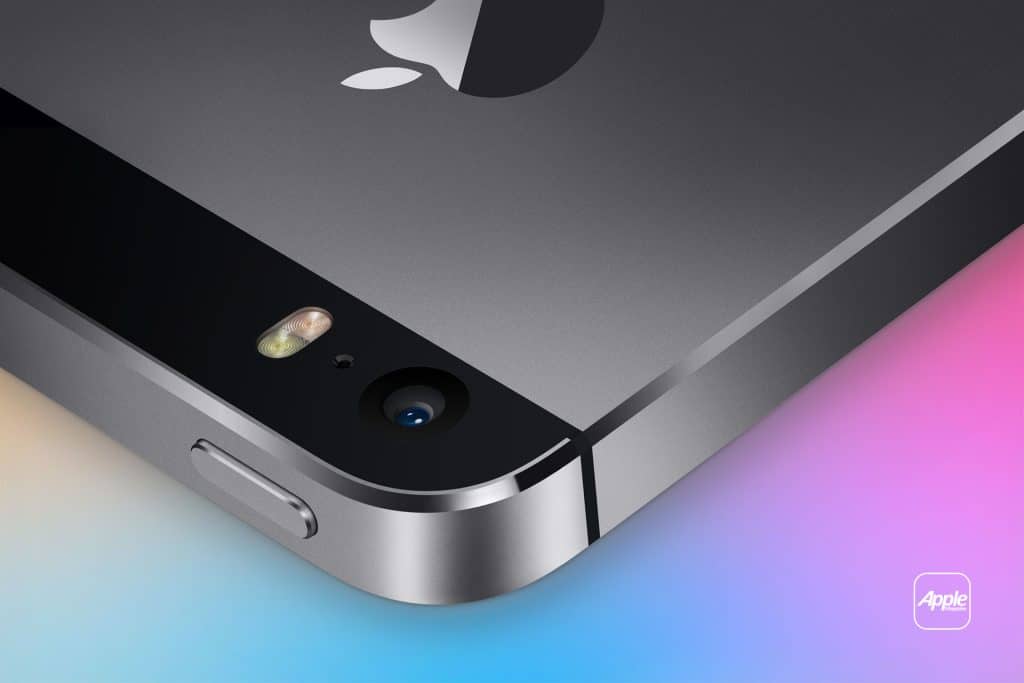
Yes, it’s true! Apple just launched an unexpected update for old models!
Apple’s latest iPhone update quietly changes how long an iPhone can remain useful. While most people associate iOS releases with new features for the newest devices, Apple has now extended critical support for models released more than a decade ago. This decision reshapes the idea of device lifespan, especially for families, businesses, and users who rely on older hardware for daily communication.
The average recommended lifespan for an iPhone is five to seven years. After that, devices usually stop receiving major iOS versions and slowly lose compatibility with modern apps and services. Yet Apple has now released iOS 12.5.8 and additional updates for older systems, keeping devices functional well into 2027. This is not a feature refresh, but a stability and security lifeline that ensures essential services like iMessage, FaceTime, and device activation continue to work.


Which iPhone Models Can Receive This Update
This extended update applies to some of the oldest iPhones still in use. Devices that normally would have been left behind are now protected for several more years.
Supported legacy models include:
- iPhone 5S (2013)
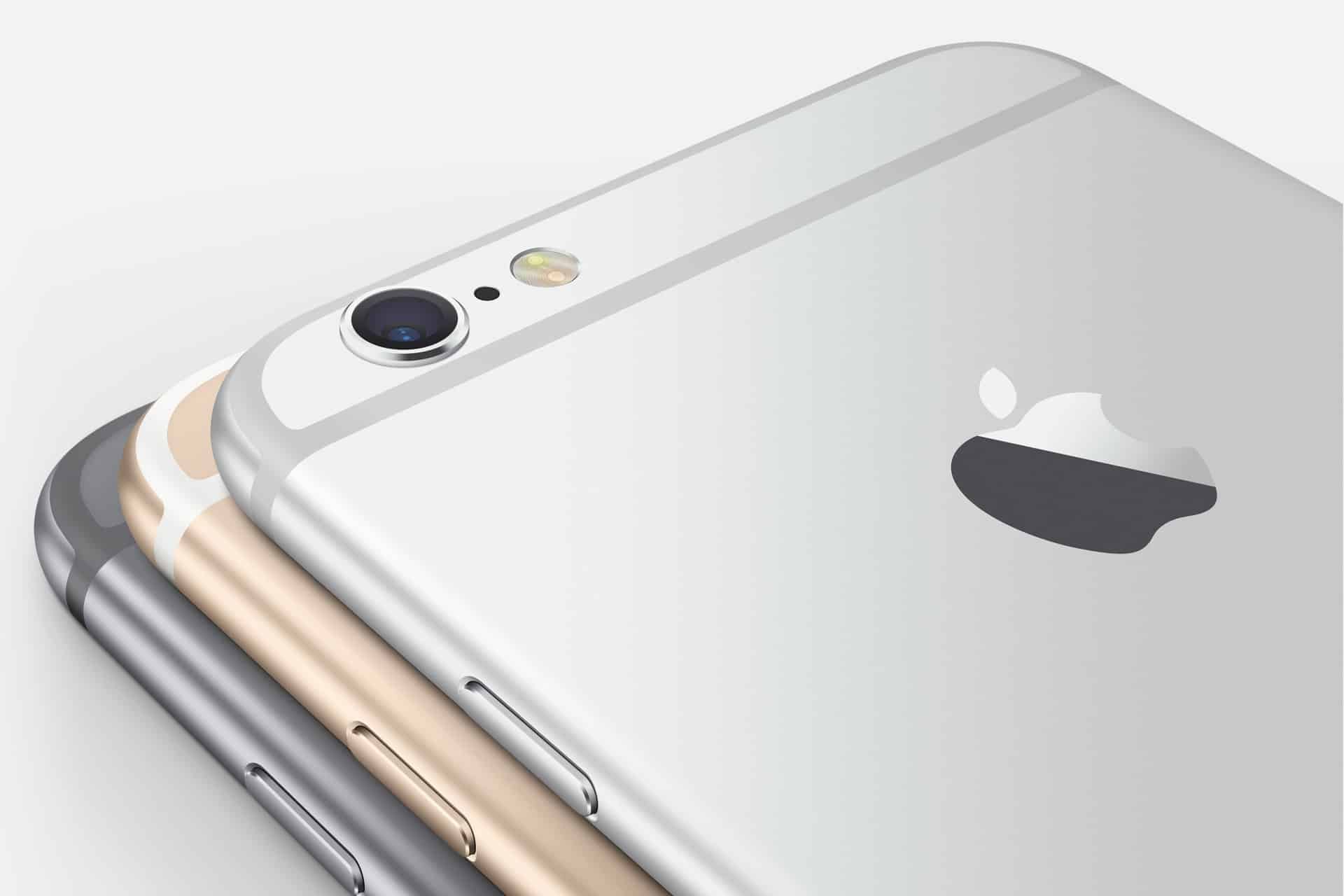
- iPhone 6 (2014)
These devices receive iOS 12.5.8, their first update in years. Apple confirms this release extends security certificates required for Apple services to remain active after January 2027.
Other older but more recent models are also receiving maintenance updates through their current supported systems.
- iPhone 7
- iPhone 8
- iPhone X
These models are receiving updated versions of iOS 16 and iOS 18, ensuring they remain secure and compatible with Apple services through the 2026–2027 window.
Safety and Privacy
Even if your iPhone still turns on and works, outdated software eventually causes deeper problems. Security certificates expire. Network authentication fails. Messaging and FaceTime stop working. App Store access becomes unstable. Without updates, the device may technically function but slowly lose its connection to Apple’s ecosystem.
This iPhone update prevents that from happening. Apple is not adding new features, but protecting the foundations that allow these older devices to stay connected. For users who depend on older phones as backups, family devices, or work tools, this update prevents forced hardware upgrades and keeps devices reliable for a few more years.
A Welcome Refresh
Apple’s move signals a broader shift in long-term software responsibility. Instead of allowing old devices to silently fail, Apple is choosing to keep them operational. This protects users who may not be ready or able to upgrade yet, and it supports sustainability by reducing unnecessary hardware waste.
It also gives owners of older models time. Time to plan an upgrade. Time to back up data. Time to transition gradually instead of under pressure from broken services.
For many households, this update means a trusted phone can remain in service until at least 2027.

How to Install the Update
If your device is eligible, installing the update is simple.
Settings > General > Software Update
Follow the on-screen instructions to download and install the latest version available for your device.
Before updating, make sure your iPhone is connected to Wi-Fi, has sufficient battery charge, and enough storage space. These updates are small, but stability improves when the installation environment is clean.
A Refresh Without New Hardware
This iPhone update does not add flashy features or redesign the interface. What it delivers is reliability. It keeps the foundation strong so older devices can continue to function in a modern digital world.
For many users, this is exactly what matters most. Not a new camera. Not a faster chip. But the ability to keep using a trusted device for calls, messages, and daily communication without disruption.
Apple has given these older iPhones a second life. And for many, that extra time is more valuable than any new feature.