

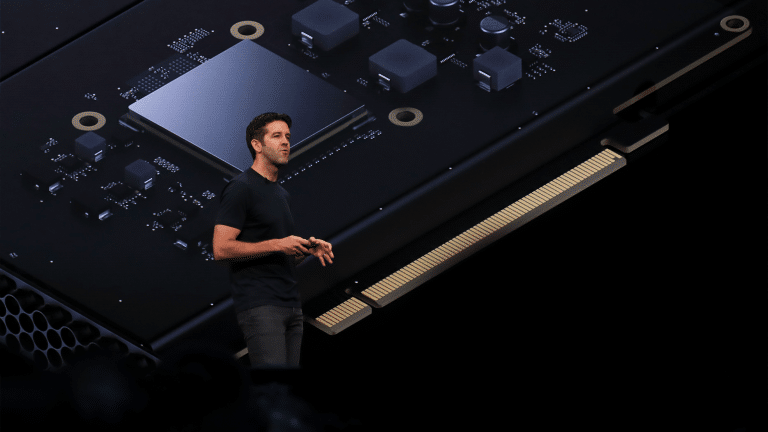
John Ternus will become Apple’s next CEO with Wall Street expecting more than a smooth leadership handoff. After Apple’s fiscal second-quarter results beat estimates and set new March-quarter records for revenue, iPhone revenue, and earnings per share, the company’s incoming chief executive is preparing to inherit a business that looks financially stronger than many investors expected only weeks ago.
Apple reported $111.2 billion in revenue for the quarter ended March 28, 2026, up 17 percent from the year-ago period. Diluted earnings per share reached $2.01, up 22 percent year over year. Services revenue reached another all-time high, while iPhone delivered a March-quarter revenue record behind what Tim Cook described as extraordinary demand for the iPhone 17 lineup. The company also reported double-digit growth across every geographic segment, giving the quarter a broad strength that will shape how Ternus is judged when he formally takes over.
The succession itself is already set. Cook will become executive chairman of Apple’s board, and Ternus, currently senior vice president of Hardware Engineering, will become CEO on September 1, 2026. Apple said the transition followed a long-term succession planning process approved unanimously by the board. That planning gives investors continuity, but it does not lower the bar. If anything, the earnings call raised it.
Ternus used his appearance on the call carefully. He praised Cook’s leadership, acknowledged the scale of the moment, and avoided detailed product promises. That restraint was not accidental. Apple’s culture of secrecy remains one of the company’s most valuable operating habits, and Wall Street appeared to welcome Ternus signaling that he would not break from it. In a market that often pressures technology companies to overexplain roadmaps, Apple’s refusal to preview too much still functions as part of its brand discipline.

A Stronger Apple Raises the Bar
John Ternus is not inheriting a company in crisis. He is inheriting one of the most profitable businesses in the world after a quarter that beat expectations, widened confidence in the iPhone cycle, and gave Services another record. That is a better starting point than many incoming CEOs receive, but it also removes some of the room for patience.
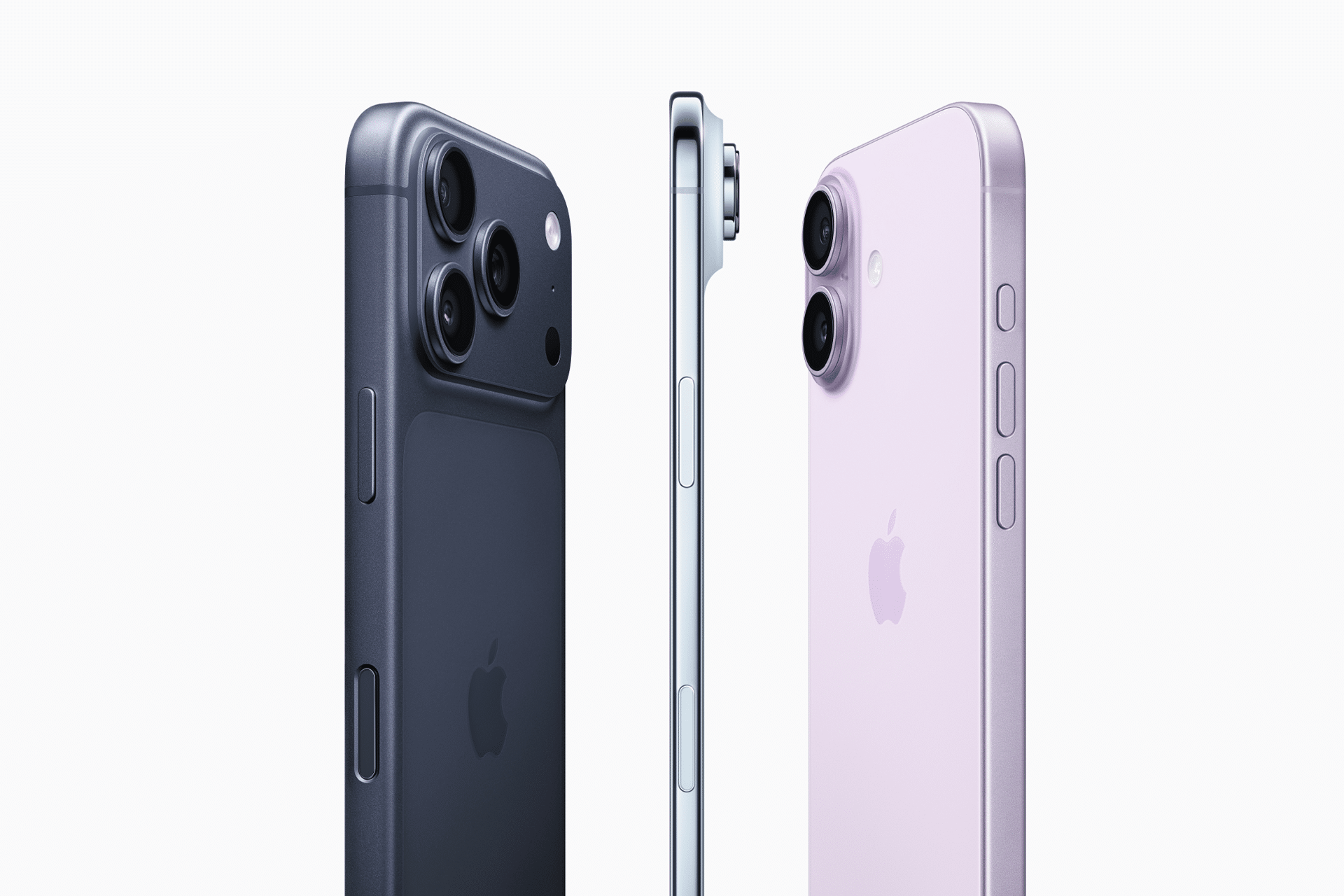
The March quarter gives Ternus a strong platform. Apple’s revenue growth was not limited to one region or one category. iPhone demand was strong enough to create supply pressure. Services reached a new high. Mac revenue showed renewed momentum, helped by interest in MacBook Neo. Apple’s installed base of active devices also reached a new all-time high across major product categories and geographic segments, giving the company a larger foundation for future Services growth.
Those numbers matter because they reset expectations before Ternus takes control. Investors will not measure his first year only against the uncertainty of a CEO transition. They will measure it against a quarter where Apple showed that iPhone, Services, Mac, China, margins, and cash flow could all support the story at once. That makes the transition less about rescuing momentum and more about sustaining it.
Cook’s tenure also leaves a difficult comparison. Since becoming CEO in 2011, he expanded Apple far beyond the company Steve Jobs left behind. Cook built Apple into a larger global business, deepened the supply chain, scaled Services, expanded wearables, strengthened capital returns, and kept the iPhone at the center of one of the most valuable consumer ecosystems in technology. Ternus will not be asked to replicate Cook’s exact path, but he will be expected to protect the machine Cook built.
The new CEO’s background gives him a different profile. Ternus is a hardware leader, not an operations executive in the Cook mold. He has spent about 25 years at Apple and has been closely associated with product engineering, Mac transitions, iPad hardware, and the broader Apple silicon era. That makes his appointment meaningful at a time when hardware differentiation, silicon performance, AI features, and device form factors are becoming more closely connected.
Wall Street Values Apple’s Secrecy
John Ternus also inherits Apple’s strict approach to product secrecy, and his commitment to that tradition may matter more than a conventional roadmap statement. During his earnings call appearance, he avoided giving investors detailed product previews, instead pointing to confidence in Apple’s future and the company’s product culture. That restraint matched Apple’s usual posture.
Wall Street often asks for visibility, especially during leadership transitions. Analysts want guidance, product clues, margin context, and signals about future categories. Apple gives some of that through financial commentary, but rarely through explicit product disclosures. The company has built a different pattern: it keeps upcoming products largely private, then uses launch events, developer conferences, and carefully staged announcements to control the story.
That secrecy has financial value. It helps Apple manage demand, protect supplier negotiations, reduce imitation, preserve launch impact, and keep attention focused on finished products rather than rumors. It also gives Apple more room to change timing internally without having to publicly walk back promises. For a company watched as closely as Apple, that discipline is not only cultural. It is strategic.
Ternus needed to show that he understands that system. Investors may want to know more about foldable devices, Apple Intelligence, Siri, Vision Pro, future Macs, iPhone design changes, and new services. But a new Apple CEO who tried to prove himself by offering too much detail would risk weakening one of the company’s defining habits. By staying within Apple’s normal boundaries, Ternus sent a reassuring message: the leadership voice may change, but the company’s product discipline will not.
That matters because Apple’s next cycle is crowded with expectation. Investors are waiting for more visible progress in AI, a clearer Siri upgrade path, stronger Vision Pro momentum, continued Mac growth, and the next stage of iPhone innovation. If a foldable iPhone or other major hardware shift is on the horizon, Apple will be under even more pressure to preserve surprise while convincing the market that its roadmap remains competitive.
Secrecy alone will not satisfy investors forever. Apple still has to deliver products that justify the discipline. But the earnings call showed that Wall Street was not looking for Ternus to become more transparent than Apple’s culture allows. It was looking for evidence that he understands what should remain unsaid.

The Product Burden Moves to a Hardware CEO
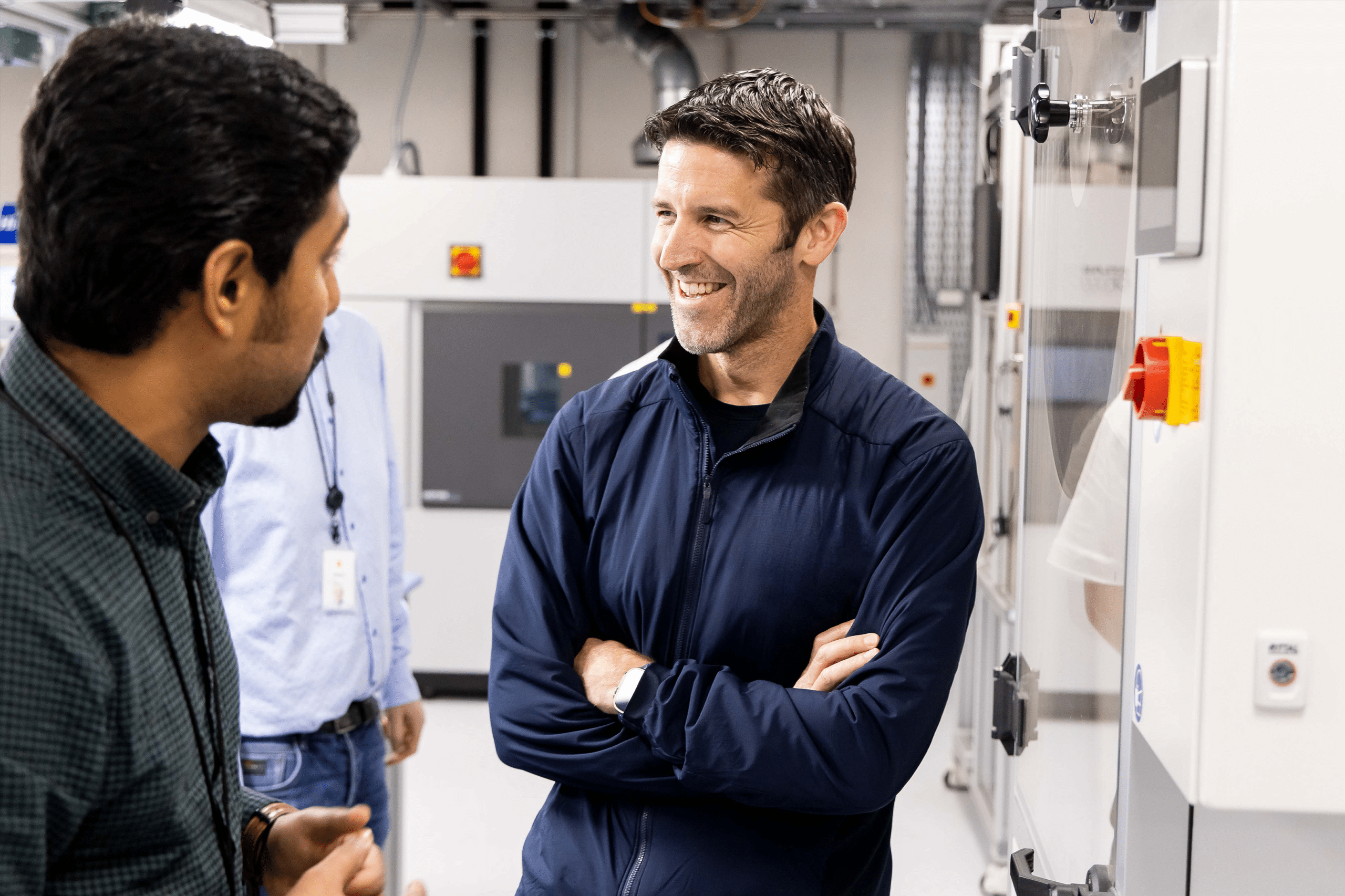
John Ternus becoming CEO puts hardware closer to the center of Apple’s leadership story. That does not mean Services, software, AI, retail, or operations become less important. It means the person at the top now comes from the part of Apple responsible for turning design, silicon, battery life, displays, cameras, materials, thermals, and manufacturing realities into products customers can buy at scale.
That background fits the moment. Apple’s near-term expectations are tied closely to hardware platforms. The iPhone 17 lineup is driving strong demand. MacBook Neo appears to be expanding Mac interest. Mac mini and Mac Studio supply constraints suggest desktop Macs are finding new use cases in local AI, development, and creative workflows. Apple Vision Pro still needs a clearer growth path. Apple Watch and AirPods remain important parts of the ecosystem, even when they are not the main earnings headline.
Ternus will also have to manage the relationship between hardware and Apple Intelligence. Apple has framed AI around privacy, on-device processing, personal context, and system-level integration. That strategy depends on hardware as much as software. Neural Engine performance, unified memory, battery efficiency, sensors, microphones, cameras, and Apple silicon all shape how Apple can deliver AI features without following the same cloud-heavy model as some rivals.
The challenge is that investors are impatient. Apple has been criticized for moving more slowly in generative AI than competitors. Ternus will need to show that Apple’s slower, integrated approach can produce features that matter to ordinary users, not only demos that sound promising at a developer event. Siri, writing tools, image features, translation, app intelligence, and personal automation will all be watched more closely under his leadership.
His hardware credibility could help. Apple’s strongest AI argument may not be that it builds the biggest models. It may be that it controls the device, chip, operating system, app framework, privacy model, and customer experience. A CEO with deep product engineering experience can make that argument naturally, especially if future devices are designed around more local intelligence from the beginning.
At the same time, hardware leadership brings risk. Wall Street will expect product clarity. A new CEO from hardware cannot easily separate himself from product delays, supply constraints, thermal limits, feature gaps, or weak category launches. Ternus will get credit if Apple’s next wave feels sharper. He will also receive direct scrutiny if the hardware roadmap appears too cautious.
Cook’s Shadow Will Stay in the Room
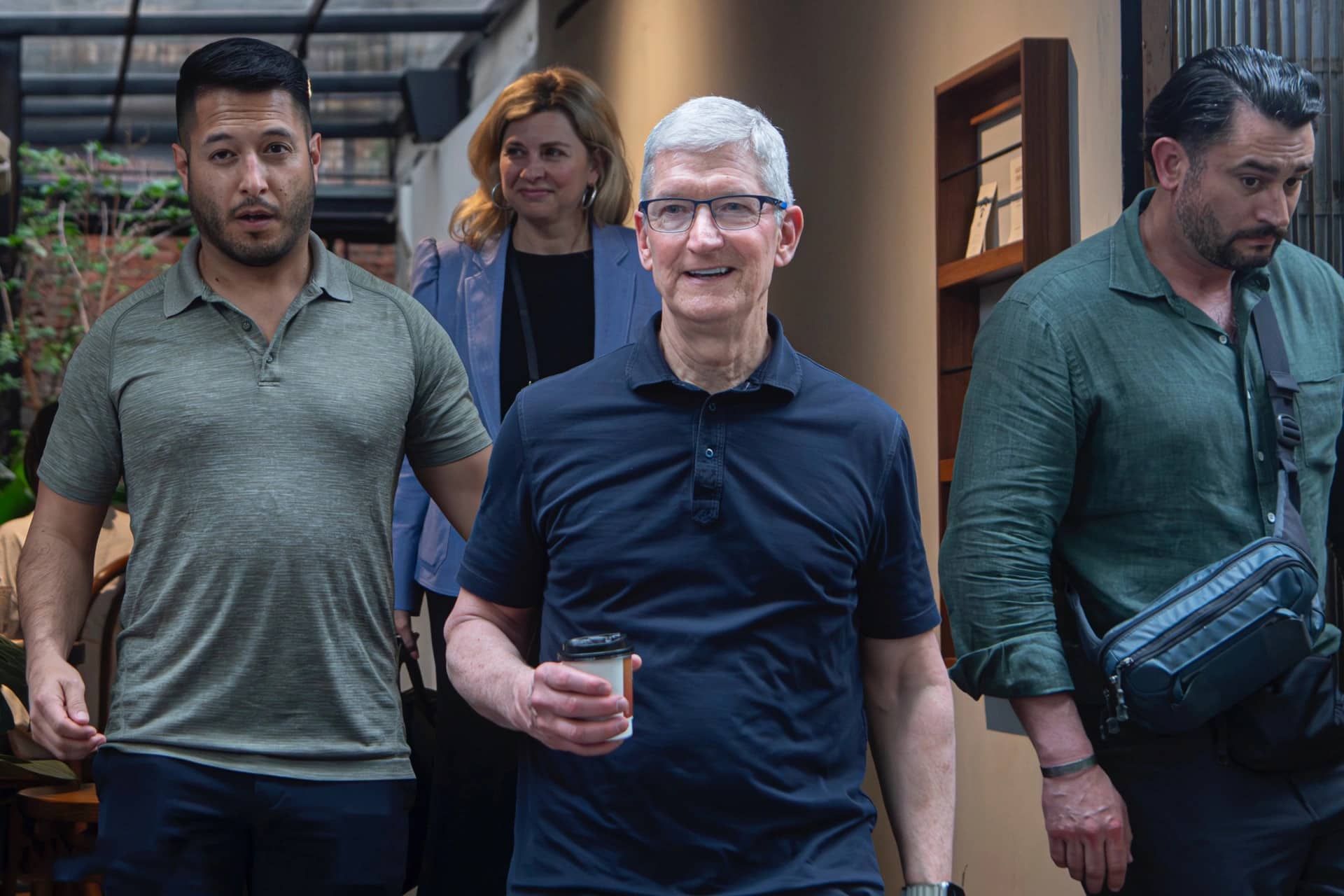
Tim Cook remaining as executive chairman gives Apple continuity, but it also means Ternus will lead with Cook still close to the company. That can help the transition. Cook understands investors, regulators, suppliers, governments, and Apple’s internal operating structure better than almost anyone. His presence can reassure the market that Apple is not making an abrupt break from the leadership model that built its modern scale.
The arrangement can also create a delicate balance. Ternus will need enough room to become CEO in practice, not only in title. Cook’s move to executive chairman should provide guidance and board-level continuity, but Apple will eventually need investors and employees to see Ternus as the central decision-maker. That transition may be gradual, especially in the first year.
The earnings call helped start that process. Ternus appeared alongside Cook and CFO Kevan Parekh, giving investors a first look at the new leadership rhythm in a high-pressure setting. He did not need to dominate the call. His role was to show composure, respect the company’s culture, and signal continuity. The larger test will come after September, when product launches, earnings calls, regulatory decisions, and investor questions carry his name at the top.
Cook’s legacy will shape every comparison. He proved that Apple could thrive after Steve Jobs by scaling the company without losing its product power. Ternus will now have to prove that Apple can thrive after Cook by preserving operational excellence while pushing the product roadmap into a more demanding era. That is a different task, and it may require a different kind of leadership.
The company’s financial strength gives him time, but not unlimited patience. Apple is still facing AI competition, supply pressure, memory cost increases, regulatory scrutiny, App Store challenges, China competition, and questions around the next major device category. A record quarter does not remove those pressures. It makes them easier to manage while expectations rise.
A New CEO With Less Room for Error
John Ternus will take over Apple with a stronger financial base than many investors expected. That is good news for the company, but it also makes his job harder. A CEO who inherits weakness can be judged on recovery. A CEO who inherits record performance is judged on acceleration, discipline, and the ability to avoid breaking what already works.
The Q2 2026 earnings call gave Ternus three immediate advantages. It showed that iPhone demand remains strong. It confirmed that Services is still setting records. It let him appear in front of investors while reinforcing Apple’s familiar culture of secrecy. Those are valuable starting points for a transition that could have easily been overshadowed by anxiety.
The larger question is what Ternus does with that trust. Apple does not need him to imitate Cook. It needs him to protect the company’s operating discipline while bringing hardware, software, and AI into a sharper product cycle. That means keeping enough secrecy to preserve Apple’s launch power, while delivering enough visible progress to convince Wall Street that the next era is more than a careful continuation of the last one.
The market has already been given the message Ternus wanted to send: Apple’s roadmap remains protected, the company’s values remain intact, and the new CEO does not plan to trade secrecy for short-term reassurance. The next proof will not come from an earnings call. It will come from the products Apple chooses to reveal after he takes the role.