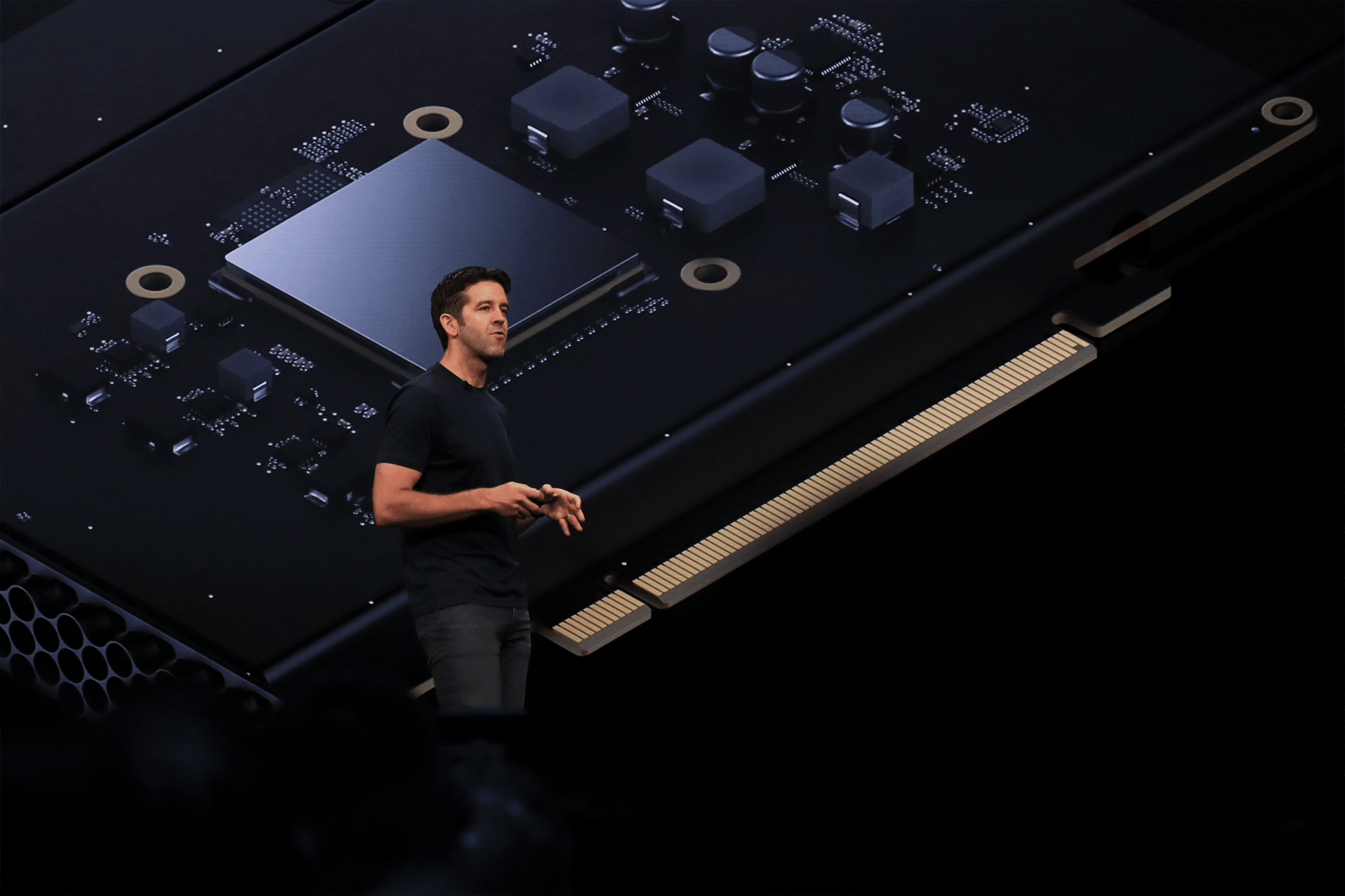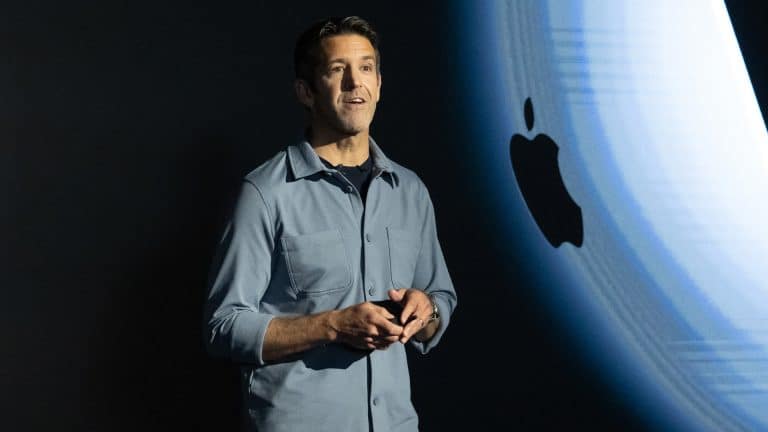
John Ternus before Apple is a story about engineering before visibility. Long before he became one of the company’s most important hardware executives, and before Apple named him its next CEO, Ternus was building the kind of technical background that fits Apple’s product culture unusually well. His early path was not built around public attention, celebrity leadership, or the kind of founder mythology often attached to Silicon Valley executives. It was built around mechanical engineering, discipline, and the physical reality of making technology work in the hand, on the desk, and close to the body.
That background matters because Ternus is not a finance executive stepping into a product company, and not a software leader learning hardware from the outside. His career began where many Apple products ultimately succeed or fail: in the tension between design ambition and engineering reality. Apple’s own leadership profile says he holds a bachelor’s degree in Mechanical Engineering from the University of Pennsylvania and worked as a mechanical engineer at Virtual Research Systems before joining Apple in 2001. Reuters also reported that Ternus began his career at Virtual Research Systems after studying mechanical engineering at Penn, before rising inside Apple’s product design and hardware organizations.
For a future Apple CEO, that early profile says a lot. Ternus came from the world of mechanisms, materials, tolerances, user interaction, and product constraints. Those are not abstract concerns. They are the details that decide whether a laptop hinge feels solid after years of use, whether a display enclosure remains thin without becoming fragile, whether a wearable is comfortable enough to stay on the wrist, and whether a device can fit new technology without losing the simplicity people expect from Apple.
The Penn Years and a Mechanical Engineering Foundation
Ternus studied mechanical engineering at the University of Pennsylvania, a program rooted in physics, materials, design, manufacturing, and applied problem-solving. Mechanical engineering is one of the most practical engineering disciplines because it deals constantly with trade-offs. A part can be lighter but weaker. A device can be thinner but harder to cool. A product can be more powerful but less efficient. Every decision affects another part of the system.
That way of thinking connects directly to Apple’s hardware philosophy. Apple rarely treats products as collections of isolated specifications. The company is known for building devices where the enclosure, battery, display, chip, thermal system, camera, speakers, sensors, and software all have to work together. A leader trained in mechanical engineering enters that environment with a natural sensitivity to system-level trade-offs.
His time at Penn also adds another detail to his personal profile. Ternus has been described in biographical accounts as a former competitive swimmer during his university years. That background is not the center of his career, but it fits the larger picture of someone formed by repetition, discipline, and performance under constraint. Swimming is a sport where small refinements matter. Technique, breathing, rhythm, endurance, and precision all compound over time. It is not difficult to see why that kind of mindset would translate well into product engineering.
The most useful part of Ternus’ education, though, was likely not any single course or project. It was the habit of thinking physically. Apple products often look simple because enormous complexity has been hidden inside them. Mechanical engineers are trained to respect that hidden complexity. They understand that elegance is not the absence of difficulty. It is the result of solving difficulty cleanly.

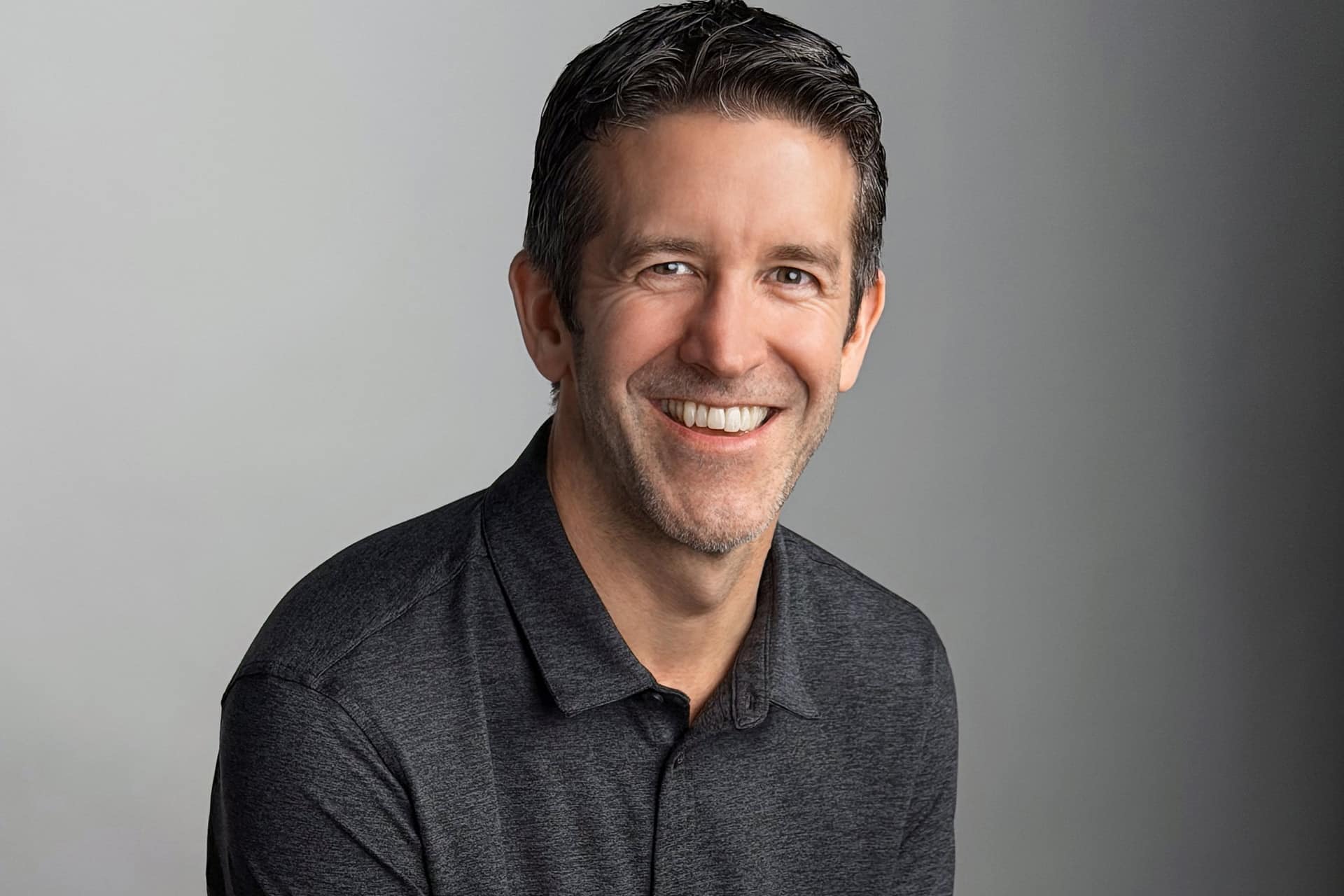
Virtual Research Systems and Early VR Hardware
After Penn, Ternus worked as a mechanical engineer at Virtual Research Systems. Apple confirms the company name in its leadership profile, and Reuters also identifies the role as his pre-Apple job. Virtual Research Systems was part of the early virtual reality hardware world, a field that explored head-mounted displays and immersive interfaces long before consumer VR became mainstream.
That experience now looks more relevant than it may have seemed at the time. Early VR hardware was difficult, awkward, and ambitious. The technology had to deal with displays, optics, fit, weight, motion, comfort, sensors, and human perception. These are some of the same challenges that continue shaping spatial computing today. A headset is not like a desktop computer. It touches the face. It affects balance and comfort. It has to manage heat and weight near the user’s head. It must make technology feel intimate without becoming overwhelming.
For a young mechanical engineer, that kind of work would have been valuable training. It places the engineer close to the human body, not just inside a product shell. It forces attention to comfort, ergonomics, and the relationship between hardware and perception. Those lessons are useful across many Apple categories: Apple Watch, AirPods, Vision Pro, iPad, MacBook, and iPhone all depend on how a device feels during real use, not only how it performs in a lab.
Virtual reality in the late 1990s and early 2000s was not the polished consumer field it is trying to become today. It was experimental, technically limited, and full of hard physical problems. That may have made it an ideal training ground for someone who would later work at Apple. Apple’s best hardware often takes emerging ideas and makes them feel finished enough for ordinary people. Ternus’ early exposure to VR hardware gave him experience with a category where the gap between possibility and comfort was especially wide.
A Pre-Apple Career Built Around Real Products
One of the most interesting parts of John Ternus before Apple is how unflashy it is. There is no famous startup exit, no public founder story, no early media persona. He worked as an engineer. That kind of beginning matches the way Apple often develops its strongest internal leaders. The company tends to value people who can operate inside long product cycles, collaborate across disciplines, and understand how decisions made years before launch shape the final device.
A mechanical engineer working on early VR systems would have faced problems that did not resolve through software alone. Physical design matters. Materials matter. Manufacturing matters. Comfort matters. Reliability matters. That background would later fit Apple’s product design team, which Ternus joined in 2001.
Apple in 2001 was a very different company from the one he will soon lead. The iPod had just arrived. The iPhone did not exist. The iPad did not exist. Apple Watch, AirPods, Apple Silicon Macs, and Vision Pro were many years away. The Mac was still at the center of the product identity, and Apple was rebuilding its reputation through cleaner design, stronger software, and more focused hardware.
Joining Apple’s product design team at that point meant entering a company in motion. It was smaller, sharper, and still proving that its comeback could last. Ternus arrived before the modern Apple empire existed. That timing gave him a front-row education in how Apple builds categories from the inside.
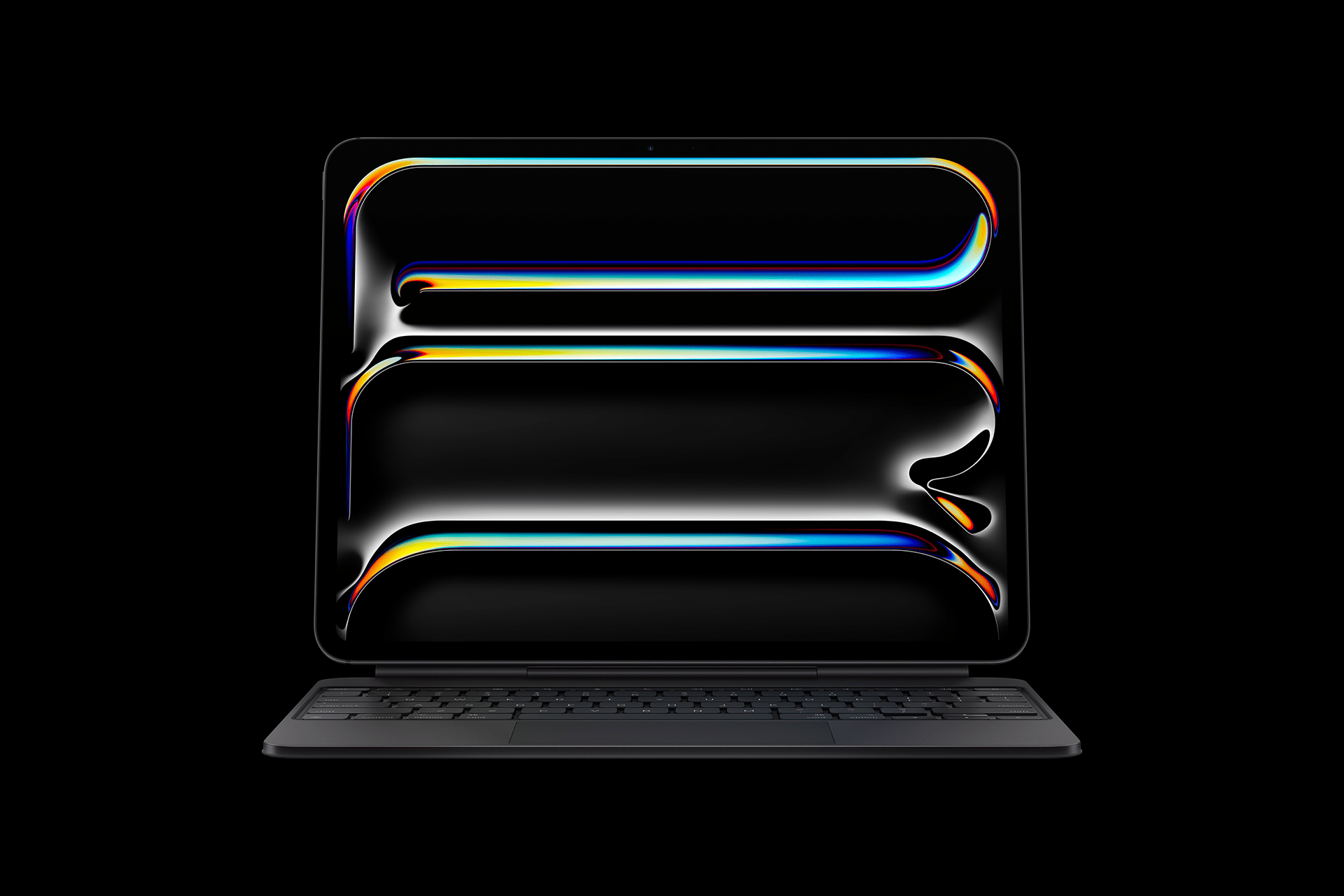
Why His Early Background Matters Now
Ternus’ pre-Apple story matters more now because of the kind of Apple he is set to inherit. The next era will not be defined only by faster chips or thinner devices. It will depend on the relationship between hardware, AI, health, spatial computing, battery life, privacy, and personal context. Those are not separate tracks. They meet inside devices.
A CEO with a mechanical engineering background may view those challenges differently from a leader who came up through finance, marketing, or software alone. Hardware teaches patience. It teaches that every major decision has a physical cost. A device can only hold so much battery. A headset can only weigh so much before people stop wearing it. A laptop can only run so hot before performance becomes uncomfortable. A phone can only add so many sensors before space disappears.
That mindset could be especially valuable as Apple tries to make AI more personal. AI is often discussed as software, but on Apple devices it depends heavily on hardware: Neural Engines, memory bandwidth, microphones, cameras, sensors, secure enclaves, batteries, and thermal design. On-device intelligence needs devices designed for it from the start. Ternus’ early and later career both point toward that systems view.
The same applies to Vision Pro and future spatial devices. His pre-Apple VR background does not mean he created Apple’s spatial computing strategy, but it does give his career a fitting symmetry. He worked in early VR hardware before Apple, then later helped oversee hardware engineering during the arrival of Apple Vision Pro. Few Apple executives have a personal technical history that connects so directly to the category’s long arc.
From Quiet Engineer to Public Leader
John Ternus before Apple was not a household name, and for most of his Apple career he remained outside the broader public spotlight. That has changed only gradually through Apple events, executive promotions, and now the CEO transition. His early career shows why that rise feels consistent rather than abrupt. He built from engineering outward.
That matters for Apple’s culture. The company often presents products as simple, but internally they are the result of dense collaboration. Ternus’ path from mechanical engineering student to VR hardware engineer to Apple product design member created a foundation in the kind of work Apple respects most: making difficult technology approachable.
His story also separates him from the stereotype of the modern tech CEO as a public personality first. Ternus’ biography is quieter, more technical, and more product-centered. For Apple, that may be exactly the point. After Tim Cook’s operational era, Apple is choosing a leader whose early formation sits closer to the hardware itself.
The pre-Apple chapter is short compared with the decades he has spent inside Cupertino, but it explains the direction of his career. Mechanical engineering gave him the discipline. Virtual Research Systems gave him exposure to human-centered hardware. Apple gave him the scale. The next chapter will test whether that background can guide the company through AI, spatial computing, and the next generation of personal devices.