

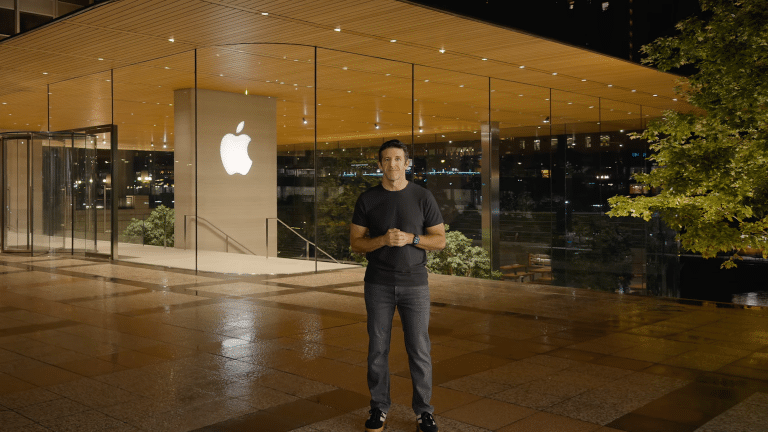
John Ternus products tell a more useful story about his leadership than any executive biography alone. Before Apple named him its next CEO, Ternus spent years inside the hardware organization, close to the devices that define the company’s daily relationship with customers. His career has not been built around one category, one famous product, or one public presentation. It has been built across the full Apple map: Mac, iPhone, iPad, Apple Watch, AirPods, Vision Pro, and the engineering systems that connect them.
That range matters. Apple’s next CEO is not coming from finance, services, retail, or marketing. He comes from hardware engineering, the part of Apple responsible for turning ambition into physical products that must survive millions of hands, pockets, desks, classrooms, studios, flights, workouts, and years of software updates. Apple’s own leadership profile says Ternus leads hardware engineering teams behind iPhone, iPad, Mac, Apple Watch, AirPods, Apple Vision Pro, and more. Reuters described him as a hardware veteran who helped shape major Apple products and most recently led the launch of iPhone Air, one of Apple’s most significant iPhone redesigns in years.
The launches associated with his management show a clear pattern. Ternus’ Apple is not only interested in thinner, faster, or brighter products. It is interested in making hardware serve a larger system. Mac becomes stronger because of Apple Silicon. iPhone Air pushes industrial design into a new thinness category. Vision Pro tests the limits of spatial hardware. AirPods turn small audio devices into a daily computing layer. Apple Watch makes health and safety part of personal technology. These products suggest a leader who understands that Apple’s advantage comes from the whole machine, not one isolated specification.
Apple Silicon Macs Show the Power of Full-System Control
The Mac’s Apple Silicon transition may be the most important hardware chapter connected to Ternus’ rise. It was not only a chip story. It was a product story. Moving the Mac away from Intel required Apple to rethink performance, battery life, thermals, app compatibility, industrial design, professional workflows, and the relationship between macOS and the hardware beneath it.
The result changed the Mac’s public energy. MacBook Air became quiet, efficient, and powerful enough for many users who previously needed heavier machines. MacBook Pro regained its position as a serious professional laptop with strong performance and battery life. Mac Studio created a compact desktop category for creative and technical users who needed more power than a Mac mini but did not want the scale of a traditional tower.
Ternus was not the silicon architect; Johny Srouji’s team led the chip strategy. But hardware engineering had to turn those chips into products people could trust. A great processor alone does not make a great Mac. The enclosure, display, keyboard, thermal system, ports, battery, speakers, camera, and reliability all have to work together. That is where hardware leadership becomes visible.
The Apple Silicon Mac transition reveals one of Ternus’ most important leadership signals: he comes from a culture that values integration over component shopping. Apple did not wait for the PC industry to define the next Mac. It built its own path, then redesigned the product line around it. That instinct will matter as Apple moves deeper into AI hardware, custom modems, new displays, and device intelligence.


iPhone Air Shows a Willingness to Push Physical Design
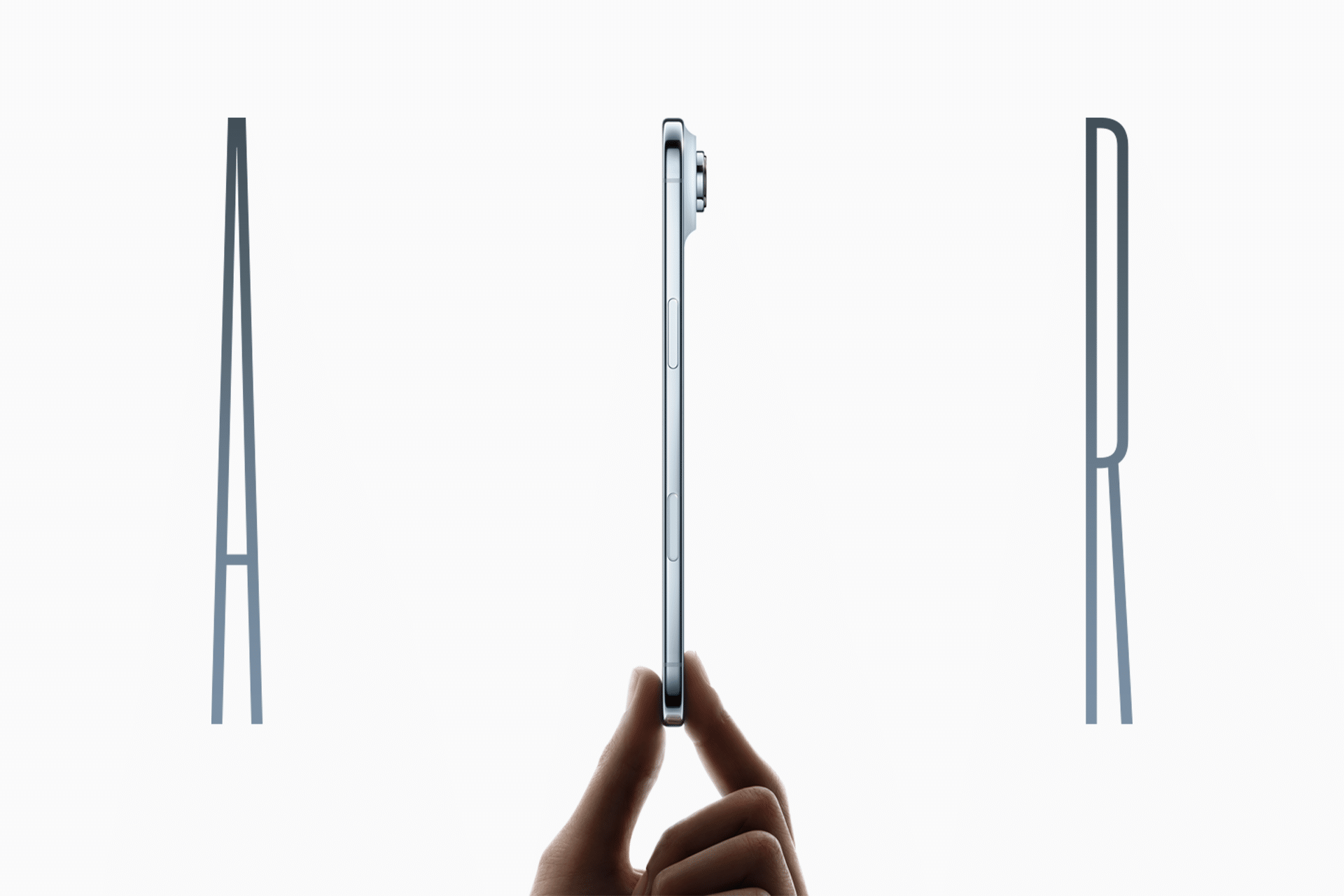
The iPhone Air launch may say even more about Ternus’ taste for risk. Reuters reported that Ternus led the iPhone Air launch in fall 2025 and described it as the most significant iPhone revamp since 2017. The device became a statement around thinness, craft, and the emotional power of holding a radically slim iPhone.
That kind of product reveals both confidence and vulnerability. Ultra-thin hardware impresses immediately, but it also forces trade-offs. Battery placement becomes harder. Speakers have less room. Camera systems become more difficult to balance. Thermal design tightens. Durability expectations remain unforgiving. A thinner iPhone cannot simply look beautiful. It has to remain useful.
That is what makes iPhone Air such an important product in the Ternus story. It suggests a hardware leader willing to make a bold physical argument, not only a safe annual improvement. It also shows how Apple still believes design can move people before they even read the specifications. The iPhone Air was not just another Pro camera upgrade or processor refresh. It was a body-first product, closer to the kind of Apple launch that tries to reset how a category feels in the hand.
The criticisms around iPhone Air also matter. A product that pushes thinness may invite questions about camera capability, speaker performance, battery life, and whether beauty has overtaken practicality. Those are exactly the trade-offs a hardware CEO will have to manage. Ternus’ future Apple will be judged by whether it can keep making products that feel desirable without asking customers to forgive too much.

Vision Pro Reveals the Challenge of Future Categories
Apple Vision Pro is another critical product in the Ternus era, even if its commercial path remains more complicated. As the leader of Apple’s hardware engineering group, Ternus oversaw teams behind Vision Pro, a product that may be the clearest example of Apple trying to build a new computing category through hardware ambition.
Vision Pro is a difficult product because it asks more of the body than a phone, watch, or laptop. Weight, comfort, heat, displays, cameras, sensors, battery placement, straps, audio, eye tracking, hand tracking, and spatial input all have to work at once. It is not enough for the technology to be impressive. The device has to be wearable.
That makes Vision Pro a revealing product for understanding Ternus’ leadership environment. Apple’s hardware team managed to create one of the most advanced consumer headsets ever released, with high-resolution displays, spatial input, strong build quality, and deep integration with Apple’s platforms. At the same time, the product faced real questions around price, comfort, use cases, and mainstream adoption.
For Ternus, that balance will define future categories. Apple cannot only make technically impressive devices. It has to make devices that become natural parts of daily life. Vision Pro may be an early step in a longer spatial computing path, but it shows the difficulty of Apple’s next frontier. The product is extraordinary, but the market is still forming around it.


AirPods and Apple Watch Show the Strength of Everyday Hardware
Some of the most successful Apple products under Ternus’ broader hardware leadership are not dramatic computers. They are smaller devices that became habits. AirPods and Apple Watch show how Apple can win by making hardware disappear into routine.
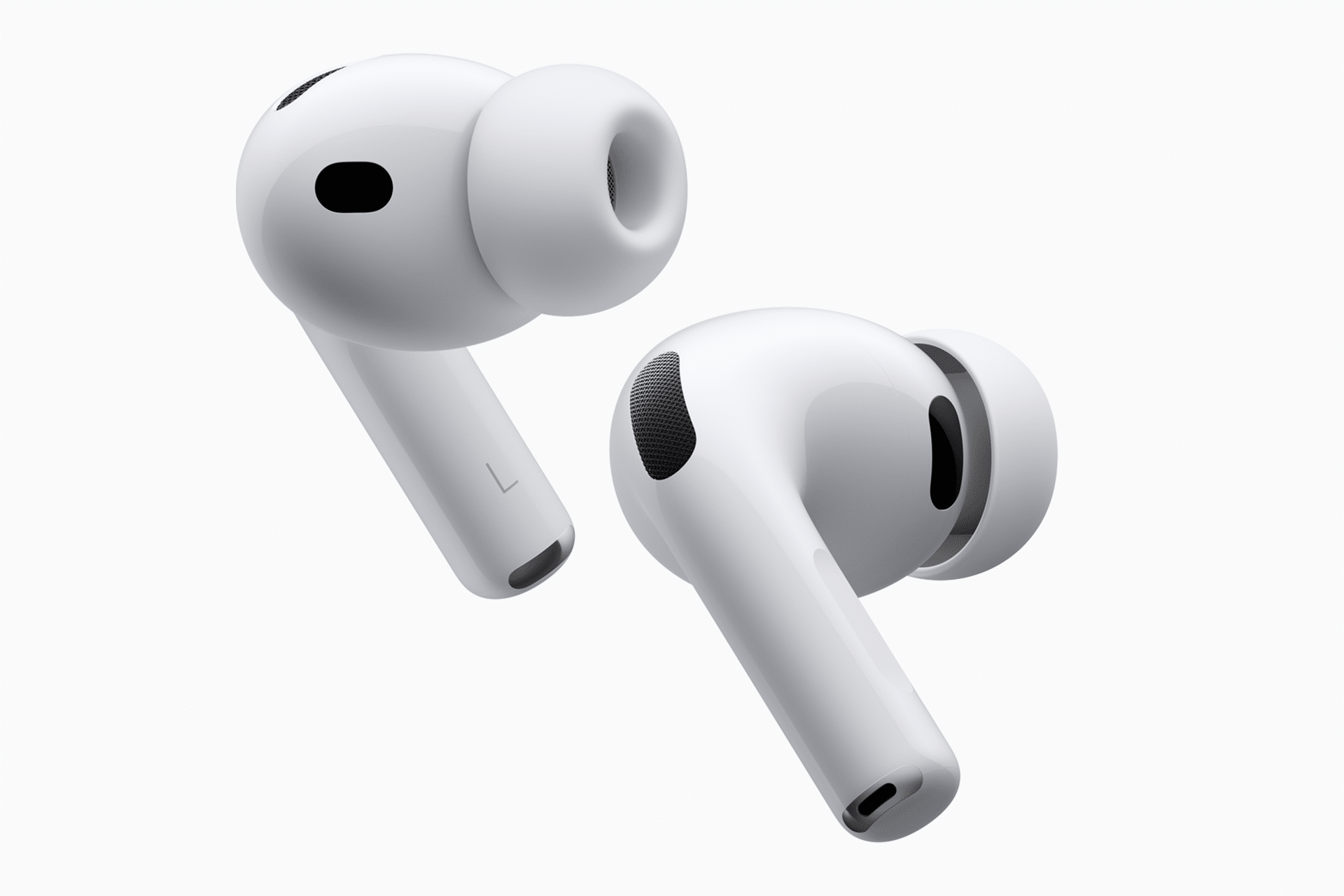
AirPods took wireless earbuds from awkward accessory to default daily companion. The hardware seems simple from the outside, but the experience depends on a tight mix of chips, microphones, batteries, wireless behavior, case design, software pairing, device switching, noise control, and call quality. That is Apple hardware at its most invisible: the product succeeds because people stop thinking about setup.
Apple Watch followed a different path. It began with uncertainty, then matured into one of Apple’s strongest health, fitness, safety, and communication products. The hardware challenge is constant. A watch has to be small, durable, comfortable, bright, water-resistant, sensor-rich, and efficient. It also has to sit on the body all day. Any flaw becomes personal fast.
These products reveal another part of Ternus’ leadership context. Apple’s next era is not only about flagship launches. It is about personal devices that live close to the body and keep working with very little friction. That is where Apple’s hardware culture is strongest. The company knows how to make devices that people wear, carry, open, tap, charge, and trust every day.
iPad and MacBook Pro Reflect the Professional Balance
The iPad and MacBook Pro lines also help explain Ternus’ management style. These products sit between consumer simplicity and professional expectation. They must feel approachable, but they also carry serious work.
The iPad Pro has become a hardware showcase for displays, thin design, Apple Pencil responsiveness, silicon performance, and portable creative workflows. Its challenge is not hardware weakness but software purpose. That makes it a useful example of how hardware leadership cannot operate alone. Apple can build an extraordinarily capable iPad, but the product’s full value depends on how iPadOS lets people use that power.
MacBook Pro sits at the other end. It serves developers, editors, designers, musicians, photographers, scientists, and executives who need dependability more than novelty. Apple’s post-Apple Silicon MacBook Pro models corrected several earlier complaints by bringing back useful ports, improving thermal design, strengthening displays, and restoring confidence among professionals. That shift showed Apple listening to the market while still moving the platform forward.
A CEO formed by these products may bring a practical lesson to Apple’s future: ambition has to meet use. Hardware can be beautiful, thin, and powerful, but the product has to respect the job people hired it to do.

The Leadership Pattern Inside the Launches
The most noticeable launches under John Ternus’ management point toward a leadership style built around integration, precision, and controlled risk. Apple Silicon Macs show patience and system-level coordination. iPhone Air shows belief in physical design as a form of renewal. Vision Pro shows willingness to enter difficult new categories. AirPods and Apple Watch show respect for daily habit. MacBook Pro shows that professional trust can be rebuilt through useful corrections.
That combination may define the Ternus era. He is not inheriting Apple at a small or simple moment. The company faces AI pressure, stronger regulatory scrutiny, China complexity, services maturity, hardware supply challenges, and the need to prove that new categories can still grow from Apple’s device-first philosophy.
His product history suggests that he will likely lead Apple through hardware as the anchor of the experience. AI may become software’s headline, but it will still need chips, sensors, cameras, microphones, displays, batteries, thermal design, and privacy architecture. Spatial computing may need better software, but it also needs lighter, more comfortable hardware. The iPhone may need stronger intelligence, but it also needs physical desirability and reliability.
That is why Ternus’ launches matter. They show a leader trained in the part of Apple where promises become objects. As CEO, he will have to turn that product discipline into company-wide direction. The question is not whether he understands Apple’s hardware. The question is whether that hardware mindset can guide Apple through the next computing era.