

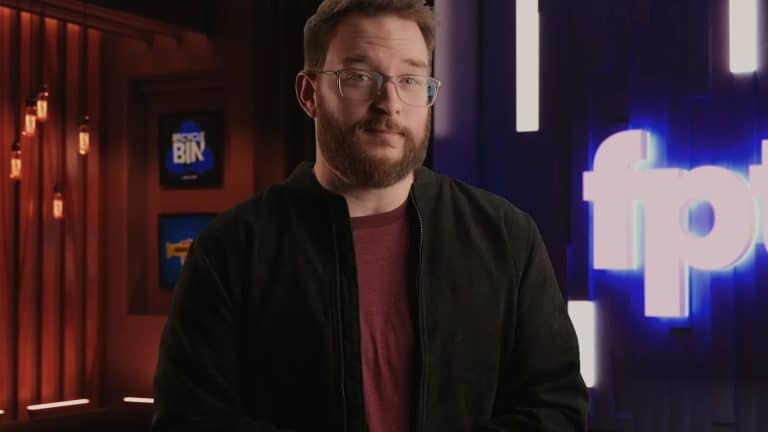
Jon Prosser has formally responded to Apple’s lawsuit over iOS 26 leaks, denying that he planned or joined a conspiracy to steal the company’s trade secrets. The filing moves the case into a more active phase after months of procedural problems, including a default entered against Prosser before the court allowed him another chance to answer.
Apple filed the lawsuit in July 2025 against Prosser and Michael Ramacciotti, alleging trade secret misappropriation tied to unreleased iOS software. The company claims Ramacciotti gained access to a development iPhone belonging to former Apple software engineer Ethan Lipnik and showed Prosser unreleased iOS features over FaceTime. Prosser allegedly recorded the call and later used the material to create recreated visuals for videos on his Front Page Tech YouTube channel.
Prosser’s response does not deny that a FaceTime call happened. It does not deny that unreleased iOS software was shown. It also does not deny that he recorded the call or later shared video revenue with Ramacciotti. Instead, the answer tries to separate those facts from Apple’s larger claim that Prosser helped coordinate the alleged theft.
That distinction is now the center of the case.
Prosser Points to Ramacciotti
Prosser’s filing places responsibility on Ramacciotti, arguing that Ramacciotti’s decision to show unreleased iOS features was not induced by Prosser. The response says Ramacciotti is “completely responsible” for any alleged disclosure of Apple trade secrets.
That defense is narrow but important. Apple’s complaint is built around coordination: that Prosser and Ramacciotti allegedly worked together to access confidential software, record it, and profit from it. Prosser is now trying to make the case about what he knew before the call, what he directed, and whether any payment was part of a plan or came later.
According to reports describing the filing, Prosser’s attorney says any payments were made after the alleged theft, not as part of an agreement to obtain Apple secrets. That matters because post-event sharing of revenue is different from a prearranged plan to steal information, at least for how the case may be argued.
Apple will likely focus on the full sequence: the call, the recording, the use of the material in videos, communications between the defendants, payments, and any evidence that could show intent. Prosser’s side will focus on separating content creation from the alleged device access.
The result is a case about leak culture, but also about proof of participation.
Why the iOS 26 Leak Was Different
Apple leaks happen constantly, but this case is different because of the alleged source of the information. Many Apple rumors come through supply chains, accessory makers, analyst checks, shipping records, prototype components, retail systems, or regulatory filings. This case centers on an alleged access to an Apple development iPhone.
That raises the stakes. A development device can contain unreleased software, internal builds, experimental design changes, confidential app behavior, interface work, and features that have not been finalized. It is not the same as a factory component photo or a supplier note.
The leaked material reportedly helped Prosser publish videos showing recreated renderings of what became iOS 26’s Liquid Glass design language months before Apple announced it. Apple later unveiled iOS 26 with a major visual redesign, making the earlier leaks more sensitive because they appeared to reveal a signature software shift before the company’s own presentation.
The alleged access point also matters. Apple says the development iPhone belonged to Lipnik, who was later fired for failing to safeguard confidential information. Lipnik is not named as a defendant, but his device sits at the center of Apple’s account.
That makes the case less about whether a YouTuber reported on a rumor and more about whether confidential software was accessed through improper means.

The Legal Claims Apple Is Using
Apple’s case is filed in the U.S. District Court for the Northern District of California. Court records list the matter as Apple Inc. v. Ramacciotti, with Prosser also named as a defendant. The lawsuit invokes trade secret claims, and reports on the complaint also describe Computer Fraud and Abuse Act allegations.
Trade secret cases often turn on whether the information was confidential, whether the company took reasonable steps to protect it, whether the defendant acquired or used it improperly, and whether harm resulted. Apple will likely argue that unreleased iOS software and interface designs are confidential business assets protected through internal controls, employee obligations, and device-security rules.
Prosser’s response is not likely to challenge the basic idea that unreleased iOS builds can be confidential. The more practical defense is about acquisition and intent. Did he direct the access? Did he know how the material was obtained? Was there an agreement before the FaceTime call? Were later payments tied to theft or to video revenue after publication?
Those questions are narrower than public debate around leaks. They are also harder to answer through online posts or fan arguments. The court will look at filings, communications, testimony, payment records, device evidence, and credibility.
This is why Prosser’s request for a jury trial matters. If the case reaches that stage, the story told to a jury will need to be simple: Apple will present a scheme to steal secrets; Prosser will present a source who acted on his own and a publisher who did not orchestrate the breach.
Leak Reporting Meets Trade Secret Law
The case touches a long-running tension in technology media. Reporters, YouTubers, analysts, and leakers often publish information companies do not want public. That activity can be normal reporting when information is obtained lawfully. It becomes more dangerous when the information is tied to alleged unauthorized access, payments, or active coordination.
Apple has a strong interest in protecting unreleased software. It also has a history of using legal pressure to defend product secrecy. At the same time, technology coverage often depends on sources who provide information before companies officially confirm it.
The line is not always clean. Receiving a tip is one thing. Asking someone to break into a device is another. Recording unreleased software shown through a source can sit in a legally risky middle area if the source obtained it improperly and the recipient knew or encouraged that conduct.
That is what makes Prosser’s answer significant. It tries to move him away from the alleged access and toward the role of a recipient after the fact. Apple will try to keep him tied to the full chain.
The court will not decide whether Apple rumors are good or bad for the internet. It will decide whether the facts in this case meet the legal standard for trade secret misappropriation and related claims.
The Default Problem Is Now Behind Him
Prosser’s response also matters because he almost lost the chance to fight the case on the merits. A default had been entered after he failed to respond properly earlier in the litigation. Apple and Prosser later jointly asked the court to set aside that default, and the court allowed him to file an answer.
That procedural reset gives Prosser a path to defend himself instead of facing a case shaped largely by Apple’s unanswered allegations. It also gives Apple a cleaner litigation path. A contested case can create discovery, testimony, and a fuller record, which may matter if Apple wants to send a message beyond this dispute.
The next stages could include document production, depositions, discovery disputes, motions, settlement talks, or a trial schedule. Prosser’s answer is not an exoneration. It is his formal version of the dispute.
For Apple, the case can still be useful even before a final ruling. It signals to employees, contractors, friends of employees, and media figures that leaks tied to development devices can lead to direct litigation.
For Prosser, the response is an attempt to avoid having the case defined by Apple’s complaint alone.
What Apple May Want From the Case
Apple is seeking damages and an injunction to prevent further use or disclosure of its trade secrets. Money may not be the company’s only goal. In cases like this, deterrence can be just as important.
The company wants employees to understand that development devices must be protected. It wants outsiders to understand that paying for or encouraging access to unreleased software can carry legal risk. It wants leakers to know that a popular YouTube channel or social following does not make confidential software fair game.
The injunction request is especially relevant. Apple wants to stop any continuing use, possession, or disclosure of materials it considers confidential. If the court grants strong relief, it could restrict what Prosser and Ramacciotti can do with any files, recordings, screenshots, notes, or derivative materials connected to the alleged leak.
That could affect future coverage if any unreleased materials remain in private hands. It could also force the defendants to identify, preserve, return, or destroy certain materials, depending on the court’s orders.
Apple’s broader message is simple: leaks from inside a development device are not just rumors. They are potential trade secret violations.

The YouTube Angle Makes the Case More Public
Prosser’s role as a YouTuber gives the case a different public shape than a normal employee leak lawsuit. The alleged material was not quietly sold to a competitor or hidden inside an internal email chain. It became content, views, ad revenue, commentary, and audience debate.
That creates a financial trail Apple can point to. If leaked information was used to generate attention and revenue, Apple can argue that trade secrets were converted into commercial content. Prosser’s side can respond that video revenue does not prove he planned or induced the alleged theft.
The filing’s admission that revenue was shared with Ramacciotti may become a closely examined fact. The meaning of that payment depends on timing, communications, expectations, and context. Was it compensation for access? A later share of proceeds? A friendly payment? A source payment after publication? Each version carries a different legal tone.
The public nature of the videos may also shape damages arguments. Apple could argue that the leaks reduced the secrecy and launch impact of iOS 26’s design reveal. Prosser could argue that recreated renderings, commentary, and reporting did not cause the kind of measurable harm Apple claims.
The case will likely turn less on whether the internet saw the videos and more on how the information reached Prosser before those videos were made.
What Comes Next
Prosser’s answer gives the court a direct conflict between Apple’s alleged conspiracy and Prosser’s denial of coordination. The next meaningful developments will likely come through discovery, where both sides test the timeline with messages, payment records, recordings, device history, and testimony.
Ramacciotti’s role remains central. He has previously disputed parts of Apple’s account while acknowledging that he showed unreleased iOS features to Prosser during a FaceTime call, according to earlier reports. His testimony and documents could become the most important evidence in the case.
The case also leaves a warning for the Apple leak economy. Publishing rumors based on supply-chain chatter is one thing. Building content from an alleged recording of confidential software on a development iPhone creates a different legal exposure, especially when money changes hands.
The next filings will show whether Prosser’s defense stays focused on timing and intent or expands into a broader challenge to Apple’s claimed damages. For now, his position is clear: he says Ramacciotti made the disclosure, Apple says the leak was coordinated, and the court will decide how much of the iOS 26 story was journalism, source handling, or trade secret misappropriation.