


Apple has introduced M5 Pro and M5 Max, the latest additions to its Apple silicon lineup powering the new MacBook Pro models. Both chips are built using Apple’s new Fusion Architecture and third-generation 3-nanometer process, but they target different levels of professional performance.
While they share a common foundation, key differences in GPU scale, memory bandwidth, and maximum unified memory capacity define how each chip fits into professional workflows.
Fusion Architecture Foundation
Both M5 Pro and M5 Max are built using Apple-designed Fusion Architecture, which connects two dies into a single system on a chip (SoC).
This unified design integrates:
- 18-core CPU
- Scalable next-generation GPU
- 16-core Neural Engine
- Media Engine
- Unified memory controller
- Integrated Thunderbolt 5 controllers
This shared architecture ensures consistent efficiency and system-level integration across both chips.

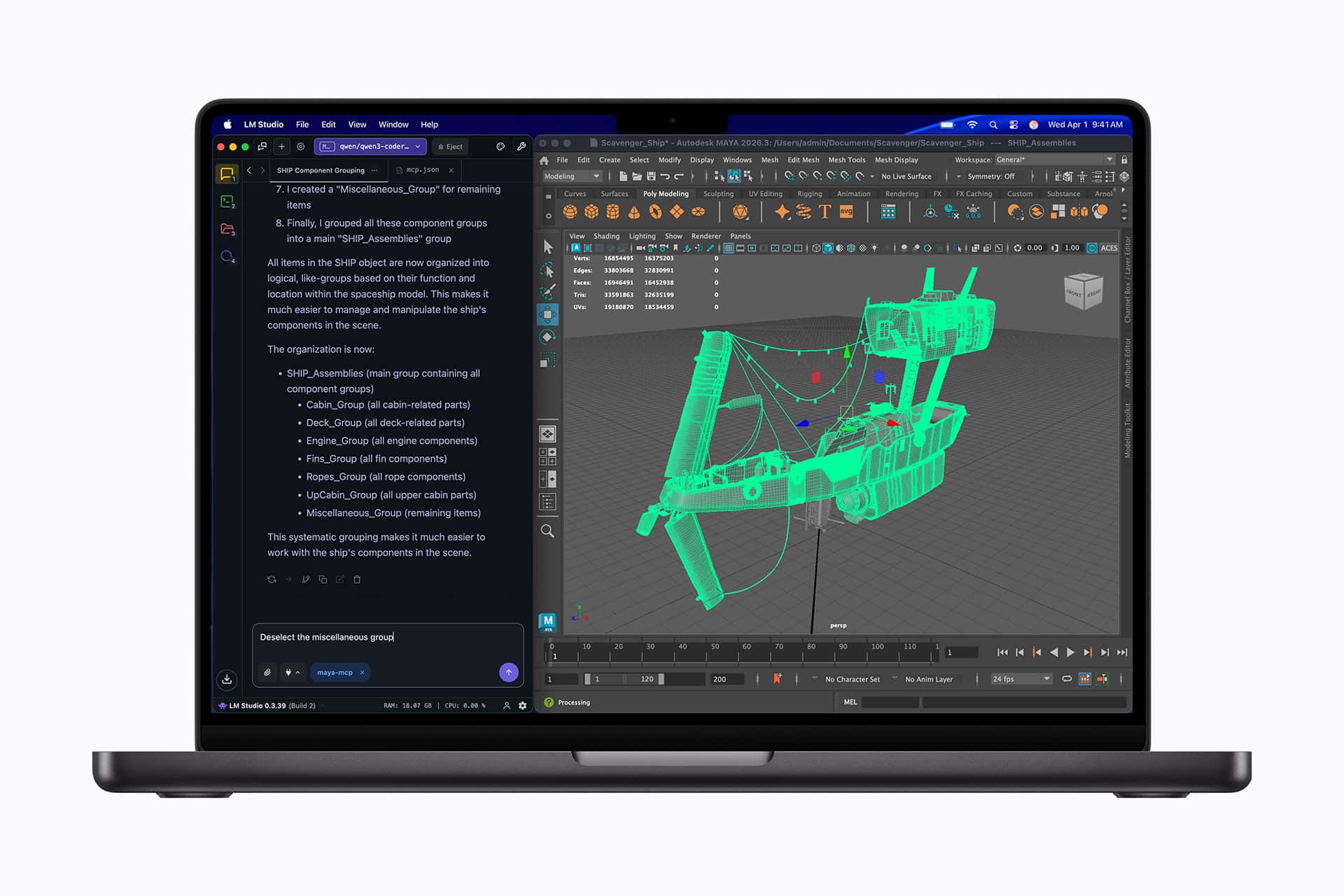
CPU Architecture: Identical Core Structure
M5 Pro and M5 Max both feature the same 18-core CPU configuration:
- 6 super cores (highest single-thread performance)
- 12 performance cores optimized for multithreaded workloads
The super cores represent Apple’s fastest CPU core design to date, featuring improved front-end bandwidth, new cache hierarchy, and enhanced branch prediction.
In multithreaded tasks, both chips deliver up to 30 percent performance gains compared to the previous generation and up to 2.5x higher multithreaded performance compared to M1 Pro and M1 Max.
Where they begin to diverge is in GPU scale and memory bandwidth.
GPU Performance and AI Compute
The GPU is the primary differentiator between M5 Pro and M5 Max.
M5 Pro:
- Up to 20 GPU cores
- Neural Accelerator in each GPU core
- Over 4x peak GPU AI compute compared to the previous generation
- Up to 35 percent graphics uplift in ray-tracing workloads vs prior generation
M5 Max:
- Up to 40 GPU cores
- Neural Accelerator in each GPU core
- Over 4x peak GPU AI compute compared to the previous generation
- Up to 30 percent graphics uplift in ray-tracing workloads vs prior generation
M5 Max effectively doubles the maximum GPU core count compared to M5 Pro.
This makes it better suited for:
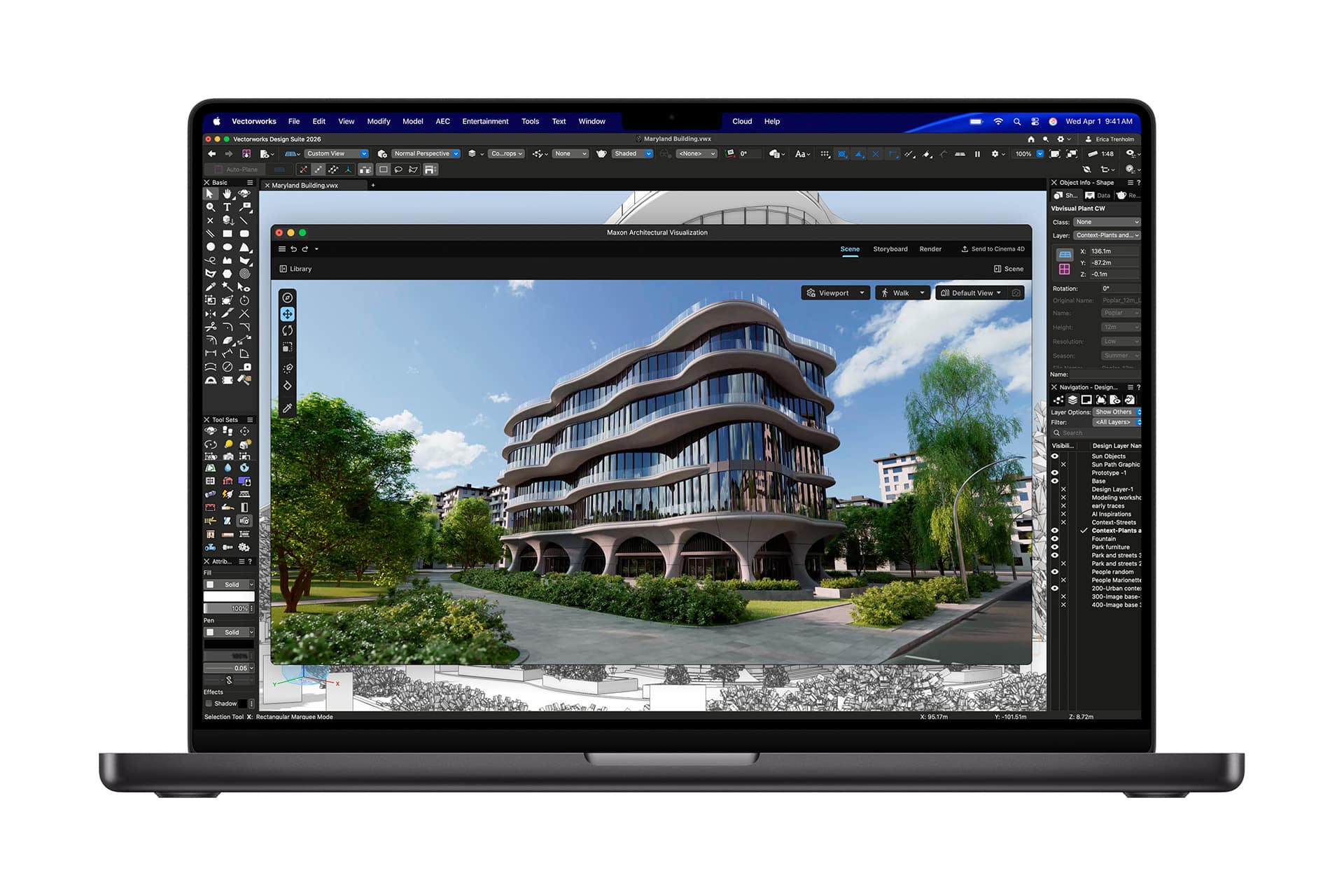
- Complex 3D rendering
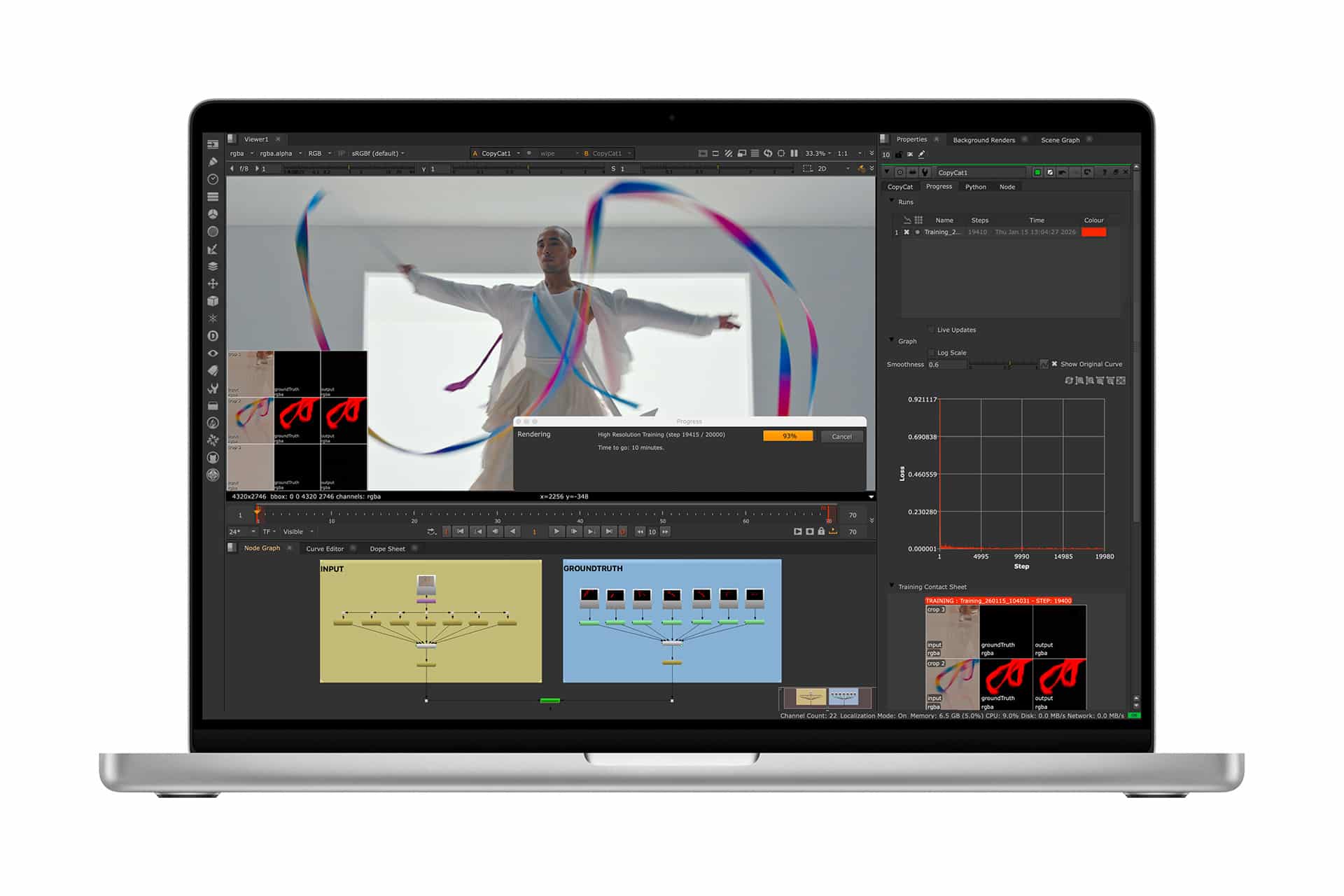
- Advanced visual effects
- High-resolution multi-stream video editing
- Large AI model training
Both chips support hardware-accelerated mesh shading and third-generation ray tracing, but the raw GPU scale advantage places M5 Max at the top tier for GPU-heavy workflows.
Unified Memory Capacity and Bandwidth
Memory configuration is another major point of differentiation.
M5 Pro:
- Up to 64GB unified memory
- Up to 307GB/s memory bandwidth
M5 Max:
- Up to 128GB unified memory
- Up to 614GB/s memory bandwidth
M5 Max doubles both the maximum unified memory capacity and memory bandwidth of M5 Pro.
Higher bandwidth directly impacts:
- Large language model token generation
- High-resolution 8K video workflows
- Massive simulation datasets
- Complex real-time 3D scenes
For users working with extremely large AI models or heavy parallel workloads, M5 Max offers a substantial advantage.
Neural Engine and Media Capabilities
Both chips include:
- 16-core Neural Engine with higher memory bandwidth connection
- Hardware-accelerated H.264 and HEVC
- AV1 decode support
- ProRes encode and decode engines
- Memory Integrity Enforcement
- Integrated Thunderbolt 5 controllers
AI acceleration is strong across both models, but M5 Max benefits from higher GPU-based Neural Accelerator throughput and expanded memory bandwidth.
Thunderbolt 5 and Connectivity
Each Thunderbolt 5 port is supported by its own controller integrated directly on the SoC. Both M5 Pro and M5 Max support Thunderbolt 5, enabling high-speed external storage, multiple high-resolution displays, and advanced workstation setups.
The difference lies not in connectivity capability, but in how much GPU power and memory bandwidth can be allocated to external display workflows and real-time rendering tasks.
Which Chip Is Built for Which Workflow?
M5 Pro is designed for:
- Developers compiling large codebases
- Engineers running data models
- Creative professionals editing 4K content
- Advanced productivity users
M5 Max targets:
- 3D animators
- AI researchers training large models
- Visual effects artists
- Professionals working with 8K multi-stream timelines
- Simulation-heavy scientific workloads
Both chips push Apple silicon forward with Fusion Architecture, expanded AI compute, and next-generation GPU technology. The decision between M5 Pro vs M5 Max ultimately comes down to GPU scale and memory bandwidth needs.
M5 Pro vs M5 Max — Full Specification Comparison
|
Feature |
M5 Pro |
M5 Max |
|---|---|---|
|
CPU Architecture |
18-core CPU (6 super cores + 12 performance cores) |
18-core CPU (6 super cores + 12 performance cores) |
|
Single-Core Performance |
Apple’s fastest super cores |
Apple’s fastest super cores |
|
Multithreaded Performance |
Up to 30% faster than previous generation |
Up to 30% faster than previous generation |
|
GPU Cores |
Up to 20-core GPU |
Up to 40-core GPU |
|
Neural Accelerator |
Integrated in each GPU core |
Integrated in each GPU core |
|
Peak GPU AI Compute |
Over 4x previous generation; over 6x vs M1 Pro |
Over 4x previous generation; over 6x vs M1 Max |
|
Ray Tracing Performance |
Up to 35% uplift vs previous generation |
Up to 30% uplift vs previous generation |
|
Neural Engine |
16-core Neural Engine |
16-core Neural Engine |
|
Maximum Unified Memory |
Up to 64GB |
Up to 128GB |
|
Memory Bandwidth |
Up to 307GB/s |
Up to 614GB/s |
|
Media Engine |
H.264, HEVC, AV1 decode, ProRes encode/decode |
H.264, HEVC, AV1 decode, ProRes encode/decode |
|
Thunderbolt Support |
Thunderbolt 5 (dedicated controller per port) |
Thunderbolt 5 (dedicated controller per port) |
|
Best For |
Advanced pro workflows, 4K editing, development, data modeling |
3D animation, 8K workflows, large AI models, simulations |
For most demanding pro workflows, M5 Pro delivers significant gains. For extreme GPU-intensive and AI-driven environments, M5 Max unlocks the highest ceiling Apple currently offers in a pro laptop platform.
