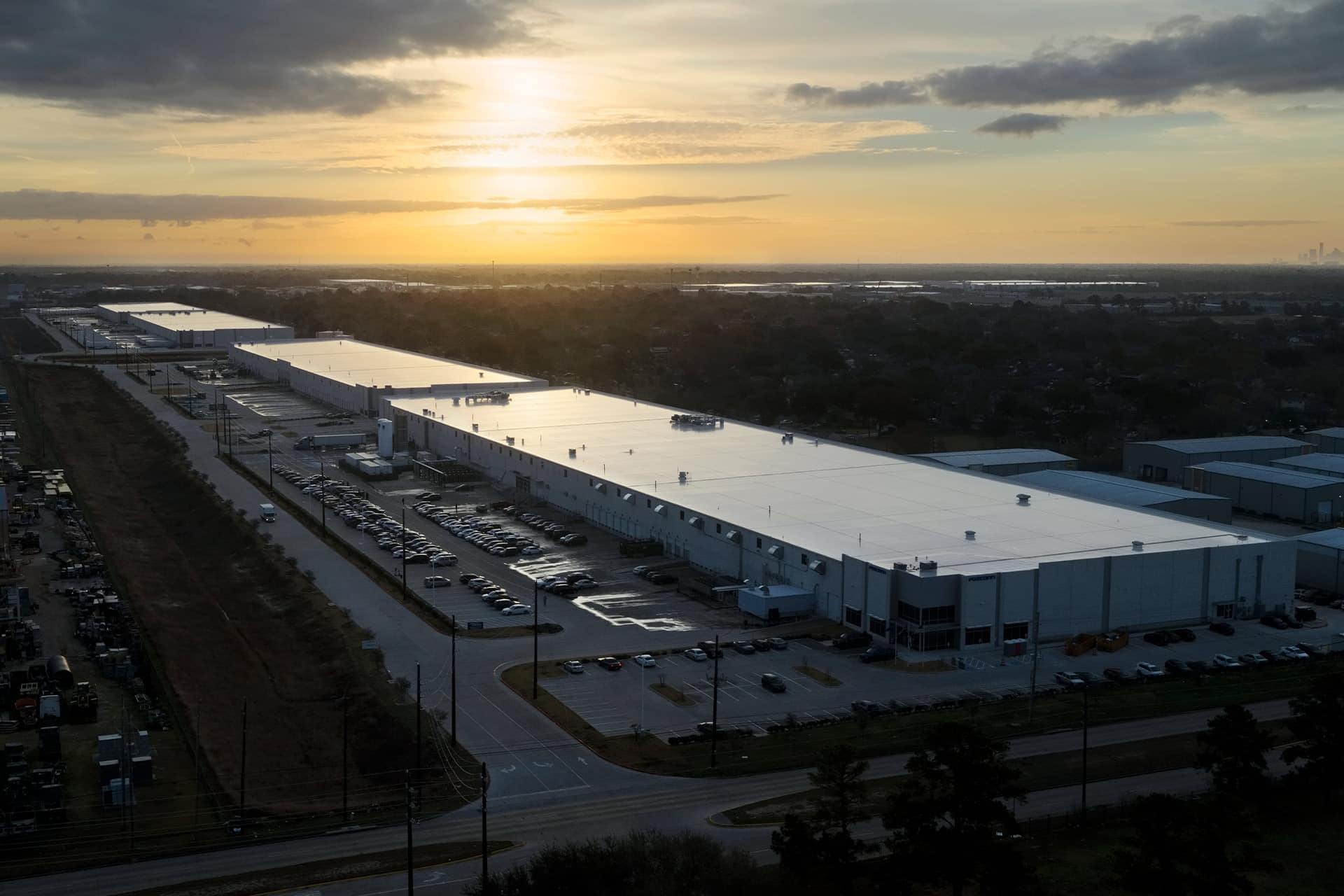
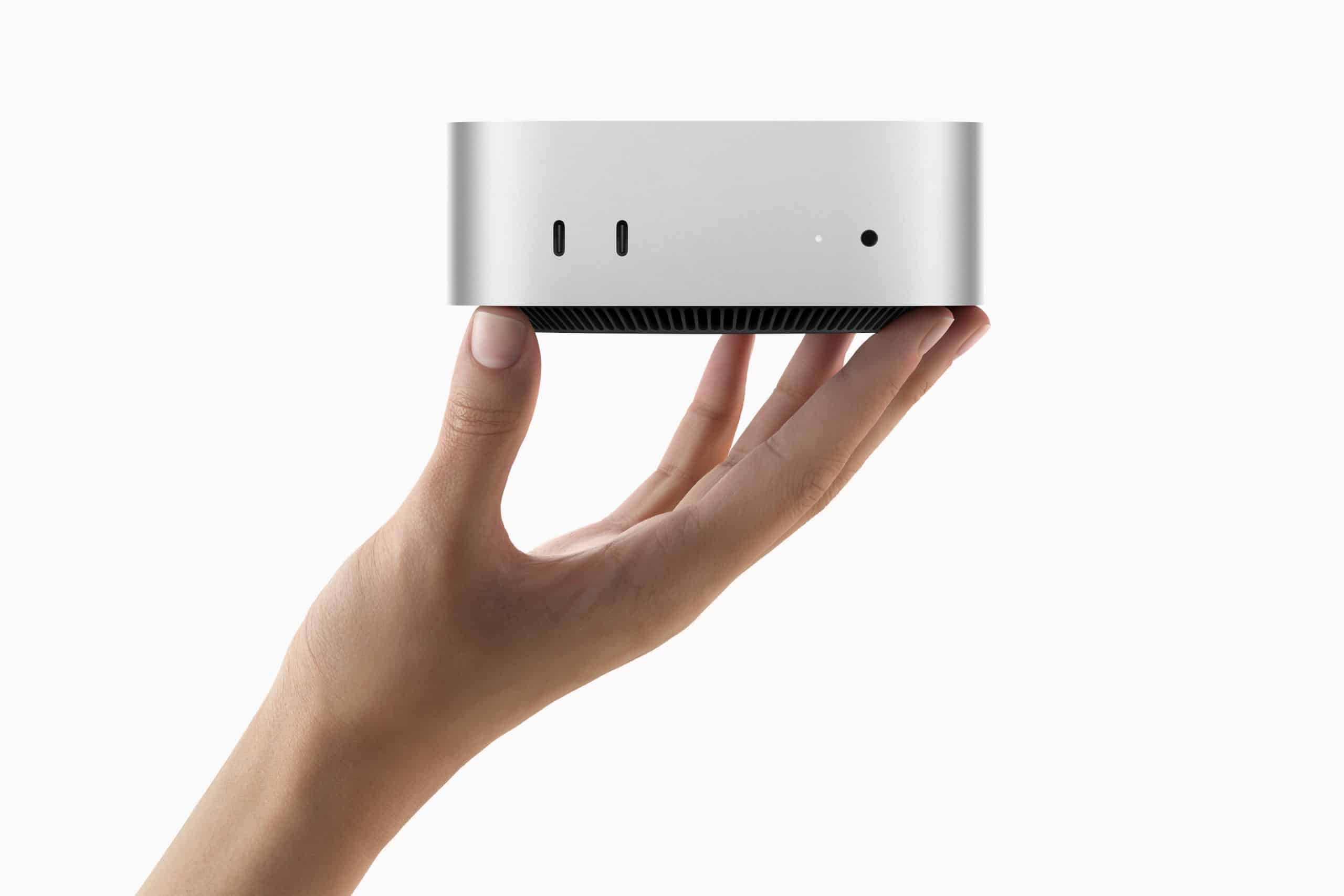
Mac mini production will begin in Houston later this year, marking the first time the compact desktop is assembled in the United States. Apple confirmed the expansion as part of a broader increase in domestic manufacturing capacity, adding new production lines at its Texas operations while expanding work tied to advanced computing infrastructure.

Mac mini Production Comes to the U.S.
For years, final assembly of Mac mini took place overseas, consistent with much of the global electronics supply chain. The Houston shift changes that footprint in a concrete way. Production lines in Texas will take on final assembly responsibilities, bringing the device closer to U.S. distribution channels and enterprise customers that deploy the desktop in development labs, small business fleets, and operational environments where compact, reliable machines are valued.
The move lands at a moment when American manufacturing investment is drawing renewed attention across electronics and semiconductor-adjacent sectors. By relocating Mac mini production to Houston, Apple tightens coordination between assembly and distribution and adds another domestic site to its broader network of suppliers and partners across multiple states. The transition is expected to roll out in phases, with capacity increasing as equipment, staffing, and processes scale.
Tim Cook described the Houston expansion as part of Apple’s commitment to U.S. manufacturing. The ramp-up is expected to create thousands of jobs spanning assembly technicians, quality control staff, operations roles, logistics support, and engineering functions that keep production lines running consistently at volume.

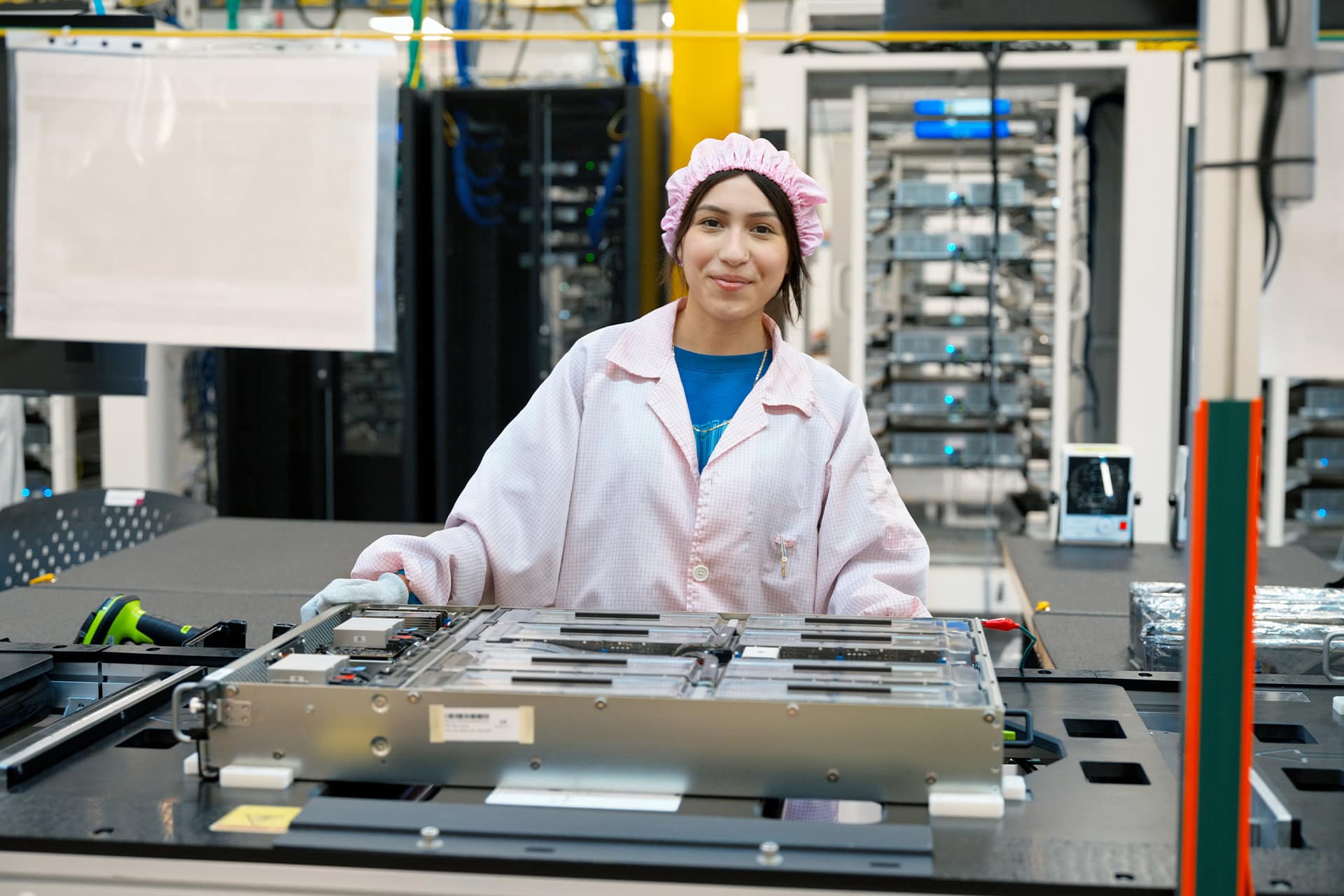
AI Server Manufacturing Expands in Parallel
The Houston facility will also expand output of advanced artificial intelligence servers. Apple said shipments of these systems began earlier than anticipated, indicating the site is already producing and moving complex hardware. While Mac mini production is the most visible consumer-facing element of the expansion, AI server manufacturing points to the facility’s role in higher-end infrastructure that supports large-scale computing workloads.
Housing desktop assembly and AI server production within the same region allows tighter coordination between hardware workflows and supply planning. The AI servers contribute to high-performance processing environments used for machine learning development and other compute-intensive tasks. Their presence in Houston underscores that the site is designed to handle more than consumer product assembly.
The overlap also reflects how consumer hardware and backend computing have become more closely linked. Compact desktops remain widely used across education, creative studios, and enterprise IT, while AI servers underpin increasingly demanding computational needs. Bringing both lines into Texas ties together those different layers of Apple’s hardware operations under one expanding industrial footprint.
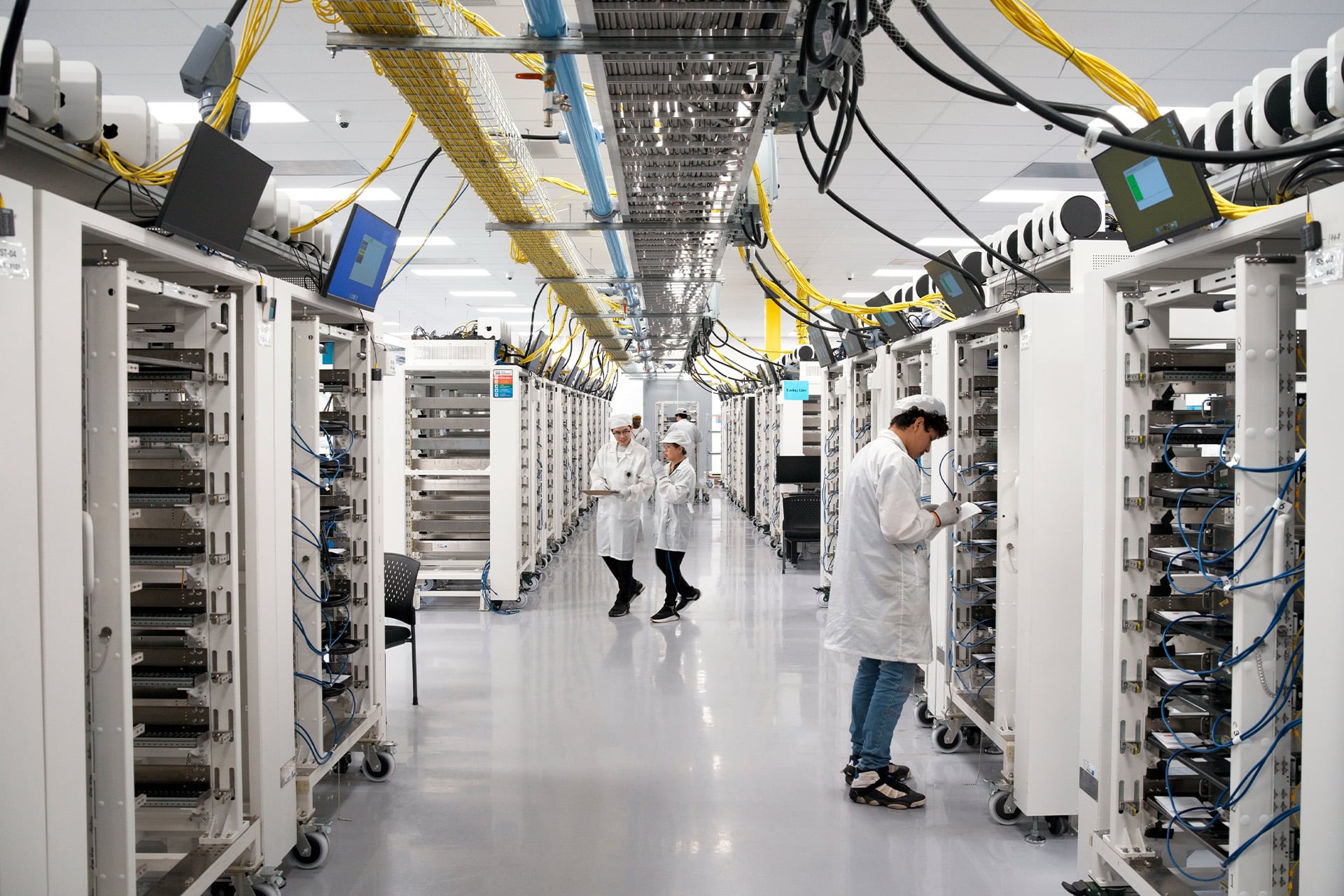
Advanced Manufacturing Center and Workforce Training
Later this year, Apple plans to begin hands-on training programs at its new Advanced Manufacturing Center in Houston. The initiative is intended to prepare workers for precision assembly, automation-supported production, and quality inspection processes used on modern electronics lines. Rather than relying only on existing labor pools, Apple is pairing factory growth with structured training that feeds into the same manufacturing operation.
Training is expected to cover production workflows connected to Mac mini production and AI server manufacturing, including equipment setup, calibration practices, materials handling, and repeatable quality controls. The approach connects technical instruction with on-the-floor manufacturing realities, building skills that match the requirements of high-volume electronics assembly.
As the Houston site increases capacity, Mac mini production will integrate into Apple’s domestic supply network, working alongside U.S.-based component providers and manufacturing partners. The staged rollout later this year marks a turning point for the desktop line, with U.S. assembly becoming part of its manufacturing story for the first time.