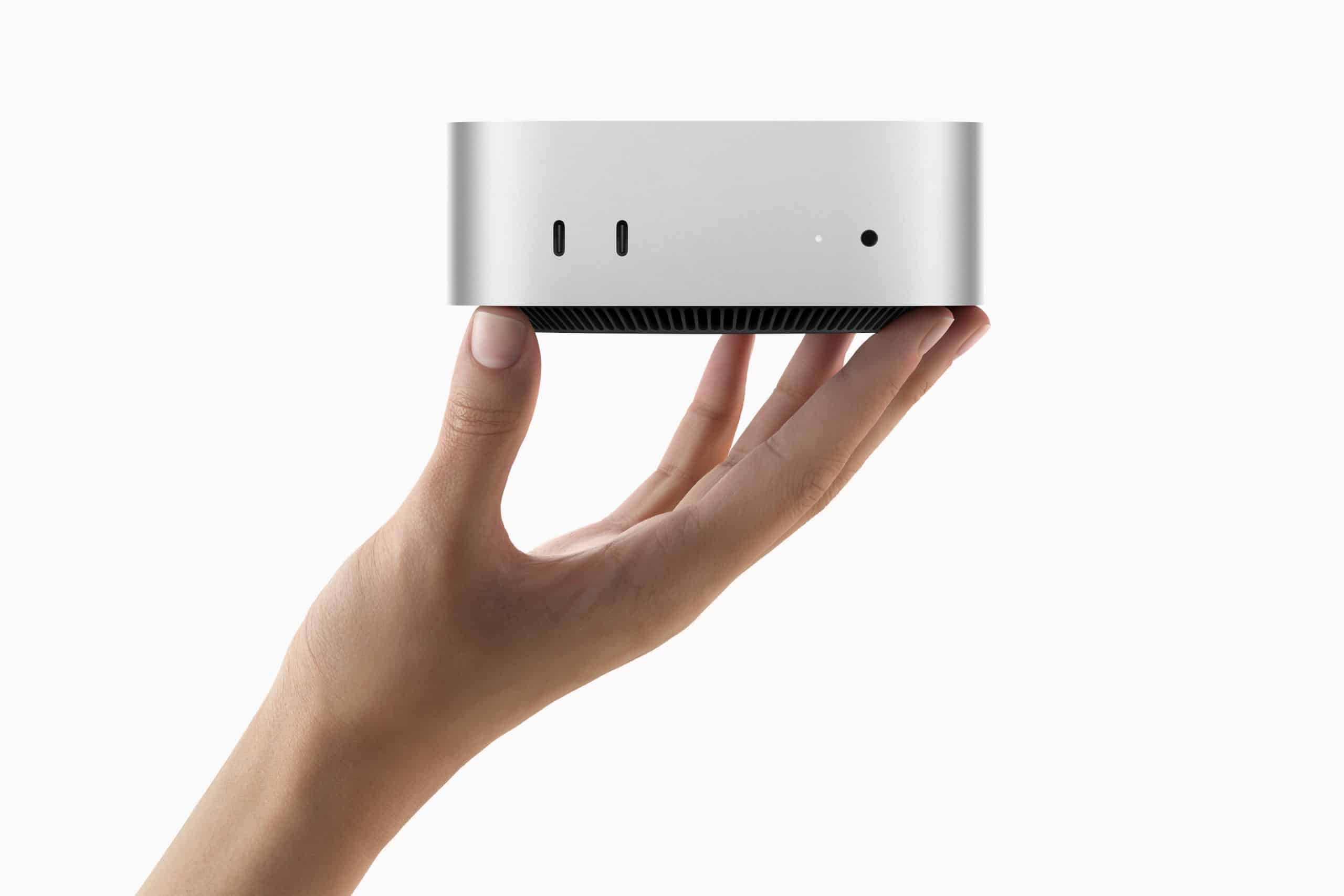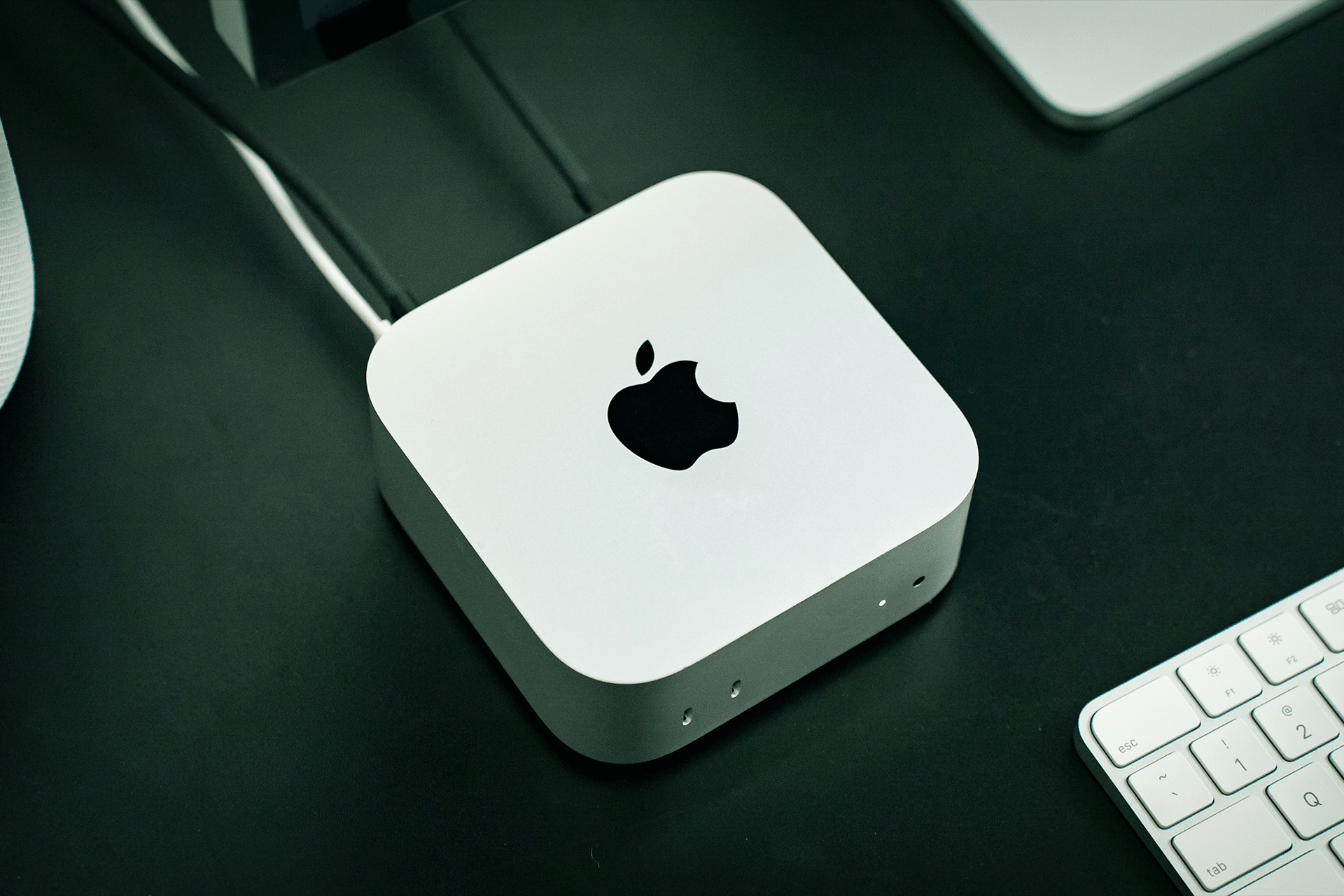
The Mac mini has spent years being the quiet value pick in Apple’s desktop lineup. Small footprint, low starting price, enough power for most people, and just enough flexibility to make it attractive to students, developers, home-office users, and anyone who wanted a Mac without paying for a screen they did not need. That is no longer the whole story. Right now, getting one is harder than it should be.
The base M4 Mac mini at $599 is sold out on Apple’s U.S. online store, and other configurations are also showing longer delivery estimates. Recent reporting says the shortage has spread beyond the entry model into versions with higher memory configurations as demand keeps climbing. Apple’s own buy page currently reflects constrained availability in the U.S. storefront.
This is not the usual short-lived launch squeeze. The M4 Mac mini first arrived in late 2024 with Apple positioning it as a much smaller redesign powered by M4 or M4 Pro, starting at $599 in the U.S. That entry price gave Apple one of the strongest value points in its desktop lineup. Now that same machine has become one of the hardest Macs to buy.
Why the Mac Mini Suddenly Became Hard to Find
The biggest reason appears to be demand from local AI work. Reports over the past week have pointed to projects like OpenClaw, an open-source AI tool that runs locally, as one of the forces driving interest in the M4 Mac mini. The logic is easy to understand. Apple silicon is efficient, the machine is compact, unified memory is useful for local AI workloads, and $599 is a relatively low entry point for people who want a dedicated box for experiments, agents, automation, or on-device models.
That kind of demand is different from traditional consumer demand. A person buying a Mac mini for a desk setup usually buys one unit. A developer, startup, hobbyist, or AI tinkerer may buy multiple units, especially if the machine becomes part of a local compute workflow. That changes the shape of the market very quickly. A desktop that once looked like a budget-friendly Mac for casual users can suddenly turn into the preferred low-cost node for AI experiments.
The shortage story has also been amplified by the resale market. Recent reporting says marked-up Mac minis have appeared on eBay as stock tightened, with resellers taking advantage of the gap between official Apple supply and current demand. That usually happens when buyers believe the shortage is serious enough that waiting is worse than overpaying.
There is another layer underneath that demand: memory pressure across the broader electronics market. Coverage of the Mac mini shortage has linked part of the problem to rising demand for memory chips tied to AI infrastructure more generally. Even if the Mac mini shortage is being felt most visibly by Apple customers, it sits inside a wider moment where AI demand is distorting hardware priorities across the industry.

What Makes the M4 Mac Mini So Attractive Right Now
Part of the answer is price. Apple introduced the M4 Mac mini at $599, with the M4 Pro version starting at $1,399. For a lot of people, the base model looked like the rare Apple product that felt aggressively priced instead of merely fair by Apple standards. It lowered the barrier to entry for macOS desktop use and, now, for local AI experimentation too.
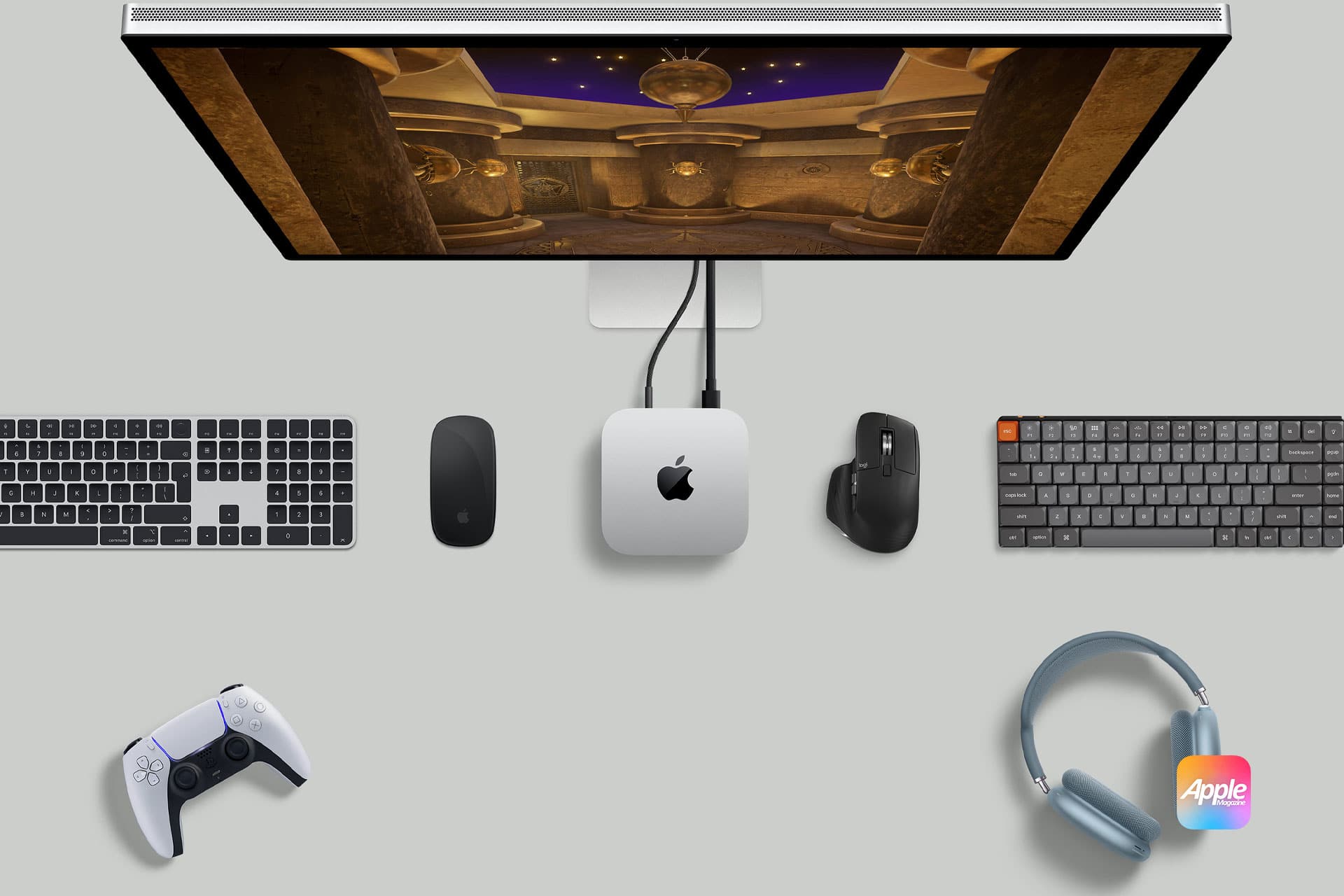
Part of the answer is also size and simplicity. The Mac mini is easy to stack, easy to place on a shelf, easy to dedicate to a single role, and easier to justify as a second or third machine than a Mac Studio or MacBook Pro. For buyers using it as a local AI box, that matters. For regular Mac customers, it matters too. The machine does not take over a room or force a big hardware commitment. It just sits there and works.
Apple’s own model comparison page still presents the M4 Mac mini and M4 Pro Mac mini as current desktop options inside the lineup, which reinforces how important the product remains even as supply tightens. It is not an old machine being cleared out. It is a current Apple desktop that suddenly became much more desirable than many people expected.
The rise in attention also seems to be visible beyond store pages. Recent reporting pointed to a spike in Google Trends interest around the Mac mini in April, which lines up with the shortage story and the growing conversation around local AI use. That kind of attention matters because it pushes a product out of its usual niche and into broader tech awareness.
What Buyers Are Running Into Right Now
For shoppers, the immediate problem is simple: even the “cheap Mac” is not easy to get. The base M4 Mac mini is sold out on Apple’s U.S. website, and some upgraded variants are showing extended delivery windows. Third-party availability also appears inconsistent, with little or no stock in some channels and inflated prices in the resale market.
That creates an awkward moment for Apple’s entry desktop strategy. The Mac mini has usually been the easiest Mac desktop to recommend because it occupied a clean space in the lineup. It was the affordable one. It was the practical one. It was the machine that made the most sense for people who already had a monitor and wanted Apple silicon without spending laptop money. The shortage interrupts that simplicity.
It also changes the psychology of the purchase. When a $599 computer becomes hard to find, it starts to feel more important than its category used to suggest. Buyers who might have waited suddenly feel pressure to act. Resellers notice. Coverage expands. A machine that used to be the sensible, unflashy choice turns into the hot desktop nobody can casually order.
The shortage may not last forever, but it is already telling. It shows how quickly a product can change position when a new use case takes hold. The Mac mini was already a strong value. AI demand appears to have turned that value into scarcity.
The more uncomfortable part for buyers is that this shortage is arriving before Apple has said anything public that resets expectations. There is no official statement promising imminent relief, no visible price change, and no sign that Apple wants to discourage this new wave of Mac mini demand. For now, the message is coming from the storefront itself: if you wanted a cheap M4 Mac mini, good luck.