

Mac Studio delays are starting to look less like a normal inventory pause and more like a sign of how deeply the global memory shortage is reaching into Apple’s hardware calendar. A new report tied to Bloomberg’s Mark Gurman says Apple’s next Mac Studio refresh, previously expected around mid-year, may now move closer to October. The same supply pressure is also said to be affecting Apple’s first touchscreen MacBook Pro, which may slip toward early 2027 rather than arrive comfortably inside the late-2026 window.
The issue is not believed to be product readiness alone. The bigger obstacle appears to be memory. RAM and SSD storage have become harder and more expensive to secure across the industry, with AI data centers absorbing enormous supply and pushing component markets into a tighter position. That pressure is now touching consumer and professional hardware, including Apple’s highest-end Mac configurations.
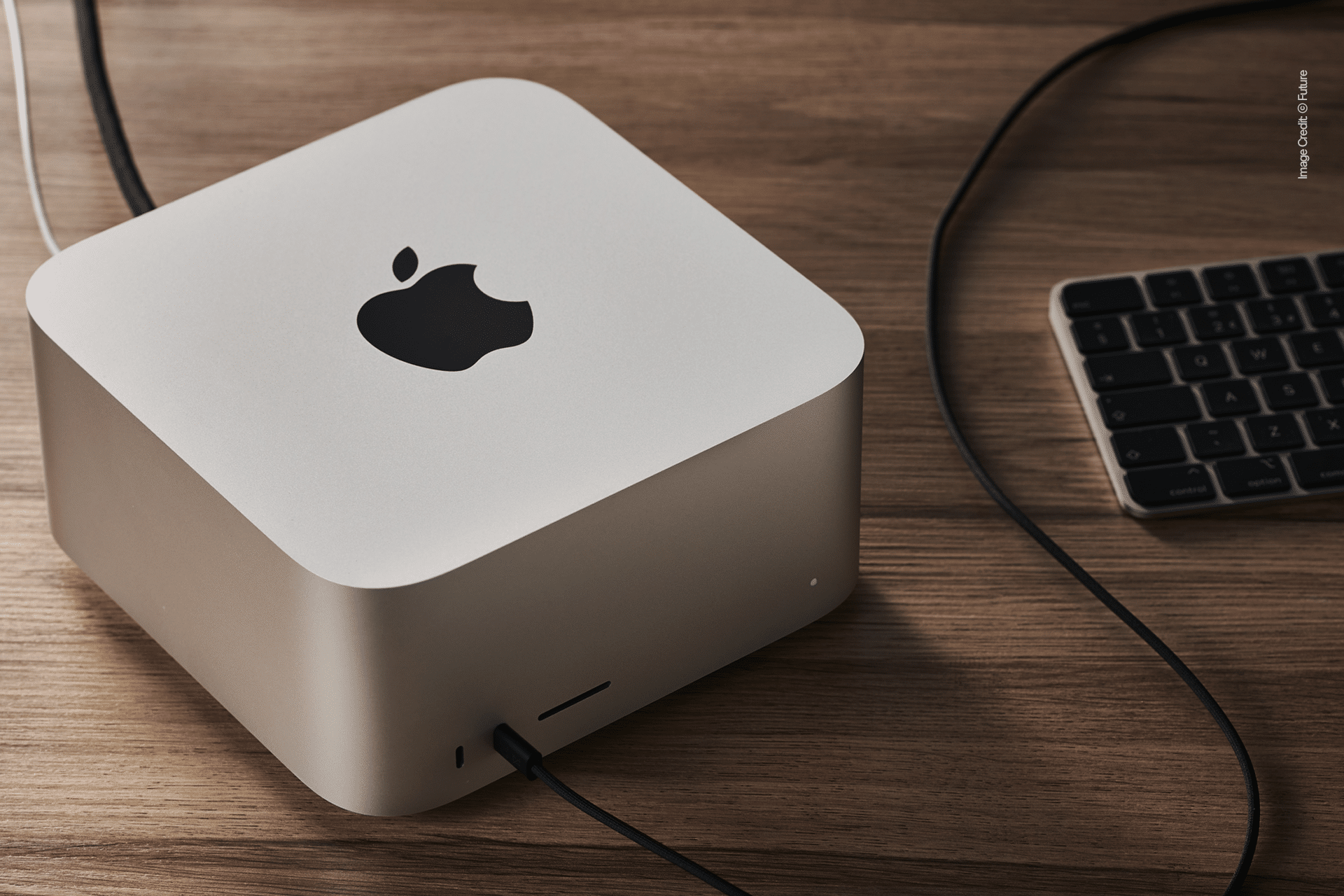
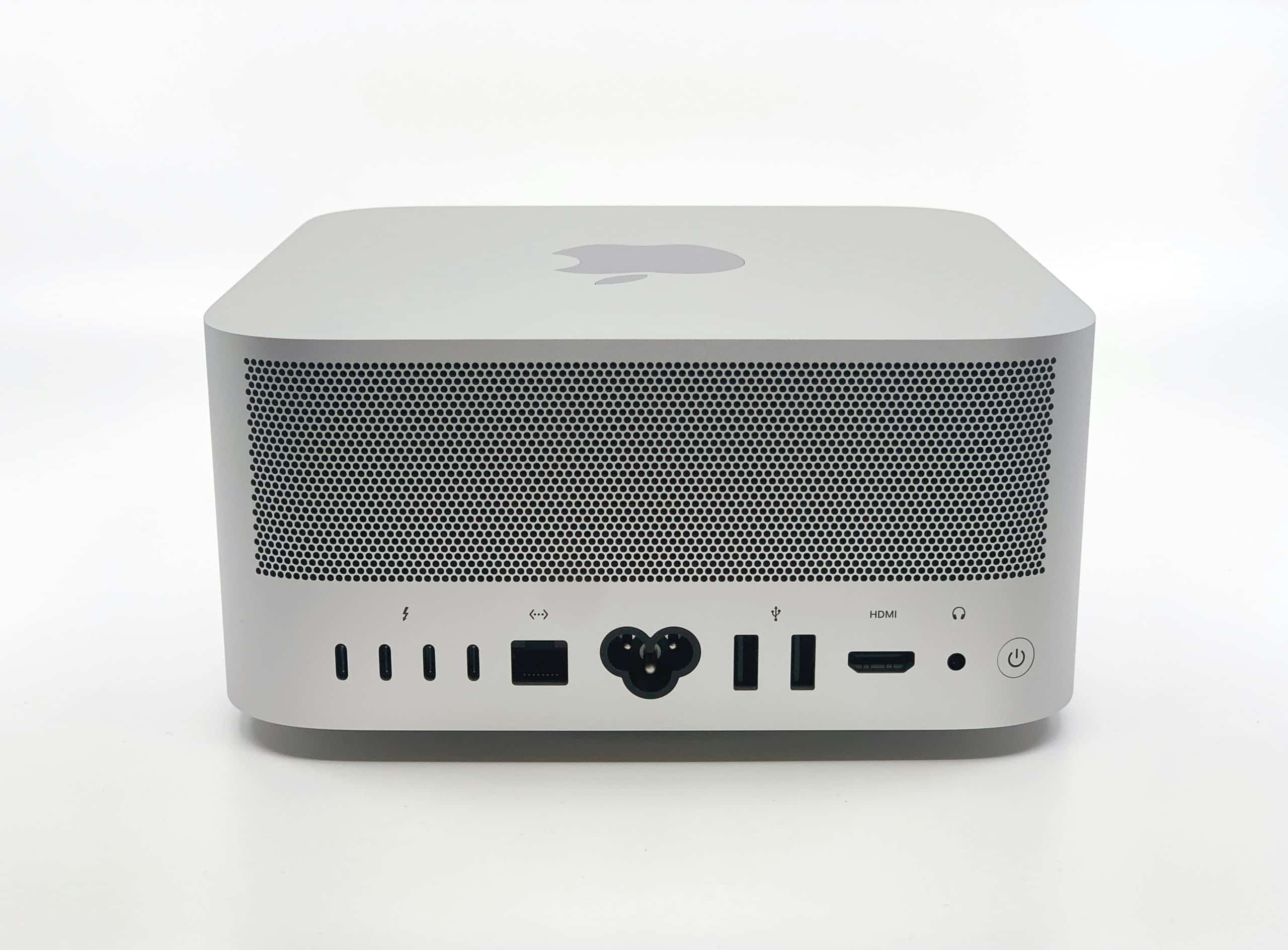
For Mac Studio, the timing is awkward. The machine serves creative professionals, developers, studios, 3D artists, audio engineers, and video teams that often need large memory configurations. Those are exactly the systems most exposed when high-capacity memory becomes scarce. Current Mac Studio stock has already been difficult to find in several configurations, with some models delayed, unavailable, or back-ordered. A pushed refresh would make the wait more frustrating for buyers who expected Apple’s compact pro desktop to move to a cleaner M5 generation sooner.

Memory Shortages Are Reshaping Apple’s Hardware Timing
The global memory crunch is not limited to Apple. AI infrastructure has changed the demand curve for memory, especially high-performance and high-density components. Servers built for AI training and inference need vast amounts of memory, and that demand competes with laptops, desktops, smartphones, and workstations for supply. Even a company with Apple’s purchasing power cannot fully escape that pressure.
Reports around the current Mac Studio lineup already showed signs of strain. Apple removed the 512GB memory option from Mac Studio with M3 Ultra and raised pricing for certain high-memory upgrades, according to Tom’s Hardware. That move was notable because Mac Studio is one of the few Macs where extremely large memory configurations are part of the product’s identity. When Apple pulls or reprices those tiers, it suggests the supply issue is not theoretical. It is already affecting what customers can buy.
The next Mac Studio is expected to move toward M5 Max and M5 Ultra configurations. Those chips would likely bring stronger CPU, GPU, and Neural Engine performance, with the Ultra version aimed at the most demanding workflows. But if memory supply is constrained, launching the hardware becomes harder. A pro desktop refresh cannot arrive with weak availability or limited configurations without frustrating the very customers it is meant to serve.
October would still keep the Mac Studio inside the 2026 calendar, but it would shift the product away from a mid-year window and closer to Apple’s fall hardware season. That could place it near other major Mac or iPad updates, depending on how Apple manages its supply chain and launch calendar.
Mac Studio Stock Problems Add to the Pressure
The current Mac Studio situation makes the rumored delay more visible. If existing configurations were widely available, a pushed refresh might feel like ordinary roadmap adjustment. Instead, many buyers are already encountering long shipping windows or unavailable builds. That creates a gap between demand and Apple’s ability to serve the pro desktop market immediately.
Mac Studio buyers are not casual customers in the same way as entry-level laptop buyers. Many purchase around production deadlines, office upgrades, post-production cycles, software development needs, or tax-year equipment planning. A delay from mid-year to October can matter when a studio is trying to replace aging Intel Macs, expand render capacity, or standardize machines across a team.
The current lineup is also slightly uneven. Apple sells Mac Studio with M4 Max and M3 Ultra configurations, leaving the most powerful tier one generation behind the Max option. That split made sense as a transitional lineup, but it also created a natural expectation that Apple would eventually unify the product around a newer chip family. If the M5 Studio waits until October, the current mixed-generation structure may remain in place longer than expected.
This is where Apple’s laptop priorities may also play a role. Reports suggest Apple is prioritizing laptop shipments during the memory shortage. That would make practical sense. MacBook models sell in higher volume and reach a broader market than Mac Studio. If memory supply is limited, Apple may choose to protect its most important Mac categories first, even if that means pushing a pro desktop refresh later.

Touchscreen MacBook Pro Faces a Separate Delay
The touchscreen MacBook Pro is a different story, but the same memory environment appears to be affecting it. Apple has long resisted putting touchscreens on Macs, keeping touch interaction centered on iPhone and iPad. A MacBook Pro with an OLED display and touch support would represent one of the biggest changes to the laptop line in years.
Reports have placed that machine in a late-2026 to early-2027 window, with the latest supply pressure pushing expectations toward the later end. The software accommodations are reportedly being prepared for the fall, which suggests macOS work may be moving ahead even if hardware availability slips. That separation is important. Apple can prepare the operating system for touch without shipping the machine immediately.
A touchscreen MacBook Pro would require more than a panel swap. Apple would need to tune macOS interface behavior, display durability, hinge design, battery impact, palm rejection, and app compatibility. If the machine also uses OLED and next-generation Apple silicon, memory and display supply become even more important. Launching such a major MacBook Pro redesign into a component shortage would be risky.
Early 2027 may give Apple more room. It would allow the company to prepare software at WWDC and in fall updates while waiting for the supply chain to stabilize enough to support a premium MacBook Pro launch. Apple tends to avoid announcing high-profile hardware if availability will be too limited, especially for products aimed at professionals.
What Buyers Should Do Now
For anyone considering a Mac Studio, the decision depends on urgency. If the current Mac Studio configuration fits the workflow and is available, waiting may not be necessary. The M4 Max and M3 Ultra models remain powerful machines, and professional work rarely pauses just because a newer chip is rumored.
If the desired configuration is unavailable, the calculation changes. A buyer who needs a high-memory Mac Studio may face delays either way. In that case, waiting for October could make sense, especially if the next generation brings M5 Max and M5 Ultra chips with better AI performance, graphics capability, and memory bandwidth. The risk is that memory shortages could still limit availability when the new model arrives.
MacBook Pro buyers face a different choice. Anyone waiting specifically for touch support may need patience. The current MacBook Pro lineup remains the safer option for immediate needs, while the touchscreen OLED redesign appears more likely to land later. For users who do not care about touch, waiting may offer less practical value.
The larger story is that Apple is now navigating a hardware cycle shaped by AI demand even when the products themselves are not AI servers. Memory has become one of the pressure points of the entire tech industry. The same forces powering data centers, language models, and advanced compute are now influencing when a Mac Studio ships, how much RAM Apple can offer, and when a redesigned MacBook Pro reaches buyers.
That makes the Mac Studio delay more than a calendar adjustment. It shows how Apple’s product roadmap is increasingly tied to a component market being pulled by AI at unprecedented speed. October may still bring the refresh pro users are waiting for, but the road to that launch now runs through one of the tightest memory supply environments the industry has seen in years.
