For years, Apple’s desktop story was divided between iMac, Mac mini, and the Mac Pro, a machine designed for extreme customization and niche professional workflows. With the arrival of Mac Studio and Studio Display, Apple introduced something new: a default professional desktop that feels complete out of the box. Not locked down, not chaotic, but balanced.
The Mac Studio setup represents Apple’s vision for what most creative professionals actually need. Instead of building towers filled with components, drivers, and compatibility issues, Apple designed a studio-class computer that delivers performance, silence, and consistency. Paired with Studio Display, the result feels less like a collection of parts and more like a single instrument.
The Studio Line Philosophy
Apple’s “Studio line” is not about maximum expandability. It is about reliability and performance in a compact, predictable form. Mac Studio delivers workstation-level power in a quiet aluminum box that fits comfortably on a desk. Studio Display complements it with an integrated camera, microphone array, speakers, and a color-accurate panel that works immediately.
This pairing forms a complete creative station without the complexity of traditional desktop builds. There are no external audio interfaces required for basic production. No webcams to mount. No speaker systems to configure. Everything is already tuned and integrated.
For most professionals, this approach removes friction rather than limiting creativity.


Mac Studio as the Core
Mac Studio is designed for sustained performance. It handles video editing, audio production, 3D rendering, software development, and large datasets with ease. Apple silicon allows it to remain silent while running demanding workloads, creating an environment where focus is uninterrupted.
Unlike traditional desktops, the Mac Studio setup is pretty stable. The hardware, operating system, and creative apps are engineered together. Updates rarely break workflows. Devices remain compatible across years. Files move seamlessly between Mac, iPad, and iPhone through iCloud and AirDrop.
This stability is the real power of the Studio line. It lets creators work instead of managing machines.
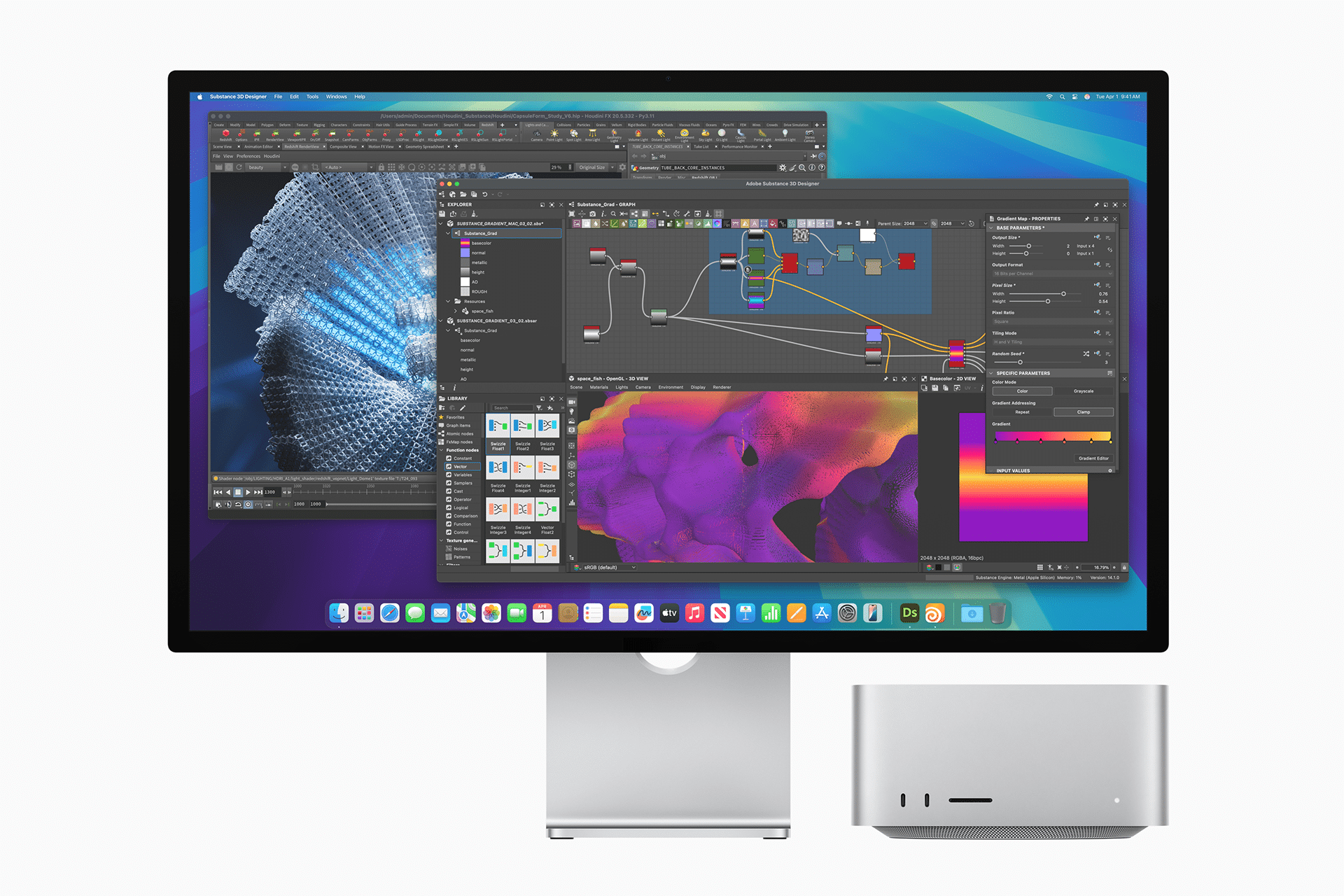
Studio Display as the Creative Surface
Studio Display is not just a monitor. It is part of the system. The built-in camera, spatial audio speakers, and studio-quality microphones make it a communication hub as well as a visual workspace.
The display delivers consistent color, sharp detail, and a comfortable viewing experience for long creative sessions. It replaces multiple peripherals with a single, coherent interface. Video calls, voice recording, and media playback happen through one device that is always ready.
This integration turns the desk into a functional studio rather than a technical workstation.

When Mac Pro Makes Sense
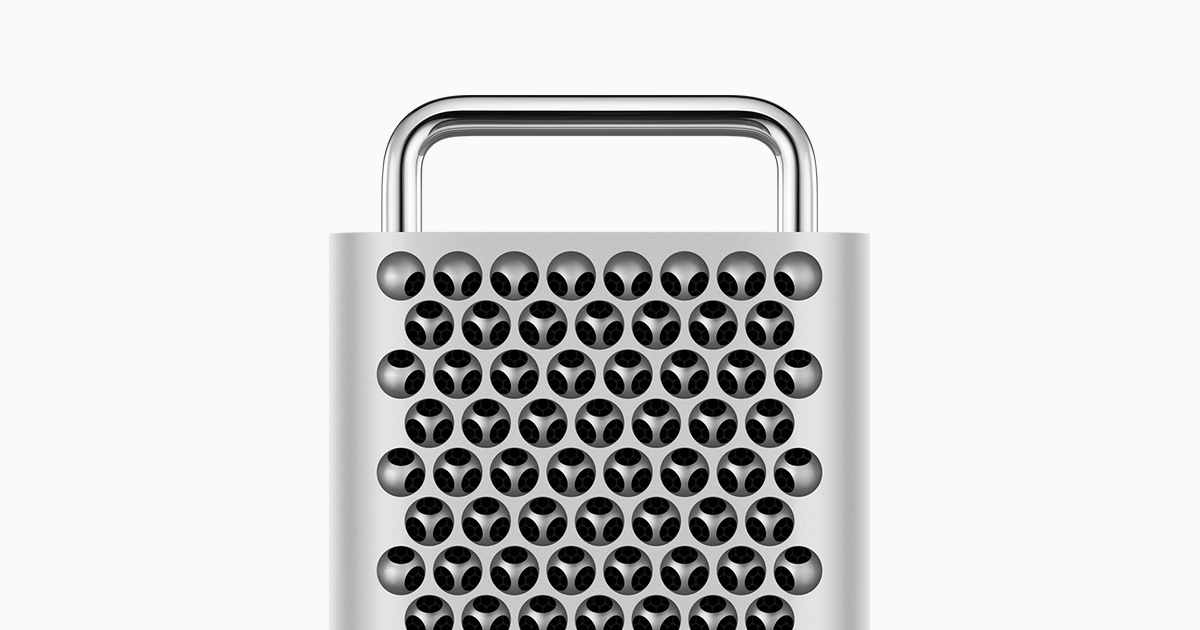
Mac Pro exists for a different world.
It is designed for environments where hardware must be customized and expanded over time. Large film studios, scientific labs, audio facilities, and engineering firms rely on specialized PCIe cards, internal storage arrays, dedicated networking hardware, and proprietary processing systems.
These setups require flexibility that no compact system can provide. Mac Pro is built for that reality. It is not meant to replace Mac Studio. It serves a smaller, more technical audience with needs that go far beyond standard creative workflows.
The key difference is intent. Mac Studio is built for production. Mac Pro is built for infrastructure.

A New Desktop Default
For the first time, Apple offers a professional desktop that does not demand technical expertise to operate. The Mac Studio setup becomes a creative anchor. It supports growth without requiring constant upgrades or hardware replacements.
This system is not about chasing specifications. It is about creating an environment where tools disappear and work becomes natural. It reflects a shift from machines as projects to machines as partners.
In this space, performance becomes invisible. Creativity becomes central.