


MacBook Neo has turned Apple’s education strategy into a more direct fight with Google. For years, Chromebooks dominated large parts of school computing because they were inexpensive, easy to manage, simple to replace, and deeply connected to Google Classroom, Docs, Drive, Gmail, and admin tools. Apple had iPad and MacBook Air, but neither product fully answered the Chromebook formula on price, durability, manageability, and scale.
MacBook Neo changes that equation. Apple introduced the laptop as a lower-cost Mac built for school, work, and everyday use, with up to 16 hours of battery life, a 13-inch Liquid Retina display, Apple Intelligence support, and a starting education price that brings the Mac closer to markets where Chromebooks have long been the default. The point is not that MacBook Neo will replace Chromebooks overnight. It is that Apple finally has a Mac designed to challenge the education laptop conversation directly.
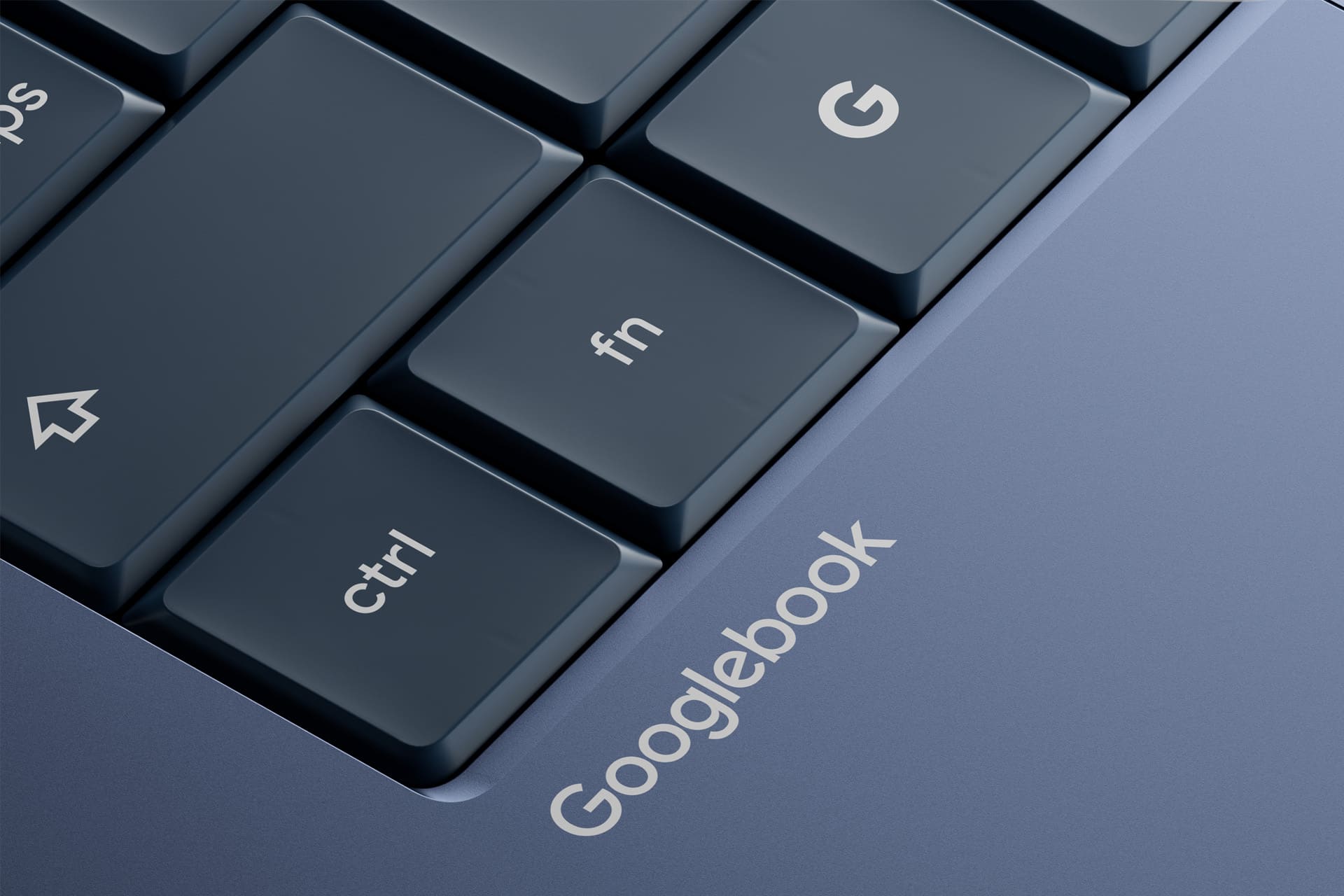
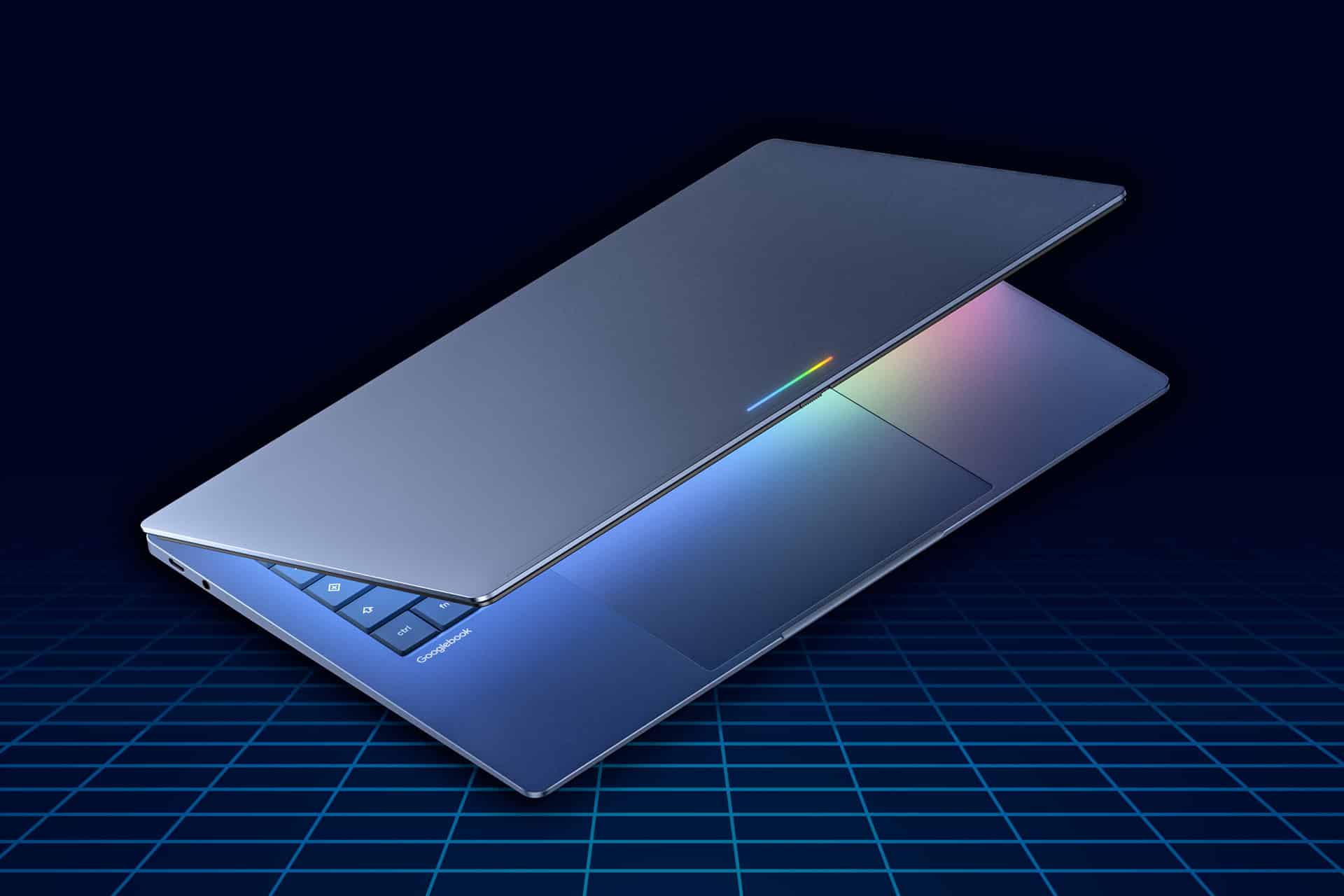
Google’s response is already forming. Google has unveiled Googlebook, a new AI-powered laptop platform built on Android technologies and designed to move beyond the old Chromebook image. The platform is expected to bring Gemini deeper into the laptop experience, offer stronger Android app support, add more premium hardware designs from partners such as Dell, HP, Lenovo, Asus, and Acer, and introduce AI features such as Magic Pointer, which uses contextual suggestions based on cursor movement. That is not a traditional Chromebook refresh. It is Google trying to move education and entry-level computing into a more AI-native category.
This sets up a new market fight. Apple is trying to pull students toward a real Mac earlier. Google is trying to make its education laptops feel more capable, more premium, and more intelligent before Apple gains too much ground.


MacBook Neo Makes the Mac More Reachable
MacBook Neo gives Apple something it has needed for years: a Mac with a stronger education price story. The Mac has always carried creative and professional appeal, but schools and families often choose devices based on budget, durability, management, and replacement cost. Chromebooks grew because they met those institutional needs better than premium laptops.
Apple’s challenge has been that the Mac was often admired more than purchased in large K-12 deployments. iPad helped in classrooms, but many schools still wanted a clamshell laptop with a keyboard, browser, documents, classroom management, testing support, and easy administration. MacBook Air was capable, but the price gap remained difficult for many districts.
MacBook Neo narrows that gap. Its lower education pricing makes it easier for Apple to argue that schools do not have to choose between affordability and a full desktop-class operating system. It also gives families a more accessible Mac for high school, college, and early career use, where the device can move from assignments to creative work, coding, video editing, writing, research, and internships.
The timing is important because AI is changing what students expect from a laptop. A school device is no longer only a browser and document machine. Students are using AI tools for research support, writing structure, coding help, presentation planning, language learning, note organization, and creative projects. Apple’s pitch is that a MacBook Neo is not only cheap enough to consider. It is powerful enough to stay useful as schoolwork becomes more demanding.
That is the opening Apple needs. The Mac does not have to beat Chromebooks only on price. It has to convince schools and families that the extra capability is worth it.
Googlebook Is the Defensive Countermove
Googlebook shows that Google understands the threat. Chromebooks have been successful, but the name also carries baggage. Many people still associate Chromebooks with low-cost school laptops, browser-first workflows, and limited app depth. That has been good for classroom scale, but weaker for students moving into college, creative work, software development, and AI-heavy workflows.
Googlebook appears designed to change that perception. By building around Android technologies and Gemini, Google can argue that its next education laptops are not only web devices. They can support adaptive Android apps, deeper AI assistance, phone syncing, premium hardware, and a more modern large-screen experience. Wired reported that Googlebook is positioned as a new AI-powered laptop platform rather than a simple Chromebook replacement, with manufacturers expected to release devices later this year.
That matters because Apple’s strongest argument against Chromebooks has always been depth. A Mac runs full desktop apps, professional software, local files, creative tools, development environments, and Apple ecosystem features. If Googlebook can make Android laptop apps feel more powerful and Gemini more useful, Google can defend its education base while reaching higher into the market.
The problem for Google is that premium Googlebooks may collide with MacBook Neo’s value. If Googlebook devices become too expensive, the comparison shifts. A family or school may ask whether a premium AI Android laptop is a better buy than an affordable Mac. Apple wants exactly that comparison because the Mac still carries stronger long-term creative and professional credibility.
Googlebook may help Google modernize its education image, but it also validates Apple’s timing. The market is moving beyond basic low-cost laptops. Apple arrived with a lower-cost Mac just as Google is trying to move upmarket.
The Fight Is About Ecosystems, Not Only Devices
MacBook Neo and Googlebook are not only laptops. They are ecosystem entry points. Apple wants a student who buys MacBook Neo to also use iPhone, AirPods, iCloud, Apple Music, Apple TV, Apple Intelligence, Messages, FaceTime, Notes, Freeform, and eventually Apple Watch or iPad. Google wants students inside Gemini, Google Classroom, Docs, Drive, Gmail, Meet, Chrome, Android, NotebookLM, and the broader Google education stack.
That is why the education market is so strategic. A student laptop can shape habits for years. The device used in school can become the device used in college, work, creative projects, and daily communication. Winning education is not only about one hardware sale. It is about building platform loyalty early.
Google still has major advantages in schools. Google Classroom and Workspace for Education are deeply embedded. Chromebooks are easy for districts to manage. Administrators understand the deployment model. Devices can be bought in large numbers at low prices. Repairs and replacements are predictable. Google has also been pushing Gemini and NotebookLM into education, giving teachers and students AI tools inside the services they already use.
Apple’s advantage is different. The Mac is aspirational, durable, and more flexible beyond the classroom. MacBook Neo can become the bridge between school affordability and Apple’s broader creative platform. Continuity with iPhone, AirDrop, Messages, FaceTime, iCloud, and Apple Intelligence gives Apple a stronger personal-device story than Google can easily match for iPhone-heavy households.
That distinction matters for families. A school district may still choose Chromebooks at scale. A parent buying for a student may look at MacBook Neo and see a device that can last longer, handle more creative work, and fit better with the iPhone already in the student’s pocket.
AI Raises the Stakes
MacBook Neo’s education challenge is arriving at the exact moment AI is becoming part of the classroom. That makes the fight more complicated than Apple versus Chromebook pricing. Schools now have to decide how AI should be used, which tools are safe, which platforms protect student data, and how teachers can manage AI-assisted work.
Google has moved aggressively here. Gemini in education, NotebookLM access for students, Google Classroom updates, and AI tools for teachers give Google a strong institutional story. The company can tell schools that its AI tools are already connected to assignments, documents, lesson planning, classroom management, and student workflows.
Apple’s AI story is more device-centered. Apple Intelligence is built around privacy, on-device processing when possible, Private Cloud Compute, and personal productivity. That may appeal to families and universities, but Apple needs clearer education-specific messaging if it wants MacBook Neo to become a serious classroom competitor. Teachers and administrators need to know how Apple Intelligence works in managed environments, how student data is protected, and how AI features can support learning without creating classroom chaos.
This is where MacBook Neo needs software momentum. Hardware alone will not be enough. Apple must show how Mac, iPad, Apple Classroom, Schoolwork, Managed Apple Accounts, Apple Intelligence, accessibility tools, and creative apps fit together in an education environment. Google will not wait. Its response is already built around AI as part of classroom infrastructure.

Repairability and Durability Matter Too
MacBook Neo also gives Apple a better story around repairability, which matters in education. Reuters reported that iFixit rated MacBook Neo as Apple’s most repairable laptop since 2012, citing improvements such as screws instead of glue or rivets for components like the battery and keyboard, along with modular parts such as the camera and fingerprint sensor. The score was still only 6 out of 10 and remained below some business-class competitors, but it marked a meaningful shift for Apple.
That matters because schools care about total cost of ownership. A cheaper device that is hard to repair can still become expensive over time. Chromebooks have benefited from simple repair and replacement economics. If Apple wants MacBook Neo to compete beyond individual student purchases, repairability has to keep improving.
The same applies to durability. Apple’s premium hardware reputation is strong, but education devices live hard lives. They move between backpacks, desks, buses, cafeterias, lockers, dorm rooms, and classrooms. They are dropped, scratched, spilled on, and used for years. MacBook Neo must prove it can survive that environment at scale.
This is another reason Googlebook’s industry response matters. If Google partners deliver premium-but-durable devices with strong repair programs and school-friendly management, Apple cannot rely on brand appeal alone. It needs the MacBook Neo to be practical, not just desirable.
Apple Needs to Move Before the Market Settles
MacBook Neo gives Apple a real opening, but the company has to move quickly. Googlebook could reset the non-Mac education laptop category before MacBook Neo gains enough momentum. Windows vendors will also respond with AI PCs and education-focused models. Schools preparing for the 2026 and 2027 buying cycles will compare price, management, AI tools, support, battery life, durability, repairability, and software ecosystems.
Apple’s advantage is strongest before rivals finish repositioning. MacBook Neo is fresh, easy to understand, and tied to a familiar Mac experience. Googlebook is new and still needs to prove itself through real devices, pricing, app quality, and school adoption. That gives Apple a window to define the MacBook Neo as the education laptop that feels affordable without feeling limited.
The risk is that Apple underplays the institutional side. A strong product video and attractive education price can help with students and families, but schools need deployment tools, admin confidence, repair options, training, and predictable lifecycle costs. Google understands that market deeply. Apple has to show it can compete there, not only in retail.
The strongest MacBook Neo strategy would be direct: position it as the first Mac many students can realistically get, support it with education pricing, keep repair costs reasonable, explain Apple Intelligence clearly, and show why a full Mac is a better long-term investment than a device built only for browser-first schoolwork.
A New Education Fight Has Started
MacBook Neo has changed Apple’s position in education because it gives the company a lower-cost Mac that can be taken seriously against Chromebooks and emerging Googlebook devices. It does not guarantee Apple will win K-12 deployments at scale. Price-sensitive districts may still stay with Chromebooks. Google’s management tools remain deeply entrenched. Gemini and Classroom give Google a powerful AI education stack.
But Apple no longer has to enter the conversation with only iPad or a more expensive MacBook Air. MacBook Neo gives the Mac a clearer role in the student market. It can compete for families, higher education, creative programs, private schools, and districts that want devices with more headroom than traditional Chromebooks.
Googlebook is the proof that Google sees the same opening. The education laptop is being rebuilt around AI, ecosystem integration, and long-term value. Apple is trying to bring the Mac down into the market. Google is trying to bring its education platform up.
The next back-to-school cycle will show which strategy feels more convincing. Apple has the stronger personal ecosystem and the more complete desktop platform. Google has the deeper school infrastructure and a faster AI education rollout. MacBook Neo gives Apple a real shot, but only if the company treats education as more than a seasonal campaign.