


MacBook Neo helped Apple move against the global PC market in the second quarter of 2026, delivering double-digit Mac shipment growth while most leading computer manufacturers sold fewer units than a year earlier.
Preliminary data from IDC estimates that Apple shipped 6.7 million Macs during the quarter, up 10.1% from 6.1 million in Q2 2025. Its worldwide market share rose from 8.5% to 9.9%, placing the company within a fraction of the 10% threshold.
The rest of the industry moved in the opposite direction. Global shipments fell 4.9% year over year to 68.2 million units, ending nine consecutive quarters of growth. A separate Omdia estimate placed the decline at 3.6% and Apple growth at 15.9%, but both research groups identified the same pattern: the Mac gained ground while established Windows PC vendors contracted or remained flat.
IDC directly connected the Apple increase with the arrival of its lowest-priced notebook. MacBook Neo began shipping in March, giving the model its first complete quarter of retail availability between April and June.
MacBook Neo Drives Mac Shipment Growth
MacBook Neo entered the market as an alternative for buyers previously priced out of the Mac lineup.
The 13-inch notebook launched at $599 with an A18 Pro chip, 8GB of unified memory, a Liquid Retina display and up to 16 hours of video playback. It also brought macOS, Apple Intelligence and integration with the iPhone ecosystem into a price range commonly occupied by mainstream Windows laptops and Chromebooks.
That positioning attracted students, families and first-time Mac customers who did not need the performance or display technology of a MacBook Air or MacBook Pro. The four-color aluminum design also gave the entry model a more recognizable identity than the older Mac notebooks that frequently remained on sale through discounts.
IDC had already identified the computer as an unusual source of strength when it revised its notebook forecast earlier in 2026. Demand exceeded initial expectations in several markets, and reported inventory shortages appeared shortly after the March launch.
The effect became much more visible in Q2. MacBook Neo was available for the entire three-month period, allowing Apple to increase production, expand retail distribution and serve customers who could not obtain the computer during its first weeks.
The entry model also widened the Mac lineup without replacing the MacBook Air. Buyers seeking more memory, faster ports, longer wireless web use or additional external-display support could continue moving toward the M5-powered Air, while the less expensive machine handled education, office work, web browsing and communication.
That separation allowed Apple to reach lower price points without reducing the value of its premium notebooks.


Lenovo, HP and Dell Lose Shipments
Apple remained the fourth-largest traditional PC vendor, but its performance contrasted sharply with the companies above it.
Lenovo retained first place with 16.6 million units and 24.4% market share. Its shipments declined 2.1% from the previous year.
HP experienced the steepest drop among the top five, falling 9% to 13 million units. Dell shipped 9.3 million computers, representing a 5% decline. Asus remained nearly flat at 5 million units, up only 0.2%.
Manufacturers outside the five largest brands collectively suffered a 10.5% contraction, indicating that weaker demand and component inflation placed even more pressure on smaller companies.
The figures measure shipments into distribution channels or directly to end users, not confirmed retail purchases by individual consumers. A manufacturer can therefore record shipment growth while some inventory remains unsold in stores or warehouses.
MacBook Neo demand appears to have been strong enough to support Apple production increases rather than simply filling channels. The company reportedly doubled its annual production target after the initial response, although later quarters will reveal how much of Q2 reflected lasting demand rather than launch-period enthusiasm.
Apple also benefits from operating at a scale that provides leverage with memory, storage and semiconductor suppliers. Smaller PC brands face greater difficulty securing components at competitive prices when shortages intensify.
Memory Costs Reverse the PC Recovery
The Q2 contraction arrived after manufacturers and commercial customers accelerated purchases during late 2025 and early 2026.
Buyers expected memory and storage prices to rise, encouraging some businesses to replace computers earlier than planned. Vendors also increased inventories while components remained available.
That activity supported nine quarters of market growth but borrowed demand from later periods. Once the early purchases were completed, the industry faced a more difficult combination of expensive components, cautious consumers and elevated retail prices.
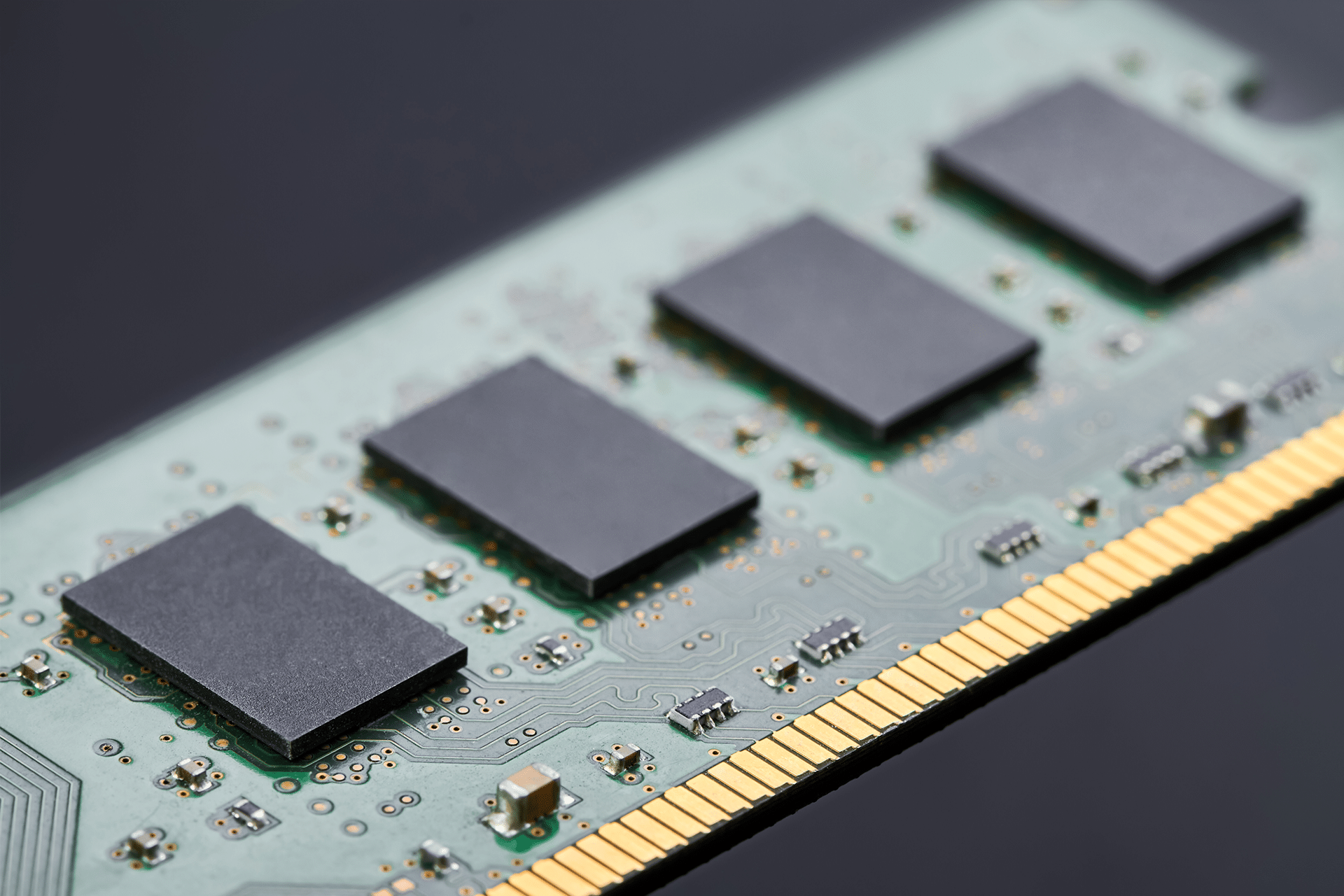
The memory shortage is closely connected to the AI infrastructure boom. Chipmakers are dedicating more production capacity to high-bandwidth memory used by data center accelerators, limiting the supply of conventional DRAM needed for personal computers.
IDC expects little relief before the end of 2027 or early 2028. The research company forecasts an 11.3% decline in worldwide PC shipments across 2026, with the fourth quarter potentially falling 20% from the previous year.
Computer revenue may not decline at the same pace. Manufacturers have raised prices faster than shipments have fallen, allowing them to collect more money from fewer units.
That strategy creates another problem. Retailers and distributors can become trapped with expensive inventory if customers refuse the new prices, forcing promotions or production reductions later.
MacBook Neo initially softened that pressure by giving Apple a new product near the bottom of the notebook market. Its original $599 price made the Mac competitive with midrange Windows machines at the moment many rivals were becoming more expensive.
The Price Increase Creates the Next Test
The strongest Q2 MacBook Neo shipments were recorded while most customers could still buy the computer at its introductory price.
Apple raised the U.S. starting price to $699 in late June as memory and storage costs affected the Mac and iPad lineups. The education price remained at $599, preserving the original offer for eligible students and educators.
A $100 increase changes the comparison with discounted Windows notebooks and places the entry model closer to older MacBook Air configurations available through third-party retailers.
Apple must now determine whether the appeal came primarily from the low launch price or from the combination of macOS, battery life, design and iPhone integration.
The company remains better positioned than many rivals to absorb supply disruption, negotiate long-term component agreements and promote several notebooks at different prices. MacBook Neo also uses an iPhone-class A18 Pro processor rather than an M-series chip, providing another way to manage silicon costs and production capacity.
IDC expects the full PC market to deteriorate during the second half of 2026. Apple will enter that period with almost 10% worldwide share, but the September quarter will be the first to measure MacBook Neo demand almost entirely at the higher $699 retail price.