


MacBook Neo has quickly become the laptop Windows PC makers cannot ignore. Apple’s new $599 notebook did more than give Mac buyers a cheaper entry point. It reset the conversation around what a budget laptop should feel like, forcing Dell, Microsoft, HP, Lenovo, Acer, and others to respond to a product that brings aluminum design, a sharp display, Apple silicon, and macOS into a price range once dominated by Chromebooks and lower-end Windows machines.
Dell is making the most direct move so far. Its new XPS 13 starts at $699, with a temporary $599 student price during the back-to-school season, placing it almost exactly where Apple positioned the MacBook Neo. Microsoft is also moving toward lower-end Surface Laptop configurations, but its approach appears more conflicted. If the lesson from Apple is simply “sell an 8GB laptop,” Microsoft may be missing what made the Neo work in the first place.
Apple did not make the MacBook Neo compelling only by cutting specs. It made a lower-cost laptop that still feels unmistakably like a Mac. That is the harder part for competitors to copy.
MacBook Neo Changed the Budget Laptop Conversation
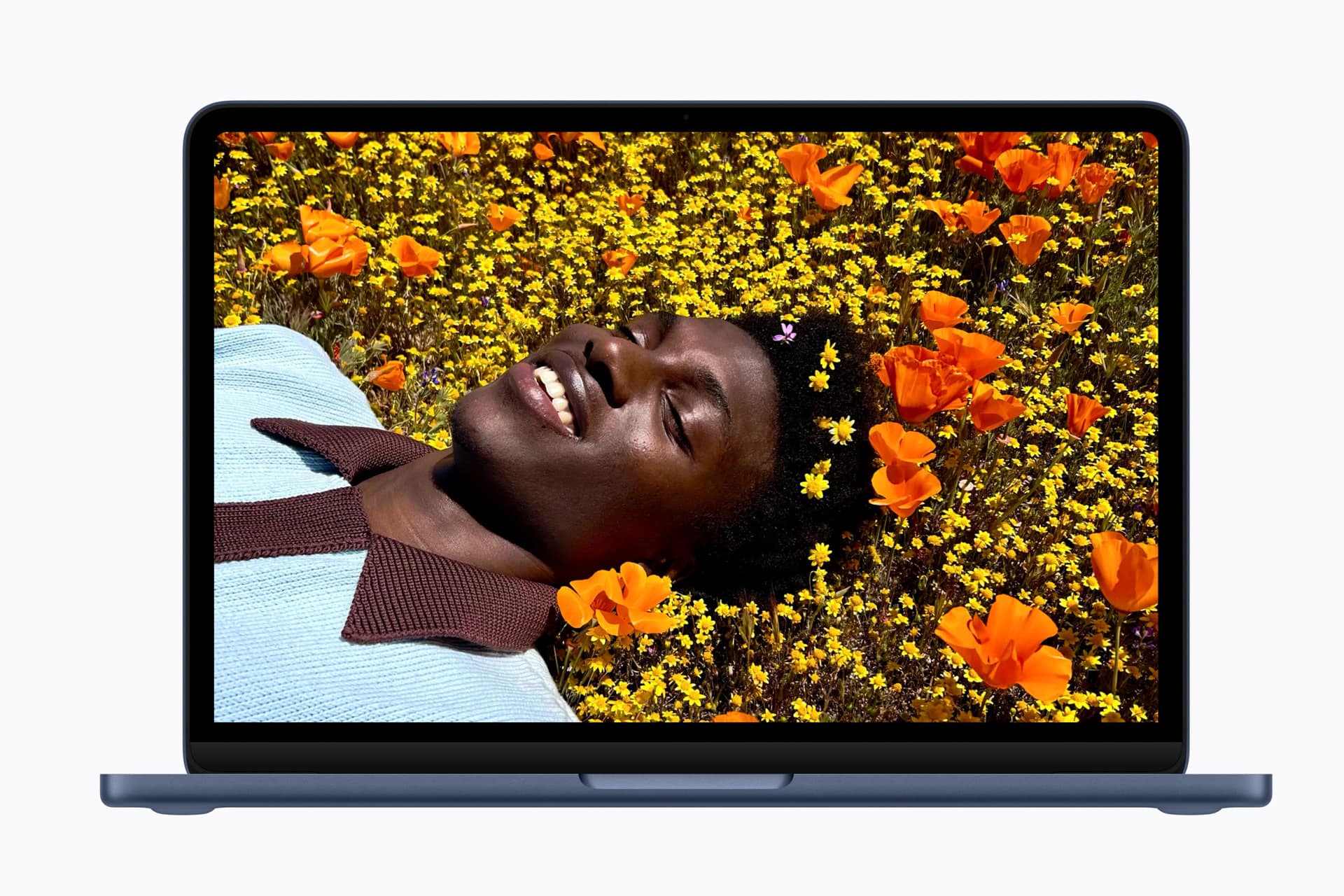
The MacBook Neo launched with a simple pitch: bring the Mac experience to more people at a breakthrough price. Apple built it around a 13-inch Liquid Retina display, a durable aluminum enclosure, A18 Pro performance, up to 16 hours of battery life, a 1080p FaceTime HD camera, dual microphones, side-firing speakers, macOS Tahoe, Apple Intelligence, and tight integration with iPhone.
The base model still has obvious limits. It starts with 8GB of unified memory and 256GB of storage, which makes it better suited to students, families, first-time Mac buyers, browser work, writing, video calls, streaming, light photo editing, and everyday apps than heavier professional workloads. But Apple matched those compromises with design, display quality, battery life, software polish, and a starting price low enough to change expectations.
That is why the Neo landed differently from many cheap laptops. Apple did not present it as a stripped-down machine for people who could not afford something better. It presented it as a real Mac, built with the same design confidence and ecosystem advantages that have made the MacBook line desirable for years.
The price also matters. At $599, or $499 for education customers, the Neo reaches students and budget-conscious buyers who may never have considered a new Mac. It creates a new problem for Windows laptop makers: they no longer compete only on specs at the low end. They now compete against Apple’s brand, materials, display, battery life, and operating system at a price that used to feel safely outside Mac territory.

Dell Is Taking the MacBook Neo Seriously
Dell’s new XPS 13 is the clearest sign that Windows PC makers understand the threat. Reuters reported that Dell is positioning the new model directly against the MacBook Neo, with a $699 starting price and a $599 student promotion. Dell says the laptop is its thinnest and lightest XPS model yet, weighing about half a pound less than the Neo while offering a larger display.
This is the right kind of response because Dell is not only chasing a lower price. It is using the XPS name, a premium aluminum design, a sharper display, and a thin-and-light body to challenge Apple where the Neo is strongest. Dell appears to understand that buyers in this category do not only want a faster processor or more memory. They want a laptop that feels modern, portable, durable, and worth carrying every day.
The trade-offs are also familiar. The entry XPS 13 starts with 8GB of RAM and 256GB of storage, similar to the MacBook Neo’s base configuration. It uses a lower-end Intel Core 5 processor at launch, with newer Core Ultra options expected later. Dell is trying to keep the price low while preserving the XPS identity, which is almost exactly the balance Apple struck with the Neo.
Dell also has one advantage Apple does not offer on the Neo: configuration flexibility. Reports say the XPS 13 can scale up to 32GB of RAM and 1TB of storage, while the MacBook Neo is capped more tightly. That gives Dell a stronger path for buyers who like the entry price but want more room to grow.
The question is whether Dell can match Apple’s full experience. Windows laptops often win on ports, upgrade options, touchscreens, refresh rates, or raw spec sheets. Apple wins when hardware, software, battery life, trackpad quality, display tuning, standby behavior, and ecosystem features feel cohesive. Dell can compete, but it has to copy the whole value equation, not only the price.
Microsoft May Be Taking the Wrong Lesson
Microsoft’s reported Surface direction is more complicated. The company is expected to push new Surface Laptop models into lower configurations, including 8GB RAM options, but current reporting suggests the strategy may not match Apple’s balance of price and quality.
The concern is simple. Apple can sell an 8GB MacBook Neo at $599 because the rest of the device feels premium for the price. The display, aluminum design, battery life, keyboard, trackpad, macOS integration, and education pricing help make the limitation easier to accept. If Microsoft offers an 8GB Surface Laptop at a much higher price without a major design or display advantage, it risks copying the compromise without copying the value.
That is where Windows laptop makers can misread the Neo. The MacBook Neo did not prove that 8GB should become the new premium laptop baseline. It proved that some buyers will accept 8GB if the price is low enough and the rest of the product feels unusually polished.
For Microsoft, that distinction is crucial. Surface devices have often been positioned as premium Windows hardware, with clean design, good displays, strong keyboards, and tight Microsoft software integration. If an entry Surface starts to feel like a downgraded product rather than an accessible premium machine, it may lose the clarity Apple found with the Neo.
Microsoft also faces a tougher software challenge. Apple can use macOS, iPhone integration, Apple Intelligence, iMessage, FaceTime, AirDrop, iCloud, and battery efficiency as part of the MacBook Neo’s appeal. Microsoft has Windows, Copilot, Office, OneDrive, and its own ecosystem strengths, but the experience depends on a wider hardware and driver environment. A cheaper Surface still has to prove it feels more refined than the many Windows alternatives around it.

What Windows Rivals Should Actually Copy
The lesson from the MacBook Neo is not that every company should ship cheaper laptops with less memory. The lesson is that budget laptops no longer have permission to feel cheap.
Apple raised the floor for the category. A low-cost laptop can still have a good display, durable materials, strong battery life, a good keyboard, a reliable trackpad, and a clear software identity. It can still feel aspirational. It can still be the computer a student wants to open in a classroom, not only the one they had to settle for.
Dell appears to understand that with the XPS 13. It is using a premium sub-brand and aiming at the same emotional space Apple found with the Neo. The strongest Windows response will come from companies that treat affordability as a design challenge rather than a spec-sheet race.
HP, Lenovo, Acer, and others can still compete by offering more RAM, stronger processors, larger screens, and aggressive pricing. That approach will appeal to buyers who compare specifications closely. But Apple’s advantage is that many buyers do not shop that way. They want a laptop that feels good, lasts through the day, and does not look like a compromise.
That is why the Neo is dangerous. It gives Apple a credible product for people who previously started their search in the Windows aisle. Once a buyer can get a new Mac for $599, the entire low-end PC market has to explain why its own trade-offs are better.
Memory Pressure Makes the Fight Harder
The timing of this competition is also difficult because the laptop industry is dealing with tighter memory supply and rising component costs. AI server demand has pushed pressure across DRAM, NAND, and advanced component markets, making it harder for PC makers to raise base specifications without raising prices.
That helps explain why 8GB configurations are returning to the center of the discussion. Many reviewers and buyers want 16GB to become the standard, especially in 2026, when AI features, browser tabs, video calls, office apps, and background services can make lower-memory systems feel constrained. But if memory costs rise, manufacturers face a hard choice: keep prices low with 8GB, or raise prices to preserve stronger specs.
Apple made that choice with the MacBook Neo. It kept the starting price aggressive and used unified memory, macOS efficiency, and a tightly controlled hardware platform to make the base model acceptable for its target audience. That does not make 8GB ideal. It makes it part of a deliberate price strategy.
Windows PC makers have less room for error. Windows laptops vary widely by manufacturer, processor, storage, drivers, display, battery, and preinstalled software. An 8GB Windows laptop can feel very different depending on how well the rest of the system is tuned. If the price is low and the build is strong, the compromise may work. If the price is high, it becomes harder to defend.
A New Fight for Students and First-Time Buyers
The student market may be the most important battleground. Apple has long been strong among college buyers, but price kept many families in the Windows or Chromebook market. The MacBook Neo changes that calculation by putting a new Mac within reach of more education customers.
Dell’s $599 student XPS 13 promotion is a direct response. It signals that Dell knows the back-to-school season is where the Neo can hurt Windows laptop sales most. A student walking into a store with a $600 budget now has a realistic choice between a new Mac and a premium-looking Dell, not only a plastic budget PC.
That competition could benefit buyers. If Apple forces Windows manufacturers to improve display quality, materials, battery life, and design at lower prices, the entire entry laptop market gets better. The risk is that some companies respond by cutting memory, storage, or build quality while hoping the lower price alone is enough.
Apple’s advantage is that the Neo gives first-time Mac buyers a path into the wider ecosystem. A student with an iPhone may see the laptop not just as a computer, but as an extension of Messages, FaceTime, AirDrop, iCloud Photos, Notes, Calendar, and Apple Intelligence. Windows rivals need a similarly clear reason to stay on their side beyond “more specs for less.”

The Neo Era Has Just Started
The MacBook Neo is not a perfect laptop. Its base memory and storage are limited, and heavier users should still look at MacBook Air, MacBook Pro, or higher-end Windows machines. But the Neo does something Apple has rarely done so aggressively: it attacks the affordable laptop market with a product that still feels like Apple.
Dell’s XPS 13 shows one smart way to respond. Build something thin, light, well-made, sharply priced, and flexible enough to scale beyond the base model. Microsoft’s reported Surface direction shows the danger of responding too narrowly. Cutting memory only works when the rest of the product makes the compromise feel fair.
That is the real lesson competitors need to learn. Apple did not win attention by making a cheap MacBook. It won attention by making a cheap MacBook that does not feel cheap. Every rival now aiming at the MacBook Neo has to match that standard, or risk proving Apple’s point for it.