

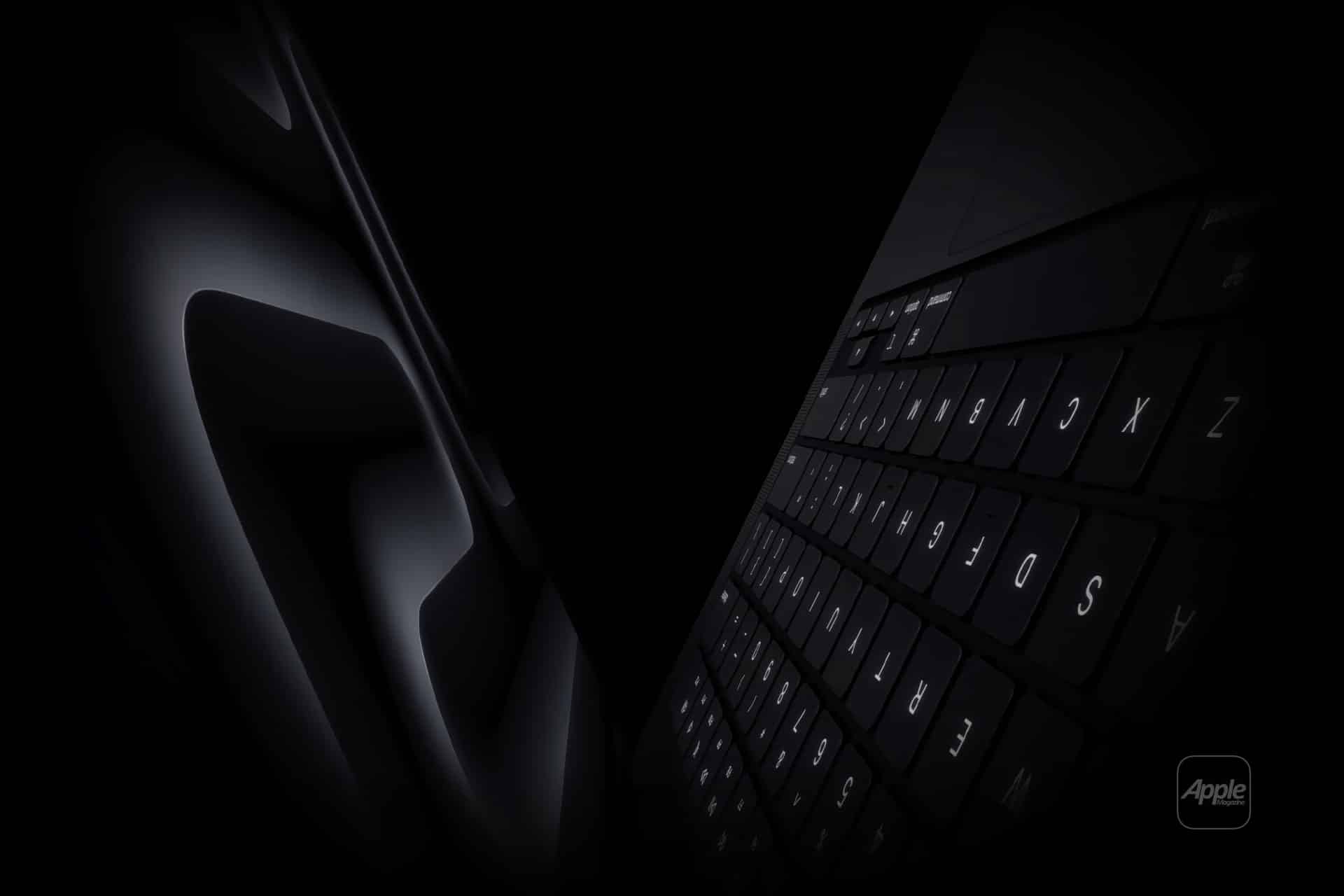
Apple’s shift toward OLED technology has been anticipated for years. While iPhone models have used OLED panels for several generations, larger devices have remained on LCD and mini-LED solutions. That balance now appears ready to change.
Recent reporting indicates that both the MacBook Pro and the iPad mini are scheduled to receive OLED panels for the first time. If accurate, this would represent a major structural change in Apple’s display strategy, bringing deeper contrast, improved color precision, and thinner panel construction to two distinct segments of its lineup.
Apple’s display roadmap has historically moved carefully. The company introduced mini-LED to the MacBook Pro and iPad Pro to deliver strong brightness and local dimming control without immediately transitioning to OLED at larger sizes. OLED production at laptop scale presents different manufacturing challenges than smartphone panels.

The MacBook Pro OLED Transition
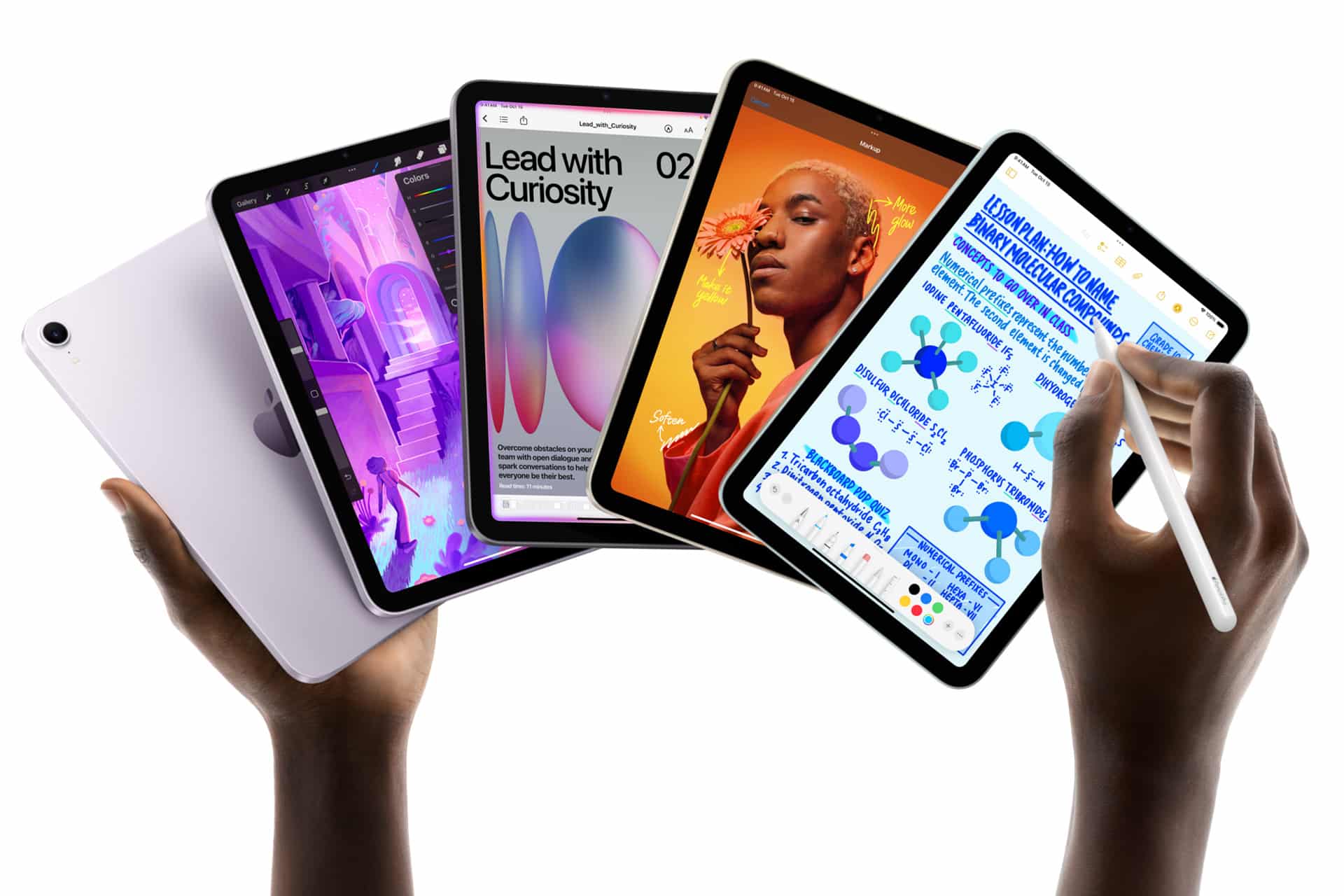
The MacBook Pro currently relies on mini-LED technology in its high-end configurations. Mini-LED has delivered high peak brightness and strong HDR performance, especially useful for video editors and photographers. However, OLED offers pixel-level lighting control. Each pixel emits its own light, eliminating the need for backlighting zones entirely.
That structural difference allows OLED to deliver true black levels with no blooming around bright objects. For professionals working with high dynamic range content, this precision could refine visual workflows further.
OLED panels are also thinner. That may influence future MacBook Pro design revisions. While reports do not indicate an immediate chassis redesign, thinner display stacks offer engineering flexibility.
Burn-in has historically been a concern with OLED panels on larger devices. Apple’s experience with OLED in iPhone and iPad Pro models likely informs mitigation strategies, including pixel shifting and brightness management techniques.
If the MacBook Pro transitions to OLED, the move signals Apple’s confidence in scaling panel durability to long-form computing environments where static UI elements remain visible for extended periods.
Why iPad Mini OLED Matters
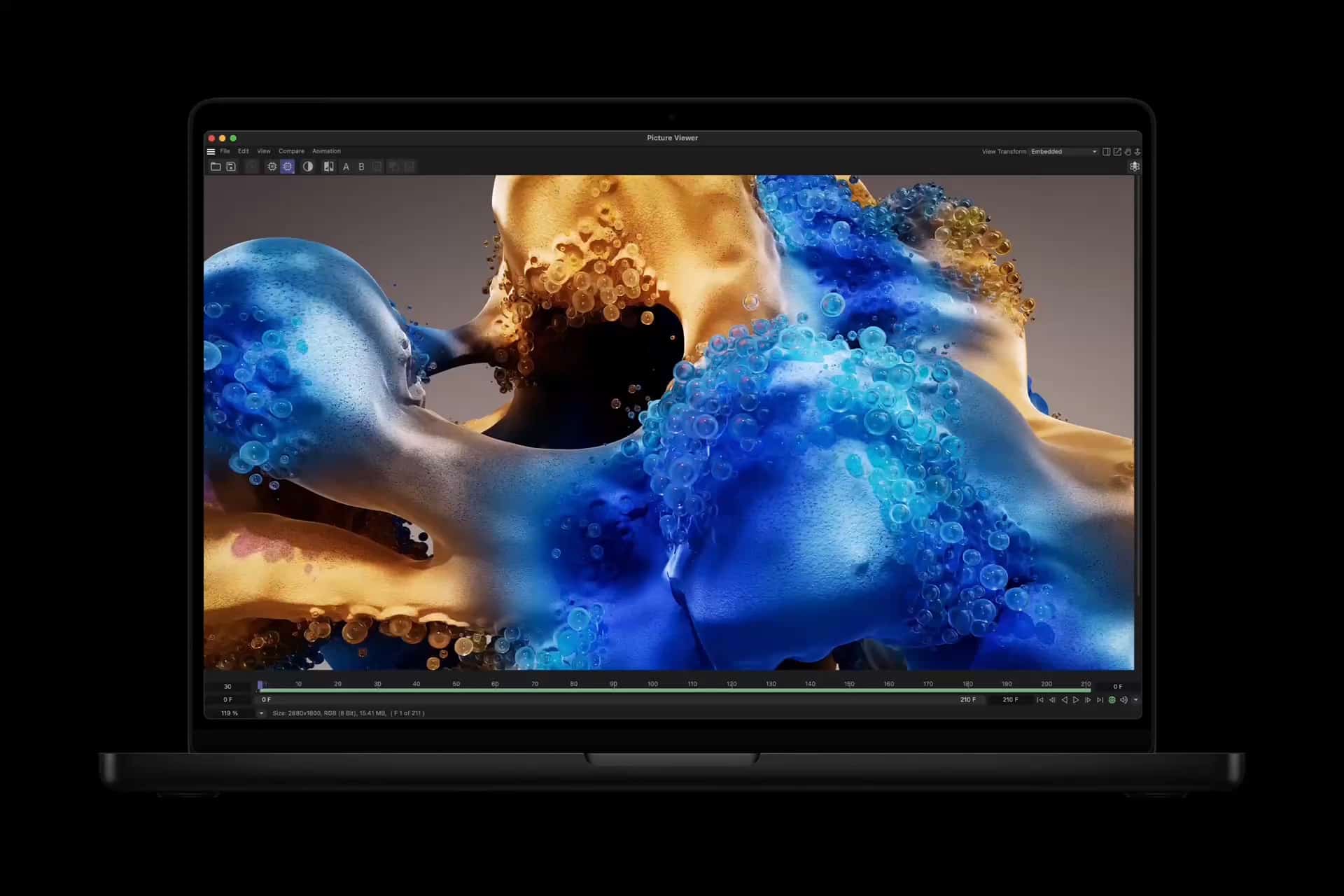
The iPad mini occupies a different space in Apple’s lineup. It targets portability, reading, field work, and mobile note-taking. Introducing OLED to the iPad mini could significantly enhance contrast and color depth in a compact form factor.
The iPad mini has maintained an LCD display while larger iPad Pro models adopted mini-LED and OLED. Upgrading the mini would modernize its visual profile and potentially improve power efficiency during content consumption.
OLED panels can consume less power when displaying darker content because pixels switch off entirely in black regions. For a device designed for mobility, this efficiency may translate into subtle battery improvements in everyday usage.
The upgrade would also align the iPad mini with Apple’s broader display direction, creating consistency across device categories.
Mini-LED vs OLED: Strategic Timing
Apple’s use of mini-LED was not a temporary placeholder. The technology bridged a gap between LCD and OLED at larger sizes, delivering high brightness levels and strong HDR performance without the yield challenges early OLED production faced.
As manufacturing processes mature and yields improve, the cost and reliability of larger OLED panels become more viable.
The timing of this shift suggests Apple views OLED as the next long-term standard for its premium displays.
Supply chain adjustments often precede public announcements by months. Panel production scaling must occur well before product release cycles.

Design and Product Positioning
The MacBook Pro and iPad mini serve different audiences, but both benefit from display fidelity.
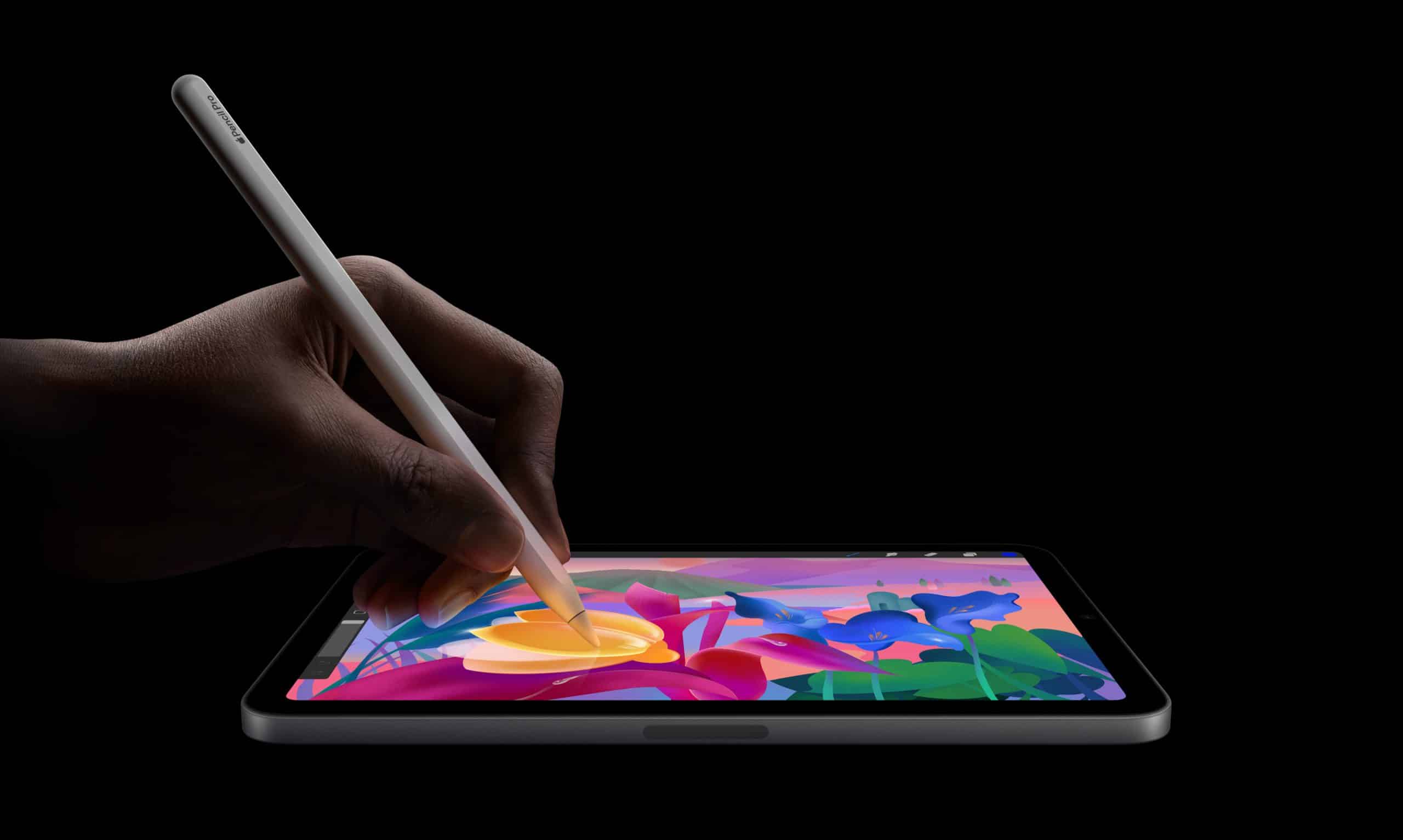
For MacBook Pro users — including video editors, photographers, and designers — OLED precision supports color-critical work. For iPad mini users — including travelers, readers, and field professionals — OLED contrast enhances media consumption and outdoor readability.
The move may also simplify Apple’s display messaging. Instead of explaining LCD, mini-LED, and OLED differences across product tiers, a broader OLED adoption reduces fragmentation.
However, mini-LED may continue in certain configurations depending on production timelines and pricing considerations.
Industry Implications
Apple’s adoption of OLED at scale influences the entire display supply chain. Panel suppliers expand production capacity, competitors adjust product strategies, and pricing dynamics shift.
OLED adoption in laptops remains less common than in smartphones. If MacBook Pro transitions successfully, it could accelerate broader laptop OLED adoption across the industry.
Similarly, upgrading the iPad mini modernizes the compact tablet segment, where display quality often lags flagship models.
The report does not indicate exact release timing, but the direction is clear: Apple is preparing to extend OLED technology deeper into its lineup.
As panel production advances and integration challenges narrow, OLED may soon become the standard across Apple’s premium mobile and computing devices.
