

Apple’s MacBook Pro line may be headed for a major display upgrade, with MacBook Pro OLED touchscreen rumorsgaining traction in industry reporting and supply chain signals. According to sources familiar with Apple’s development strategy, a 2026 MacBook Pro model could feature an OLED touchscreen panel, combining the high contrast and vibrant color depth of OLED with enhanced interactivity through touch support.
OLED displays already power many of Apple’s recent mobile devices with exceptional color accuracy and deep blacks, setting a benchmark across the iPhone and iPad lineup. Extending this technology to MacBook Pro would mark a substantial shift from traditional LED panels toward a more vivid, responsive visual experience on pro laptops.
OLED Touchscreen Display Benefits
Rumors suggest the 2026 MacBook Pro’s OLED touchscreen will offer richer contrast ratios and broader color support compared with existing mini-LED MacBook Pro models. OLED technology provides individually lit pixels, which can dynamically adjust brightness on a per-pixel basis for deeper blacks and more precise HDR rendering.
A touchscreen overlay could enable more direct manipulation of interface elements, especially when combined with macOS enhancements that leverage touch during creative workflows. While Apple has historically resisted including touchscreen on Mac laptops, industry analysts believe OLED touchscreen integration may be driven by the growing popularity of hybrid workflows and the increasing influence of touch-first computing.
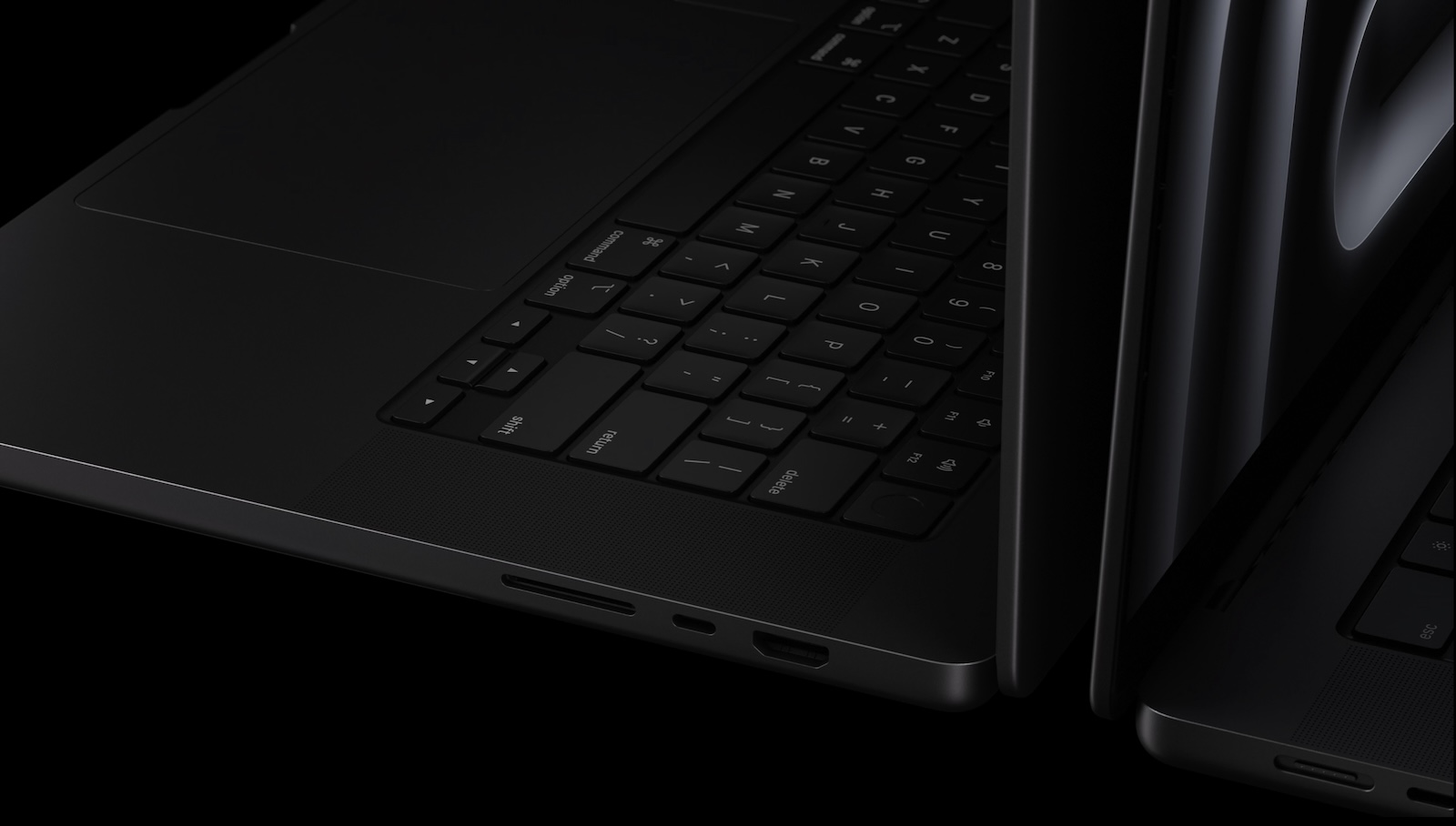
Potential Impact on Creative Professionals
A MacBook Pro with an OLED touchscreen could change how designers, photographers, and video editors interact with macOS. For example, precise color grading could benefit from OLED’s expanded dynamic range, while direct touch gestures may speed up tasks like timeline scrubbing in video editing or pinching and zooming on detailed artwork.
Although Apple’s current macOS interface remains optimized for keyboard and trackpad use, integration with touchscreen could support expanded multitouch gestures without disrupting core ergonomic design. Rumored display enhancements may also include adaptive refresh rates and localized dimming for improved animation smoothness.
Supply Chain Indicators
Supply chain reports and manufacturing whispers point to Apple evaluating new OLED panels from leading display makers equipped with touch layers that maintain power efficiency and thin profiles. OLED panel sourcing requires advanced production techniques to prevent burn-in and maintain brightness longevity — both areas tech analysts are watching closely in relation to MacBook Pro ambitions.
Some reports suggest Apple has been in advanced prototype testing phases, but no official timeline has been announced. Industry watchers expect that if Apple proceeds, a late-2026 introduction is more likely than an earlier debut, allowing time for hardware validation and software support integration.

Comparison With Current MacBook Pro Displays
Current MacBook Pro models use mini-LED backlighting with high brightness and contrast, but they remain constrained by the physical limitations of LED arrays. In contrast, OLED displays eliminate backlight layers entirely, enabling each pixel to emit light independently, which can produce deeper blacks and more vibrant colors.
Adding touchscreen functionality would create a hybrid interaction layer not previously seen on MacBook Pro, where the display becomes an active input surface without sacrificing performance or battery life.
Design and Hardware Implications
A shift to OLED touch panels could also influence MacBook Pro chassis design, potentially enabling thinner screen assemblies and better overall thermal behavior due to reduced backlighting heat. Apple silicon chips are already optimized for efficient performance in pro workflows, and a display upgrade could complement this efficiency with visual fidelity that matches next-gen productivity demands.


