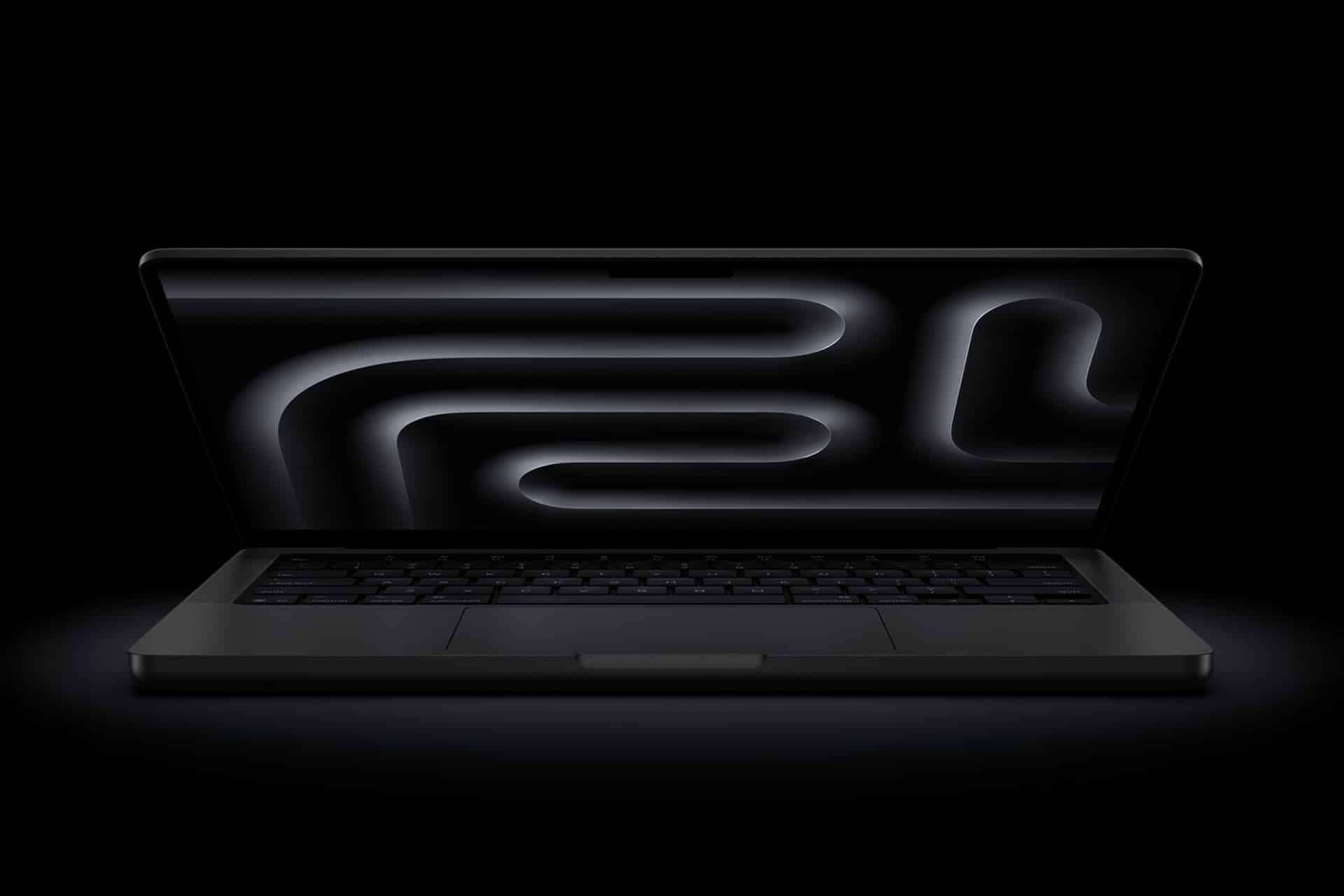
Apple is preparing what may become the most meaningful visual upgrade to the MacBook Pro in over a decade. If reports prove accurate, the MacBook Pro OLED display could debut in 2026, replacing the current Mini-LED panels with a new generation of screen technology that offers deeper blacks, higher contrast, smoother motion, and improved power efficiency.
This shift would align the MacBook Pro with Apple’s most advanced display roadmap. OLED has already transformed the iPhone and Apple Watch experience, and now the same technology may be ready for Apple’s flagship laptop. The result would be a screen that feels more alive, more precise, and more faithful to real-world color and light.
What Makes OLED Different From LED and Mini-LED
Today’s MacBook Pro models use Mini-LED technology with local dimming zones. While impressive, this system still relies on backlights. Even with thousands of dimming zones, some light leakage remains, especially around bright objects on dark backgrounds.
OLED removes the backlight entirely. Each pixel produces its own light and can shut off completely when displaying black. This creates infinite contrast, true blacks, and no halo effect. The image feels deeper and more natural, particularly in dark scenes or when editing HDR content.
OLED also delivers faster pixel response times, meaning less blur during motion and smoother transitions for video, animation, and scrolling.

Visual Precision for Creative Work
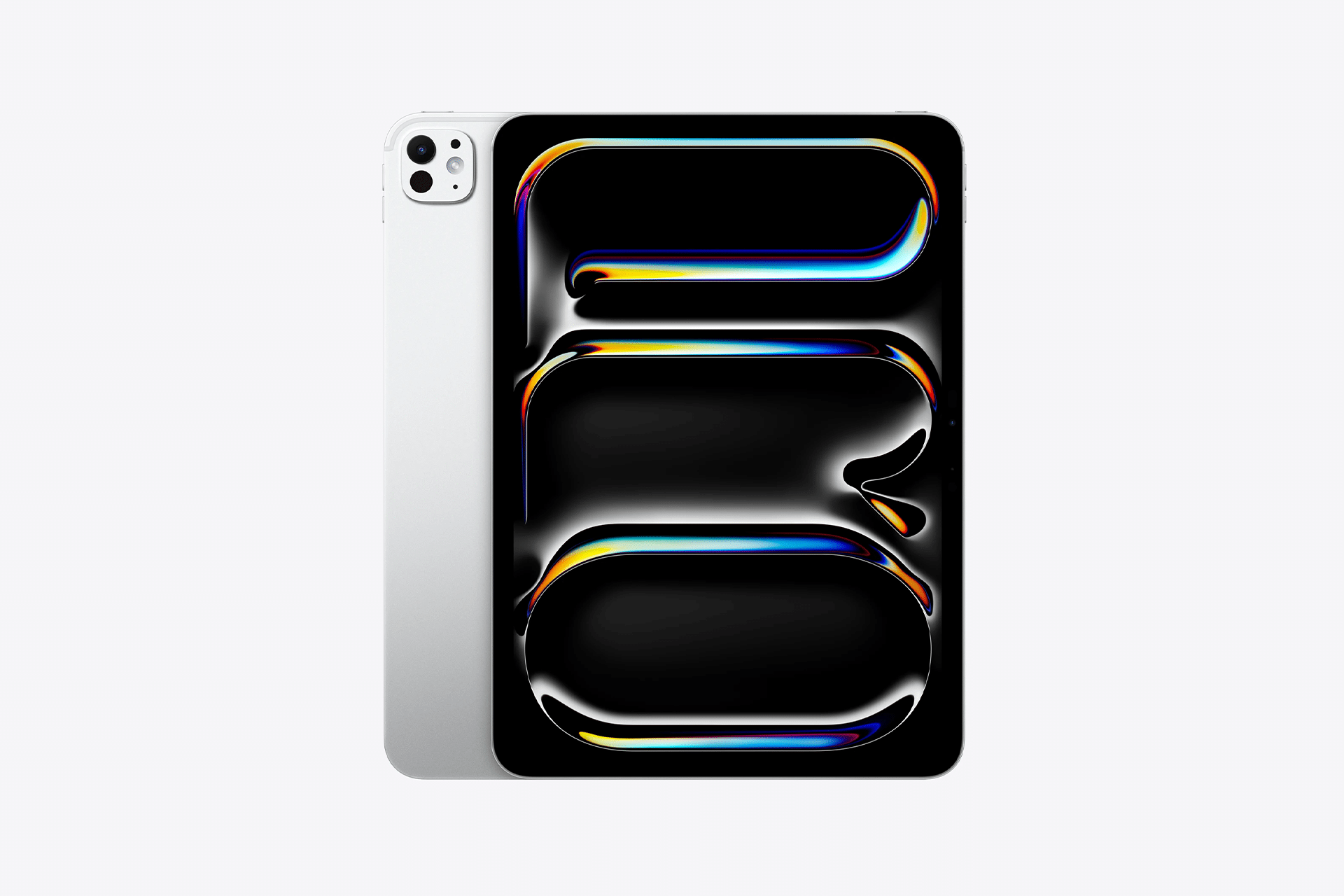
For photographers, filmmakers, designers, and editors, color accuracy is everything. OLED displays can show a wider color range and more precise gradation between tones. Shadows retain detail instead of turning gray. Highlights appear brighter without washing out surrounding areas.
HDR content benefits most. With OLED, a bright highlight does not raise the brightness of nearby dark pixels. This makes cinematic content look closer to real-world lighting, where contrast defines depth and mood.
If MacBook Pro OLED becomes reality, it will likely be one of the most color-accurate laptop screens ever produced.

Power Efficiency and Battery Life
OLED displays consume power only where pixels are lit. Dark interfaces and black backgrounds require less energy, which could extend battery life during tasks like coding, writing, or browsing.
Combined with Apple silicon efficiency, an OLED MacBook Pro could deliver longer unplugged sessions without sacrificing brightness or quality. This would benefit both professionals on the move and users who rely on all-day performance.
Thinner Design Possibilities
Because OLED panels do not require a backlight layer, they are thinner than LED displays. This could allow Apple to reduce the thickness of the MacBook Pro lid, balance weight, or make room for other internal components without changing the overall size.
It also opens the door for higher refresh rates and new panel designs that feel more responsive and fluid.
Apple has spent years refining OLED across smaller devices. Scaling that technology to laptops requires solving challenges like burn-in prevention, uniform brightness, and long-term durability. With advances in panel manufacturing and software-based pixel management, these issues are becoming less significant.
By 2026, Apple’s supply chain and display engineering may finally be ready to deliver OLED at MacBook Pro scale.
OLED is not just a cosmetic improvement. It represents a new standard for laptop displays, blending cinematic contrast, precise color, and efficiency into a single surface. For users who live on their screens, this change would be immediately visible, reshaping how content looks and feels every day.