
Messages vs WhatsApp is one of the most relevant comparisons in modern digital communication. These two platforms sit at the center of how billions of people talk every day, yet they represent very different philosophies. Apple’s Messages app is deeply integrated into the Apple ecosystem, blending traditional SMS with iMessage in a seamless interface. WhatsApp, owned by Meta, operates as a cross-platform global standard, designed to work identically across iOS, Android, and the web.
Both apps dominate their respective territories. Messages is the default choice for iPhone users in markets like the United States, where blue bubbles have become a cultural signal. WhatsApp, meanwhile, is the primary messaging tool across Europe, Latin America, India, and large parts of Africa. Despite their scale, the two platforms remain completely separate, with no native interconnection. This isolation is not accidental—it reflects strategic choices that shape how each service evolves.
Privacy, ecosystem lock-in, and global reach define this rivalry. Understanding how these two giants differ helps explain why messaging remains fragmented, even in an era of constant connectivity.
How Apple Messages Builds Power Through the Ecosystem
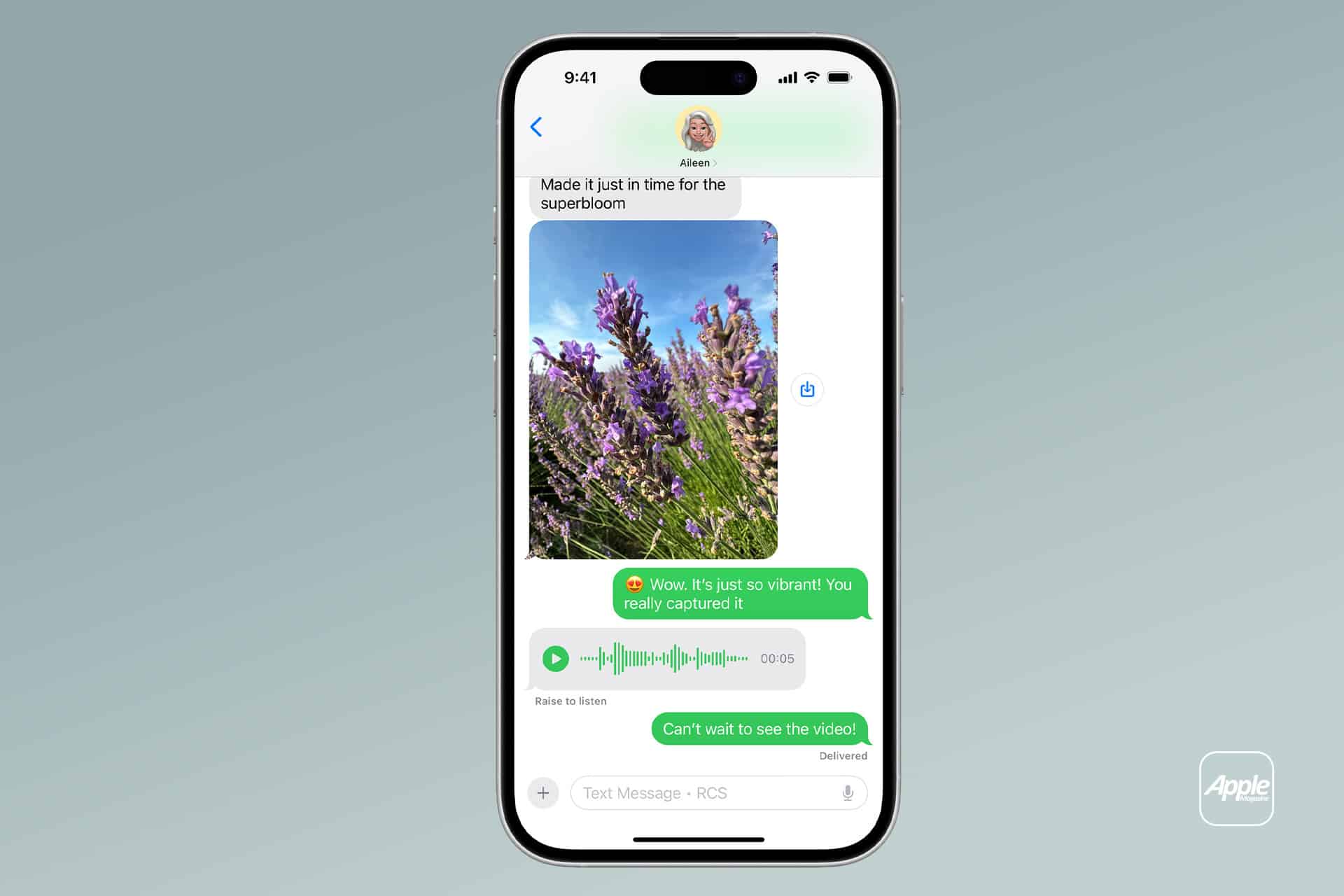
Apple Messages is not just a chat app; it is a system feature. On iPhone, iPad, Mac, and Apple Watch, Messages works as a unified communication layer tied directly to the Apple ID. When both sender and receiver use Apple devices, messages are sent via iMessage, enabling end-to-end encryption, high-quality media, read receipts, typing indicators, and advanced reactions.
This tight integration gives Messages a unique advantage. Conversations sync automatically across devices. Media is shared at full quality. Features like SharePlay, Digital Touch, location sharing, and seamless handoff between devices feel native rather than bolted on. Messages also integrates with system-level services such as Focus modes, Siri, Photos, and Apple Intelligence features.
Privacy is a core pillar of Apple’s approach. iMessage uses end-to-end encryption by default, and Apple positions itself as a neutral platform provider rather than a data-driven advertising company. Message content is not used for ad targeting, and many features are processed on-device. This stance resonates strongly with users who value data minimization and tight control over personal information.
The downside of this approach is reach. Messages works best when everyone involved uses Apple devices. Conversations fall back to SMS or RCS when communicating with non-iPhone users, resulting in reduced features and visual distinctions that reinforce platform boundaries. Apple’s strategy prioritizes experience quality within its ecosystem over universal compatibility.

WhatsApp’s Global Reach and Platform Neutrality
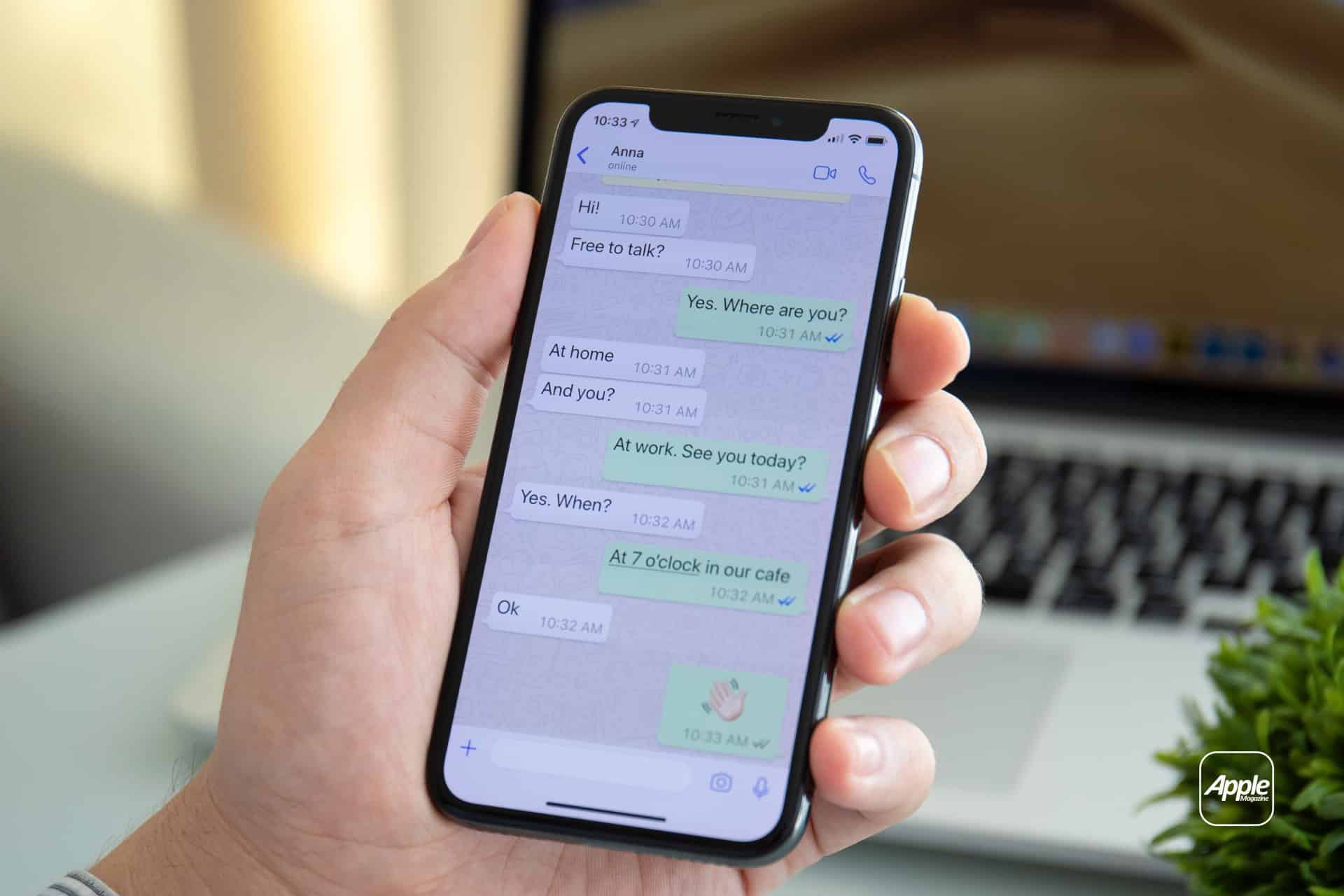
WhatsApp takes the opposite approach. It is designed to work everywhere, regardless of device brand or operating system. With more than two billion users worldwide, WhatsApp functions as a universal communication layer in many countries, replacing SMS entirely. A phone number is the only requirement, making onboarding simple and fast.
End-to-end encryption is enabled by default on WhatsApp, covering messages, voice calls, and video calls. This security model has helped build trust globally, especially in regions where messaging privacy is a major concern. Features like group chats, voice notes, document sharing, status updates, and multi-device support make WhatsApp a flexible tool for personal and professional use.
WhatsApp’s strength lies in its consistency. The experience is largely the same whether you’re using an iPhone, Android phone, or desktop browser. This neutrality makes it ideal for international communication, mixed-device families, and business interactions. WhatsApp Business further expands its role by enabling customer support, automated replies, and commerce integrations.
However, WhatsApp’s ownership by Meta introduces trade-offs. While message content remains encrypted, metadata collection and ecosystem integration raise ongoing questions about data usage. WhatsApp also operates independently from system-level features on iOS, meaning it cannot integrate as deeply with Apple’s hardware and software stack as Messages can.
Why There Is No Interconnection Between the Two
The lack of interconnection between Messages and WhatsApp is one of the most striking aspects of modern communication. Technically, bridging platforms is possible. Strategically, it is undesirable for both companies.
For Apple, Messages reinforces ecosystem value. The richer the experience within Apple devices, the stronger the incentive to stay. Opening iMessage to external platforms would dilute one of Apple’s most effective retention tools. Even recent support for RCS improves cross-platform messaging without fully collapsing the distinction between iMessage and other services.
For Meta, WhatsApp’s independence is its strength. Being platform-agnostic allows it to dominate globally without relying on any single hardware vendor. Integrating deeply with Apple’s messaging system would weaken WhatsApp’s control over its user experience and data flows.
This “solo” strategy results in a fragmented landscape where users often juggle multiple apps depending on who they are talking to. In some regions, Messages is secondary to WhatsApp. In others, WhatsApp is rarely used among iPhone-centric social circles. The division persists because both models are successful on their own terms.
Messages vs WhatsApp is less about which app is objectively better and more about which philosophy aligns with a user’s needs. Apple focuses on privacy, integration, and premium experience within a closed ecosystem. WhatsApp prioritizes reach, universality, and cross-platform consistency. As long as these priorities remain profitable, the world’s two most powerful messaging platforms will continue to coexist—separate, dominant, and fundamentally incompatible.