



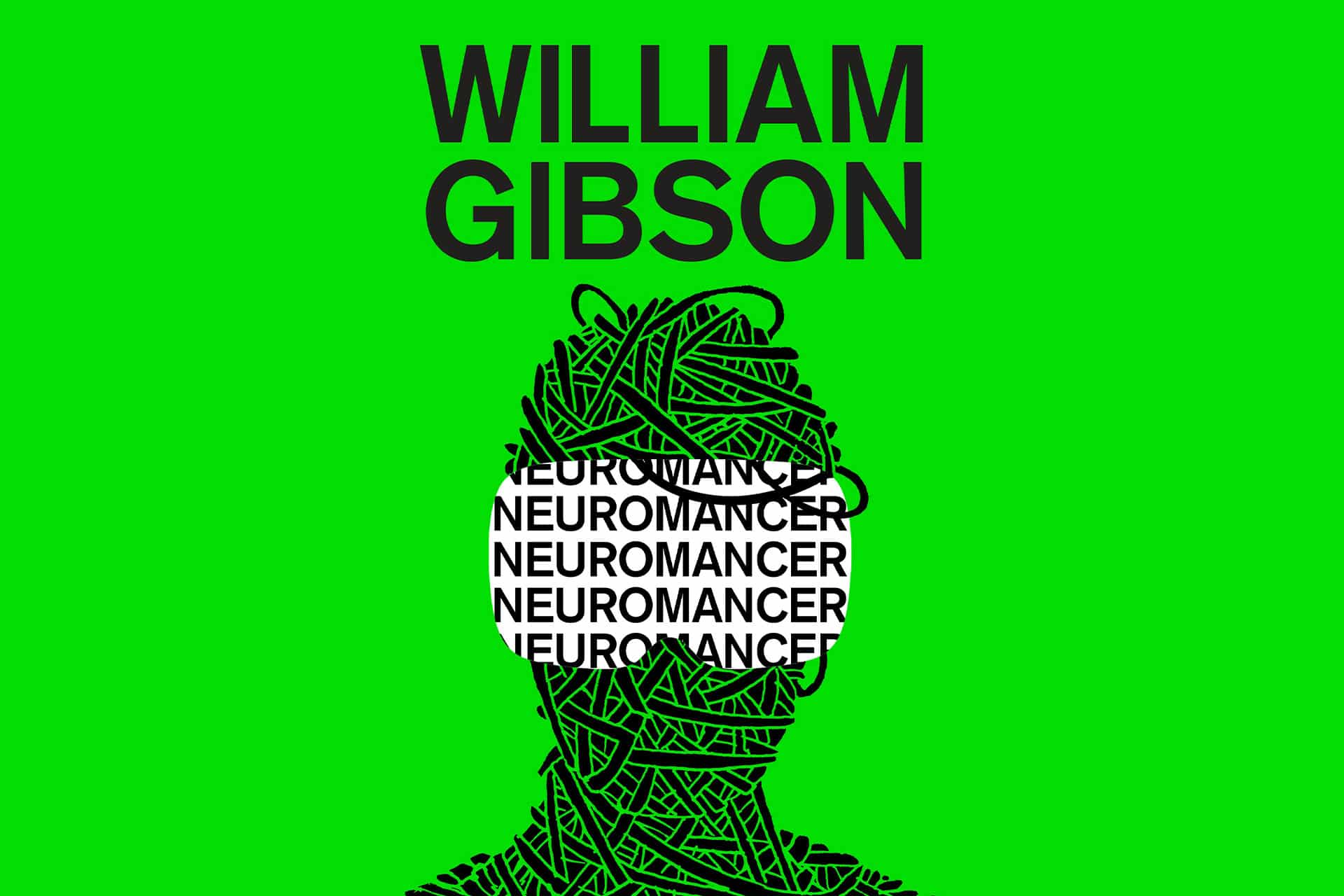
Neuromancer is officially moving deeper into production, and Apple TV is starting to build anticipation for what could become its next major science fiction series. The streamer shared a short teaser for the adaptation of William Gibson’s landmark 1984 novel, using one of the book’s most recognizable settings to signal that the long-awaited project is finally taking shape.
The teaser is not a full trailer. It does not show story footage, action, or character reveals. Instead, it offers a neon-lit glimpse of the Chatsubo, the bar where Gibson’s novel begins, paired with the line “Welcome to the Chatsubo, cowboy.” For fans of the book, that is enough to make the message clear: Apple TV wants this adaptation to feel rooted in the source material, not merely inspired by it.
Apple TV ordered Neuromancer as a 10-episode drama in 2024, with Graham Roland and JD Dillard creating the series for television. Roland serves as showrunner, while Dillard directs the pilot episode. The project is produced by Skydance Television, Anonymous Content, and DreamCrew Entertainment, with William Gibson also listed among the executive producers.
The series is expected to follow Case, a damaged hacker pulled into a dangerous job involving digital espionage, crime, artificial intelligence, and a powerful corporate dynasty. Callum Turner stars as Case, with Briana Middleton as Molly, the razor-edged mercenary who becomes one of the story’s defining figures.
Neuromancer Gives Apple TV a Cyberpunk Foundation
Neuromancer is not just another science fiction property. Gibson’s novel helped define cyberpunk and shaped decades of pop culture that followed. Its ideas around cyberspace, corporate power, artificial intelligence, body modification, hacker culture, and the blur between physical and digital life influenced everything from The Matrix to Ghost in the Shell, Cyberpunk 2077, and countless tech-noir stories.
That creates both an opportunity and a problem for Apple TV. The book is foundational, but many of its ideas have already been absorbed by later films, games, shows, and visual styles. An adaptation made today has to show why Neuromancer was the source, not look like it is borrowing from the works it inspired.
The teaser’s focus on the Chatsubo is a smart starting point. It avoids overexplaining the world and instead points fans toward atmosphere: a bar, a neon sign, a specific line, and the promise that Apple TV understands the book’s texture.
That texture matters. Neuromancer is not only about hackers and artificial intelligence. It is about decay, addiction, corporate manipulation, digital transcendence, street-level danger, and the cost of being rebuilt by systems stronger than any individual. A successful series needs more than stylish lighting. It needs to make the world feel dirty, dangerous, seductive, and economically ruthless.
Apple TV has the production reputation to attempt that. The service has built one of streaming’s strongest science fiction portfolios, with Severance, Silo, Foundation, For All Mankind, Dark Matter, Invasion, Monarch: Legacy of Monsters, and other genre titles giving it a clear identity in premium speculative drama.


A Strong Cast Around Case and Molly
Callum Turner leads Neuromancer as Case, the hacker at the center of the story. Case begins as a damaged figure who has lost access to the digital world that once defined him, making his return to cyberspace both a mission and a kind of addiction. Turner’s casting gives the series a recognizable lead after his work in Apple TV’s Masters of the Air.
Briana Middleton plays Molly, one of Gibson’s most memorable characters. Molly is central to the book’s physical danger, noir mood, and cybernetic edge. The character’s adaptation will be one of the most closely watched parts of the series because Molly’s look, movement, and presence have influenced decades of cyberpunk heroines and assassins.
The supporting cast adds weight. Mark Strong is attached as Armitage, the mysterious figure who recruits Case and Molly. Peter Sarsgaard, Clémence Poésy, Emma Laird, Joseph Lee, Dane DeHaan, Max Irons, André De Shields, and Marc Menchaca have also been reported in the cast across main and recurring roles.
That ensemble suggests Apple TV is treating Neuromancer as a serious prestige project rather than a narrow genre experiment. The book’s world includes criminals, aristocratic corporate figures, artificial intelligences, digital ghosts, and street-level survivors. It needs a cast capable of giving the story both scale and strangeness.
Why the Adaptation Has Been So Difficult
Neuromancer has been famously hard to adapt. Filmmakers and studios have tried for years, with multiple versions failing to reach production. The reasons are obvious. The novel’s structure is dense, its language is sharp and compressed, and much of its power comes from mood, concept, and internal experience rather than simple plot mechanics.
The book also presents cyberspace in a way that was revolutionary in 1984 but harder to visualize now because audiences have already seen decades of digital-world imagery. A modern adaptation cannot simply show glowing grids and call it new. It has to make cyberspace feel dangerous, alien, addictive, and tied to the body.
Television may be a better format than film because Neuromancer needs time. A 10-episode structure can explore Case’s damage, Molly’s role, the Tessier-Ashpool dynasty, Wintermute, Neuromancer, and the larger corporate world without reducing the novel to a single heist plot. The danger is pacing. Too much explanation can flatten the mystery. Too little can make the story opaque for viewers who have not read the book.
Apple TV’s best sci-fi shows often succeed when they let atmosphere and character carry the premise. Silo made underground politics feel lived-in. Severance turned office space into psychological horror. Foundation has worked hardest when it connects huge ideas to characters under pressure. Neuromancer will need that same balance.
The Challenge of Making Cyberpunk New Again
The hardest task for Neuromancer is freshness. Cyberpunk aesthetics are now familiar: neon cities, rain, hackers, artificial intelligence, megacorporations, surgical body upgrades, street markets, surveillance, and digital escape. The series has to show why Gibson’s world still cuts deeper than the surface.
One way to do that is to lean into the novel’s economics. Neuromancer is not only cool-looking science fiction. It is a story about people shaped, used, and discarded by systems of money and control. Bodies are modified because power demands it. Minds are exploited because data is valuable. Identity becomes unstable because technology and capital make it unstable.
Those ideas are more relevant now than ever. AI assistants, neural interfaces, surveillance systems, corporate cloud infrastructure, synthetic media, platform economies, data markets, and private tech power have made Gibson’s concerns feel less distant. The series does not need to modernize the book by forcing current tech references into every scene. It needs to show that Neuromancer’s anxieties already became the modern world.
The AI angle is especially important. Apple TV is launching this adaptation at a moment when artificial intelligence is at the center of technology, labor, entertainment, and security debates. Neuromancer’s treatment of AI is older, stranger, and more mythic than today’s product demos, which may help the series stand apart from generic “AI goes wrong” storytelling.
Apple TV’s Sci-Fi Strategy Gets Sharper
Neuromancer fits Apple TV’s larger genre strategy. The service has spent years building a science fiction identity based on prestige adaptations, high-concept originals, and visually polished worlds. That gives the platform a stronger genre lane than many rivals, especially as streaming services compete for recognizable intellectual property.
Silo gives Apple TV a dystopian mystery. Foundation gives it epic space civilization. Severance gives it corporate surrealism. For All Mankind gives it alternate-history space drama. Dark Matter gives it multiverse thriller material. Neuromancer can give it cyberpunk at the source.
That matters because sci-fi subscribers often follow ecosystems of shows. A viewer who likes Silo or Severance may be more willing to try Neuromancer. A William Gibson fan may discover Apple TV’s other genre catalog. The service does not need one show to carry the entire brand; it needs enough strong genre titles to make Apple TV feel like a home for ambitious science fiction.
Neuromancer also gives Apple TV literary credibility. Gibson’s novel won the Hugo, Nebula, and Philip K. Dick awards, and its reputation has only grown because so much of modern tech culture seems to echo it. Adapting a book with that influence signals confidence, but it also raises expectations.
A Teaser Built for Fans First
The first teaser works because it is restrained. Apple TV could have led with explosions, body mods, cityscapes, or a generic hacker montage. Instead, it chose the Chatsubo and one line that longtime readers recognize immediately.
That approach may not explain the series to new viewers, but it tells fans the production knows where it is standing. The next trailer will need to do more: show Case, Molly, the tone of cyberspace, the criminal plot, and the visual identity of the world. For now, the teaser is a production signal and a trust-building gesture.
There is no confirmed premiere date yet on Apple TV’s show page, which lists Neuromancer as coming at a later date. That gives the series room to build slowly. For a project with this much adaptation pressure, that may be better than overpromising too early.
Neuromancer could become Apple TV’s next major sci-fi hit if it solves the central problem: making a classic that inspired the future feel dangerous again in the present. The teaser’s neon bar is only a doorway. The real test is whether the series can make viewers feel like they are entering cyberspace for the first time.