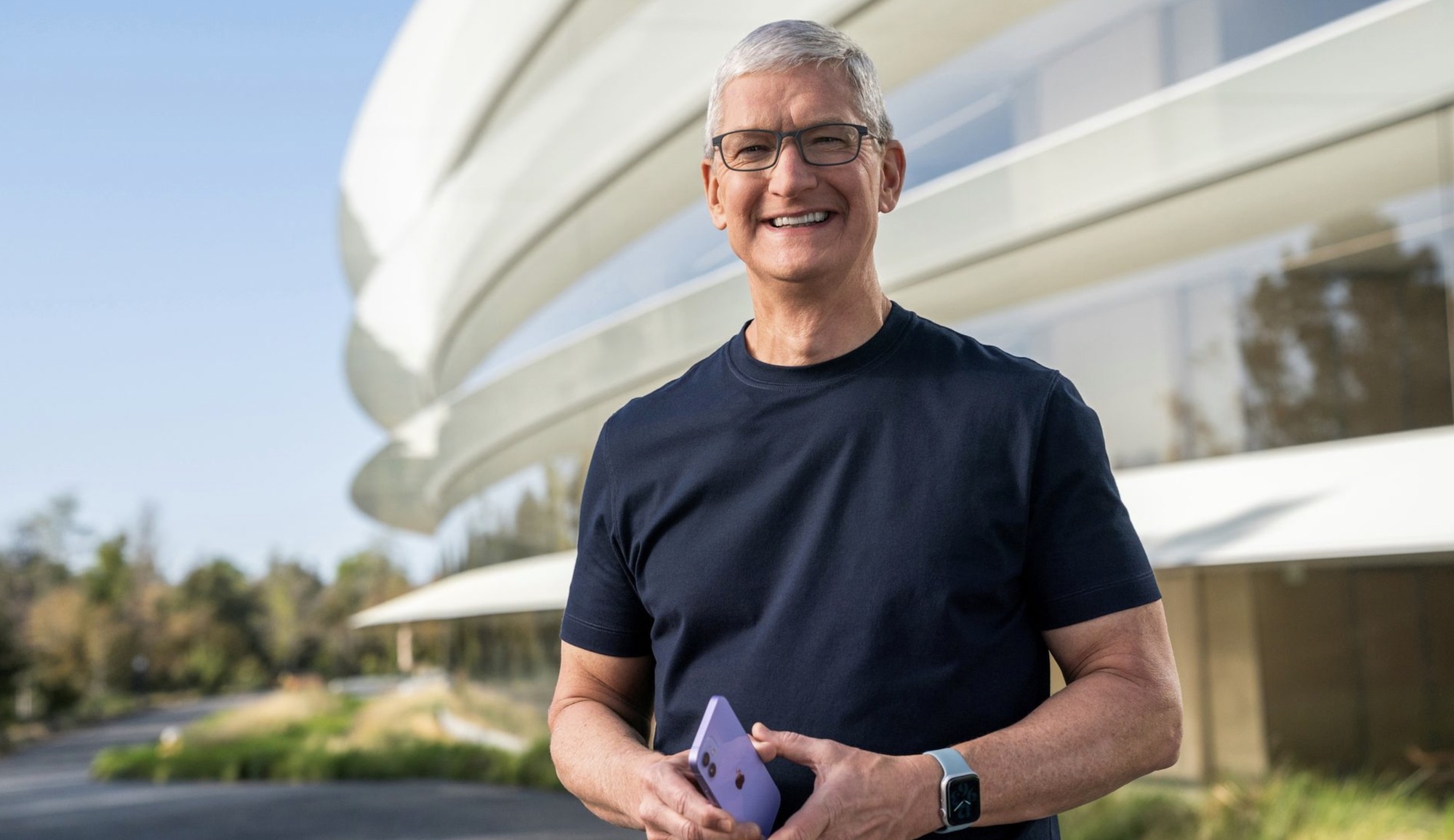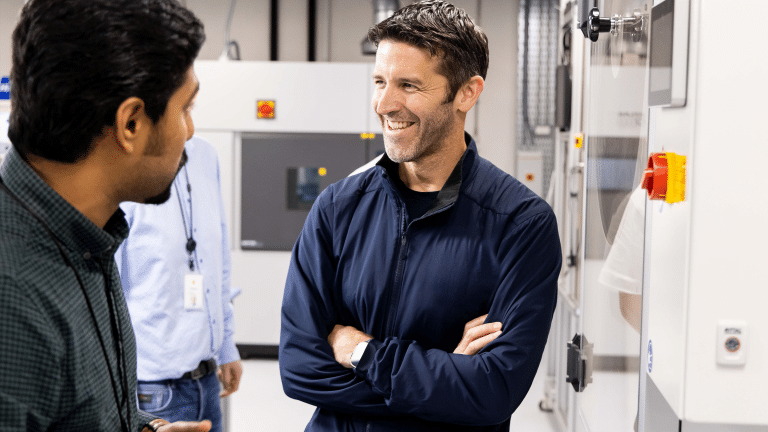
New Apple CEO John Ternus is drawing intense attention across the tech industry because Apple is not making a routine executive change. The company is preparing to move from Tim Cook, the leader who scaled Apple into one of the most valuable businesses in history, to a hardware executive shaped by more than two decades inside its product culture.
The timing gives the transition much more weight. Apple is entering a period where artificial intelligence is changing the expectations around phones, computers, search, productivity, assistants, and personal devices. OpenAI, Google, Microsoft, Meta, Anthropic, Nvidia, and others have moved quickly into the public AI conversation, while Apple is still working to turn Apple Intelligence and Siri into everyday tools that feel essential. Ternus will inherit not only Apple’s strongest product lineup, but also the pressure to prove that the company can define the next layer of personal computing.
That is why the reaction around Ternus has been so focused. The industry is not treating him as an unknown. He joined Apple in 2001, rose through the hardware organization, and became one of the company’s most visible product executives. His name is tied to the Mac, iPad, Apple Watch, AirPods, Apple Vision Pro, Apple Silicon Macs, and the broader hardware strategy behind Apple’s ecosystem. The question is not whether he understands Apple. The question is what kind of Apple he will build as CEO.
New Apple CEO Faces an AI-Driven Industry Test
The largest part of the industry reaction centers on AI. Apple’s next CEO is arriving at a moment when the definition of a personal device is shifting. A phone is no longer judged only by camera quality, display brightness, battery life, or processor speed. Users now expect software that can summarize, write, automate, search, understand context, manage tasks, and work across apps with less manual effort.
That expectation puts Siri at the center of the challenge. For years, Siri has been one of Apple’s most recognizable features and one of its most criticized. It arrived early, but did not keep pace with the modern AI assistant market. ChatGPT changed public expectations almost overnight. Gemini, Copilot, Claude, Meta AI, and other systems turned conversational AI into a daily productivity layer. Apple now has to prove that Siri can become more than a voice command tool.
Ternus’ background makes this especially interesting. He is not a software-first CEO. He comes from hardware. At first glance, that may look like a mismatch for the AI era. But Apple’s approach to AI is not only about cloud models. It depends heavily on the device itself. On-device intelligence needs chips, memory, Neural Engines, microphones, cameras, sensors, secure enclaves, batteries, displays, and thermal design. Private Cloud Compute also depends on Apple Silicon servers and a security model that Apple can explain clearly to users.
That gives Ternus a possible advantage. If Apple wants AI to feel personal, private, and deeply integrated, the hardware foundation matters. A CEO trained in the product system may understand that better than someone focused only on software announcements or model rankings. The risk is speed. The AI industry now moves faster than Apple’s traditional product cycle, and Ternus will need to show that Apple can remain careful without appearing slow.

Analysts See Continuity With Higher Pressure
Wall Street’s reaction has been calmer than the public conversation. Apple did not choose an outsider or a dramatic restructuring figure. It chose an internal leader who knows the company’s product culture and has already worked near the center of major launches. That suggests continuity, which investors usually prefer during a transition of this size.
Still, continuity alone will not be enough. Analysts are watching the same pressure points: AI execution, iPhone growth, China, services maturity, regulation, new product categories, and whether Apple can make Vision Pro, smart home hardware, or future wearable devices into larger businesses. Cook leaves Apple with enormous financial strength, but also with a clear expectation that the next era needs a more visible product leap.
That is where Ternus’ hardware identity becomes part of the reaction. Some see him as a product-centered choice after years of Cook being defined by operations, supply chain strength, and financial scale. Cook made Apple bigger, more profitable, and more operationally powerful than ever. Ternus may be expected to make Apple feel more inventive again.
That expectation can be both helpful and unfair. Apple is no longer a smaller company capable of surprising the market with one product and changing its entire trajectory. It is a global platform with billions of active devices, deep regulatory exposure, and massive supply chain commitments. Any CEO must protect that machine. But the appointment of a hardware leader naturally raises hopes that Apple’s next chapter will be driven by devices and experiences rather than only by services growth and incremental updates.
Media and Apple Watchers Split Between Trust and Urgency
The media reaction has carried two tones at once. One is trust. Ternus is widely seen as a serious Apple insider, respected inside the hardware organization and familiar to people who follow Apple product events. He presents like a product person: measured, clear, and focused on how devices work. That helps him fit the company’s public style.
The other tone is urgency. Apple watchers know that the company cannot rely forever on the same iPhone-led model. The iPhone remains Apple’s most important product, but AI threatens to change how users interact with devices. If personal AI agents become the next major interface, Apple must own that experience or risk becoming the hardware layer beneath someone else’s intelligence.
That is the real fear behind some reaction. Apple has the devices people trust, but other companies currently have more public momentum in AI. If OpenAI, Google, Microsoft, or Meta becomes the first place people go for daily decisions, research, personal automation, and search-like answers, Apple loses some of the intimacy it built through iPhone. Ternus will need to defend that relationship.
The opportunity is just as large. Apple could turn Siri into the front door for multiple AI providers, giving users access to the best models while keeping permissions, privacy, device context, and interface control inside Apple’s ecosystem. In that version of the future, the New Apple CEO would not need Apple to win every AI benchmark. He would need Apple to become the safest and most useful place to use AI in daily life.
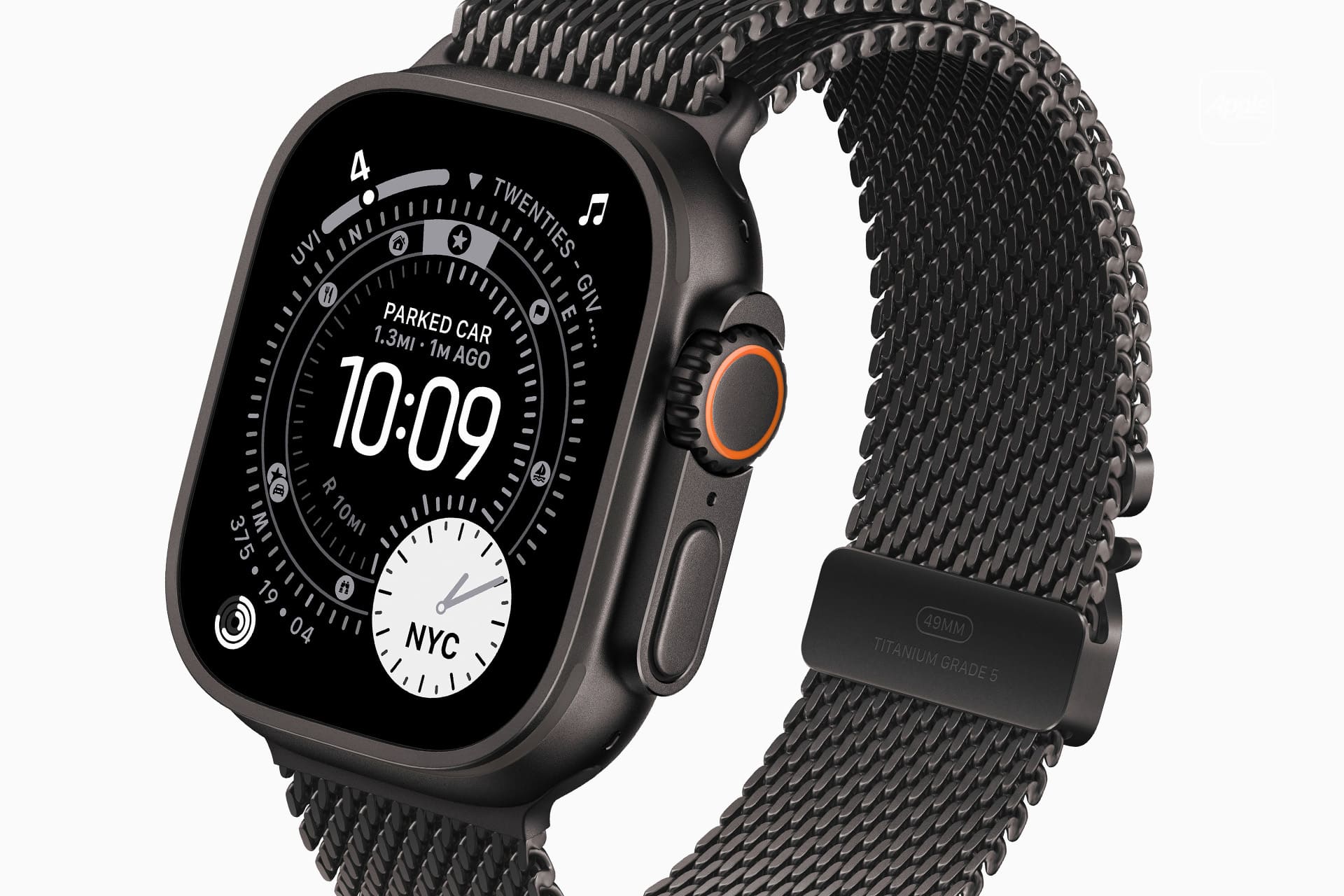
Competitors Are Watching the iPhone Distribution Layer
Competitors are likely reading this transition through Apple’s distribution power. Every major AI company wants access to users at the point of daily intent. The iPhone is still one of the most valuable places in the world for that. It is the device people carry, unlock, check, speak to, photograph with, navigate through, pay with, and use for private communication.
That makes Apple’s next AI decisions strategically important for the entire industry. If Apple keeps outside AI providers at a distance, it must make Siri and Apple Intelligence strong enough on its own. If Apple opens Siri more broadly, Google, OpenAI, Anthropic, Microsoft, Meta, and others may compete for placement inside Apple’s experience. Either way, Apple controls one of the most important gateways.
Ternus’ challenge will be to protect that gateway without making it feel closed for the wrong reasons. Apple users expect privacy, reliability, and consistency. They also increasingly expect powerful AI. If Apple can offer both, it could turn the iPhone into the center of personal intelligence. If it cannot, users may continue opening separate apps for the most advanced AI work, weakening Siri’s role.
This is why the industry reaction is so intense. Ternus is not only taking over a company. He is taking over one of the most important interfaces between humans and digital life at the moment that interface is being rewritten.
Tim Cook’s Shadow Defines the Starting Point
Any reaction to Ternus also carries the weight of Tim Cook’s legacy. Cook took over from Steve Jobs under impossible expectations and turned Apple into a global giant of profitability, scale, services, wearables, and operational precision. He made Apple more durable. He expanded its installed base. He protected its premium brand. He made privacy and environmental commitments part of its public identity. He oversaw Apple Watch, AirPods, Apple Silicon Macs, services growth, and a company valuation that reached levels few businesses have ever approached.
That is a difficult act to follow. Ternus will not be judged only against competitors. He will be judged against Cook’s stability and Jobs’ product myth at the same time. One predecessor built the modern imagination of Apple. The other built the modern scale of Apple. Ternus has to build the next behavior of Apple.
His first years will likely define how the industry remembers the transition. If Siri improves meaningfully, Apple Intelligence becomes more useful, the iPhone remains strong, and new hardware categories mature, Ternus’ appointment will look like a smart move back toward product leadership. If Apple continues to trail in AI perception, the hardware background may be criticized as too conservative for the moment.
For now, the reaction is cautious but serious. The tech industry sees why Apple chose him. It also sees why the timing is dangerous. New Apple CEO John Ternus inherits a company with extraordinary loyalty, unmatched device integration, and deep hardware strength. He also inherits the AI question Apple can no longer postpone. The next Apple era will be judged by whether that hardware discipline can become the foundation for a more intelligent, more personal, and more useful computing experience.