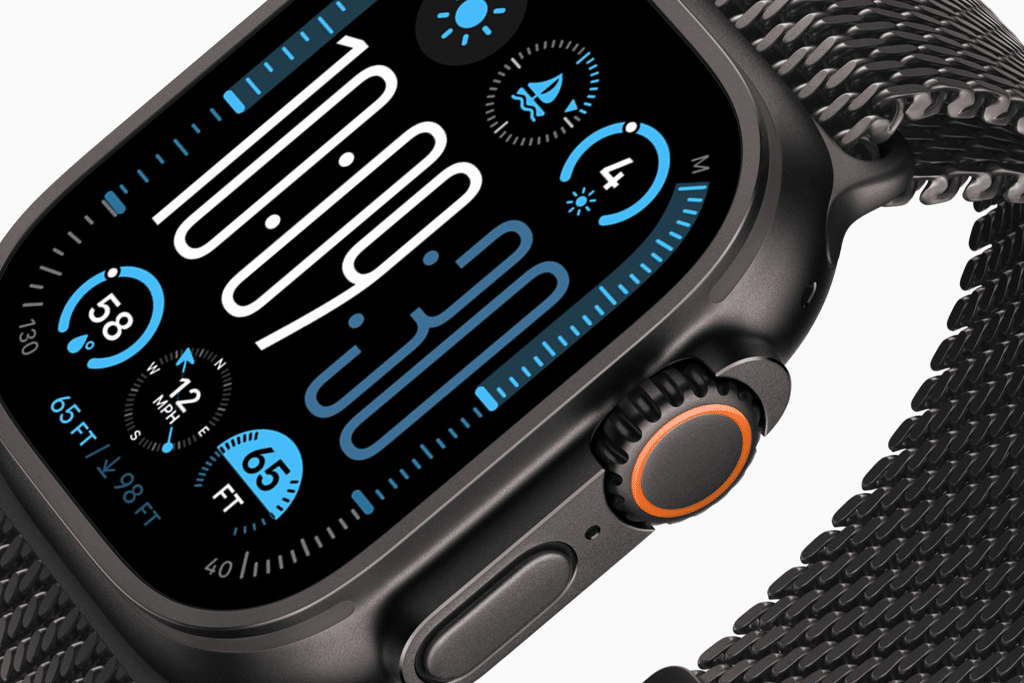
Researchers at MIT have developed a system for noninvasive glucose monitoring that uses a compact optical device to measure blood sugar without piercing the skin. The method relies on Raman spectroscopy, a technique that captures how light scatters when it interacts with tissue. By analyzing the resulting signal, the device can infer glucose levels beneath the skin surface. The prototype is currently larger than consumer wearables, but the researchers say the hardware can be miniaturized to the size of a watch, opening the possibility that wrist-worn devices could one day offer glucose checks without finger pricks or implanted sensors.
The system works by shining light onto a small area of skin and measuring subtle wavelength shifts that correspond to molecular vibrations. When glucose absorbs and scatters light in specific ways, the signature appears in the spectrum captured by the instrument. While traditional attempts to use Raman spectroscopy for glucose analysis struggled with weak signals and interference from surrounding tissue, the MIT team focused on isolating narrow spectral regions where glucose produces cleaner readings. This refinement allowed the prototype to gather usable information within roughly thirty seconds, making the process practical for repeated measurements throughout the day.
Developing a Skin-Based Glucose Measurement Method
The researchers built a model that identifies the relevant glucose bands in the scattered light and distinguishes them from other tissue components. To validate the approach, they compared readings from their noninvasive system with either commercial continuous glucose monitors or finger-prick tests performed during the trials. Early tests demonstrated accuracy comparable to existing monitoring tools, suggesting the optical method could serve as an alternative for many users if the device can be scaled down.
The system’s core advantage lies in its lack of consumables or implants. Finger-prick testing requires strips, lancets and manual record-keeping, while continuous glucose monitors use subcutaneous sensors that need periodic replacement. By contrast, a light-based measurement extracts information from above the skin, removing the need for physical penetration or adhesive patches. The researchers note that the device’s sensing principles require stable optics, a sensitive detector and algorithms suited to varying skin types, but none of these elements present barriers that rule out long-term miniaturization.


Working Toward a Wearable-Sized Device
An important detail emphasized by the MIT team is that the hardware footprint is fundamentally compatible with a wrist-worn form factor. Raman spectroscopy typically requires a light source, focusing optics and a detector, all of which have been shrinking due to advances in compact photonics. Members of the research group stated that a watch-sized version is technically feasible if future engineering can maintain calibration accuracy and compensate for noise introduced by motion or perspiration.
This possibility intersects with long-standing interest in bringing noninvasive glucose tracking to consumer health devices. Public reporting over the past decade has documented efforts within the wearables industry to achieve noninvasive glucose monitoring through various optical, electromagnetic or spectral techniques. Investigations into infrared absorption, radio-frequency sensing and photonic measurements have appeared in academic literature and patents. The challenge has consistently been extracting a reliable glucose signal from the surrounding tissue matrix while keeping the device small enough for everyday use.

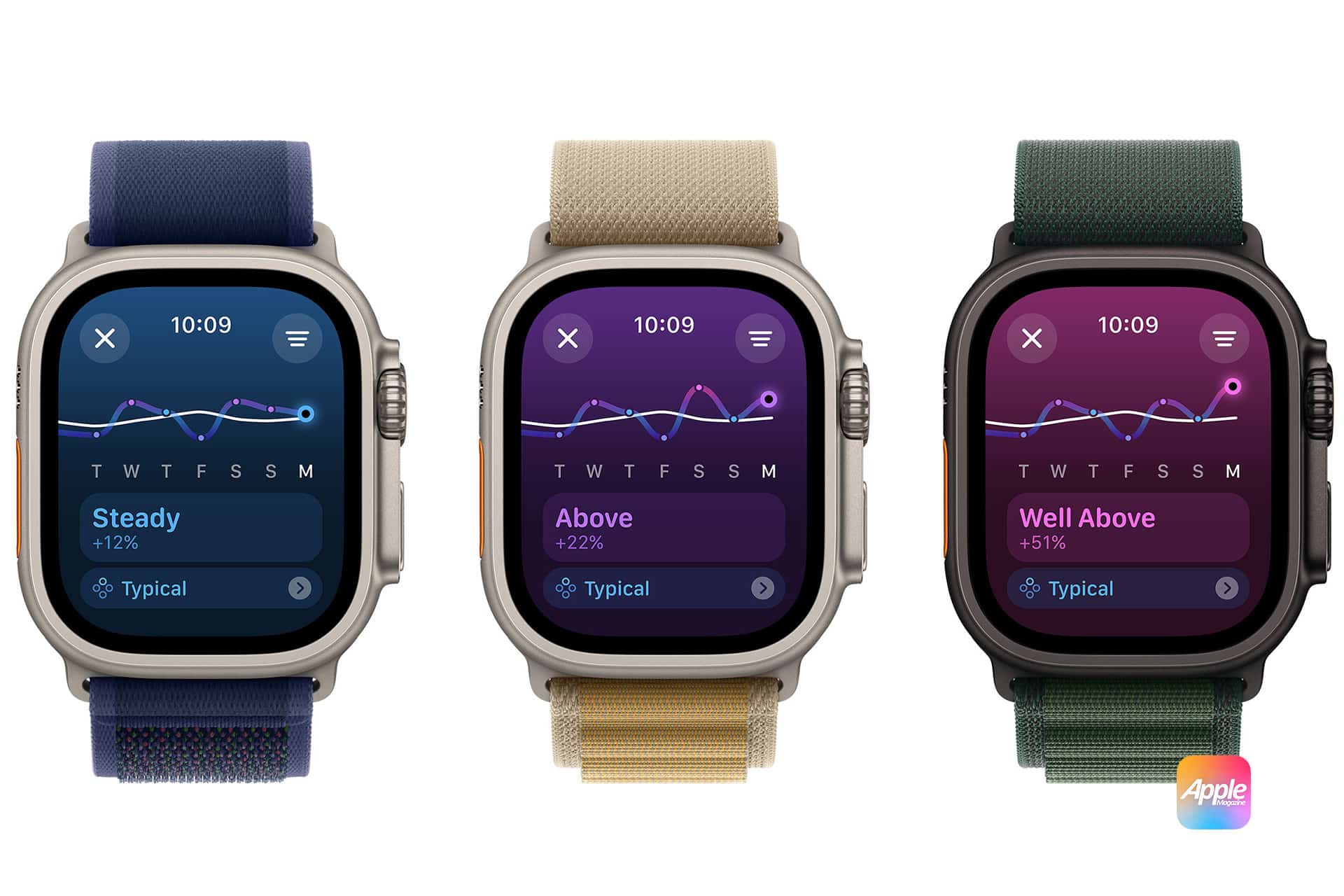
Why the MIT Approach Aligns With Wrist-Based Health Tracking
What sets the MIT system apart in this landscape is that it demonstrates a functioning, noninvasive optical measurement validated against standard glucose readings, supported by a mechanism already used in laboratory spectroscopy. Because the method works entirely from the skin surface, the concept aligns naturally with wrist-based consumer devices, which also operate from external contact points. A watch requires a sensing technique that can work through shallow tissue without inserting hardware; the Raman-based method satisfies that requirement.
Another factor increasing wearable relevance is the potential for repeated scans without discomfort. People who monitor glucose frequently benefit from tools that minimize disruption to routine activities. If a compact Raman sensor can produce readings in under a minute, a watch-sized version could eventually support periodic checks throughout the day without adhesive patches or sensor changes. Users managing diabetes, or people tracking metabolic responses to meals and exercise, could integrate such measurements into daily wellness monitoring.
The broader context involves strong interest from the wearables market in noninvasive glucose sensing. Publicly available reports from independent analysts and major publications have noted that companies exploring wrist-based glucose tracking have faced significant engineering obstacles, particularly around accuracy, signal clarity and power consumption. A technique that isolates more robust glucose signatures, as the MIT work suggests, could open a new path to solving those long-standing barriers. If the required components can be made small enough, a watch platform could combine optical sensing with machine-learning models that adapt the signal to individual physiological differences.
Comparing the System With Existing Diabetes Tools
To understand why this technology could be meaningful for consumers, it helps to compare it to existing glucose solutions. Traditional finger-prick testing provides accurate results but requires manual effort and can cause discomfort. Continuous glucose monitors supply near-continuous data but involve a subcutaneous sensor that must be replaced periodically. Both methods introduce recurring costs, maintenance and, in the case of implanted sensors, some degree of invasiveness.
The MIT approach replaces these steps with a surface-level interaction mediated by light. The device directs near-infrared or visible wavelengths onto the skin and reads back the scattered spectrum, producing a result without breaking the surface. If miniaturization progresses, the sensing action could resemble a brief wrist-based scan. While this does not replace clinical-grade devices in its current form, the research demonstrates that noninvasive readings can reach accuracy levels comparable to the methods used today.
Scaling the Tech for Broader Use
A number of engineering tasks remain before a wearable-sized device reaches consumer environments. Optical components must remain stable when exposed to motion. Algorithms need to compensate for variability in skin pigmentation, tissue thickness and hydration. Detectors must achieve sufficient sensitivity in small volumes. These challenges are being evaluated by the research group as they explore advanced prototypes.
Even with these hurdles, the principle demonstrated by the current device broadens the set of viable approaches for wrist-based sensing. The optical pathway avoids concerns associated with implanted electronics and allows redesigns that prioritize comfort and mechanical simplicity. Miniature spectrometers, already used in some industrial and scientific tools, continue to shrink, which aligns with the researchers’ view that watch-sized units are achievable. The compact nature of photonic components supports the idea that, with further refinement, a consumer version could one day integrate into devices that people already wear daily.

Expanding Interest in Noninvasive Metabolic Tracking
Noninvasive glucose monitoring also intersects with wider interest in metabolic health. Many people without diagnosed diabetes have become more aware of how glucose patterns relate to energy levels, exercise recovery and general wellness. Wearables already track heart rate, blood oxygen, sleep staging and activity metrics, forming an interface for health data that feels immediate and accessible. Adding glucose insight, if technically feasible, could extend that experience into an area currently served by specialized medical hardware.
While the MIT researchers remain focused on scientific and engineering questions rather than consumer product development, the detailed demonstration of their optical system provides a reference point for future work in the wearables field. The device’s reliance on surface-level spectroscopy rather than implanted electronics expands the toolkit available to designers, engineers and companies exploring metabolic sensing. The research highlights how refining spectral analysis and improving noise isolation can turn a laboratory method into a functional, repeatable prototype that measures glucose without piercing the skin.
The team continues to explore variations in optical configuration, detector sensitivity and the mathematical models that interpret the scattered light. Their findings show that identifying a limited number of optimal glucose bands can improve measurement repeatability and reduce interference, which has historically been a central limitation in noninvasive optical glucose research. As their prototypes continue to evolve, they are evaluating different calibrations and skin-contact designs that could eventually support more compact instruments suited to everyday environments.