


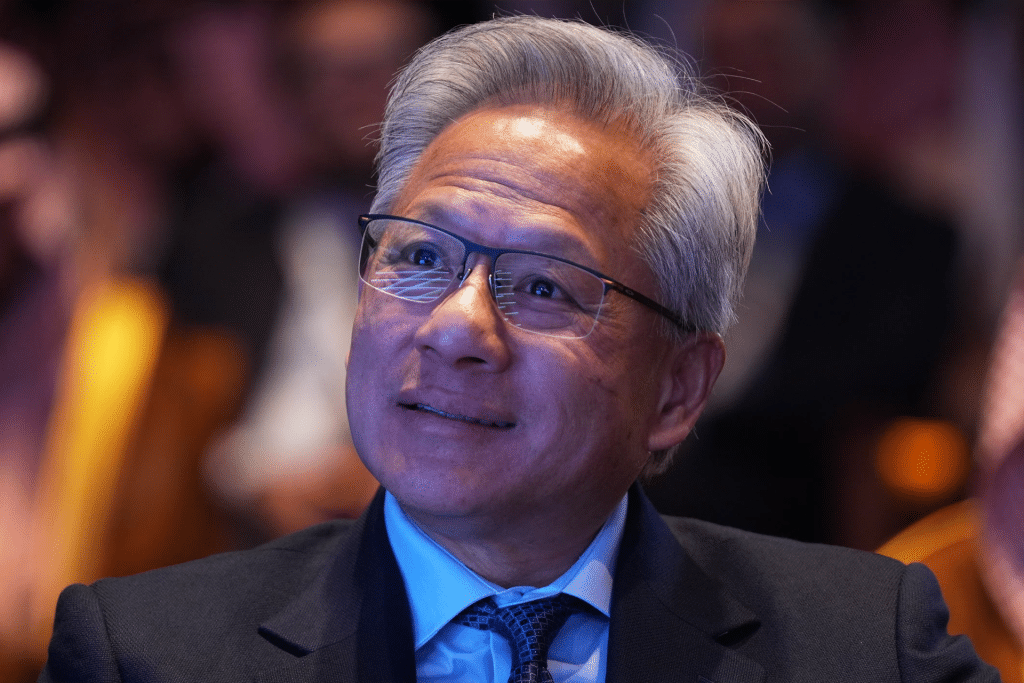
Jensen Huang’s meetings on Capitol Hill occurred as federal agencies, legislators and technology executives confront questions about how AI hardware exports should be managed in the global race for advanced computing capabilities. Nvidia’s position centers on preserving access to international markets while complying with evolving national-security rules. Company leadership has argued that overly restrictive policies risk slowing innovation in the United States without meaningfully affecting foreign progress.
Huang noted before the meetings that Nvidia supports export controls but believes U.S. companies must retain the ability to compete globally. He reiterated concerns about limiting chip performance for the Chinese market, saying such products would not be accepted and would not slow technological development abroad. His comments reflect broader debate about how U.S. policy should respond to China’s efforts to advance domestic AI research and industrial capacity.
Lawmakers across parties have grown increasingly vocal about the national-security implications of exporting AI-enabling hardware. Members of Congress frequently describe high-end chips as foundational tools for both commercial and strategic capabilities. This tension shapes ongoing discussions around legislation aimed at regulating AI use across industries, though no major federal law has yet passed.
Diverging Views Inside Congress
Republican senators who met with Huang described the conversation as productive, emphasizing broad discussions about AI’s current landscape and the role of export controls. Some lawmakers said the company’s interests align with national-security considerations as long as restrictions focus on preventing misuse of advanced capabilities.
Other Republicans expressed skepticism about Huang’s policy arguments, questioning whether companies that benefit heavily from global chip sales should guide U.S. decisions on technology access.
Democratic members of the Senate Banking Committee criticized the closed-door format of the meeting. They argued that public testimony would give Congress and the public a clearer understanding of Nvidia’s motivations and its position on exporting chips to Chinese manufacturers.
The meeting unfolded against a backdrop of shifting federal policy. Earlier in the year, the White House modified existing export rules, opening a narrow path for Nvidia and AMD to sell certain chips in China while imposing a federal claim on a portion of associated revenue. The decision illustrated competing pressures between economic opportunity and national-security concerns.
Ongoing Disagreements Over AI Export Strategy
Supporters of tighter controls argue that limiting China’s access to advanced chips is essential to maintaining U.S. leadership in AI and preventing foreign rivals from relying on American hardware for military-adjacent research.
Opponents of broad restrictions contend that China continues advancing its semiconductor capabilities independently, making U.S. limitations less effective than intended.
Industry analysts say the debate reflects the complexity of balancing commercial competition with geopolitical considerations, especially as AI systems become more integrated into national-security planning.
Huang’s message to lawmakers emphasized competitiveness and innovation. Some senators responded favorably, saying the discussion provided context for how global markets affect domestic research investment. Others insisted that companies with significant financial interests abroad should not define the boundaries of national-security policy.

Shifting Positions Across the Political Landscape
Lawmakers expect continued debate as additional proposals emerge to regulate AI more broadly, from industrial oversight to consumer protection.
Some senators referenced the need for long-term planning as AI capabilities expand into critical sectors, reinforcing arguments for careful control of hardware exports.
Critics of Huang’s position say companies must demonstrate how commercial strategies align with national-security goals before Congress considers modifying existing restrictions.
The discussions on Capitol Hill highlight how the developing AI economy has become a focal point of federal policymaking. With China identified as the United States’ primary competitor in advanced computing, the question of how and when to export high-performance chips remains central to both industry and government planning. The responses from senators show that consensus on these issues remains elusive, even as companies like Nvidia take a more active role in shaping the debate.

