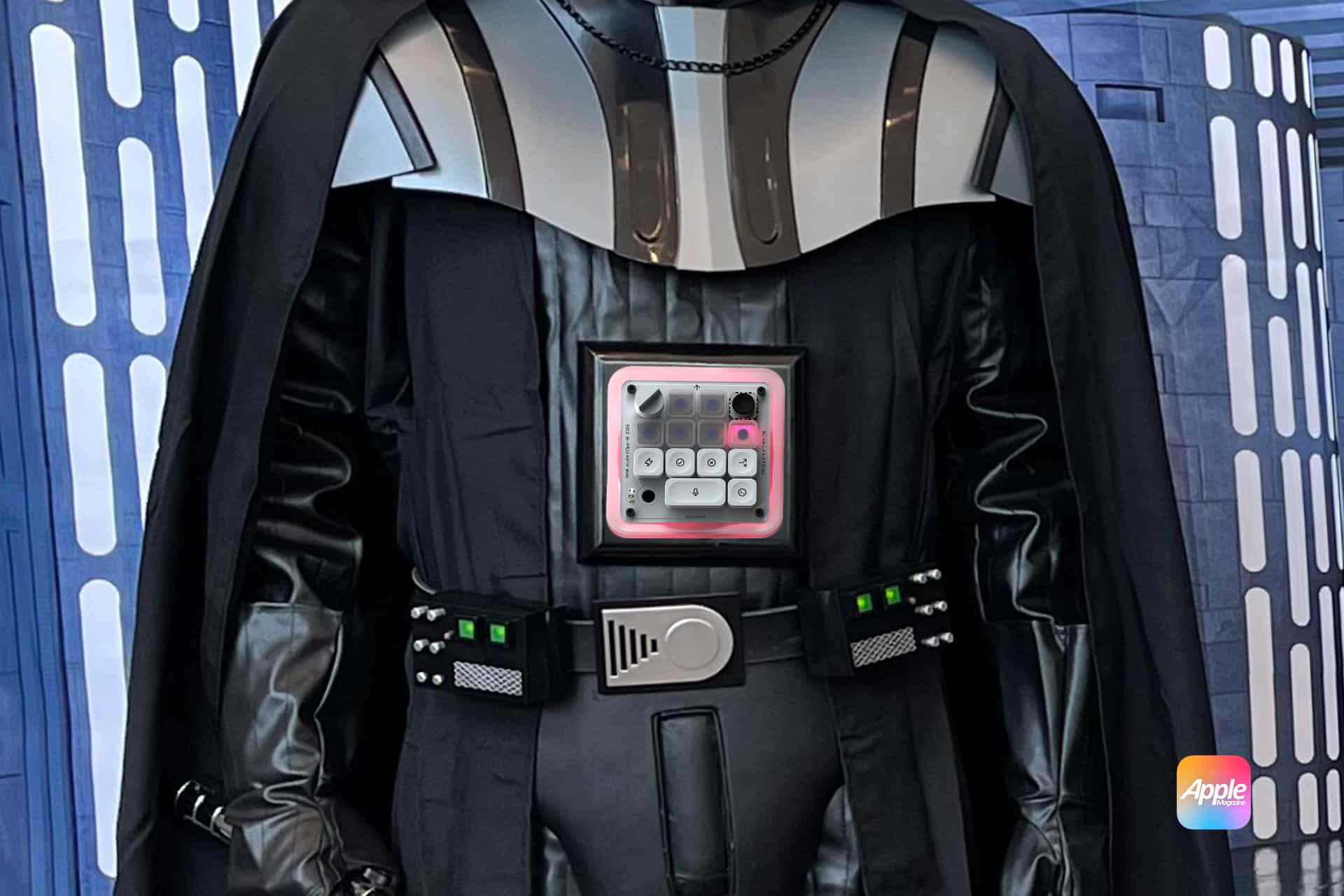
The first OpenAI device is supposed to liberate us from the smartphone. Its proposed solution appears to be carrying another electronic object alongside the smartphone.
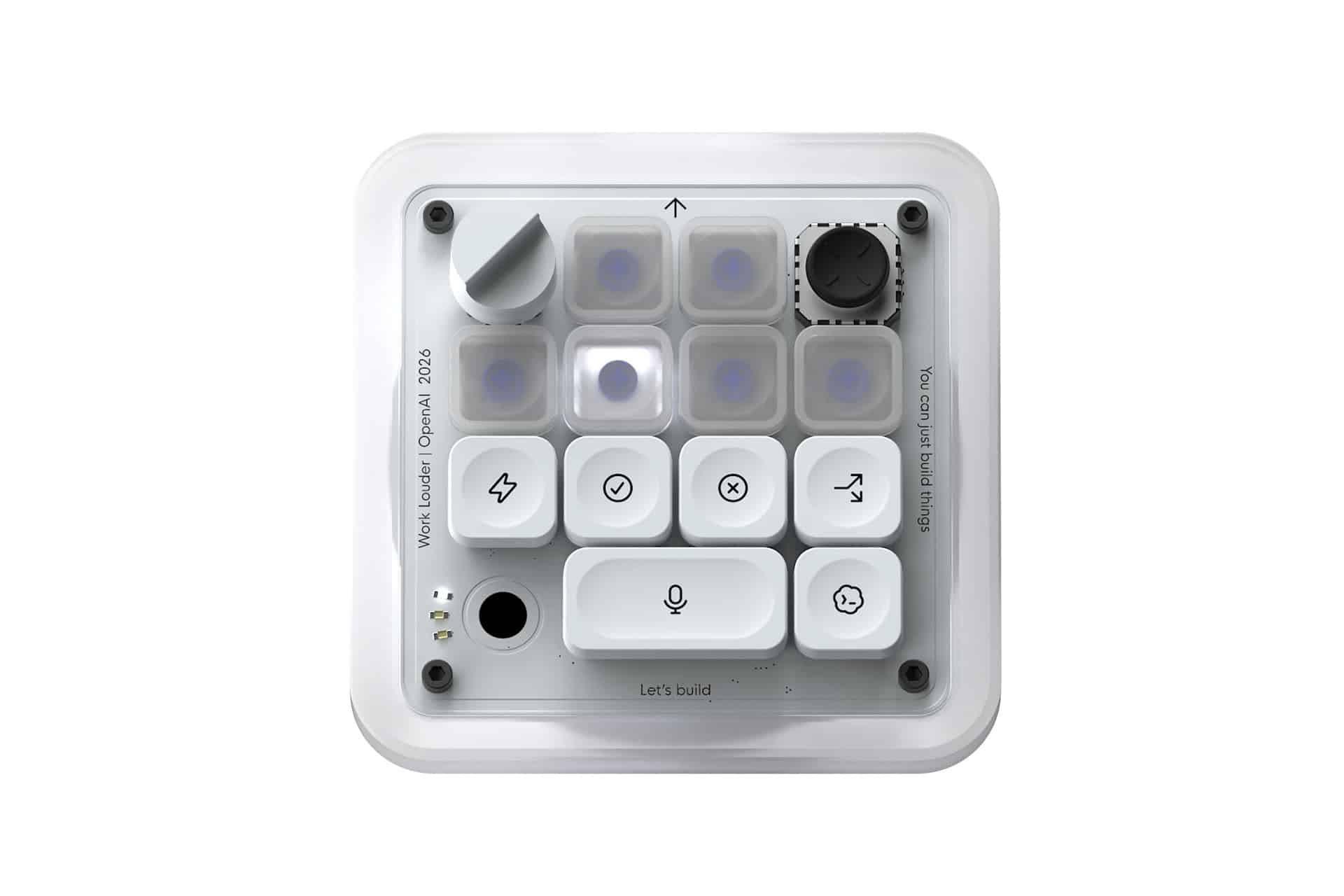
That is an unusually expensive route to redundancy. OpenAI paid $6.5 billion for io, the hardware startup created by former Apple design chief Jony Ive, and assembled a celebrated team to invent what Sam Altman has described as a calmer, more natural way to use artificial intelligence. Reports now point to a portable, screen-free device equipped with microphones, a camera, sensors, speakers, and enough environmental awareness to behave like a permanently available ChatGPT companion.
In other words, it may perform tasks already handled by the phone in your pocket, while asking you to find another pocket for it.
The early descriptions have produced something less valuable than anticipation: confusion. Is it a smart speaker, a wearable, a pendant, a tabletop companion, or a discreet electronic observer that follows its owner from room to room? OpenAI may argue that conventional categories are too limited for a genuinely new product. That defense works only until the object resembles Darth Vader’s chest control panel without the cape, breathing apparatus, or authority to command an Imperial fleet.
The Ferrari Problem Returns
Jony Ive’s recent work on Ferrari’s first electric model offers an uncomfortable preview of what can happen when a revered designer becomes more fascinated by rejecting convention than by respecting the object in front of him. The Ferrari Luce is technically formidable, with more than 1,000 horsepower, four electric motors, brutal acceleration, and the kind of price that should include ownership of a minor Italian province.
Its visual identity has nevertheless divided observers. The dashboard is proudly analog, the body avoids familiar Ferrari drama, and the entire project sometimes looks like a very expensive argument against the people who wanted… dramatic pause… a Ferrari. It is daring, distinctive, and strangely determined to conceal the emotional qualities buyers traditionally associate with the badge.
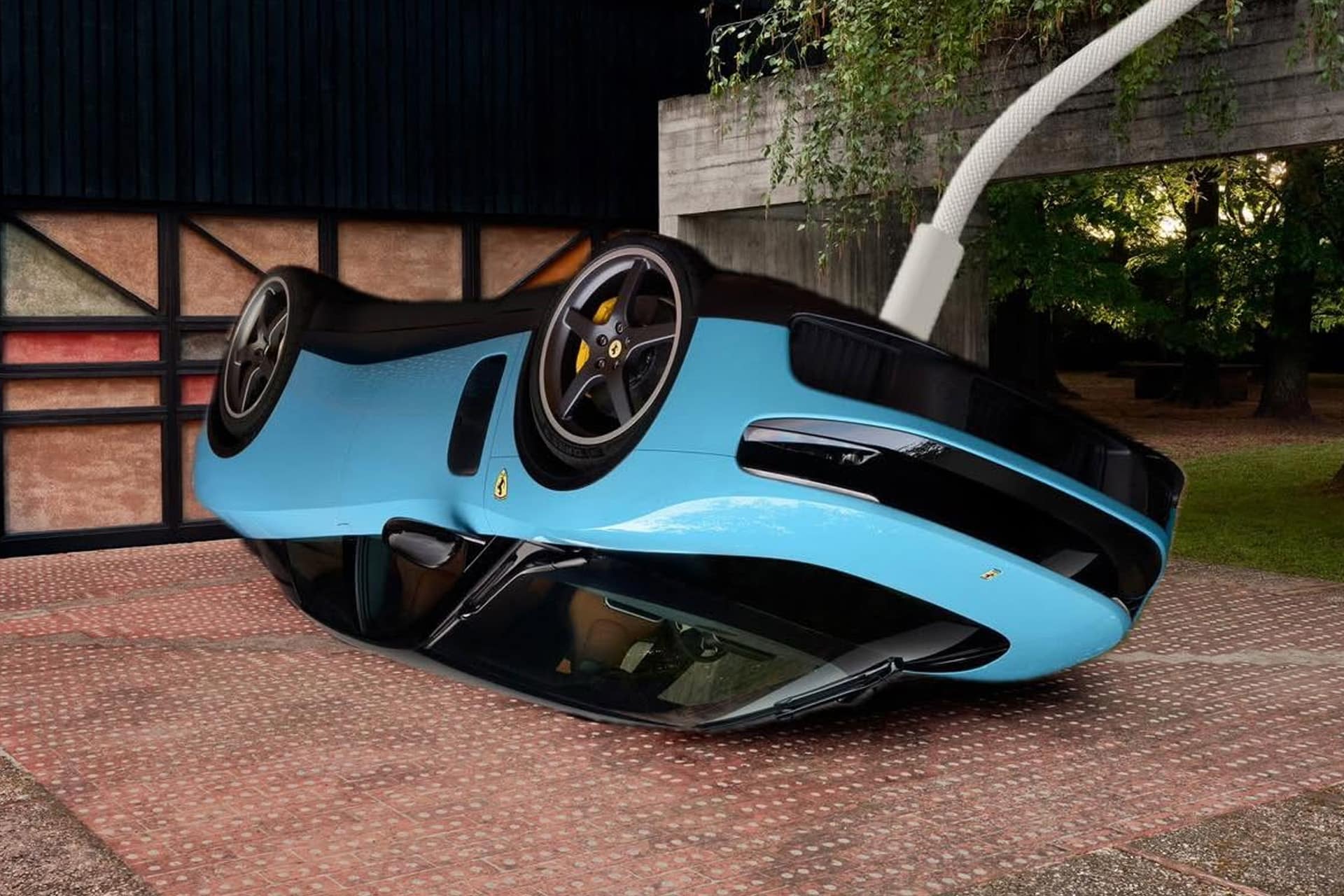
Perhaps there is already an empty slot in that analog panel for OpenAI’s device. The driver could place the screenless companion beside the physical gauges and ask why a $640,000 electric Ferrari needs a portable chatbot to explain where the digital interface went.
Both products appear to begin with a similar design question: what established expectation can be removed? Ferrari removes much of the theatrical visual language associated with Ferrari. OpenAI removes the screen from a connected computer, even though screens remain the reason people spend hours using connected computers.
Elimination can produce elegance. It can also produce absence.

A Device For People Who Already Own the Device
OpenAI reportedly imagines its hardware as a third essential object beside the smartphone and laptop. That is an audacious category to declare before demonstrating a single indispensable function.
The smartphone became essential because it consolidated objects people were already carrying. It replaced the camera, music player, navigation unit, flashlight, calculator, alarm clock, boarding pass, wallet, and, occasionally, telephone. OpenAI’s device appears to reverse that progression by extracting AI from the smartphone and placing it inside another object that needs charging, connectivity, updates, permissions, accessories, and a place to live.
The company’s argument is that a purpose-built AI device can remain more aware of context than an app. Cameras and sensors could allow it to understand a room, recognize objects, follow conversations, control the home, relay messages, and respond without requiring a user to unlock a screen.
That capability sounds impressive until the product begins listening during dinner, observing the living room, and deciding which fragments of ordinary life deserve interpretation. A smartphone can already see and hear when invited. A permanently attentive device changes the relationship from intentional use to ambient surveillance, even when the processing is secure and the intentions are respectable… wait, it’s OpenAI, not Apple.
The screenless design also creates a basic usability problem. AI remains wonderfully fluent when it is correct and wonderfully fluent when it is inventing nonsense. A screen gives users the ability to inspect names, dates, directions, calculations, sources, menus, images, and settings before acting. Voice transforms all of that into an invisible stream that must be remembered, trusted, or requested again.
OpenAI wants to reduce friction. It may instead remove evidence.
Humane Already Performed This Experiment
The consumer technology industry has recently seen what happens when an AI device is marketed as freedom from the phone without providing enough reasons to leave the phone behind. The Humane AI Pin arrived with enormous ambition, a novel interface, cameras, microphones, cloud intelligence, and the confidence of former Apple employees.
It also arrived with weak battery life, slow responses, thermal problems, limited functionality, and a $260 price that made the smartphone suddenly look like the economical option. The product did not fail because people lacked imagination. It failed because convenience cannot be announced into existence.
OpenAI has advantages Humane never possessed. ChatGPT already has a vast global audience, mature voice technology, powerful models, brand recognition, developer support, and access to extraordinary capital. Jony Ive brings far deeper product experience than most startups could assemble.
Those strengths do not repeal the laws of consumer behavior. People will carry a second device only when it performs an important task substantially better than the first. “It talks to ChatGPT without opening the ChatGPT app” is not yet that task.
Jony Ive May Be Designing Symbols
The mystery surrounding the product has encouraged the belief that Ive and Altman have discovered an entirely new relationship between humans and computers. Their public presentation has leaned heavily on philosophy: intelligence becoming ambient, technology becoming peaceful, and devices becoming less intrusive.
There is something attractive in that ambition. Smartphones are demanding, addictive, visually exhausting machines. A quieter interface capable of handling requests without pulling users into another feed could improve daily life.
The problem is that quiet technology still needs a reason to exist physically. Otherwise, the object becomes a symbol of technological restraint produced through an additional purchase, another battery, more sensors, and constant access to the company selling the restraint.
Ive’s best Apple work made complex technology disappear into products whose purpose was immediately understood. The iMac was a computer. The iPod was a music player. The iPhone was a phone-shaped computer that rapidly proved it could replace half the contents of a bag.
OpenAI’s device currently sounds like an answer searching for the question dramatically enough to justify it.
The Darth Vader Breathing Apparatus Must Earn Its Place
There are versions of this “thing” that could become useful. It could provide exceptional assistance for industrial, lab, or military applications, coordinate a smart facility without brittle commands, or offer innovative help in unexpected applications.
Those are real functions, but they require precision, trust, exceptional features, and a form that does not make its owner appear to be waiting for instructions from a distant galactic superior.
The first hardware product from OpenAI will not be judged by the elegance of its origin story or the reputation of the man shaping its shell. It will be judged in the moment someone leaves home, notices both a smartphone and the new device on the table, and decides which one deserves pocket space.
The phone will already contain ChatGPT. The strange little companion will have to explain why that is not enough.