For many people who spent decades inside the PC world, computers became symbols of obligation. They were tools tied to offices, policies, security rules, and endless troubleshooting. The machine was never there to support daily life — it existed to enforce structure. Over time, this created a quiet distance between the person and the technology they used every day.
When someone like that opens a Mac for the first time, the reaction is often unexpected.
There is no sense of tension. No waiting for permissions. No background noise of alerts and warnings. The system responds calmly, almost invisibly. It does not demand attention before it begins working. It simply opens and is ready.
This moment often becomes the first crack in a long-held belief that technology must be complicated to be powerful.
The Weight of the Corporate System
Years inside corporate infrastructure teach people to adapt themselves to the machine. They learn to tolerate slow boots, scattered files, broken connections, and constant interruptions. Over time, this becomes normal. Few stop to ask whether a computer could feel lighter.
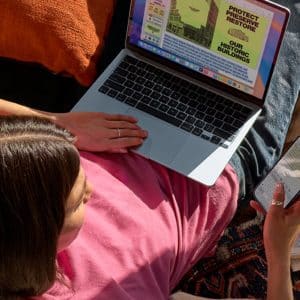
When those same people step into the Mac environment, the contrast is immediate. Files appear across devices without effort. Messages, notes, photos, and calendars remain in sync. Work flows naturally from phone to laptop to tablet. Nothing needs to be manually transferred or managed.
The mental load begins to lift.
A New Relationship With Technology
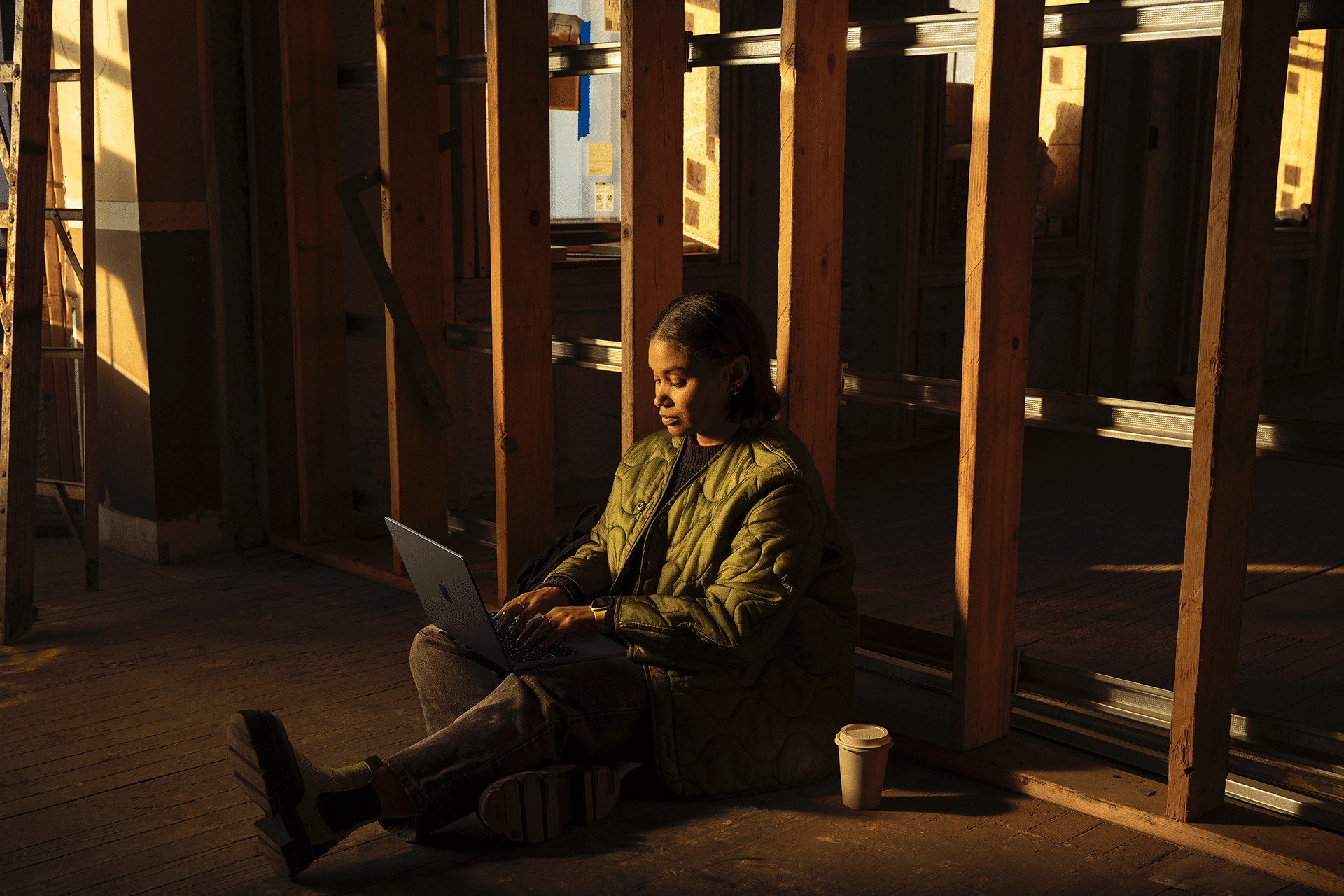
This shift changes more than workflow. It changes the emotional relationship with technology. What was once heavy becomes fluid. What felt restrictive begins to feel open. Many who make this transition describe a return of curiosity — trying creative apps, exploring new tools, and discovering possibilities they never felt invited to explore before.
The Mac does not present itself as a system to control, but as an environment to live inside.
Instead of serving the machine, the machine serves the person.
The Ecosystem Effect
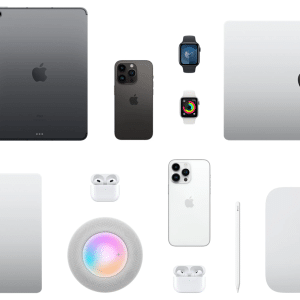
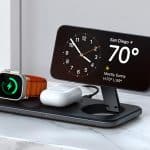
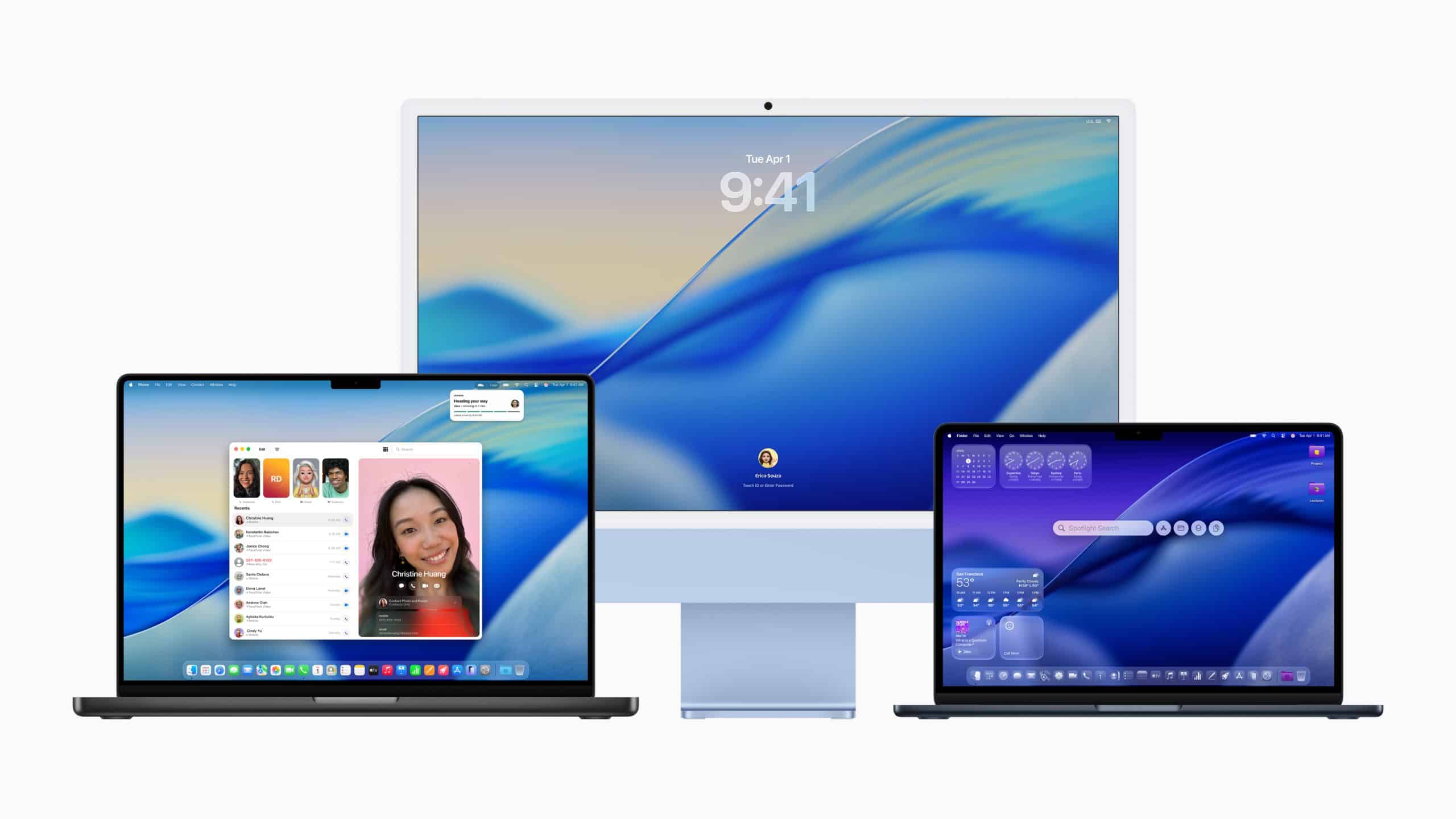
The real transformation comes when everything connects. The phone, the computer, the tablet, the watch — all share the same rhythm. Notifications feel less intrusive. Information appears where it is needed. Tasks no longer feel fragmented.
This is not about convenience alone. It creates a sense of continuity that many never experienced before.
Technology stops feeling like a barrier between moments and starts becoming part of them.
A Lifestyle Discovery
Moving from PC to Mac is rarely a technical decision. It is a lifestyle shift. It is choosing an environment where things work together without explanation, where complexity stays hidden, and where time feels respected.
For those who spent years inside rigid digital systems, this change often feels like discovering a new world — one that was always there, simply waiting to be entered.