

Holiday family photos are often taken indoors, surrounded by decorations, warm lights, and moments that only happen once a year. Unlike outdoor photography, indoor holiday photography presents specific challenges: mixed lighting, limited space, and constant movement as family members talk, laugh, and interact. With a thoughtful approach to lighting and composition, it is possible to capture images that feel natural, warm, and timeless rather than harsh or flat.
The key to successful holiday family photography indoors is understanding how light behaves in home environments and using it intentionally. By controlling available light, positioning people carefully, and adjusting basic camera settings, holiday photos can reflect the atmosphere and emotion of the moment without requiring professional equipment.
Understanding Indoor Lighting for Holiday Photos
Indoor lighting during the holidays usually combines several sources at once. Overhead ceiling lights, lamps, decorative string lights, candles, and window light often exist in the same space. Each source has a different color temperature, which can create uneven skin tones and unwanted color casts if not managed carefully.
Natural light from windows remains the most flattering option for family photos. Even during winter, window light provides soft direction and more accurate skin tones than artificial lighting. Positioning family members near a window, with the light coming from the side rather than directly in front, creates gentle shadows that add depth without harsh contrast.
When natural light is limited, turning off overhead ceiling lights helps reduce unflattering shadows under eyes and noses. Lamps placed at eye level or slightly higher provide a warmer and more even glow, especially when bounced off walls rather than pointed directly at faces.
Using Holiday Decorations as Light Sources
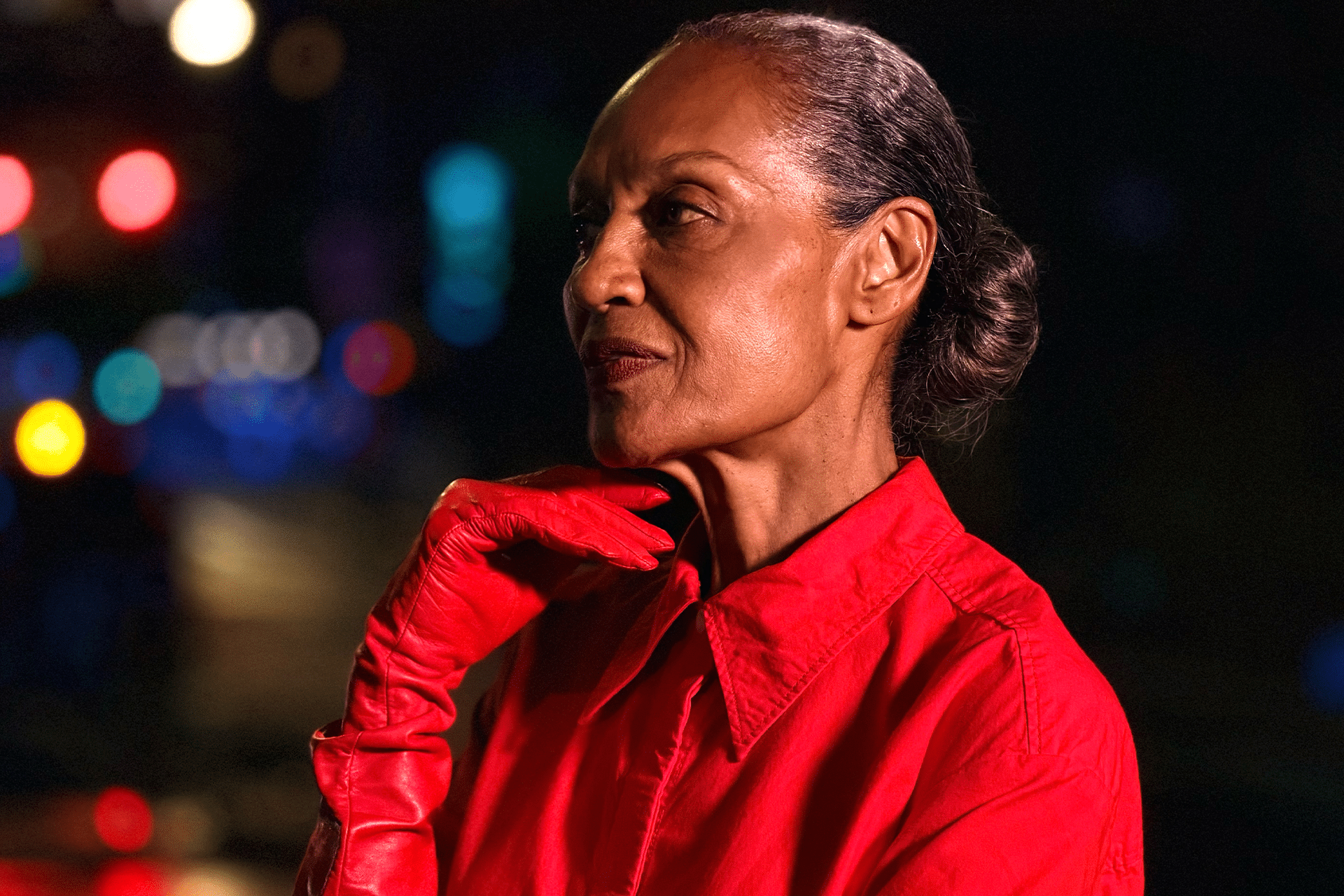
Holiday decorations can enhance photos when used thoughtfully. String lights and tree lights create a warm background glow that adds atmosphere without overpowering subjects. Keeping these lights slightly behind or beside family members helps separate them from the background and adds depth to the image.
Decorative lights work best as background elements rather than primary light sources. They create visual interest but are usually too weak to illuminate faces evenly. Combining them with window light or lamps ensures faces remain clear and well-lit while preserving the festive mood.
Candles add warmth but should be used cautiously. Their flicker can create uneven exposure, so they are best placed where they contribute to ambiance rather than direct illumination.
Positioning Family Members for Natural Results
How family members are arranged matters as much as lighting. Placing everyone in a straight line often results in stiff, posed images. Instead, arranging people in small clusters or slight angles creates a more relaxed and natural look.
Sitting family members at different heights, such as on a couch, chair, or floor, prevents overlapping faces and improves balance. Encouraging subtle interaction, such as leaning toward one another or sharing a laugh, helps capture genuine expressions rather than forced smiles.
Keeping enough distance between the group and the background prevents harsh shadows from appearing on walls. Even a small step forward can make a noticeable difference in image quality.
Camera Settings for Indoor Holiday Photography
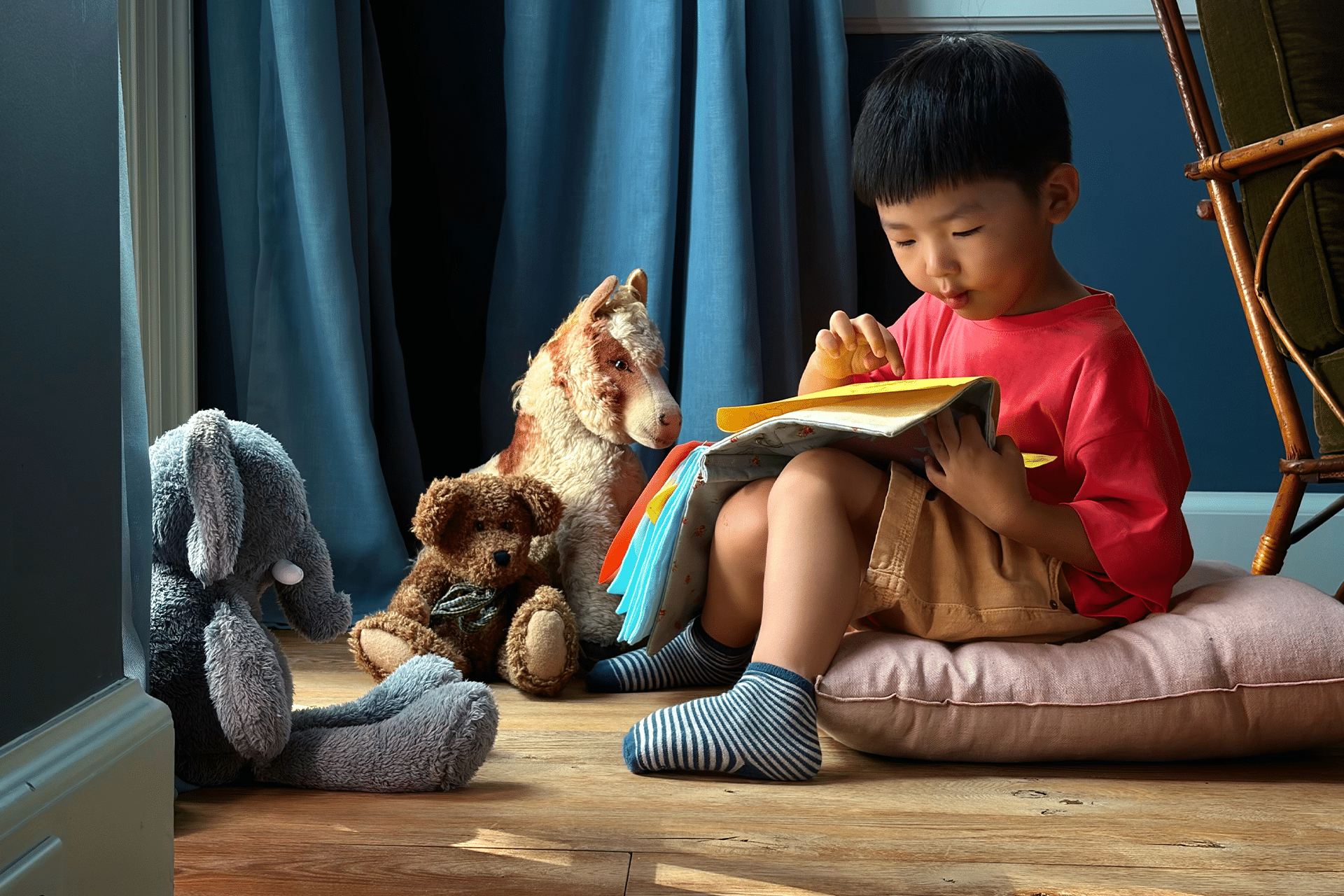
Indoor holiday photos benefit from simple adjustments rather than complex manual controls. Using a wider aperture allows more light into the camera, helping maintain image clarity without harsh flash. A moderate ISO increase is often preferable to using direct flash, which flattens faces and removes warmth from the scene.
Shutter speed should remain fast enough to avoid motion blur, especially with children. Slight movement is common during family gatherings, so prioritizing clarity helps preserve details.
When using a smartphone, enabling night or low-light modes can improve brightness while maintaining natural color. Avoid zooming digitally, as it reduces image quality in low-light conditions. Instead, move closer when possible.
Capturing Emotion Over Perfection
Perfect holiday photos are not defined by flawless lighting or symmetry. They are defined by emotion and authenticity. Candid moments often feel more meaningful than posed group shots, especially during family gatherings.
Observing interactions rather than directing them allows moments to unfold naturally. Laughter, shared glances, and small gestures convey the atmosphere of the holiday more effectively than formal poses.
Taking multiple shots increases the chance of capturing genuine expressions. Small variations in timing can transform a good photo into a memorable one.
Preserving Warmth and Consistency
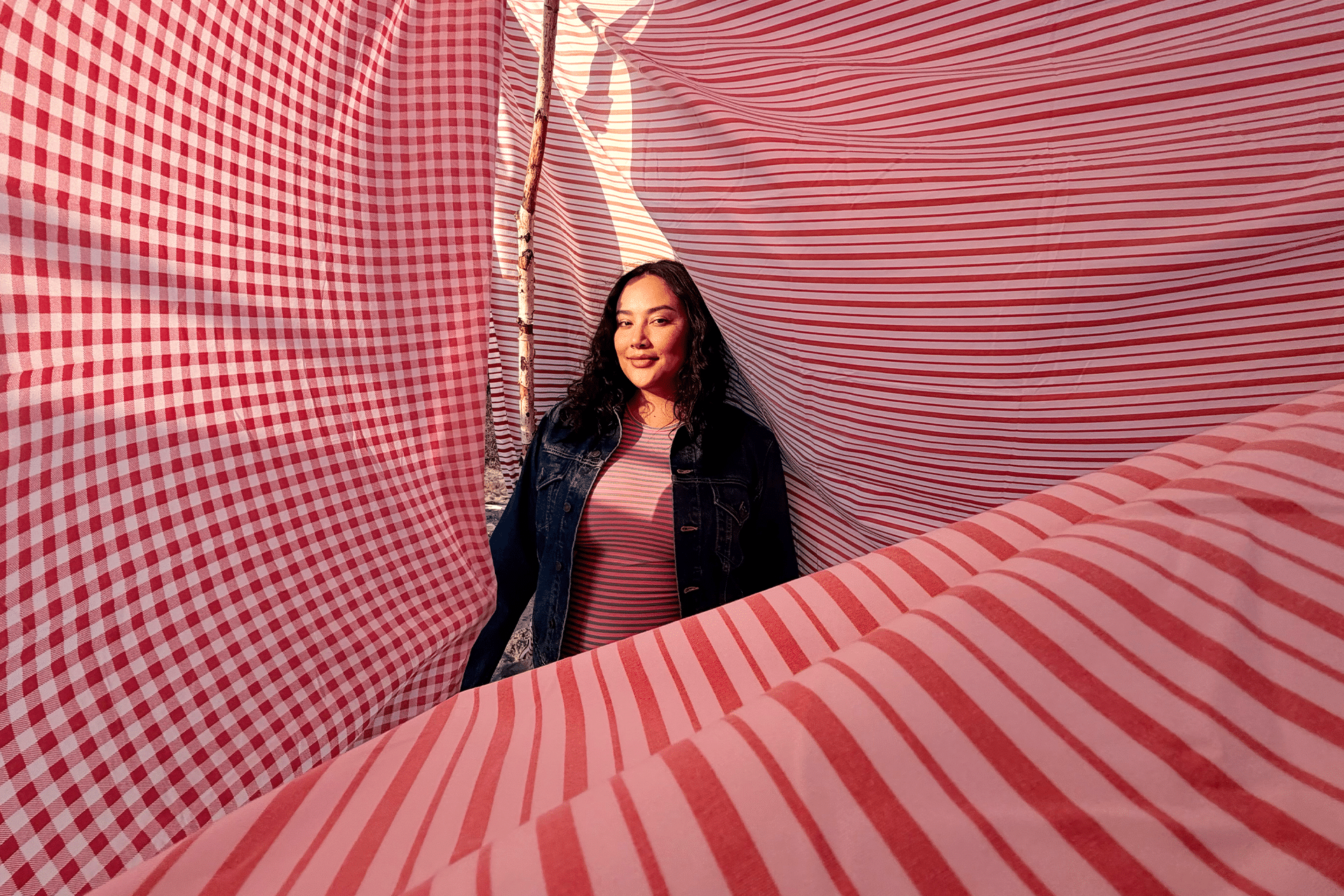
Consistency in lighting and color helps holiday photo collections feel cohesive. Avoid mixing too many light sources with different color temperatures in the same frame. Turning off unnecessary lights simplifies the scene and maintains warmth.
Editing should remain subtle. Adjusting brightness and warmth slightly enhances the mood without making images feel artificial. Preserving natural skin tones should always take priority over dramatic effects.
Holiday photos serve as visual memories rather than technical showcases. A balanced approach to lighting, composition, and emotion ensures images remain meaningful years later.
By understanding indoor lighting, using decorations thoughtfully, and focusing on natural interaction, holiday family photography becomes less about equipment and more about storytelling. These small adjustments help transform everyday indoor moments into lasting memories that reflect the warmth and connection of the season.


