


Back when we first started using the internet, it was up to us to decide what we wanted to search or browse for. Today, that decision is often made for us. Over time, this has changed what we expect from digital products. We now want apps to remember our preferences, anticipate our needs, and surface relevant content without making us search for it.
Behind the scenes, countless algorithms assess what we’ve already looked at and decide to push us more in that direction. In many cases, we blindly follow. How did it get to this state? What are the benefits across different app sectors, and what does the future look like?
How Algorithms Work
Some people believe their smartphone is “listening in” on them, as ads related to topics they just discussed often appear on their social media feed.
It doesn’t quite work like that, but it’s close. Algorithms track the sites you visit, who you engage with on social media, and what you click on. All these actions create a profile of your current interests. It only takes a couple of clicks on similar items, and the algorithm immediately presents you with related topics.
Streaming platforms work the same way. When you first sign up, you’re asked what your preferred genres are, so it can begin to recommend movies or series from the get-go. As you watch more, the algorithm learns your actual preferences and builds a “because you watched X” list.
TikTok’s “For You” feature pushes videos to you based on which other videos you dwell on. If you’re swiping rapidly through, it notes these aren’t for you and pushes others. If you use hashtags on your own videos, that signals to TikTok that this is an interest of yours.
In every one of these cases, it’s you who is actually driving the algorithm. Sometimes it fails and you’re recommended something far removed from your interests, but in most cases it gets it spot on.

Sectors Where Algorithm Matching Shines
On average, we spend six hours and 38 minutes online every day. With all that internet use, we need faster ways to get to the reason we’re there. Algorithms watch everything we do and are ready to fulfill this need. The following four types of platforms heavily rely on personalization.
Social Media
For fans of doomscrolling, nothing beats a curated Facebook or Instagram feed. What appears in your feed is closely connected to what you viewed last time you logged in. Once again, dwell time is a trigger for the algorithm. If you engage with, open, like, or comment on a post, it’s a strong sign that this is your interest level.
Some people complain that they’re not getting to see all their possible content, and they’re right. If you have 5,000 friends, the algorithm can’t surface something from everyone. If there’s content you wish to see more of in your feed, find the friend who posts on it, and interact with them. From then on, the algorithm knows this is what you want to see because you’ve essentially trained it to do so.
iGaming
With so many platforms vying for their share of the iGaming market, many track players’ gameplay patterns, such as preferred game types, betting ranges, and session times, to recommend relevant content and keep them playing. For example, people who sign up with the best slot sites in Canada and play progressive jackpots will see recommendations for similar titles on their homepages. Meanwhile, high rollers will see VIP promotions, casual players will receive free spin offers, daily players will see more loyalty rewards, and inactive users will receive re-engagement offers. While iGaming platforms are still far behind the advanced data-driven algorithms of platforms like Netflix, they are catching up.
Streaming
The challenge with streaming platforms today is that there is too much content. People rarely have the time to scroll through page after page of titles to find something to watch. These platforms have that sorted. They know what you want based on what you’ve already watched, so they create “For You” lists.
You can assist the algorithm by clicking on the thumbs-up or thumbs-down icon after you’ve watched something. This action helps the recommendations match your interests even more closely.
E-Commerce
E-commerce sites use AI to help shoppers find what they’re looking for (and often, what they’re not). The cart checkout is where the algorithm puts in all the work. McDonald’s famously created the “would you like fries with that?” upsell, and it works across many markets.
For e-commerce sites like Amazon, this upsell at cart checkout makes or breaks the sale. Abandoned carts are the primary thing e-commerce sites want to avoid. Anything that the AI can do at this point to get the sale, it’ll do. Whether it’s an upsell, cross-sell, add-on, discount, or free shipping, the algorithm has learned from past purchases what makes you hit “buy now.”

The Future of Algorithmic Prediction
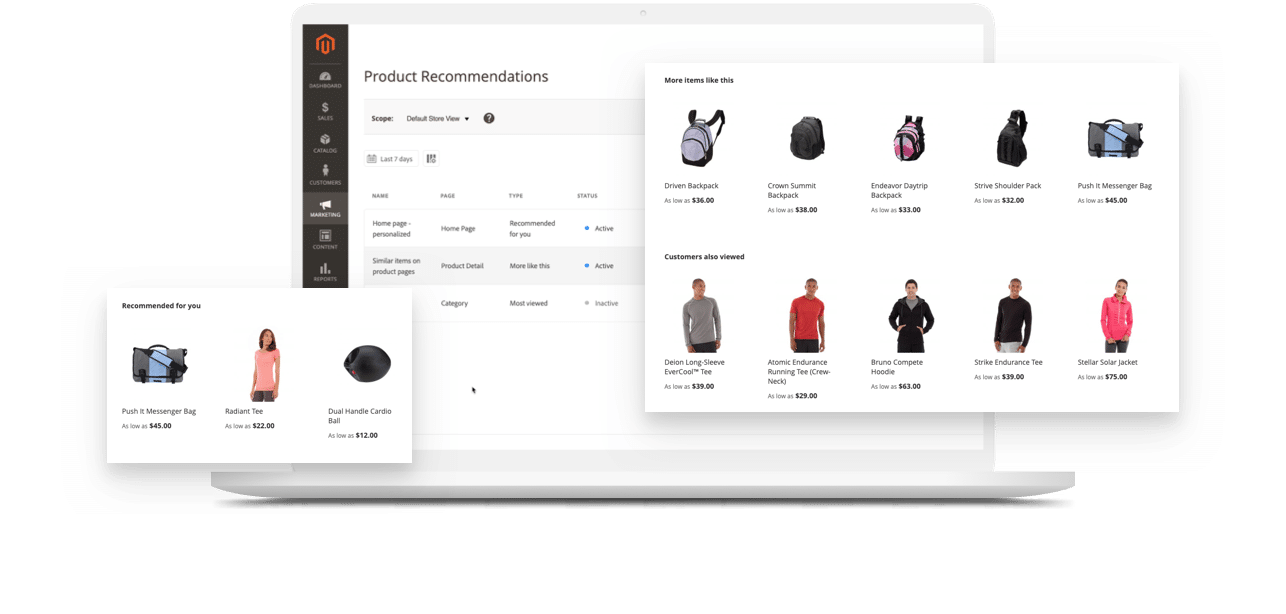
Predictive AI is attempting to up the stakes by relying even more on prediction rather than reaction. Think of it this way: reactive personalization says, “You viewed this, so here’s something similar.” Predictive personalization says, “Based on your browsing pace, device, time of day, location, and past behavior, you are likely to want this next.” The algorithm attempts to know what you want before you do. The challenge with this approach is that users are beginning to feel preempted and that they’re no longer in control of their online experience. The more that algorithms curate what they see, the fewer options remain, and they end up in a rather small “content bubble.”
Personalization saves time and improves relevance, but it also narrows choice and raises questions about control. The next wave of personalization will depend on whether platforms can balance convenience with transparency, so users feel guided rather than controlled.

