PlayStation’s presence on Steam has grown from an experimental move into a significant revenue stream, passing the billion-dollar milestone as more of its first-party titles arrive on PC. What began as a test with a small selection of games has expanded into a consistent release pipeline covering open-world action titles, narrative adventures and online experiences. The results highlight a broader strategy in which Sony aims to extend the life cycle of its franchises and reach audiences beyond its console hardware.
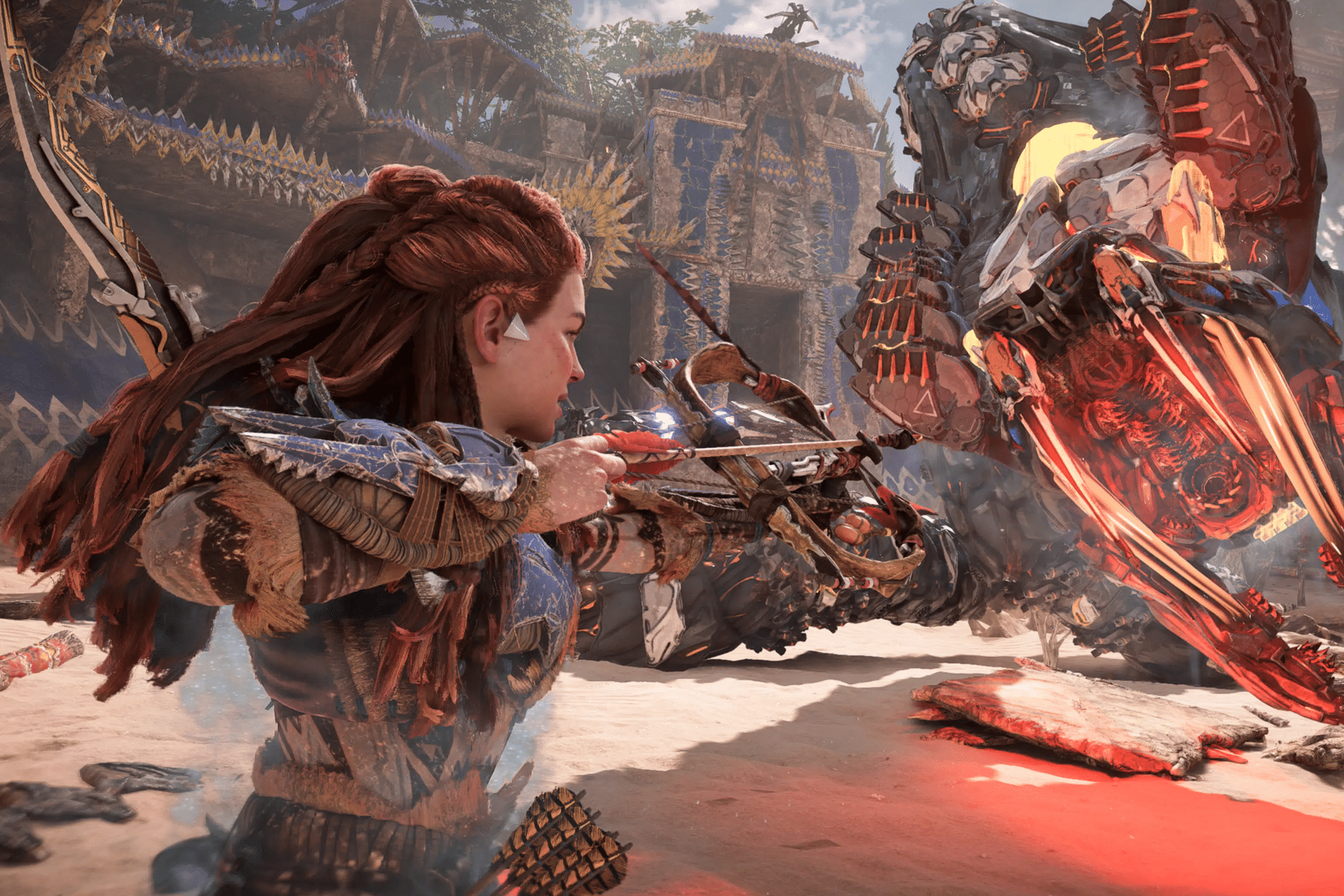
Steam data and industry analyses show that PlayStation titles on PC now represent a material portion of Sony’s software earnings. High-profile projects such as the Horizon series, God of War and Marvel’s Spider-Man played a central role in building momentum, with interest growing each time a new PlayStation property landed on Valve’s platform. Over time, the release pattern has shifted from sporadic to structured, and the financial results demonstrate strong performance for games originally developed for console.
Sony’s PC approach has relied on optimizing titles for mouse-and-keyboard setups, ultra-wide displays and expanded graphical settings. Many of its ports launched with features designed specifically to appeal to PC users, helping them stand out from typical console-to-PC conversions. This polish contributed to positive reception for several major releases, boosting word of mouth and sustaining sales long after launch windows closed.

Why PlayStation’s PC Expansion Grew
The broader appeal of Steam’s global user base created a natural path for Sony to increase reach. Each new port introduced PlayStation franchises to players who may not own a console, expanding the overall audience for sequels and future entries.
The extended sales tail on PC offered revenue benefits that differ from console cycles. Steam titles often remain visible through seasonal promotions, wishlists and bundle opportunities.
Sony’s investment in PC-focused engineering teams helped reduce turnaround time, enabling more regular port releases and improved technical consistency.
While not every release experienced identical performance, several titles surpassed expectations, especially when discounted during major Steam events. Over time the cumulative effect of these launches carried Sony’s PC software revenue over the billion-dollar line, giving the company another channel to support game development budgets and long-term franchise planning.
How Sony Plans To Expand Its PC Strategy
Industry observers expect Sony to continue widening its PC catalog. Some projects may still follow a timed exclusivity window on PlayStation hardware, while others—particularly live-service titles—may launch on both platforms simultaneously. The company has signaled interest in building multiplayer experiences that benefit from PC’s vast user base, giving future releases broader communities at launch.
Sony’s investment into PC-compatible tools and middleware supports deeper long-term integration. Publishing pipelines have become more predictable, and the technical lift needed to adapt games to PC hardware has been streamlined. As more developers inside Sony’s studio network gain experience building dual-platform games, the number of titles suitable for PC conversion is expected to increase.
Console-exclusive titles still play a critical role in Sony’s identity, but PC releases offer a strategic way to stretch franchises beyond hardware boundaries. With Steam already proving a strong commercial platform for PlayStation games, the company’s software roadmap increasingly reflects a hybrid ecosystem rather than one constrained to a single device family.

Live-Service Games And PC Synergy
Sony’s push into live-service projects reinforces the link between Steam and PlayStation. Multiplayer-driven titles often depend on long-term engagement and large player populations. Launching them on PC alongside console can help stabilize early adoption and support ongoing updates. This approach mirrors industry trends in which major publishers distribute across multiple platforms to maximize audience size.
PlayStation’s billion-dollar milestone on Steam marks an important moment in how Sony adapts to new player habits. While consoles remain central to its strategy, the PC market has proven to be a viable extension of its software business. Continued port releases, broader partnerships and expanded live-service ambitions suggest that Sony’s presence on Steam will keep growing as the company balances exclusivity with global reach.